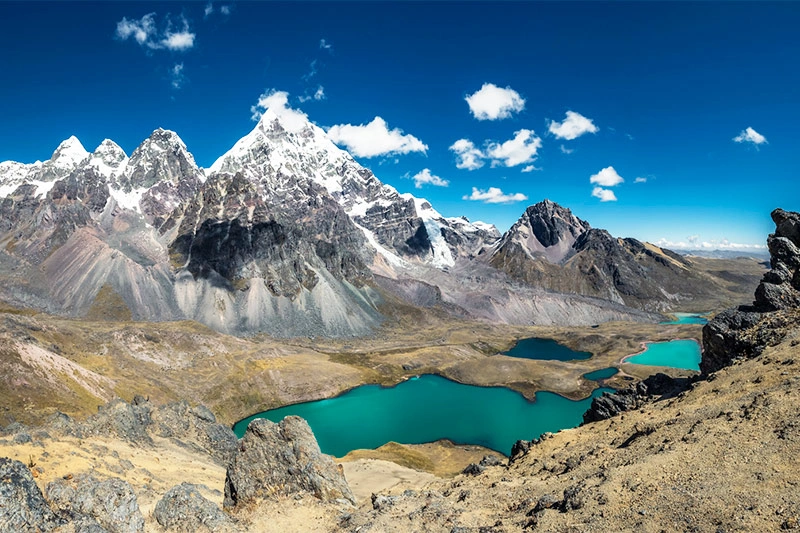
The Vilcanota mountain range looks exactly like the kind of Andes people imagine but rarely get to see. High, open and exposed. Glaciers that start above 6,000 meters. Long valleys carved by wind and ice. Cold, clear nights where the skies are filled with stars and you can admire the milky way at its fullest. Herds of alpacas moving across wide plains. Small communities that still live with the rhythm of the mountains and keep traditions tied to the Apus, the sacred protective Mountains.
The altitude defines everything here. Most sections sit between 4300 m and 5000 m, which shapes the landscape into something stripped down. No forests, just open views, turquoise lakes, red mineral slopes and clean air that gets colder the moment the sun drops. It’s remote but accessible enough for day hikes and multi-day trips that stay close to the glaciers.
From this setting come some of the most rewarding mountain activities in Peru, especially for people who want real wilderness: high-altitude hikes, natural hot springs, viewpoints over multicolored mountains and the full Ausangate trekking circuit in its different versions.
7 Lakes Hike + Pacchanta Hot Springs
This is the most complete introduction to the Ausangate region. The trail loops through a series of turquoise and deep-blue lakes sitting directly under the glacier. The walk moves through open pasture, rocky slopes, and viewpoints where the scale of Ausangate becomes very clear.
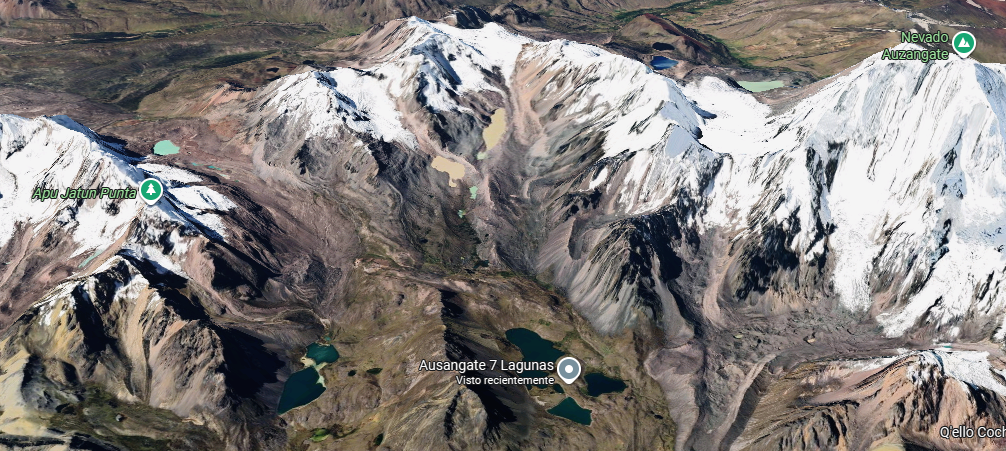
The final reward is simple and effective: the Pacchanta hot springs, where you can sit in warm water with a full view of the towering Ausangate. It’s a good “first taste” of high-altitude walking without committing to a full trek.
Upis Lake Hike
Upis is quieter and feels more remote. The route is gradual, moving across broad plains with alpaca herds and small streams fed by the glacier. Upis Lake sits at the base of Ausangate’s north face and the reflections on a clear day make the area one of the best spots for photography in the region.
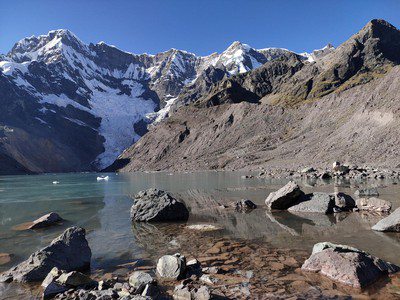
It’s a good option if you want a straightforward hike that still gets you close to the mountain itself.
Ausangate Trek: The Full Andean Experience
Circling Ausangate isn’t just another trek; it’s the closest you can get to the essence of the Vilcanota range. Out here, the mountains are enormous, the colors feel exaggerated, and the silence has weight. You hike between turquoise lakes, across high passes dusted with snow, past roaming alpaca herds and tiny stone settlements where life still follows the rhythm of the land. Nights fall early and brilliantly starry. Days are sunny, bright and with intense radiation. It’s the Andean wilderness in its purest form.
Highlights Along the Ausangate Route
Upis: The First Massive Walls of Ausangate
The first approach is a slow reveal: rolling highlands, clusters of alpacas and then, suddenly, the massive granite and ice walls of Ausangate towering ahead. Upis sits at the base of the mountain, with natural hot springs steaming in the cold air. It’s the perfect welcome into high altitude.
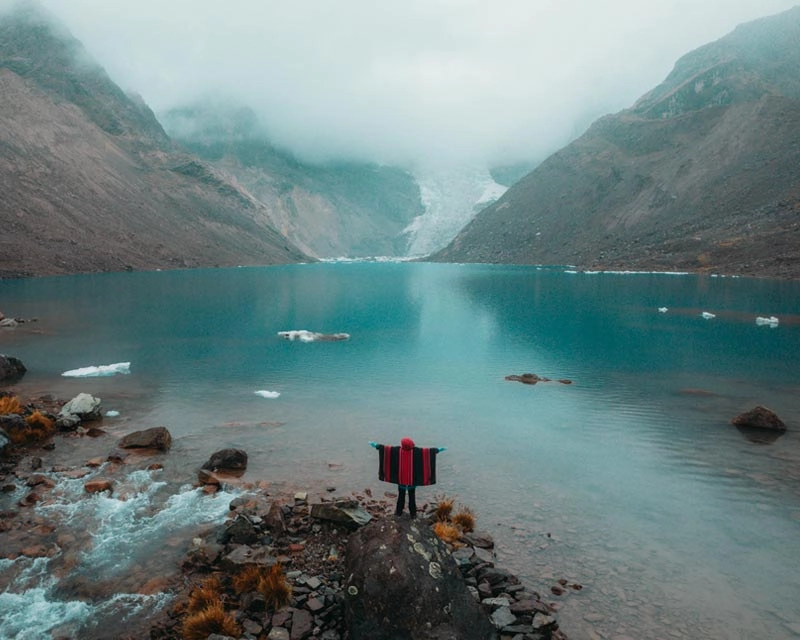
Vibe: quiet, scenic, chilly.
Challenge: nights easily drop below –10°C, and altitude becomes noticeable.
Arapa Pass (~4,850 m) – First Big Ascent
Arapa Pass is a steady climb along open slopes. The landscape feels bigger with every step and the first panoramic views of the Vilcanota range appear.
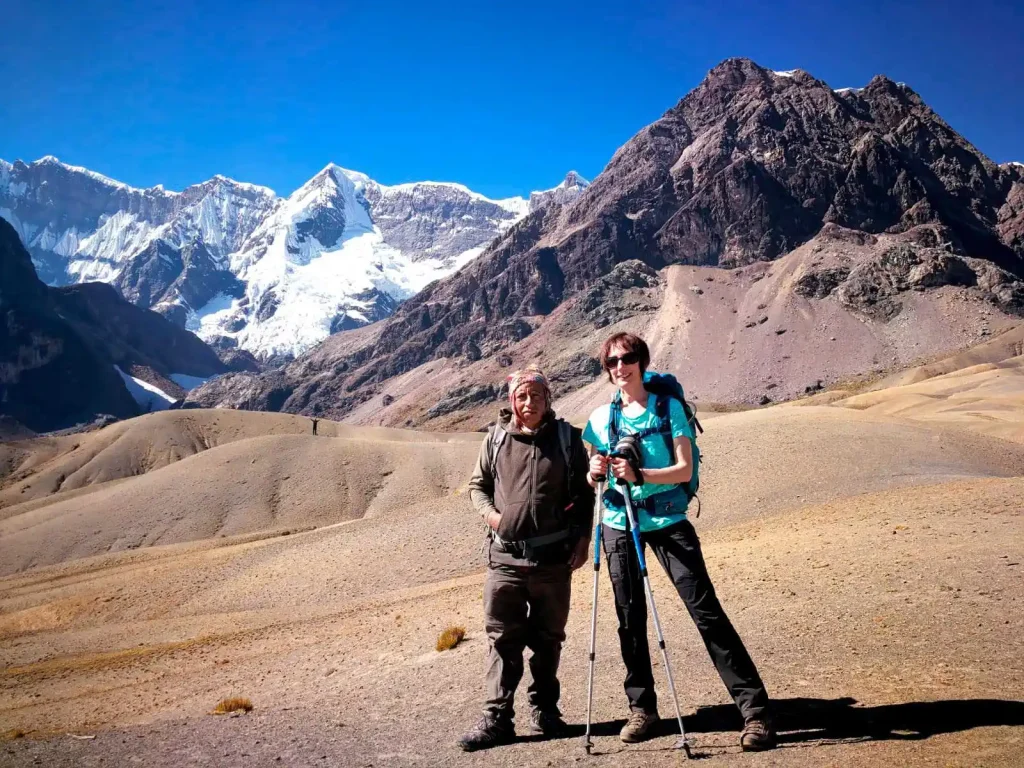
Why it stands out: it’s the first real “high pass” and the moment you understand that the entire trek happens above the clouds.
Challenge: exposed to wind and long in length.
Pucacocha & Jatun Pucacocha: The Turquoise Corridor
A string of surreal blue lakes lying at the feet of dark rock and white glaciers. On calm mornings, the reflections are perfect mirrors.
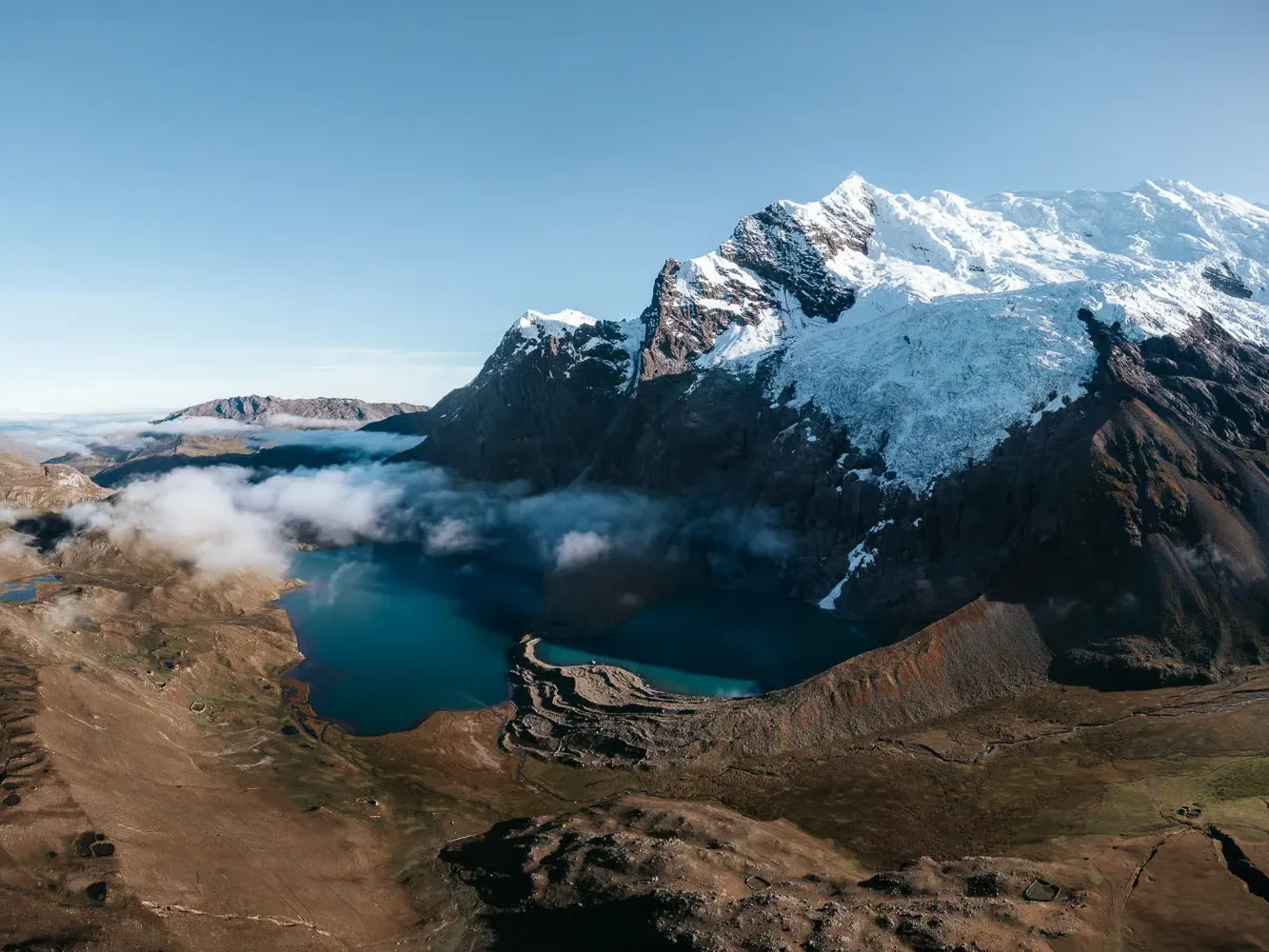
Why it’s unforgettable: it’s the most photogenic stretch of the entire trek.
Challenge: the descent after Arapa can be loose or muddy depending on the season.
Ausangate Pass (~5,100 m) – The Summit Moment
The most dramatic pass of the circuit, often snow-covered and flanked by glaciers. You stand above 5,000 m with nothing blocking your view in any direction.
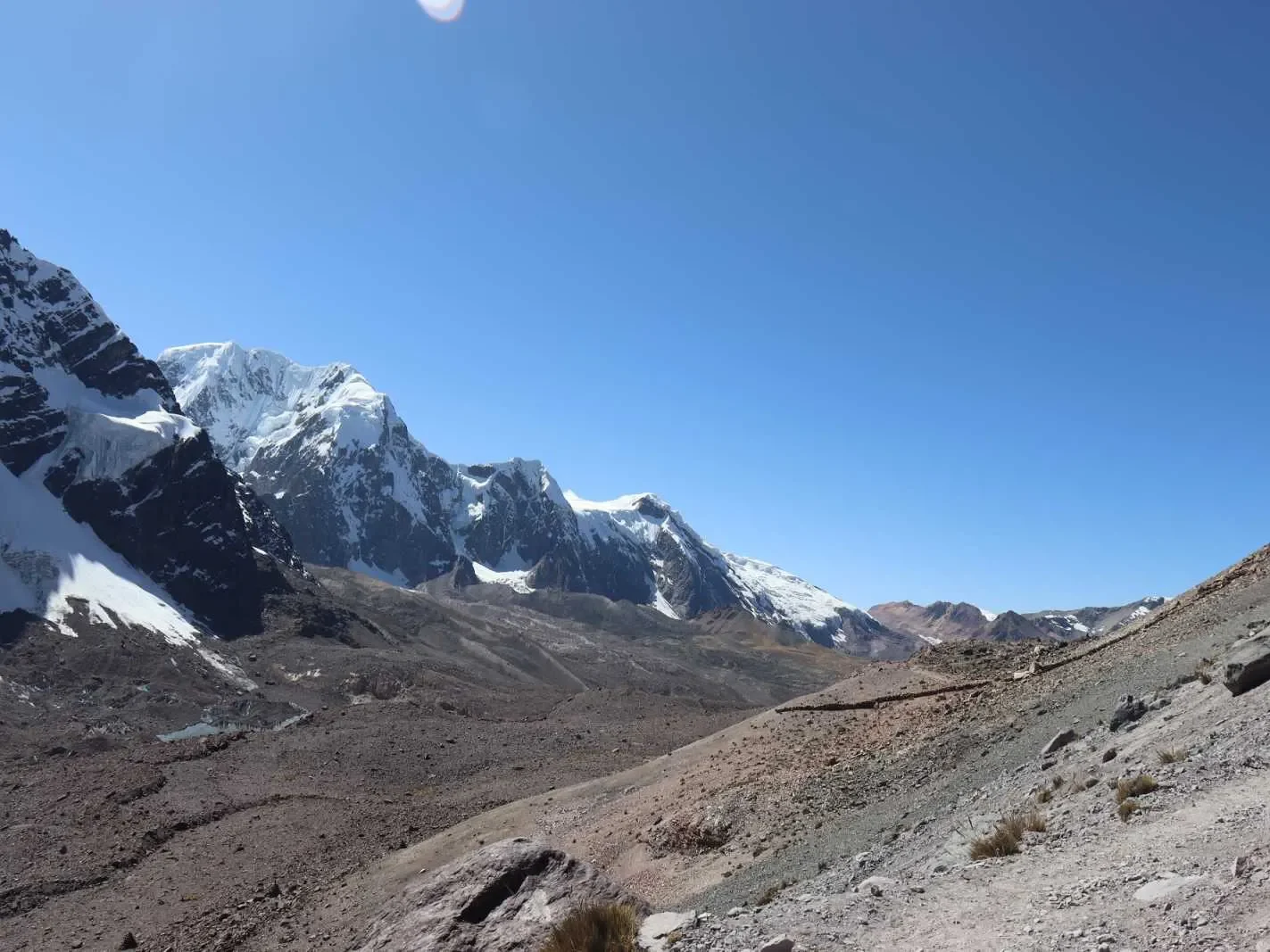
Why it matters: this is the moment people come for, the high point both physically and emotionally.
Challenge: steepest climb of the trek + unpredictable weather (snow/hail possible even in July–August).
Suricocha & Huchuy Finaya – Remote Valleys & Quiet Camps
Wide valleys, thin air, absolute silence. Small stone houses and lone shepherds remind you people still live here, in one of the harshest environments in Peru.
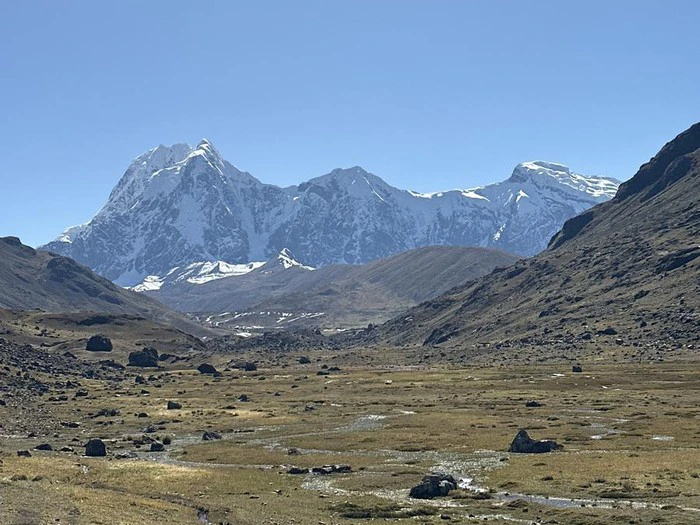
Why it’s special: it’s the most peaceful section, a complete disconnect from modern noise.
Challenge: long distances and no drop in altitude, the body works nonstop.
Rainbow Mountain + Red Valley (Extension)
Most travelers visit Vinicunca from the crowded “tourist side”. On the Ausangate route, you approach from the back: quieter, cleaner and often at sunrise.
The Red Valley adds an entirely different palette: deep reds, wide open plateaus, almost Martian landscapes.
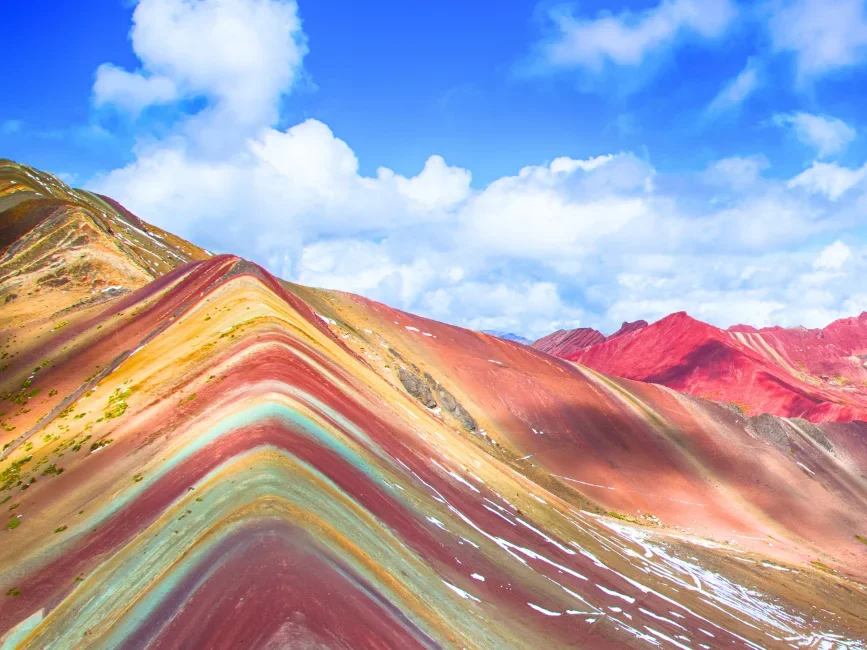
Why it matters: it’s the perfect finale, color overload after days of ice and stone.
Challenge: high viewpoint +5000 m and early wake-up.
Rainbow Mountain + Red Valley or Palccoyo
Rainbow Mountain is one of the most visited spots in the Vilcanota range. The mineral colors, the open plateau and the Red Valley make it distinct from anything else in the area. It’s high altitude, but the trail is more manageable than most Ausangate routes.
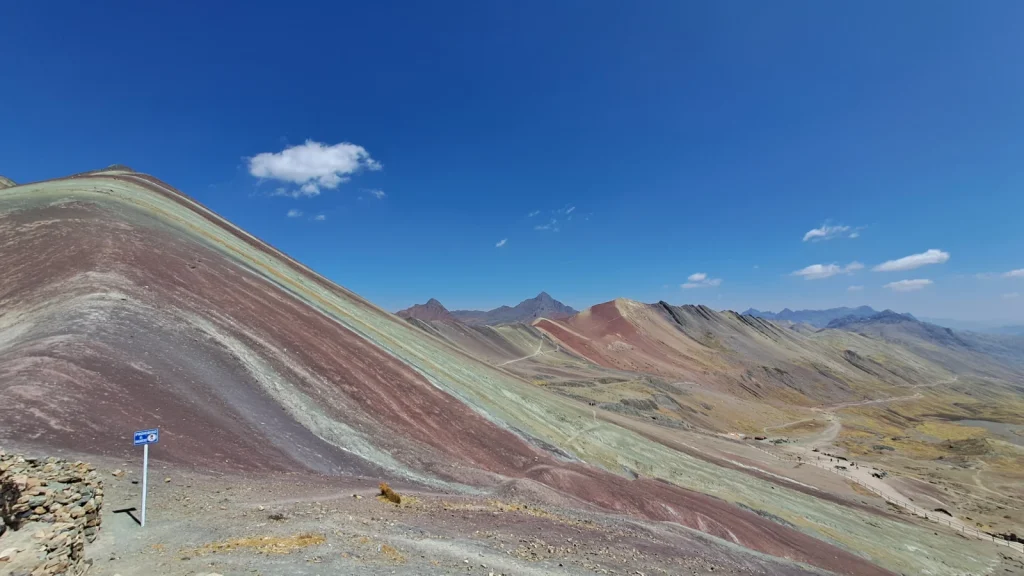
Palccoyo, on the other hand, offers a similar multicolored landscape with far fewer people. It’s easier, more accessible, and gives a broader look at the region’s geology. Travelers who want the scenery but not the crowds tend to choose this one.
Hikes & Treks Around Ausangate
| Experience | Fitness Level | Time Required | Key Highlights |
| 7 Lakes + Pacchanta Hot Springs | Moderate | 1 full day | Glacier lakes, Ausangate viewpoints, natural hot springs |
| Upis Lake | Easy–Moderate | Half day or full day | Quiet valley, alpaca herds, reflections of Ausangate on the lake |
| Rainbow Mountain + Red Valley | Moderate–High (altitude) | 1 full day | Mineral-layered slopes, panoramic ridge, Red Valley views |
| Palccoyo | Easy | Half day | Three rainbow-colored mountains, minimal crowds, short and steady trail |
| Ausangate Trek 4 Days | High | 4 days | High passes, glaciers, remote valleys, Rainbow Mountain. |
Who Are These Journeys For?
These hikes and treks are for travelers who want to experience the Andes in their most authentic form: wide, empty, high-altitude terrain with real wilderness and real cultural roots. The Ausangate region is about being close to the mountains, walking through landscapes shaped by glaciers and seeing how local communities continue to live in one of the toughest environments in the Andes.
If you’re drawn to quiet mountain trails, open horizons and a deeper look at Andean culture, Ausangate gives you that without filters. Whether you choose a day hike like Upis or the full multi-day circuit, the sense of scale and isolation is the same. That’s what makes this area stand out.
FAQS
When is the best time to visit Ausangate?
The dry season: May to September is the most reliable. Clear skies, safer trails, and stable weather around the passes. April and October are workable, but with more cloud and occasional rain.
Can I do these hikes without a guide?
Some day hikes like 7 Lakes or Upis can be done independently, but the region is remote, underserved by signage, and conditions can change quickly.
For Rainbow Mountain, Palccoyo and especially the Ausangate trek, going with a guide or agency adds safety, transport and logistical support.
Do I need permits?
You don’t need government-issued trekking permits. All entry tickets, route controls and local community fees are handled by Apple Travel Peru when you book with them.
How far is Ausangate from Cusco?
Most trailheads: Pacchanta, Upis, or the Rainbow Mountain access points are 3 to 3.5 hours from Cusco.
Which hike is best if I’m not acclimatized?
Start with a lower-demand option:
- Upis Lake or Palccoyo are the easiest on the lungs.
Avoid going straight to Rainbow Mountain or high sections of the Ausangate circuit without spending at least 1–2 days acclimatizing in Cusco or the Sacred Valley.