“I didn’t set out to understand Peru through its drinks.
It just happened, one place at a time.”
In Peru, what you drink is never random. It reflects geography, altitude, climate, and tradition. From the coast to the Andes, from desert to cloud forest, every glass tells you where you are, and why you’re there. This is how I experienced Peru, not through landmarks alone, but through what was poured along the way.
Lima: Where the Journey Begins with Pisco
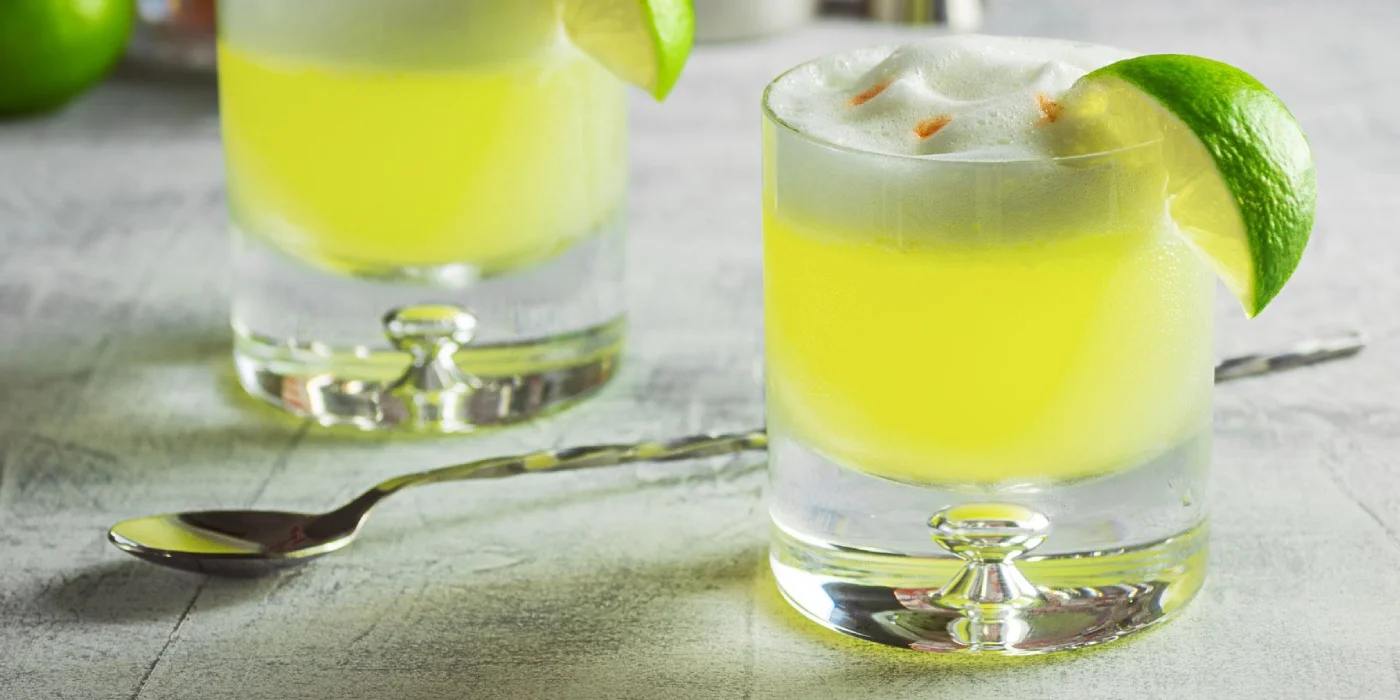
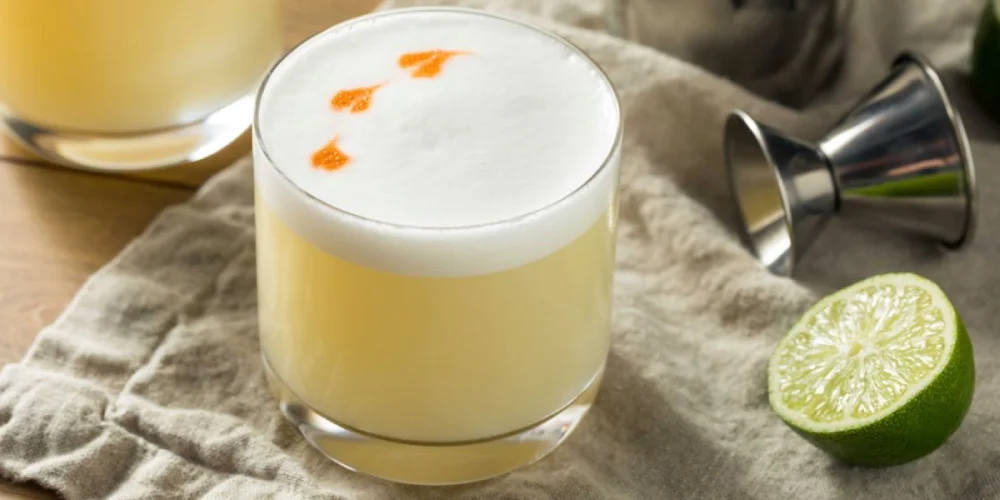
My first real taste of Peru came in Lima. Fresh ceviche, the ocean just a few blocks away, and a classic Pisco Sour served at the Gran Hotel Bolívar, the kind of place where history still feels present. The drink was balanced and restrained: citrus, pisco, a light foam on top.
Lima makes sense as a starting point. It’s the country’s gastronomic capital and the cultural gateway for most travelers. Pisco here isn’t just a cocktail base, it’s a symbol of national identity. Trying it first, in a traditional setting, sets the tone for everything that follows.
Paracas & Ica: Ocean Air, Desert Heat, and the Roots of Pisco
South from Lima, the landscape changes quickly.
In Paracas, mornings begin early. The Ballestas Islands rise from the ocean, birds circling overhead, sea lions resting along the rocks. After the boat ride, drinks are simple, fresh, cold, and refreshing. Nothing competes with the salt air.
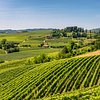
In Ica, the desert takes over. Huacachina feels surreal, an oasis surrounded by dunes. The heat changes your rhythm. Water matters. Shade matters. And later, when the sun drops, it’s time to understand pisco where it actually comes from.
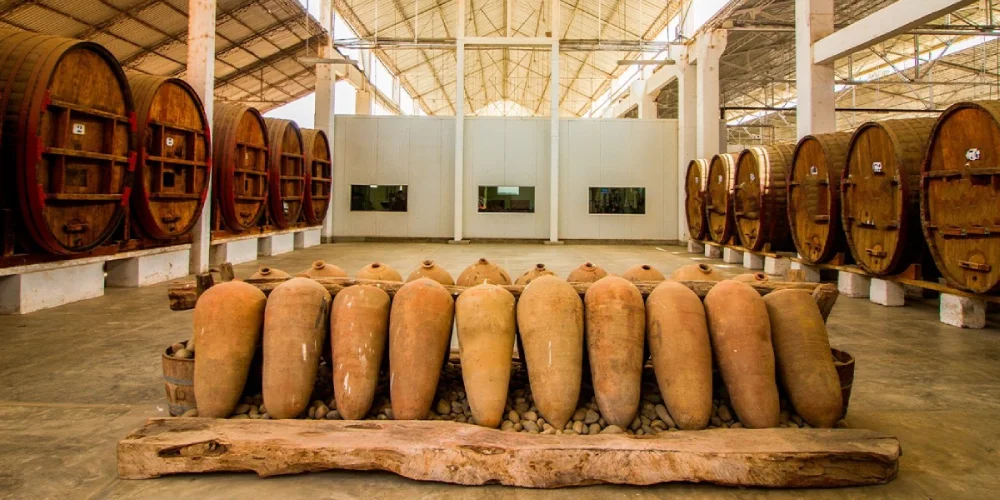
At local bodegas, tastings move slowly. You learn about grape varieties like Quebranta, Italia, and Torontel. You taste the difference climate makes. This is where pisco stops being a cocktail ingredient and becomes a product of place.
Arequipa: Tradition Served Casually
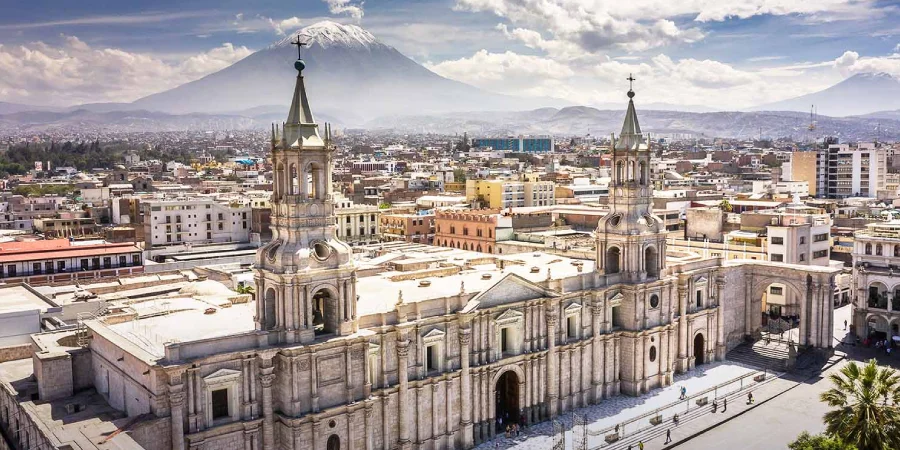
Arequipa feels grounded. The White City, framed by volcanoes, carries itself with confidence. Life here moves at a different pace, and so does drinking culture.
In Arequipa, I tried a piscola made with Kola Escocesa, a local soda with a deep red color and a flavor that’s impossible to confuse with anything else. It’s not refined. It’s not meant to be. And that’s what makes it interesting.
This isn’t a drink for ceremonies or tourists. It’s what people order without thinking. Sitting in a local spot, watching the city move around you, you start to understand how drinks fit into daily life: not as an attraction, but as habit.
Colca Canyon: When Drinks Serve a Purpose
From Arequipa, the road climbs. Colca Canyon is vast and quiet. Mornings are cold. The air is thin. Views stretch farther than you expect. Here, drinks stop being about flavor and start being about function.
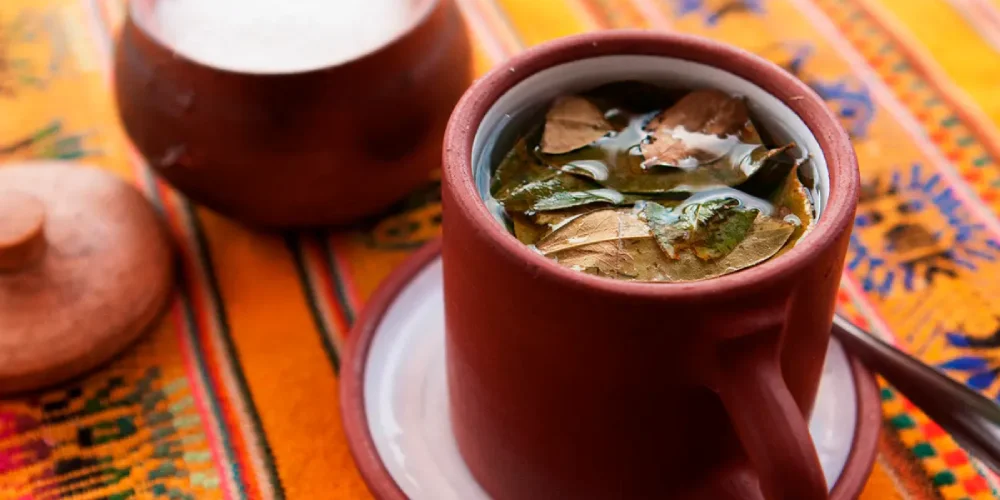
Warm herbal infusions are common. Coca tea appears naturally, offered without explanation as something practical. In the high Andes, what you drink helps you adapt. It’s part of survival, not indulgence.
Cusco: Chicha, History, and Living Culture
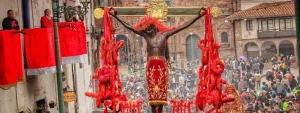
Arriving in Cusco feels like stepping into layers of history. Streets built on Inca foundations. Markets alive with color. Festivals that feel less like performances and more like continuity.
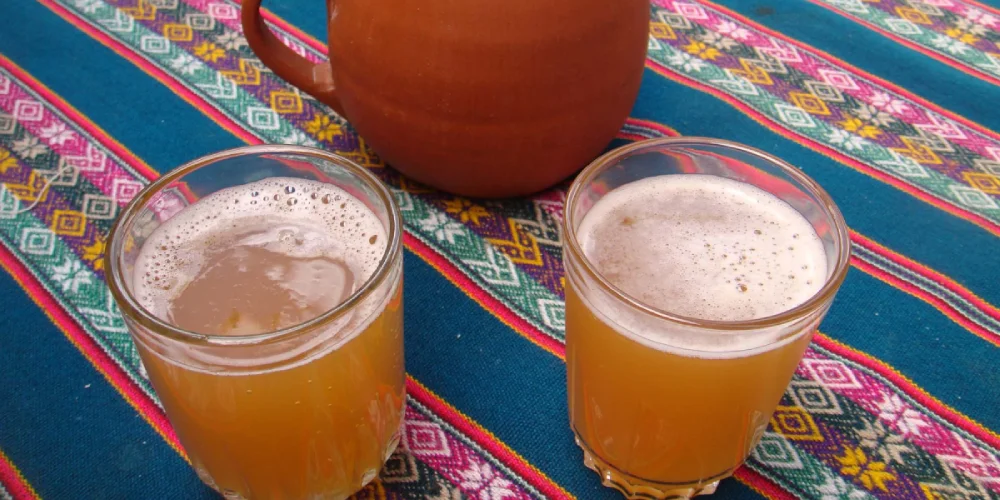
This is where I encountered chicha in all its forms:
- Chicha morada, sweet and refreshing
- Chicha de jora, fermented and deeply rooted in pre-Columbian tradition
Chicha is a drink rooted in traditions. It appears at celebrations, ceremonies, and everyday gatherings. Trying it in Cusco, you realize this isn’t something recreated for visitors. It’s still part of daily life.
Sacred Valley & Machu Picchu: Coffee from the Inca Jungle
As the journey continued into the Sacred Valley, the altitude dropped and the landscape softened. Green replaced stone. Rivers widened. The air changed.
Here, I discovered a side of Peru many travelers don’t expect: specialty coffee.
Coffee from the Inca Jungle carries complexity: bright acidity, floral notes, balance shaped by altitude and humidity. In small cafés and lodges, cups are brewed with care, often by people connected directly to the growers.
After days of history and hiking, these moments felt grounding. Quiet. Contemporary. Proof that Peruvian culture isn’t frozen in the past, it’s evolving.
What Drinking Across Peru Teaches You
Each drink made sense only where I tried it.
- Pisco on the coast
- Wine and spirits in the desert
- Simple infusions in the high Andes
- Chicha in the former Inca capital
- Coffee in the cloud forest
These weren’t items on a checklist. They were responses to environment, culture, and tradition.
How to Experience This Journey Yourself
You don’t need to chase every drink to understand Peru.
What matters is a route that allows these experiences to happen naturally. Without rushing, without backtracking, without forcing moments. When travel flows logically, culture reveals itself in small details: a glass, a cup, a shared table.
This is where thoughtful planning makes the difference between seeing Peru and feeling it.