For many travelers, Machu Picchu is the reason Peru first appears on the map. For others, it becomes the reason to come back.
If you’ve already walked through the stone gateways of the Lost City, you may be wondering what’s next. The truth is simple: Machu Picchu is not the conclusion of a Peru journey, but the introduction. Once the highlight is behind you, the country opens up in a very different way.
This guide is for travelers who want more depth, fewer crowds, and experiences that feel earned.
When Machu Picchu Is No Longer the Goal
The first trip to Peru is often about icons. The second is about understanding.
Repeat visitors tend to travel differently:
- They want space, not crowds
- Context, not just sights
- Landscapes that feel remote
- Culture that feels alive, not staged
This is where Peru truly shines.
1. Go Deeper into the Andes
Remote treks for travelers who want discovery
Beyond the classic routes lie some of the most powerful landscapes in South America, places that reward time, effort, and curiosity.
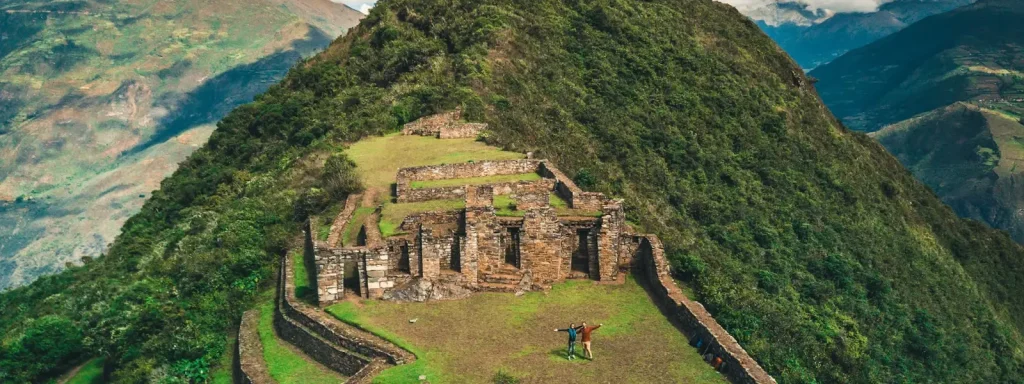
Choquequirao Trek
Often called Machu Picchu’s sister city, Choquequirao is larger, wilder, and far less visited. Reaching it on foot transforms the ruins into a true expedition experience. For experienced hikers, continuing from Choquequirao to Machu Picchu creates one of the most complete Andean journeys available.
Ausangate Trek
A high-altitude circuit dominated by glaciers, turquoise lakes, and vast open valleys. This trek is about raw nature and scale. Ideal for travelers who have already seen the Sacred Valley and want something more intense and immersive.
Lares Trek
A quieter, community-centered alternative. Hot springs, high passes, and villages where Quechua culture is still part of daily life. Perfect for travelers who value cultural connection over distance covered.
These routes aren’t about ticking boxes, they’re about earning access to Peru’s most remote corners.
2. Rediscover Cusco Through Living Culture
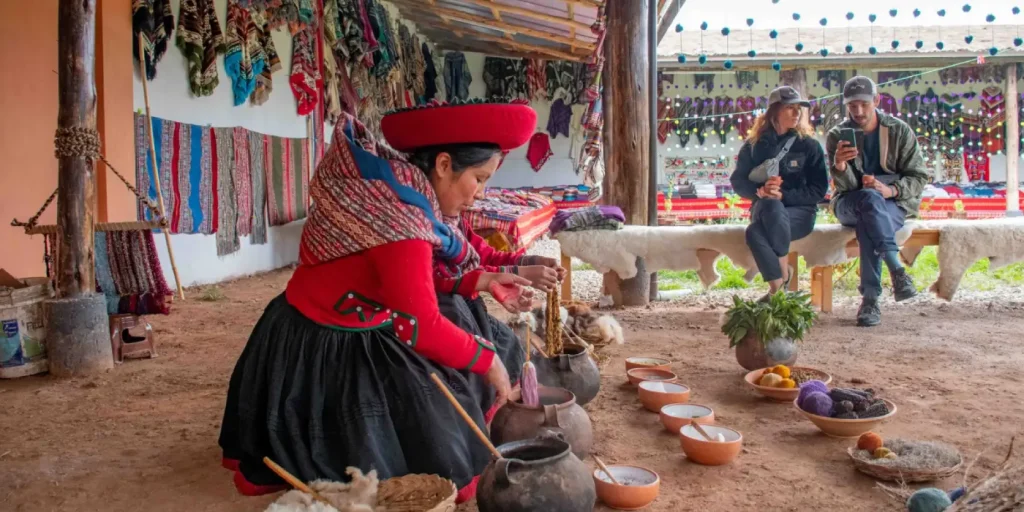
Cusco changes when you stop using it as a transit hub.
Instead of rushing through, repeat visitors often slow down and experience:
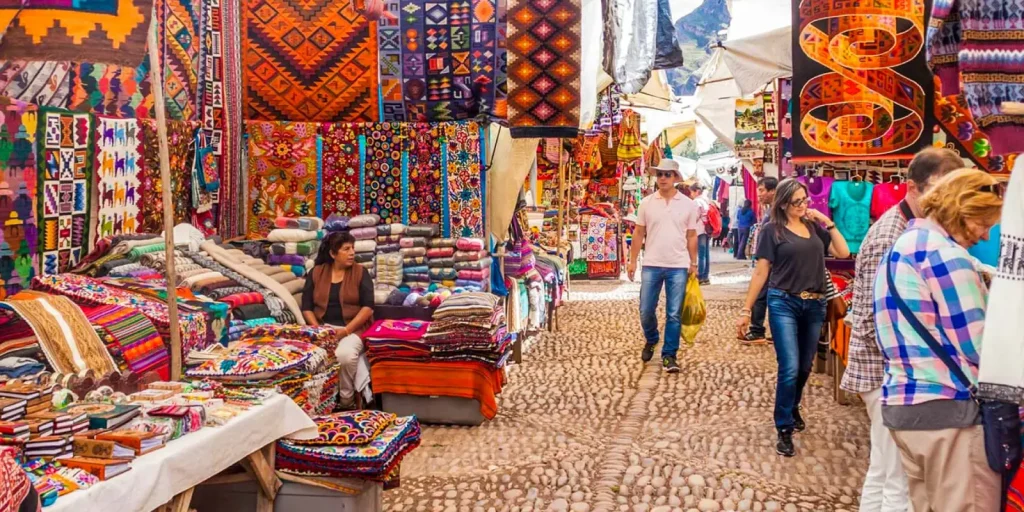
- Local markets beyond San Pedro
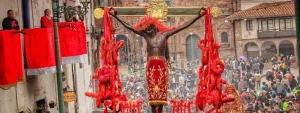
- Traditional festivals and parades
- Artisan workshops and neighborhood cafés
- Regional food traditions that go beyond tourist menus
Here, the city reveals itself not as a museum, but as a living Andean capital.
3. Add New Regions, Not More Ruins
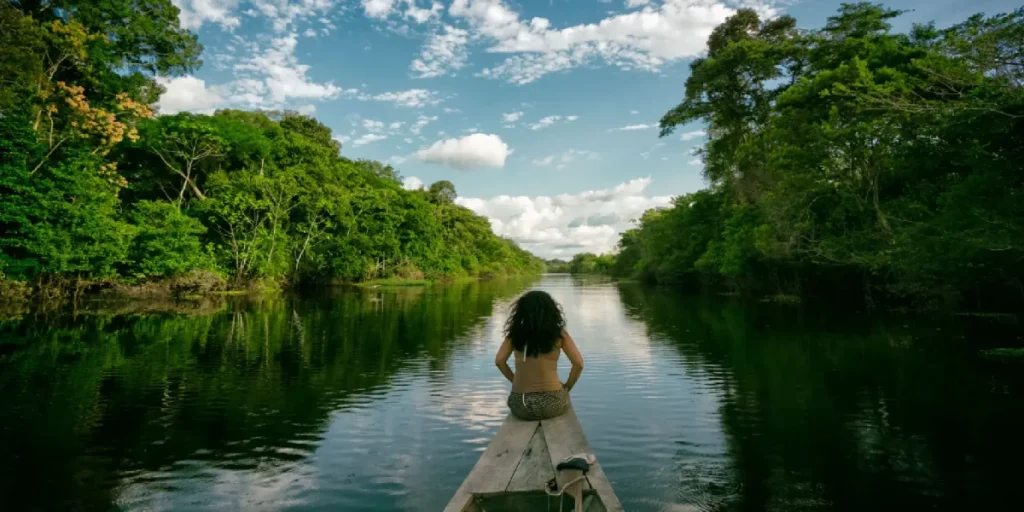
One of the smartest moves for repeat visitors is contrast.
The Amazon (Tambopata / Puerto Maldonado)
Wildlife, river travel, and jungle lodges add an entirely different rhythm to a Peru itinerary. It’s immersive, sensory, and deeply grounding.
Arequipa & Colca Canyon
Colonial architecture, volcanic landscapes, and one of the deepest canyons in the world. Condors soaring overhead replace crowds and queues.
Southern Coast: Paracas, Nazca & Ica
Desert landscapes, marine wildlife, wine and pisco culture. A coastal counterbalance to the Andes.
Each region expands your understanding of Peru far beyond its most famous site.
4. Travel Slower, But Smarter
Repeat travelers often realize that more time doesn’t mean more stops.
The real upgrade is:
- Fewer destinations
- Better pacing
- Thoughtful altitude sequencing
- Time built in for rest and exploration
This approach allows experiences to breathe, and prevents travel fatigue.
5. Upgrade How You Travel
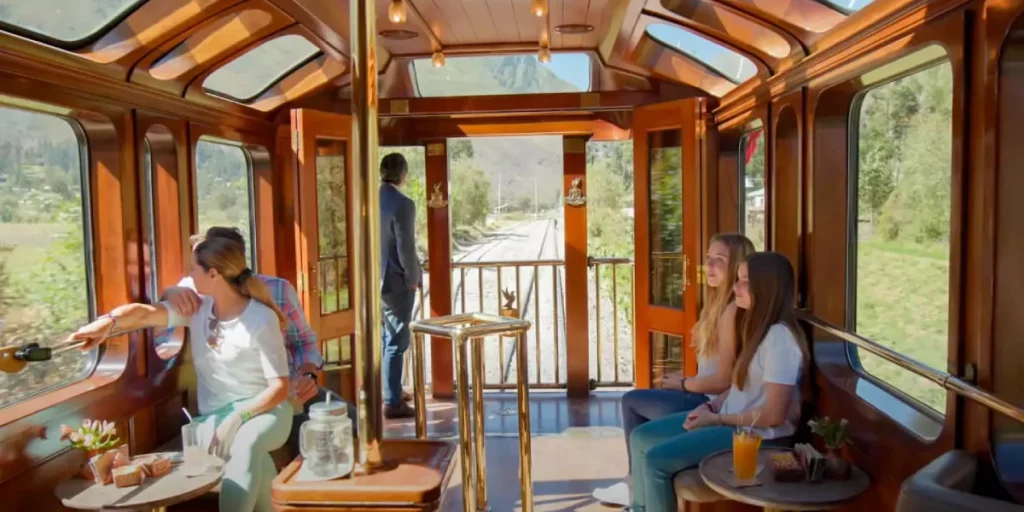
Second trips are often less about where you go and more about how you experience it.
Consider:
- Premium train journeys like the Hiram Bingham or Andean Explorer
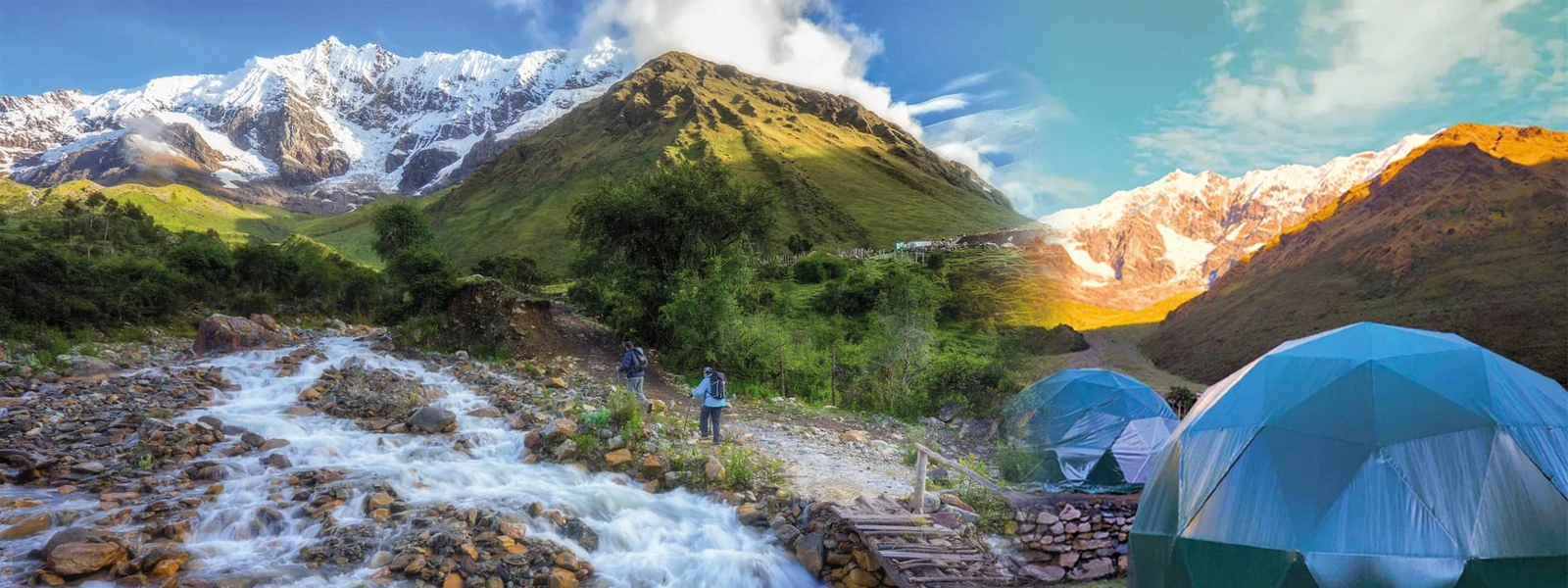
- Sky Domes on routes like Salkantay for front-row mountain views
- Boutique hotels and character lodges
- Specialized guides focused on culture, photography, or nature
Comfort doesn’t dilute adventure, it often enhances it.
6. Sample Itinerary Ideas for Repeat Visitors
These aren’t rigid plans, they’re inspiration frameworks:
- 7–9 Days: Cusco + Lares Trek + Sacred Valley
- 10–12 Days: Choquequirao Expedition
- 8–10 Days: Cusco + Amazon Lodge
- Luxury Slow Travel: Sacred Valley + Cusco + Arequipa
Each one works because it builds on what you’ve already seen, not beside it.
7. When Guided Travel Makes the Biggest Difference
After Machu Picchu, many of the most rewarding experiences are also the most logistically complex.
Guided travel becomes especially valuable for:
- Remote treks and high-altitude routes
- Multi-region itineraries
- Short trips with ambitious goals
- Access to cultural context and local insight
Why Peru Is a Country You Return To
Some destinations are one-time visits. Peru isn’t one of them.
Each return reveals a different layer: wilder landscapes, deeper culture, quieter moments. Machu Picchu may open the door, but it’s everything beyond it that turns a trip into a relationship.
If you’ve already seen the iconic site, your next journey deserves a different lens. One built around depth, intention, and experience.