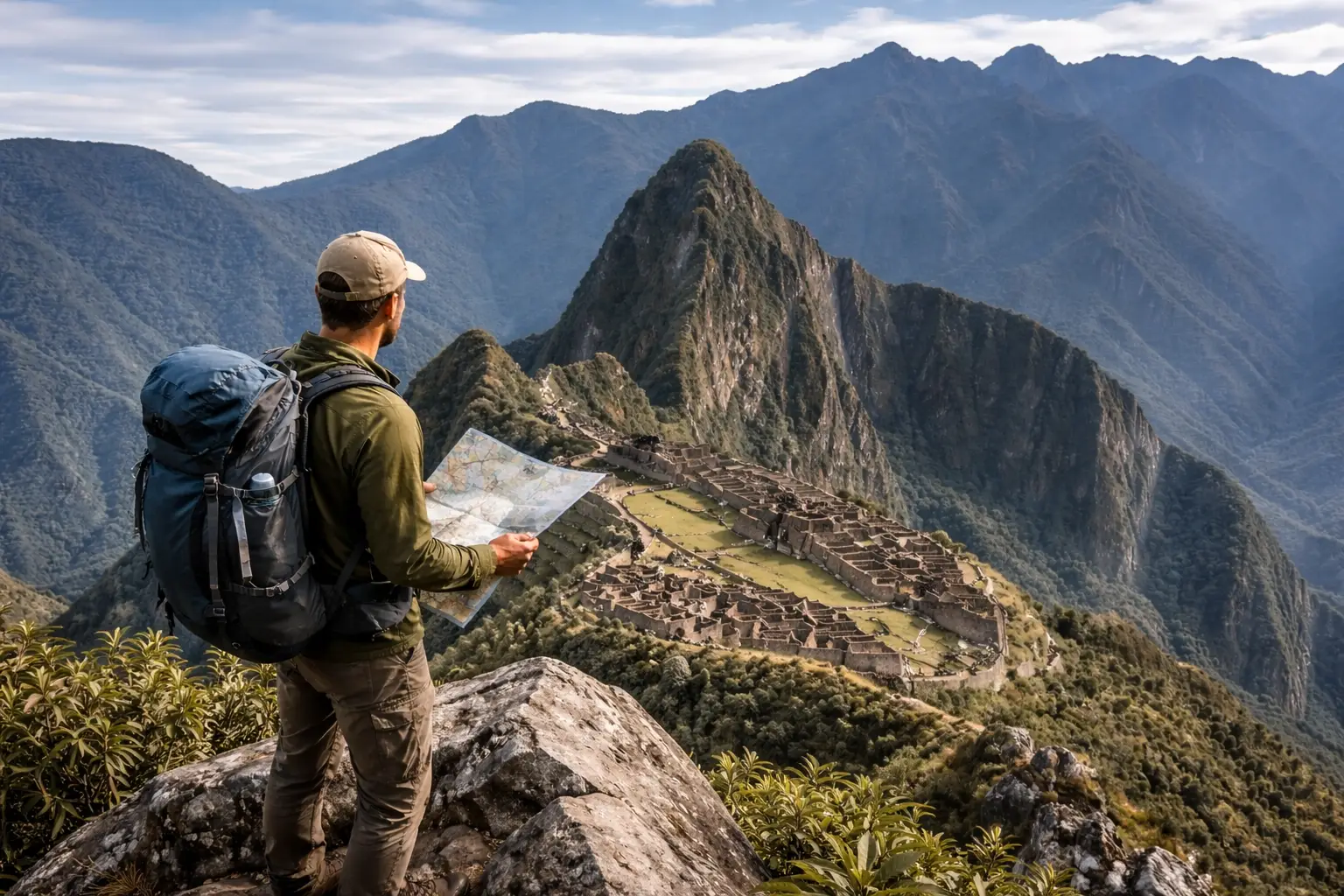
What many hikers don’t realize during their first trek is that the Inca Trail is only a small section of a vast system. The Andes are crossed by thousands of kilometers of ancient footpaths, routes that once connected cities, ceremonial sites, agricultural zones, and high-mountain passes. Machu Picchu was never isolated, it was part of a web.
When you start seeing the Andes this way, the landscape changes. Trails stop feeling like routes and start feeling like conversations between mountains, valleys, and people. This is where curiosity begins to pull you deeper.
What Changes When You Go Further into the Backcountry
Hikers who return to Peru often look for something different:
- Fewer people
- Longer days
- Less signage
- More silence
Backcountry routes demand more awareness and patience. Camps are quieter. Archaeological sites appear without warning, woven into the terrain rather than announced.
Places like Choquequirao, Huchuy Qosqo, or Llaqtapata resonate strongly with Inca Trail hikers not because they are “harder,” but because they feel more complete. They offer continuity, longer stories told through movement, not highlights.
This is where many hikers realize they’re no longer chasing destinations. They’re following landscapes.
Where Many Inca Trail Hikers Go Next
After the Inca Trail, most hikers aren’t looking for “another Machu Picchu trek.” They’re looking for a trail that feels like a step forward, not a repeat.
What resonates most are routes that:
- Spend more time above the tree line
- Feel less curated and more expansive
- Demand patience, endurance, and awareness
- Offer silence as much as scenery
These are some of the hikes that consistently speak to former Inca Trail hikers.
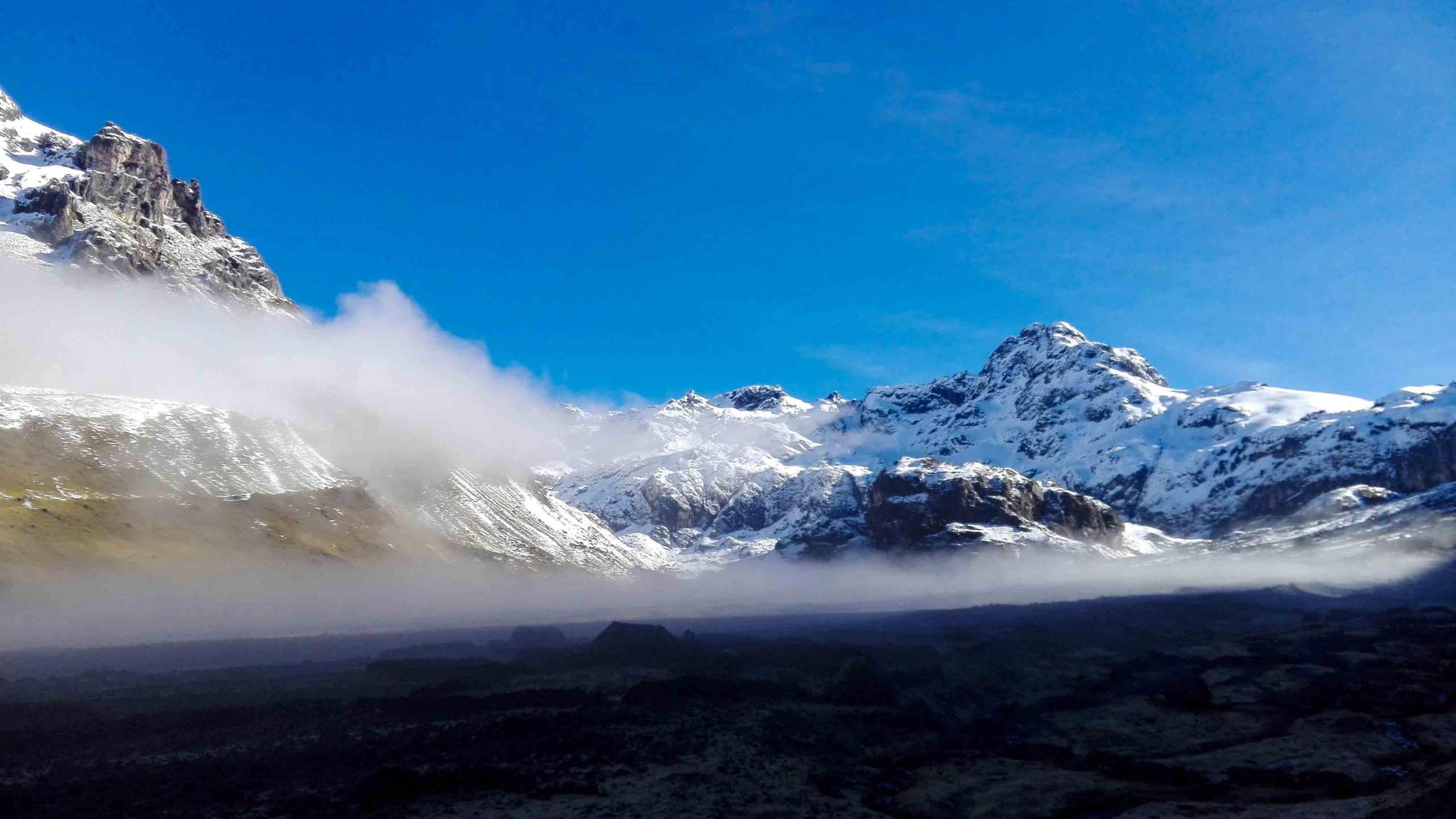
Salkantay Trek: A Bigger Landscape, a Slower Rhythm
For hikers returning to Peru, the Salkantay Trek often feels like a natural evolution.
The terrain opens up dramatically, featuring wide valleys, massive glaciers, long high-altitude passes. Days feel less structured and more expansive. There’s more weather, more exposure, more sense of scale.
For those who want to deepen the experience without sacrificing recovery, options like Sky Dome camps allow hikers to rest properly at altitude while still staying immersed in the mountains. Comfort here doesn’t replace effort, it supports it.
Salkantay appeals to hikers who want Peru to feel larger the second time.
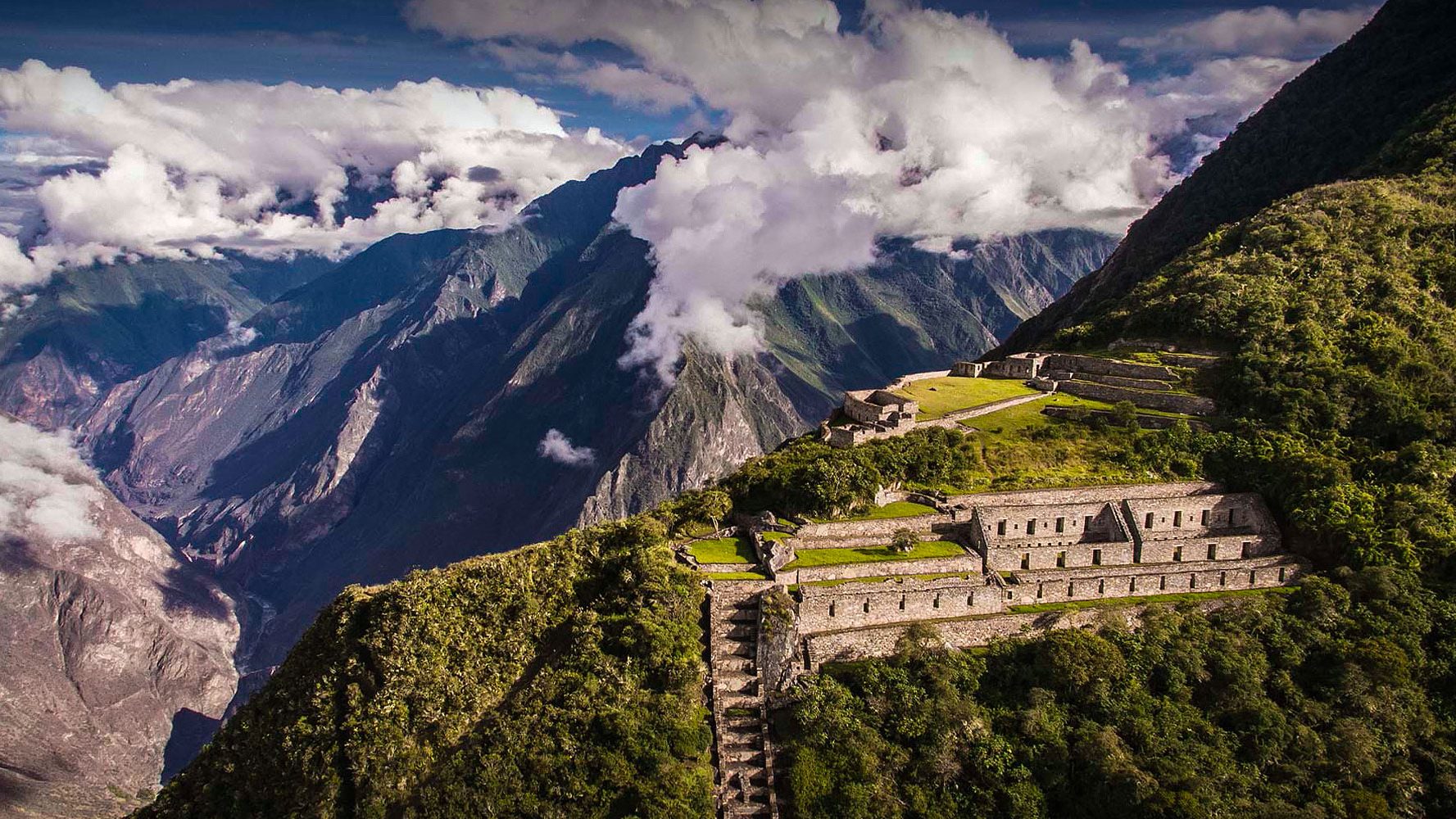
Choquequirao: When the Trail Becomes the Journey
Choquequirao speaks directly to Inca Trail hikers who value effort over recognition.
There’s no final gate, no crowds waiting at the end. Reaching the site requires commitment, due to the long days, steep descents, and sustained focus. What you gain in return is space, silence, and the rare feeling of arriving somewhere that still feels undiscovered.
For many hikers, Choquequirao is the moment Peru stops feeling iconic and starts feeling personal. The trail itself becomes the main experience, not just the destination.
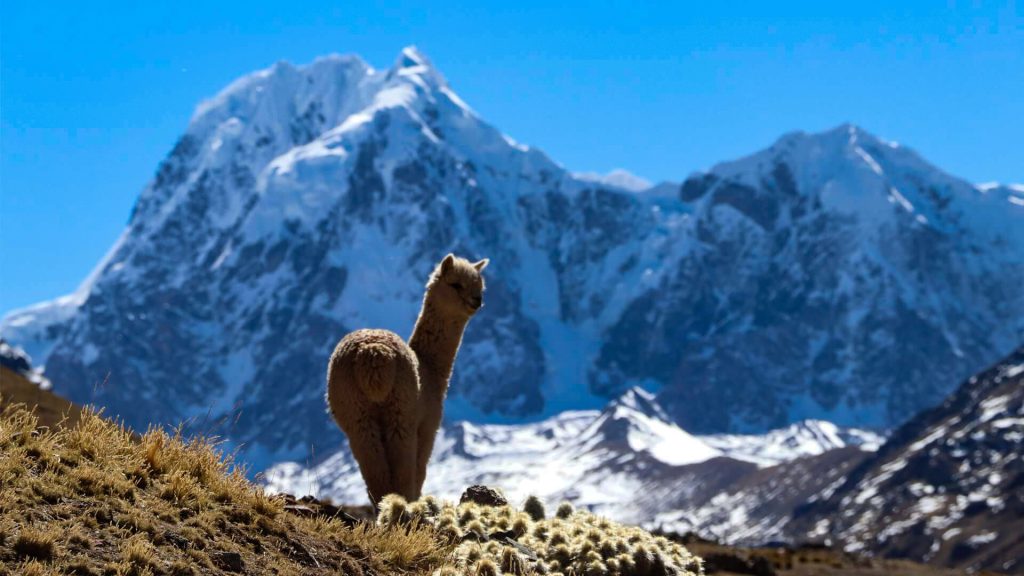
Ausangate Trek: High Altitude, High Commitment
If the Inca Trail introduced you to altitude, Ausangate fully immerses you in it.
This is a trek defined by exposure to wide plateaus, glacial peaks, long days above 4,500 meters. The rhythm is slower, the environment more demanding, and the connection to living Andean culture more immediate.
Ausangate resonates with hikers who want fewer archaeological explanations and more raw mountain presence. It is a trek where endurance, weather, and landscape take center stage.
Why These Trails Call People Back
What these hikes share isn’t popularity or difficulty.
They offer:
- Continuity with what hikers loved about the Inca Trail
- More time inside the mountains
- Less mediation, more self-reliance
- A sense of progression rather than repetition
For many, they answer the question that lingers after the first trek:
What does this feeling become if I follow it further?
When Hiking Isn’t Enough, But the Andes Still Are
For some hikers, going deeper doesn’t always mean going longer.
After the Inca Trail, many travelers realize it wasn’t only walking they loved, it was the way movement connected them to the Andes. That opens the door to other forms of active exploration that keep the same spirit intact.
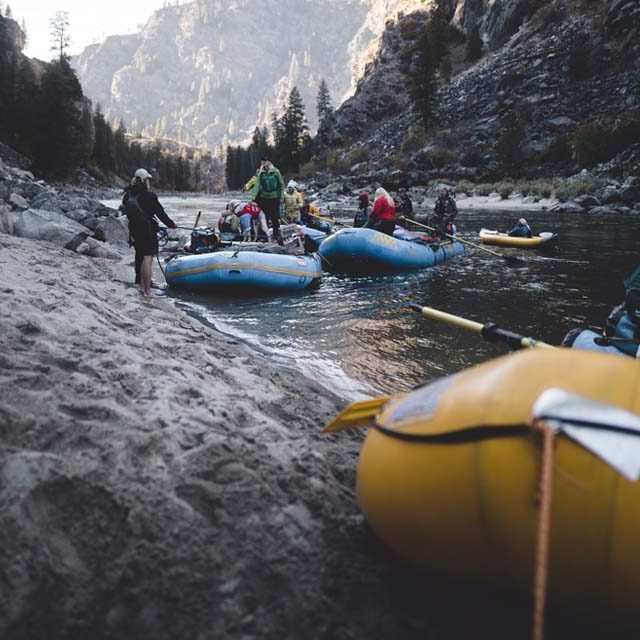
Whitewater Rafting in the Andes
Rafting appeals to hikers for familiar reasons. You’re still reading terrain, responding to natural forces, and moving through remote spaces that roads rarely reach.
Instead of elevation lines, you read water. Instead of pacing climbs, you manage flow and rhythm.
Canyon rivers offer a different perspective on the Andes, lower, narrower, and more immediate. While preserving the same sense of immersion and effort that hikers value.
E-Mountain Biking as Range, Not Shortcuts
For experienced hikers, e-mountain biking isn’t about making things easy. It’s about range.
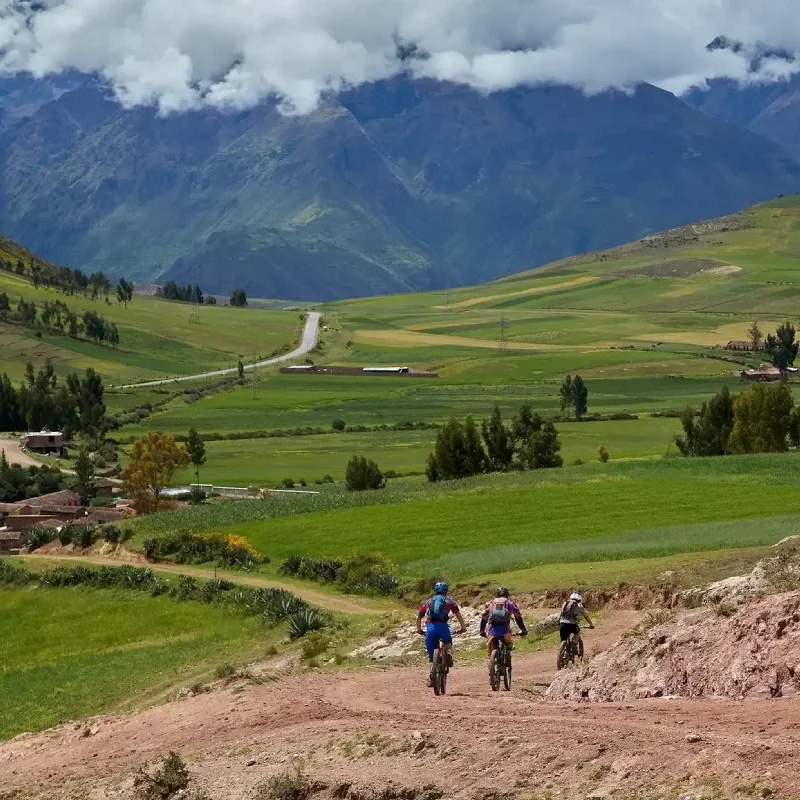
It allows you to link high passes, remote valleys, and long segments of ancient road in a single day, by staying active, engaged, and fully present, especially at altitude. The physical input is still there; the reward is expanded access rather than reduced effort.
For many Inca Trail hikers, biking becomes another way to stay inside the landscape without repeating the same format.
Beyond Trails: Context That Deepens the Walk
What often makes second-time experiences richer isn’t just where you go, it’s what you understand.
Learning about:
- The Apus, the mountain spirits that still shape Andean worldview
- The logic behind Inca trail placement
- How modern communities continue to use ancient paths
These elements don’t turn the experience academic. They give meaning to the effort. Trails stop being routes and start being expressions of culture, belief, and survival.
For hikers, this context adds weight to every step.
Choosing the Next Step Thoughtfully
Travelers who return to Peru after hiking to Machu Picchu often look for operators who understand this progression.
Companies like 69 Explorer design experiences for people who already respect effort and terrain. Whether that means deeper backcountry treks, whitewater expeditions, or long-distance mountain biking routes that prioritize access over comfort.
The goal isn’t to do more. It’s to go further in the way that matters to you.
The Andes Are Still There
If you’ve walked to Machu Picchu, you know the feeling. The Andes don’t end at the Sun Gate. They get quieter. Wilder. More personal. And for many hikers, that’s exactly the invitation that stays with them long after the trail ends.