Most people think booking the Inca Trail is about speed finding permits before they sell out. In reality, most regrets come from something else entirely: choosing the wrong version of the trek for the way you travel.
The Inca Trail is limited, regulated, and highly structured by design. That makes planning essential not just to secure availability, but to make sure the experience actually fits you. This guide walks you through the process step by step, helping you move from research to confident booking.
Step 1: Decide When to Go — Availability Is Not the Same as Timing
Yes, the Inca Trail has limited permits. But the best time to hike isn’t simply the first date you can find.
Key trade-offs to consider:
- Dry season offers clearer weather, but heavier crowds
- Shoulder months balance conditions and trail density
- Flexibility often matters more than choosing a “perfect” month
The right date aligns with your tolerance for crowds, weather variability, and pace, not just permit availability.
Step 2: Choose the Right Inca Trail Version
Not all Inca Trail treks deliver the same rhythm or depth.
The two main options offer very different experiences:
- Classic 4-Day Inca Trail
A gradual immersion with longer days, deeper context, and a strong sense of progression toward Machu Picchu. - Short 2-Day Inca Trail
A condensed version with less hiking but more time pressure. Efficient, but not necessarily easier.
The key question isn’t duration — it’s how much time you want to spend earning the arrival.
Step 3: Group Size — Who You Walk With Shapes the Experience
Group size quietly influences almost everything on the trail.
- Larger groups tend to move slower and feel more social
- Smaller groups offer flexibility, pacing control, and quieter camps
You’re not just booking a trek. You’re joining a temporary trail community, and that dynamic matters more than most people expect.
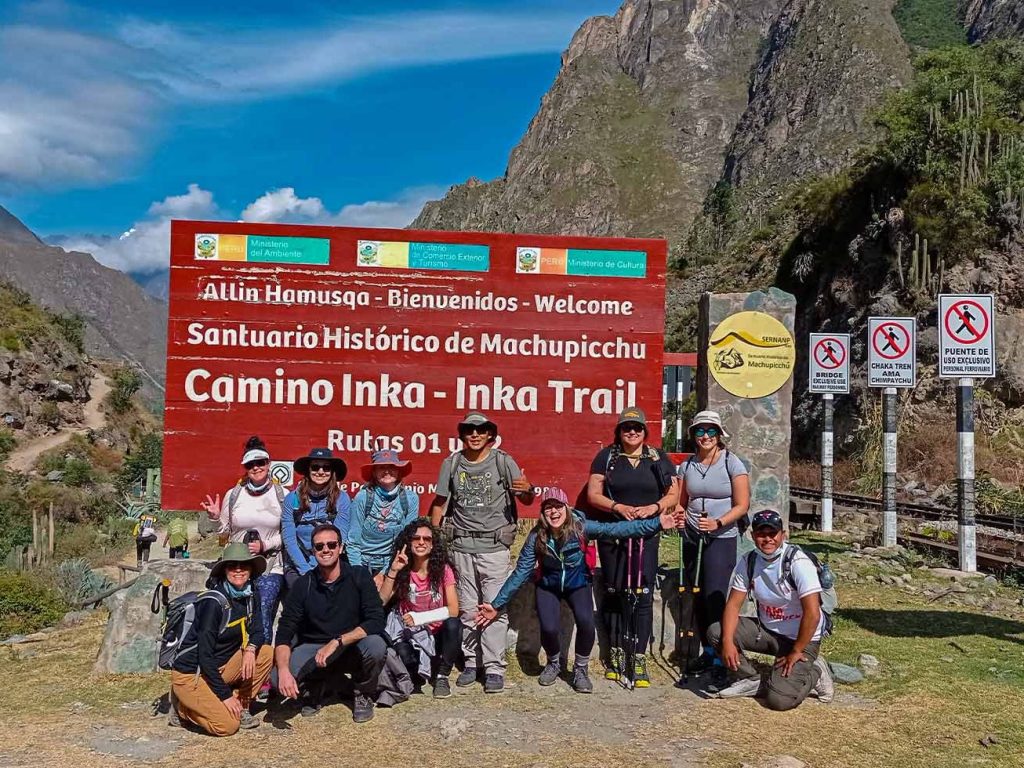
Step 4: Comfort Level — From Classic Camping to Glamping
“Inca Trail camping” covers a wide spectrum. Some trekkers want simplicity: tents, basic facilities, and the raw trail experience. Others value better meals, more space, and added comfort after long hiking days.
Options range from:
- Standard camping (functional and immersive)
- Upgraded services (better food, equipment, logistics)
- Luxury or glamping-style treks, where comfort becomes part of the experience
The right choice depends on what helps you recover, not on what looks impressive on paper.
Step 5: Choosing the Right Company (Where the Experience Really Changes)
The route is the same. The experience isn’t. Guides, food, porters, logistics, pacing, and group management all depend on the operator. This is where planning turns into commitment.
Below is a clear comparison, not a ranking, each company excels in a different travel style.
Inca Trail Tour Companies Comparison
| Company | Best For | Group Style | Comfort Level | What Makes Them Stand Out |
| 69 Explorer | Adventure-focused travelers | Small groups | Standard to upgraded | Experience-first approach, strong guiding, authentic pacing |
| Apple Travel | Balanced travelers | Small to mid-size | Standard | Reliable logistics, good value, clear and organized itineraries |
| Sam Travel | Comfort & luxury seekers | Small groups | Luxury / Glamping | High-end glamping, premium meals, personalized service |
Step 6: How Far in Advance Should You Book?
Permits are released in limited numbers, and popular months fill quickly.
General planning guidance:
- High season dates often require several months of advance booking
- Shoulder seasons allow more flexibility, but still benefit from early planning
- Booking early isn’t about panic, it’s about choice
The earlier you plan, the more control you keep over dates, group size, and comfort level.
Step 7: Machu Picchu Circuits — What Happens After the Trail Ends
Finishing the Inca Trail doesn’t mean unlimited access to Machu Picchu.
Entry is regulated by circuits, each offering different routes and viewpoints inside the citadel. Your assigned circuit affects:
- Flow through the site
- Photo opportunities
- Time spent in key areas
- Usually circuits 1b and 3b are included with your tour.
This is often overlooked, but it’s an essential part of planning the full experience, not just the hike.
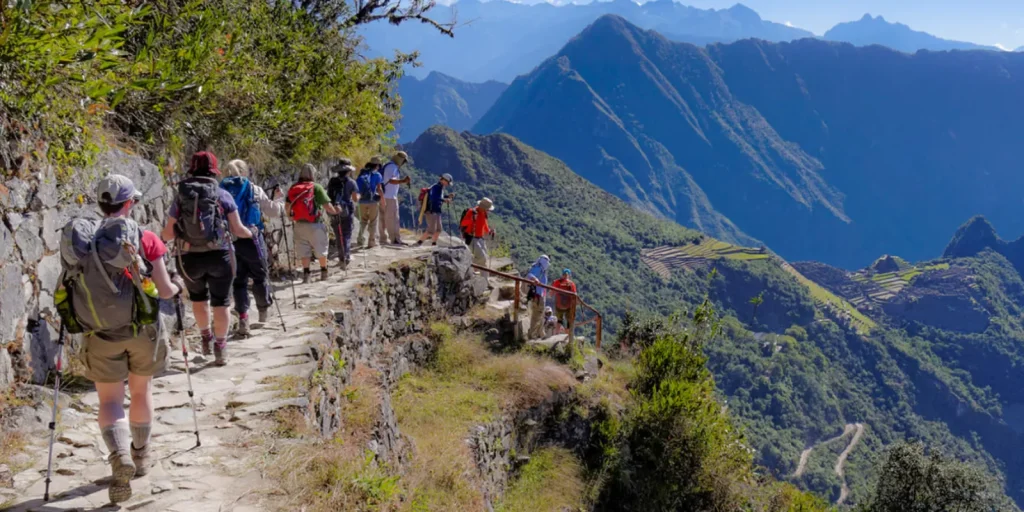
Putting It All Together: A Simple Decision Path
- Want depth and immersion → 4-day trek, smaller group
- Short on time → 2-day trek, efficient pacing
- Value comfort → upgraded or glamping service
- Prefer authenticity → experience-driven operators
When each choice supports the next, booking feels calm instead of rushed.
Plan With Intention, Not Panic
The Inca Trail is limited by design. That limitation is part of what makes it meaningful. The best experiences don’t come from grabbing the first available permit. They come from aligning timing, trail version, group style, and operator into a plan that feels right from the start.
When that happens, booking isn’t stressful, it’s simply the next step.