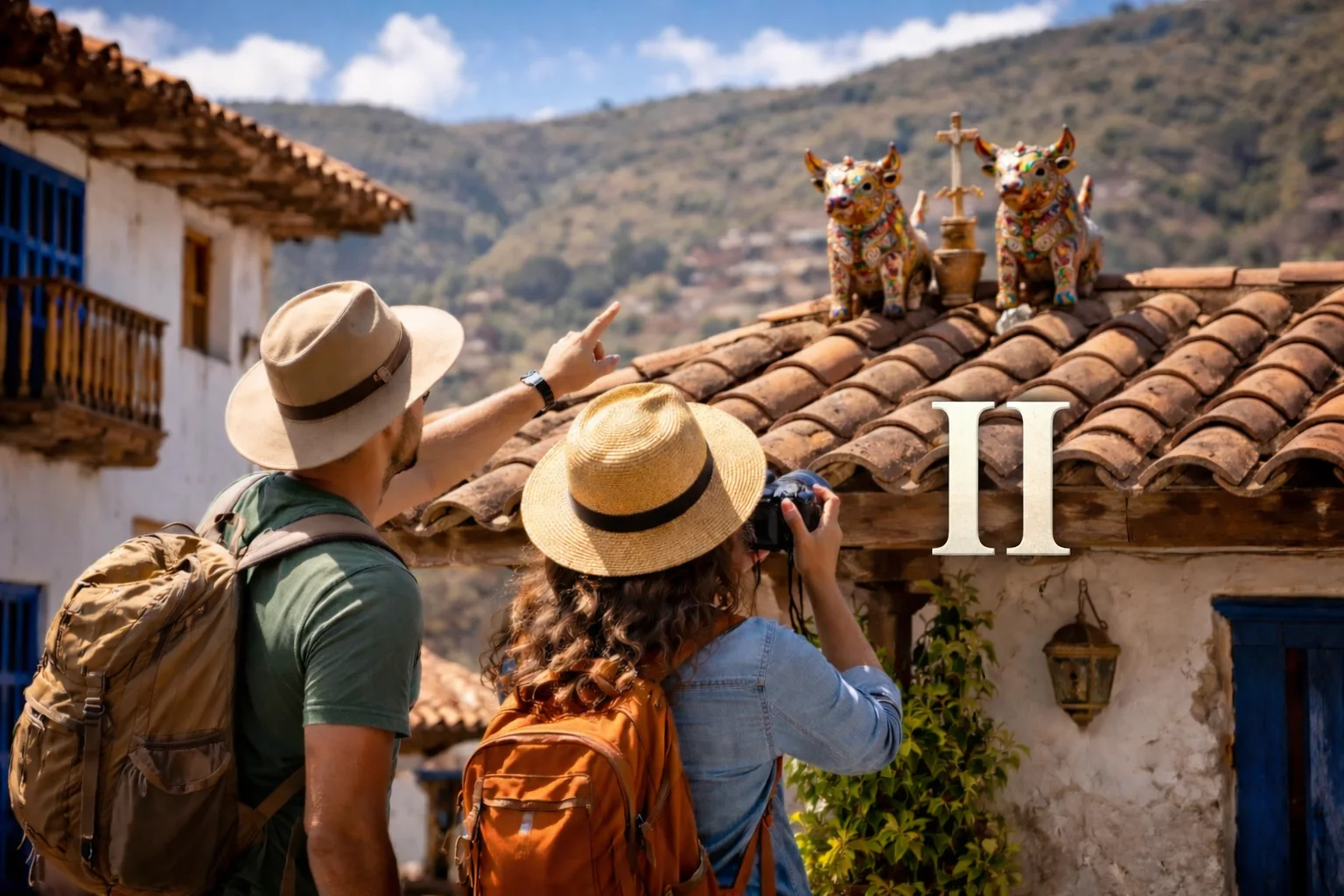
Peru rewards travelers who slow down. Beyond landmarks and viewpoints, there’s another layer of the journey, one that reveals itself only if you pay attention. Symbols tucked into walls. Ritual objects glimpsed briefly. Plants and images that carry centuries of meaning, quietly coexisting with daily life.
This is Part 2 of our Spotting Peru visual challenge, a continuation of the idea that Cusco and the Sacred Valley aren’t just places to visit, but places to read.
No maps. No fixed route. Just your curiosity.
How This Visual Challenge Works
This isn’t a scavenger hunt, and it’s not about checking boxes. Some of these things you’ll spot instantly. Others might take days. A few may only appear if you ask the right question, or talk to the right person, or look twice instead of once.
You don’t need to find everything. You just need to start noticing. Think of this list as an invitation to observe Peru the way locals do: quietly, attentively, and with respect.
The Things to Spot
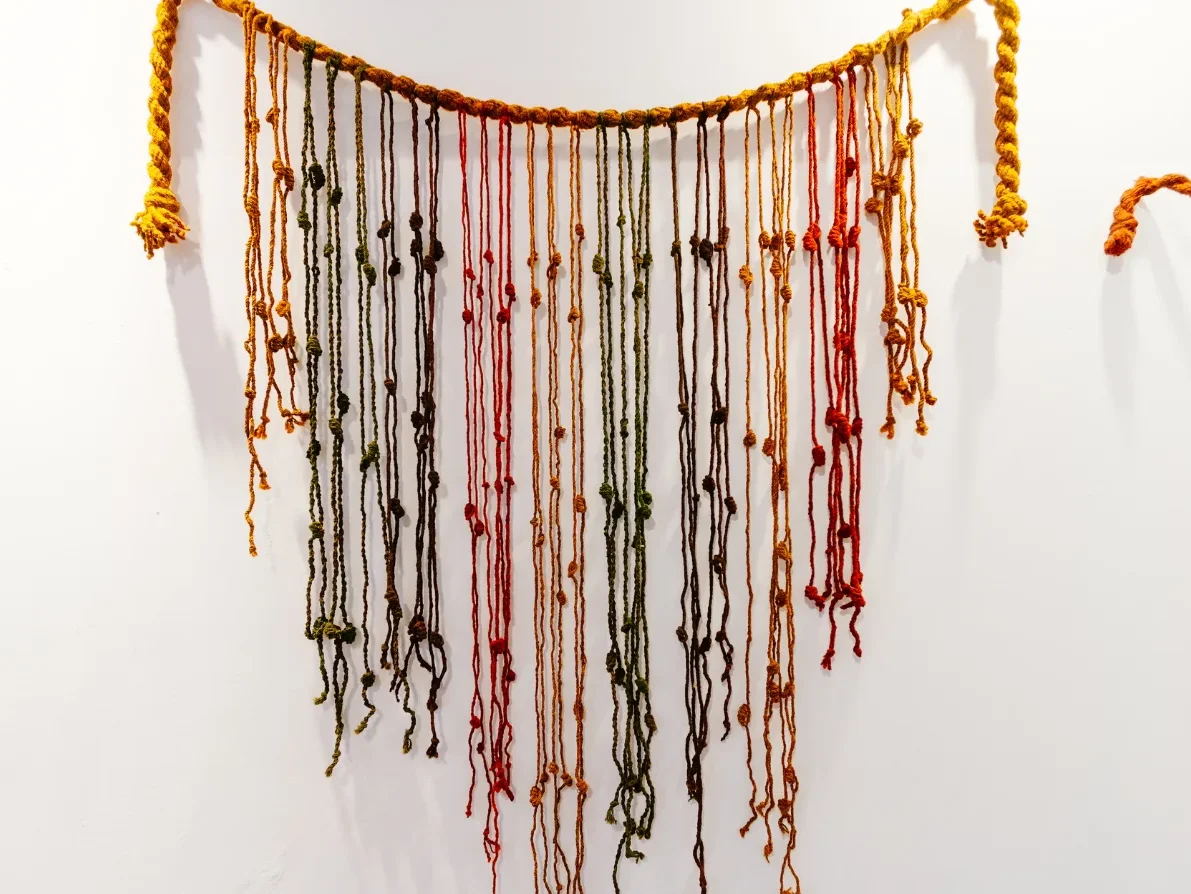
1. Khipu Fragments
The Andean Language Without Writing
What you’re looking for:
Knotted cords made of natural fibers, sometimes displayed in museums or cultural spaces, sometimes referenced in Andean storytelling.
Why it matters:
Before writing systems arrived in the Andes, information was recorded through khipus. Knots, colors, spacing, all carried meaning. These were tools for memory, organization, and communication across an empire.
Why it’s easy to miss:
They don’t look impressive at first glance. Without explanation, they appear simple, and that’s exactly why they’re overlooked.
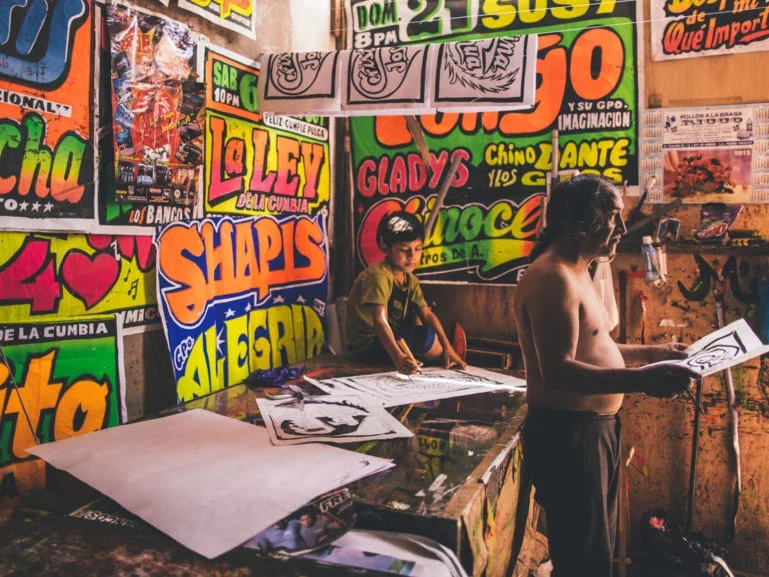
2. Chicha Art in Unexpected Places
When the Andes Goes Neon
What you’re looking for:
Bright, fluorescent posters or murals with bold lettering, often advertising concerts or events.
Why it matters:
Chicha art is a modern Andean visual language. Born from migration, music, and urban life, it blends ancestral identity with contemporary expression. It’s loud, confident, and unmistakably local.
Why it’s easy to miss:
Most travelers see advertising. Very few see cultural continuity.
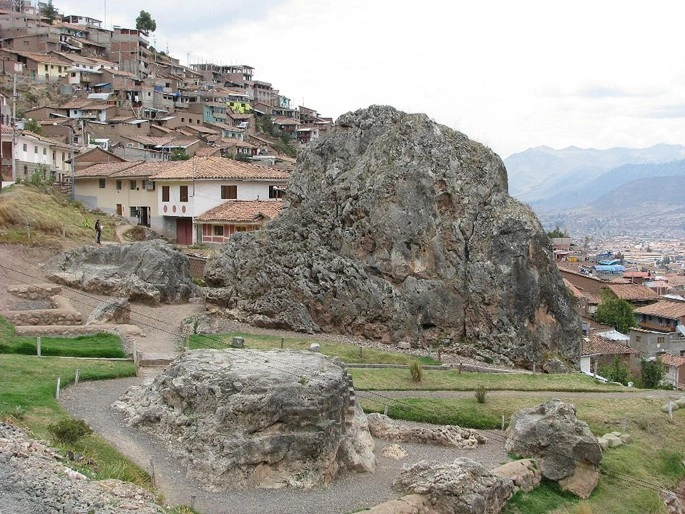
3. Huacas Hidden in Plain Sight
Sacred Places Without Signposts
What you’re looking for:
Small shrines, stones, platforms, or mounds integrated into towns, roadsides, or fields.
Why it matters:
Huacas are sacred places. They are not relics of the past, but living points of connection between people and the land. In the Andean worldview, mountains, stones, and earth are active participants in life.
Why it’s easy to miss:
They aren’t labeled. There’s no fence. No explanation. You have to notice or ask.
4. Huaconada Masks
Faces of Authority and Order
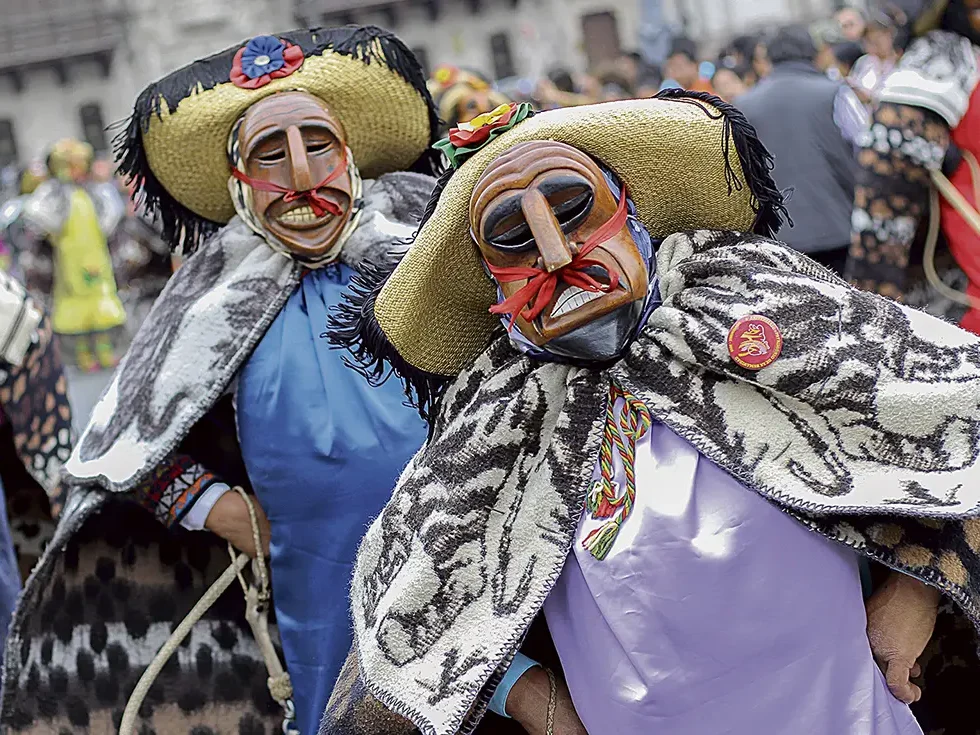
What you’re looking for:
Wooden masks with strong, imposing features, associated with ritual dances in the highlands.
Why it matters:
The Huaconada represents moral authority and social responsibility. These masks aren’t decorative, they symbolize leadership, discipline, and communal order passed down through generations.
Why it’s easy to miss:
Outside of festivals or cultural collections, their meaning is rarely explained.
5. The Chakana (Andean Cross)
A Map of the Universe
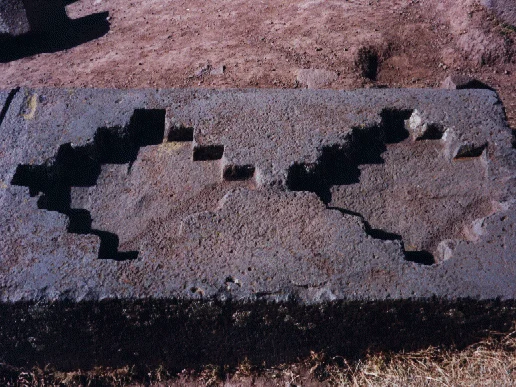
What you’re looking for:
Stepped, geometric cross shapes carved in stone, woven into textiles, or embedded in everyday objects.
Why it matters:
The chakana represents the Andean understanding of existence, the balance between different worlds and forces. It’s philosophy expressed visually, not decoration.
Why it’s easy to miss:
Many travelers assume all crosses are colonial or religious, without noticing form or proportion.
6. The Ukuku (Bear-Man) Figure
Guardian of the Sacred Mountains
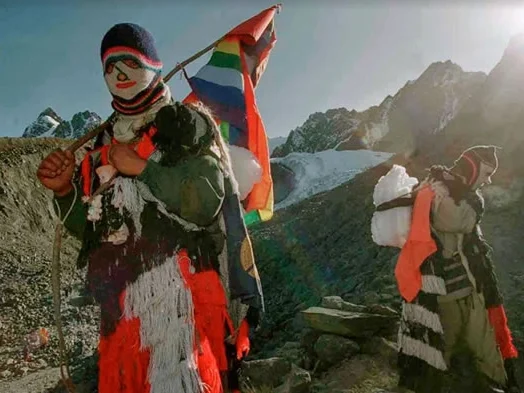
What you’re looking for:
Images or representations of a half-human, half-bear figure in masks, paintings, or festival imagery.
Why it matters:
The Ukuku is a mediator between humans and the mountains, between the visible and the sacred. He represents responsibility, discipline, and respect for powerful natural spaces.
Why it’s easy to miss:
Without context, he looks like folklore. With context, he becomes something else entirely.
7. San Pedro Cactus (Huachuma)
The Plant That Opens Vision
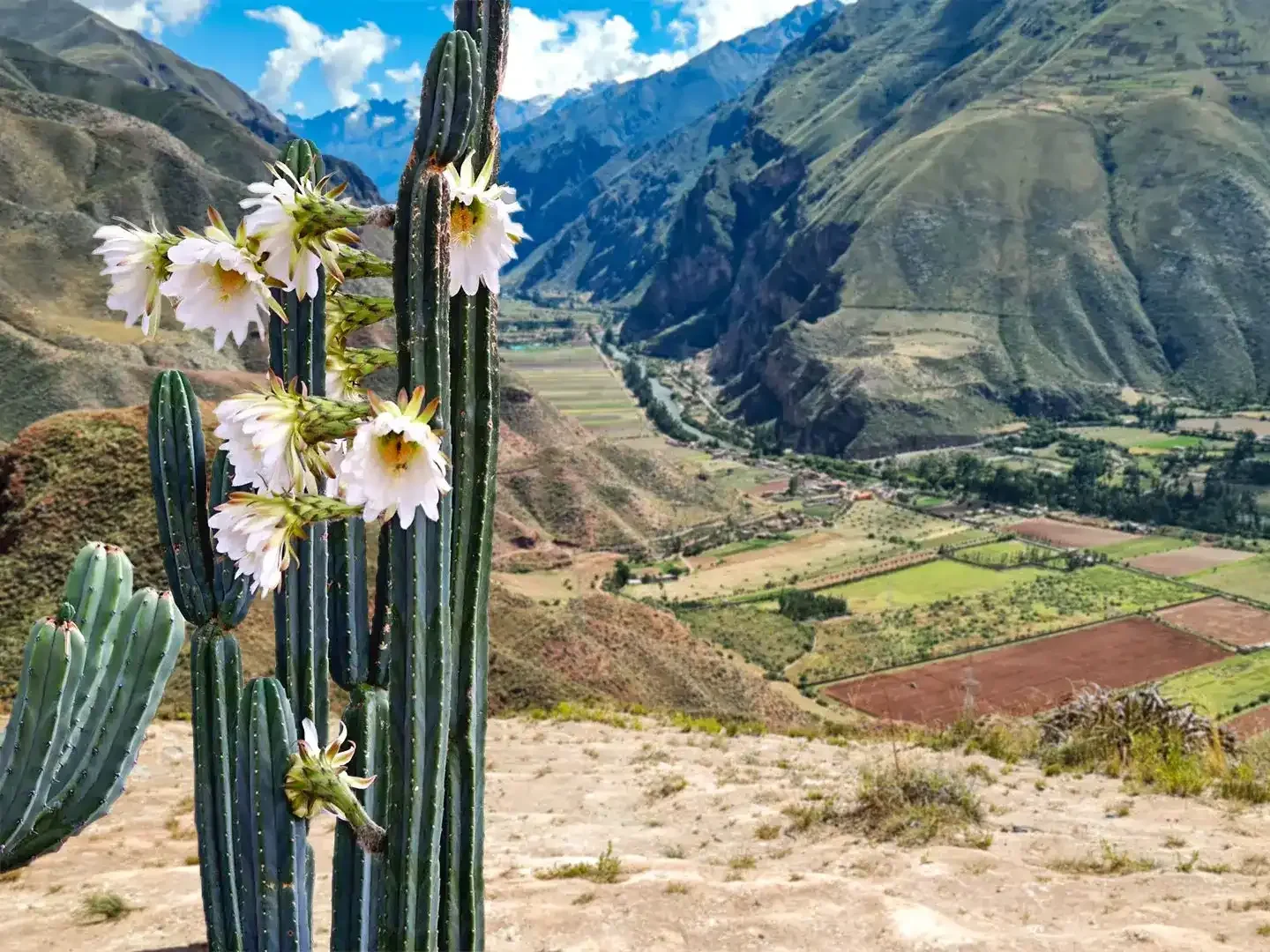
What you’re looking for:
Tall, ribbed cacti growing in gardens, fields, or near traditional homes in the highlands.
Why it matters:
Known as Huachuma, San Pedro has been used for thousands of years in Andean spiritual and healing traditions. It represents insight, connection, and dialogue with the natural world.
Why it’s easy to miss:
It looks ordinary unless you know what you’re seeing.
Can You Spot Them All?
Use this chart as a visual reference during your journey. Some boxes may stay unchecked, and that’s perfectly fine.
| What to Spot | ✔ | Where You’ll Likely Find It | Why It Matters |
|---|---|---|---|
| Khipu fragments | ☐ | Museums, cultural centers, interpretive spaces | Evidence of a sophisticated Andean system of memory and record-keeping |
| Chicha art posters or murals | ☐ | Streets, markets, neighborhood walls | A modern Andean visual language rooted in migration and identity |
| A hidden huaca | ☐ | Towns, roadsides, agricultural fields | Living sacred spaces that connect people to the land |
| A Huaconada mask | ☐ | Festivals, cultural displays, artisan collections | Symbols of authority, responsibility, and social order |
| A chakana symbol | ☐ | Textiles, stone carvings, everyday decor | A visual expression of Andean cosmology and balance |
| The Ukuku figure | ☐ | Ritual imagery, festival iconography | A guardian and mediator between humans and the sacred mountains |
| San Pedro cactus (Huachuma) | ☐ | Gardens, highland landscapes, rural homes | A plant central to Andean spiritual and healing traditions |
Learning to See Peru Differently
Cusco and the Sacred Valley reveal themselves slowly. The more you look, the more you realize that meaning here isn’t always announced, it’s embedded. In symbols, in plants, and in rituals that continue quietly, generation after generation.
This challenge isn’t about spotting everything. It’s about learning how to look.