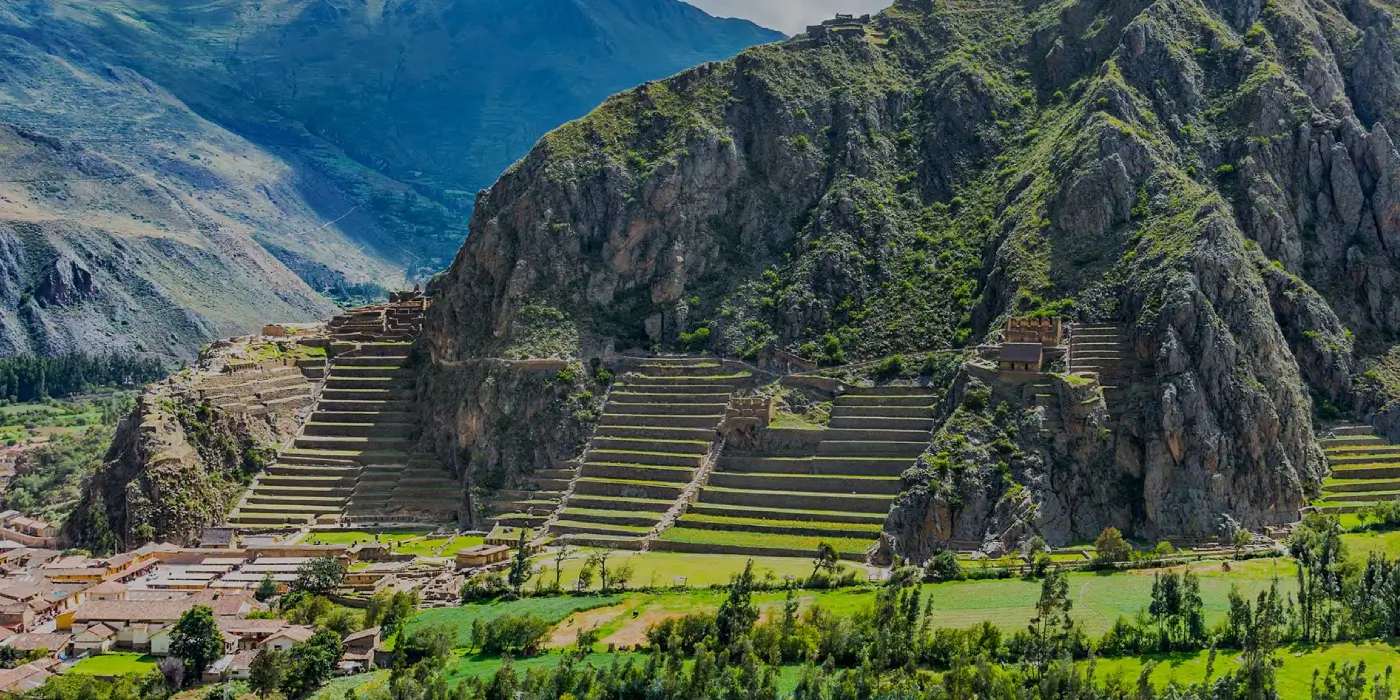
Ollantaytambo is a town that feels suspended in time. Nestled in the heart of the Sacred Valley along the Urubamba River, it is both a gateway to Machu Picchu and a living Inca town, where ancient streets, terraces, and traditions remain intact. For travelers, it offers a rare combination: history, culture, adventure, and modern comfort all in one place.
Whether you’re arriving to begin a trek, taking the train to Machu Picchu, or staying to explore the Sacred Valley, knowing the town’s highlights, hidden gems, and nearby adventures will turn your visit into a full, unforgettable experience.
Town Overview
Location & Setting
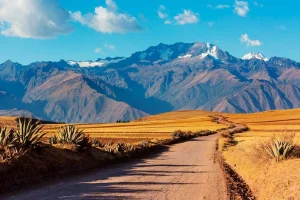
Ollantaytambo sits in a narrow valley, surrounded by steep, terraced hills. Its strategic location made it a critical site for the Incas, guarding access to the Sacred Valley and connecting agricultural terraces, rivers, and mountain trails. From almost anywhere in town, you see the imposing fortress above, a constant reminder of its historic importance.
History
Ollantaytambo was one of the few places where the Incas successfully resisted Spanish forces during the conquest. It served as a military, ceremonial, and agricultural hub. Today, the town itself is a living heritage site: locals continue traditional farming on terraces, while the original streets, plazas, and stone foundations are still in use.
Population & Vibe
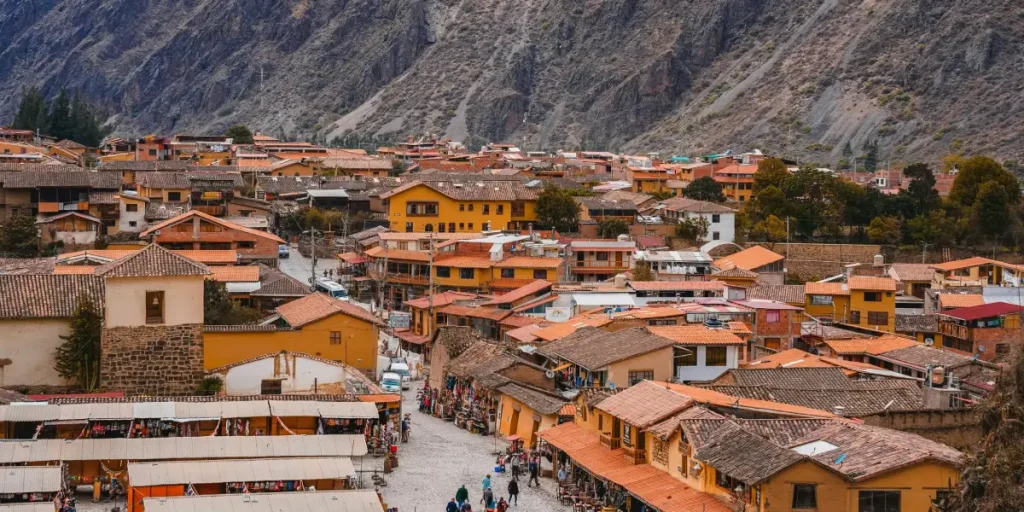
Home to approximately 10,000 residents, Ollantaytambo blends everyday life with tourism. Markets bustle with vendors selling textiles and handicrafts, street dogs wander alongside tourists, and the scent of roasted corn, coffee, and local cuisine fills the air. The town’s charm lies in its authenticity, giving visitors a window into the past without feeling like a museum.
Ollantaytambo Archaeological Complex
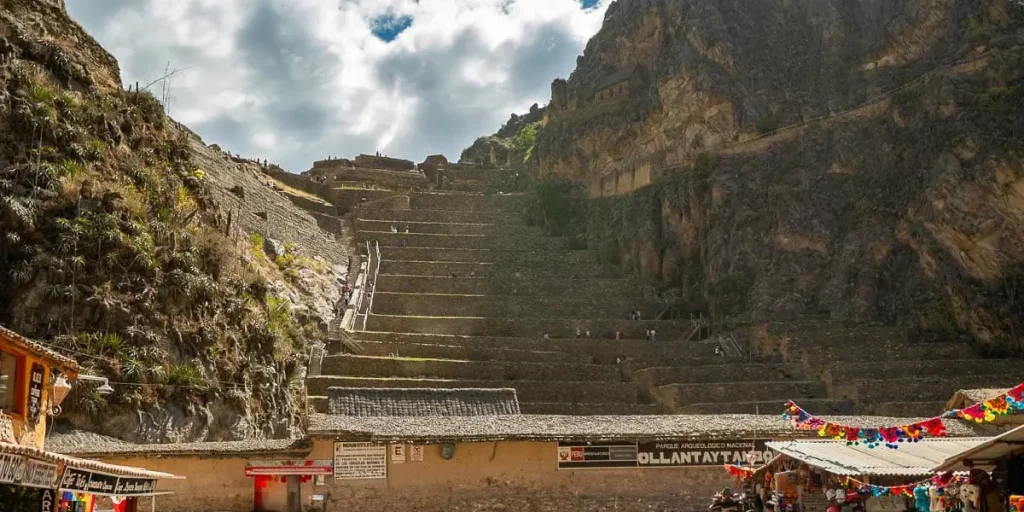
The fortress and terraces above the town are the main reason travelers linger here. This complex is one of the most complete examples of Inca military and urban planning.
What You’ll See
- Terraced Hillsides: Ingenious agricultural terraces that stabilized the slopes and maximized food production.
- Sun Temple (Torreón): A massive stone structure thought to serve ceremonial and astronomical purposes.
- Fortress Walls: Enormous precisely cut stones stacked without mortar, creating defense walls that have stood for centuries.
- Observation Points: Panoramic views of the Sacred Valley and town below, perfect for photography and reflection.
Fun Facts & Curiosities
- Stones were transported from quarries over 4 km away using ancient techniques.
- The complex served simultaneously as a military stronghold, ceremonial site, and administrative center.
- Ollantaytambo’s streets retain their original Inca layout, making it one of the few living Inca towns in the world.
Why Visit
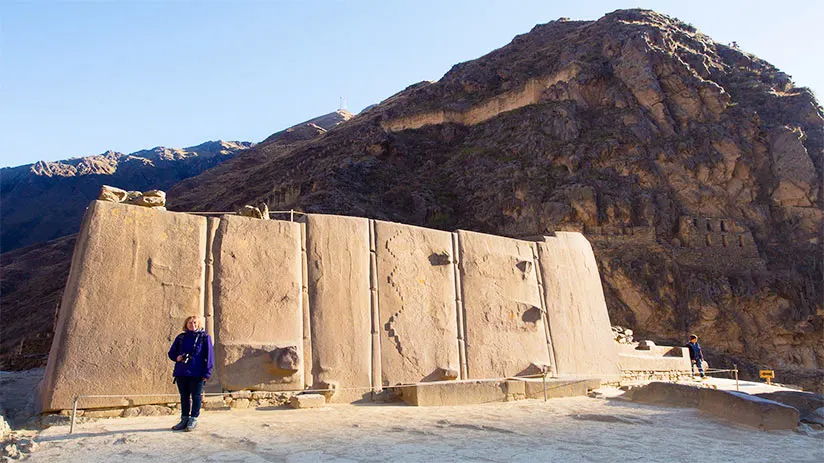
This is a must-see for history enthusiasts, photographers, and anyone wanting a hands-on connection to Inca ingenuity. It’s both visually impressive and culturally enlightening.
Activities in Town
Even if the archaeological complex is your main reason for visiting, Ollantaytambo offers a wealth of activities to fill your day:
- Markets: Stroll through vibrant markets selling woven textiles, handmade crafts, and souvenirs.
- Restaurants & Cafés: Enjoy local cuisine like trout, alpaca, or roasted corn, or try international options for lighter meals.
- Outdoor Adventures: Short hikes lead to viewpoints overlooking terraces, rivers, and surrounding peaks. The most popular one is the hike to the Inti Punku.
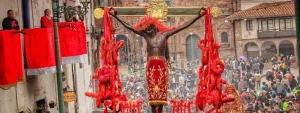
- Cultural Spots: Small museums, workshops, and occasional local festivals showcase traditional Sacred Valley culture.
Nearby Activities
Ollantaytambo is also a perfect base for exploring the surrounding Sacred Valley:
- Pisac: Famous for its expansive ruins and market, just an hour’s drive away.
- Moray: Circular Inca agricultural terraces, an engineering marvel, about 45 minutes away.
- Maras Salt Mines: Thousands of terraced salt pans descending a hillside, 30–40 minutes drive.
- Urubamba River Adventures: White-water rafting, zip-lining, or riverside walks offer excitement beyond the ruins.
- Treks: The classic Inca Trail and alternative treks often begin from Ollantaytambo, making it a hub for adventure travelers.
Accommodation
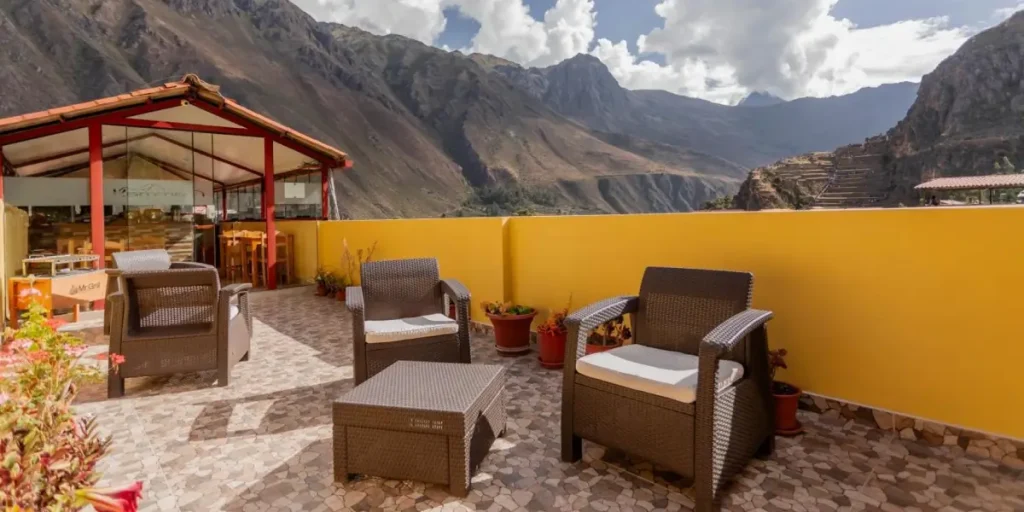
Ollantaytambo accommodates a range of travelers:
- Budget: Hostels and guesthouses, ideal for hikers or backpackers.
- Mid-range: Comfortable hotels with terraces or river views.
- Boutique/Luxury: Lodges offering comfort, local charm, curated experiences, and sometimes early Machu Picchu transport… Our most recommended hotel is Andenes del Inca Hotel.
Pro Tip: Staying overnight allows you to experience the fortress and town at dawn or dusk, when light and atmosphere are unmatched.
Getting In and Out
By Train
Ollantaytambo is the main train station for Machu Picchu:
- Trains depart to Aguas Calientes (Machu Picchu Pueblo) multiple times a day.
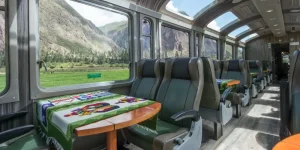
- Options range from standard and expedition trains to luxury services like Hiram Bingham, which offer gourmet meals and panoramic windows.
By Road
- Buses and taxis connect Ollantaytambo to Cusco and other Sacred Valley towns.
- The journey offers stunning valley views, winding past rivers and terraces.
Why Stay in Ollantaytambo
- Strategic base for Machu Picchu and Sacred Valley exploration
- Cultural immersion in a living Inca town
- Access to treks and adventure routes starting directly from town
- Opportunity to enjoy the town’s markets, food, and authentic vibe without rushing
Final Tips
- Timing: Morning visits to the fortress are quieter; late afternoon offers incredible sunset photography.
- Duration: 1–2 nights recommended to fully explore town, fortress, and nearby activities.
- Packing: Comfortable shoes, rain gear, water, and a daypack for short hikes.
- Tours: Guided experiences enhance understanding of Inca history, architecture, and the Sacred Valley context.
Ollantaytambo is more than a stop on the way to Machu Picchu, it’s a destination in its own right, offering history, culture, adventure, and breathtaking views all in one small town. Stay, explore, and immerse yourself fully in the living legacy of the Incas.