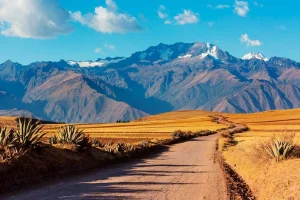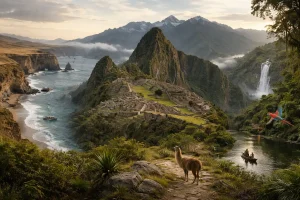
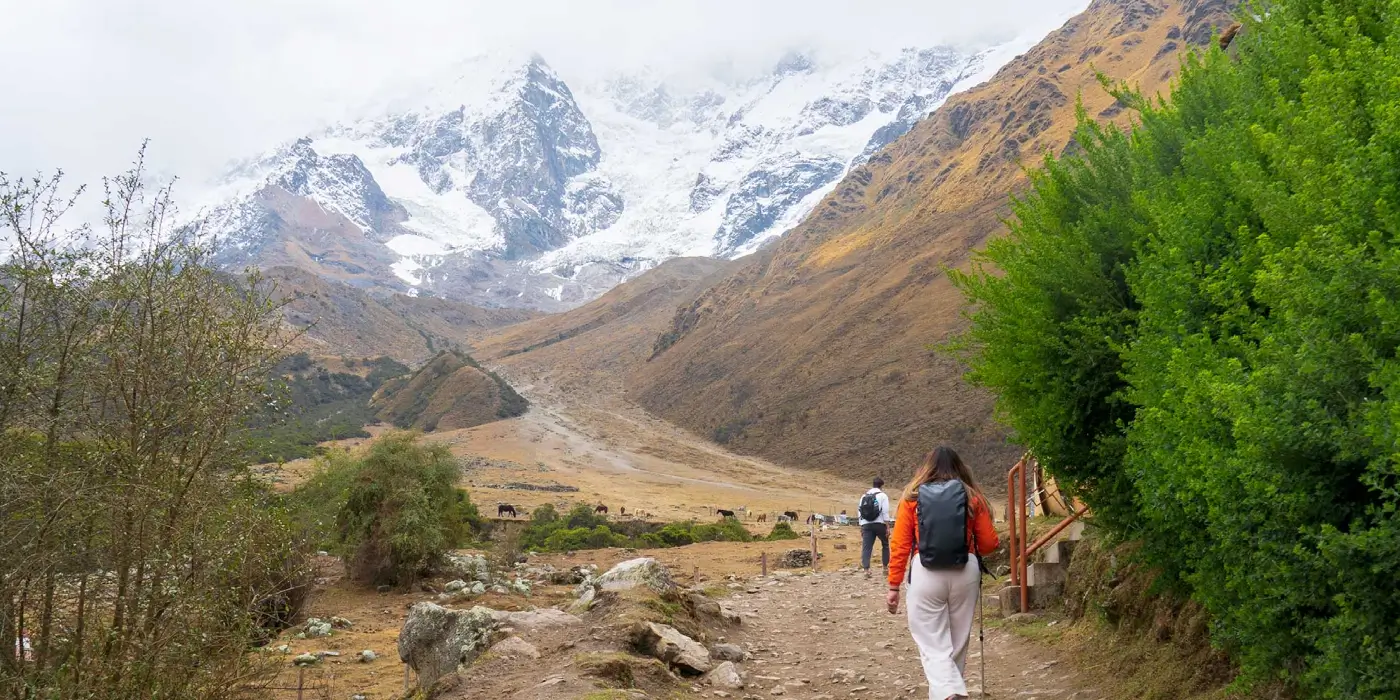
The Salkantay Trek is a journey through some of the most breathtaking landscapes in the Andes. Towering snow-capped peaks, rushing rivers, cloud forests, and remote villages make it one of the most unforgettable treks in Peru. Unlike the Inca Trail, it offers flexibility in length, difficulty, and style, making it perfect for adventure seekers, nature lovers, cultural explorers, or those simply looking to combine hiking with comfort.
With options ranging from 3 to 5 days, guided or solo trekking, and the innovative Sky Domes, there’s a Salkantay adventure for everyone. This guide will help you pick the trek that suits your time, fitness, and personal travel style.
1. Who Are You as a Trekker?
Understanding your priorities will help you choose the best experience:
- Adventure Seeker: You crave high-altitude challenges, long hiking days, and rugged terrain.
- Nature Lover: You want to capture landscapes, spot wildlife, and immerse yourself in diverse ecosystems.
- Comfort Traveler: You love adventure but also want cozy accommodations, hot meals, and unique lodging like Sky Domes.
- Cultural Explorer: You are fascinated by local villages, Andean traditions, and interacting with communities along the way.
Tip: Many trekkers are a mix of these types, you don’t have to fit into a single category.
2. Trek Length Comparison
Salkantay offers multiple itineraries to match your available time and stamina:
| Trek Length | Highlights | Difficulty | Sky Dome Nights | Best For |
| 5-Day | Full trek over Salkantay Pass (4,650m), cloud forest, Humantay Lake, Machu Picchu arrival | High | 2–3 nights optional | Adventure seekers, nature lovers |
| 4-Day | Condensed trek over pass, cloud forest, Soraypampa, Machu Picchu | Moderate | 1–2 nights optional | Most travelers, comfort seekers |
| 3-Day | Fast-paced trek with high pass, direct arrival to Machu Picchu | Moderate to High | Optional single night | Limited time travelers |
Each trek offers stunning scenery and cultural immersion, but the longer itineraries allow more time for photography, acclimatization, and exploring local villages.
3. Guided vs Solo Hiking
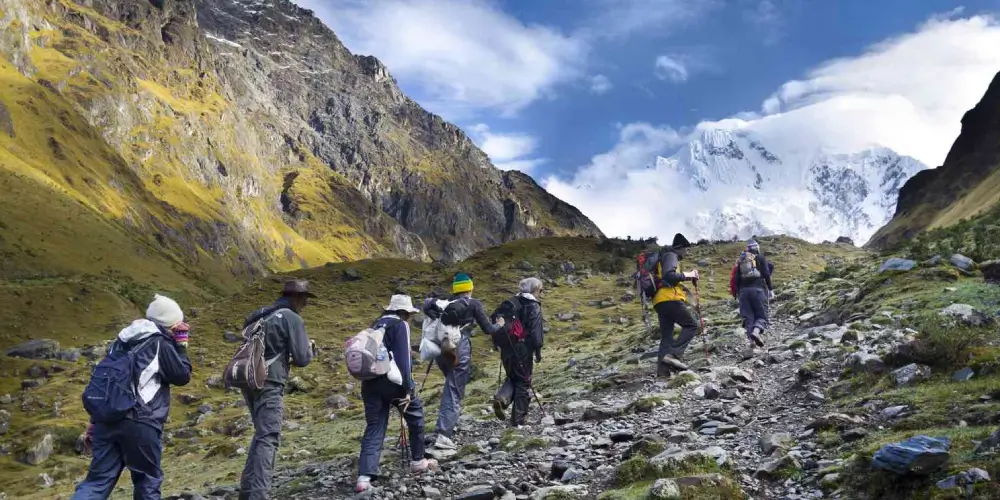
Guided Trek Advantages
- Experienced guides navigate trails safely
- Support with meals, camping, and gear
- Insights into history, wildlife, and local culture
- Group camaraderie and structured itineraries
Solo Trek Advantages
- Flexibility to hike at your own pace
- Personal challenge and immersion in nature
- Minimal scheduling constraints
| Aspect | Guided | Solo |
| Safety | ✅ | Lower |
| Navigation | ✅ | Lower |
| Local Knowledge | ✅ | ❌ |
| Meals & Gear | ✅ | ❌ |
| Flexibility | Lower | ✅ |
| Cost | Moderate to High | Lower |
Tip: Many travelers choose a hybrid approach — guided support for high passes, solo hiking in lower sections.
4. Sky Domes – The Ultimate Upgrade
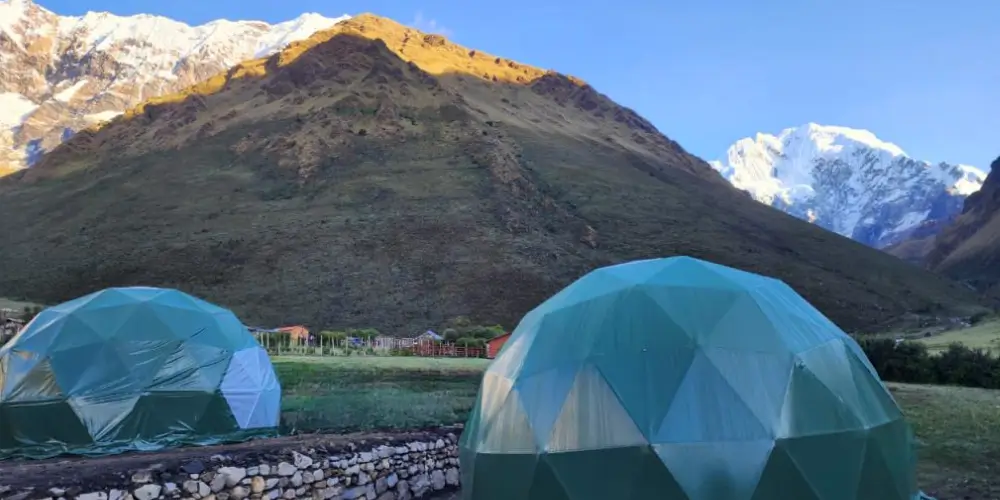
Sky Domes are the perfect way to combine adventure with comfort:
- Location: Soraypampa, Collpapampa, and our mountain lodge in Llaqtapata
- Experience: Panoramic views of the Salkantay peaks, stargazing, cozy beds, and warmth after a day of hiking
- Why They Matter: Ideal for comfort travelers and nature photographers, offering a luxury camping experience in the middle of the Andes
5. Decision-Making Matrix: Which Trek is Right for You?
| Goal | Trek Recommendation |
| Adventure + long trek | 5-Day guided Salkantay |
| Nature + comfort | 4-Day trek with Sky Domes |
| Limited time | 3-Day guided or solo trek |
| Photography / Panoramic Views | 4-Day trek with Sky Domes + extended stops |
| Cultural Immersion | 4–5-Day guided trek through villages |
Tip: Consider your fitness level, altitude experience, and interest in cultural vs natural highlights when choosing your trek.
6. Seasonal & Practical Considerations
- Best Months: May to September (dry season) for clear skies and trail conditions
- Altitude Tips: Spend a day in Cusco to acclimatize, drink plenty of water, avoid alcohol before high passes
- Packing Essentials: Layered clothing, hiking boots, rain jacket, trekking poles, sun protection
- Safety: Always check weather conditions and trail closures before starting a solo trek
7. Booking & Tours
Top operators to consider for a fully supported Salkantay experience:
- 69explorer: Multiple itineraries with Sky Domes and expert guides
- AppleTravelPeru: Focus on personalized service and cultural immersion
- SamTravelPeru: Luxury and comfort-oriented treks with added amenities
Tip: Booking a consultation ensures your trek matches your time, style, and fitness, and guarantees access to Sky Domes on popular dates.
8. When Is the Best Time to Do the Salkantay Trek?
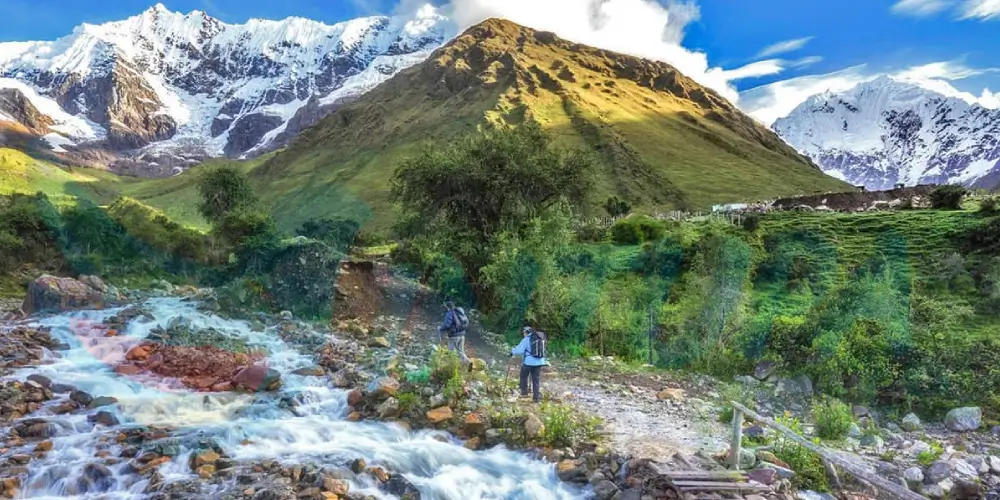
The Salkantay Trek can be done year-round, but weather conditions vary significantly depending on the season. Choosing the right time can strongly influence visibility, trail conditions, and overall comfort.
Dry Season (May to September)
This is the most popular time to hike Salkantay.
- Clear mountain views and crisp mornings
- Stable trail conditions, especially at the Salkantay Pass
- Cold nights, particularly above 3,800 m
- Peak months: June, July, and August (busier, but best visibility)
Shoulder Season (April & October)
Often considered the best balance.
- Fewer crowds than peak season
- Good weather with occasional light rain
- Landscapes are greener, especially after the wet season
- Excellent option for photographers and comfort-focused trekkers
Rainy Season (November to March)
Still possible, but requires flexibility.
- Lush scenery and fewer trekkers
- Higher chance of rain, clouds, and muddy trails
- February is the rainiest month and not recommended for trekking, there is a high chance of cancellation.
- Sky Domes and guided support become especially valuable during this season
Tip: Regardless of the season, spending at least one day acclimatizing in Cusco before the trek is strongly recommended.
9. Salkantay Trek Packing List: What You Really Need
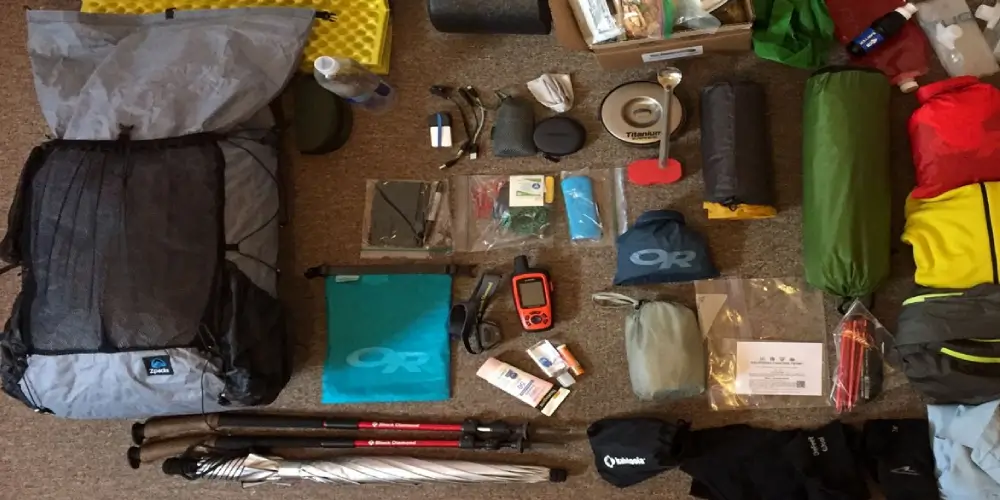
Packing correctly can make the difference between an enjoyable trek and an uncomfortable one. The key is layers, weather protection, and efficiency.
Clothing
- Moisture-wicking base layers (2–3 sets)
- Insulating mid-layer (fleece or down jacket)
- Waterproof and windproof jacket
- Trekking pants (quick-dry)
- Thermal layer for cold nights
- Warm hat, sun hat, gloves
- Comfortable hiking socks (3–4 pairs)
Footwear & Gear
- Broken-in hiking boots with ankle support
- Lightweight camp shoes or sandals
- Trekking poles (highly recommended for the pass)
- Daypack (20–30L) with rain cover
- Headlamp or flashlight
Essentials
- Sunscreen (high SPF) and lip balm
- Sunglasses (UV protection at altitude is critical)
- Reusable water bottle or hydration system
- Personal medications and basic first aid
- Snacks or energy bars
- Camera or phone with spare batteries
If hiking with a guided company: tents, sleeping systems, meals, and mules are usually included.
If hiking solo: you’ll need to add camping gear, food supplies, and navigation tools.
10. Best Companies for the Salkantay Trek
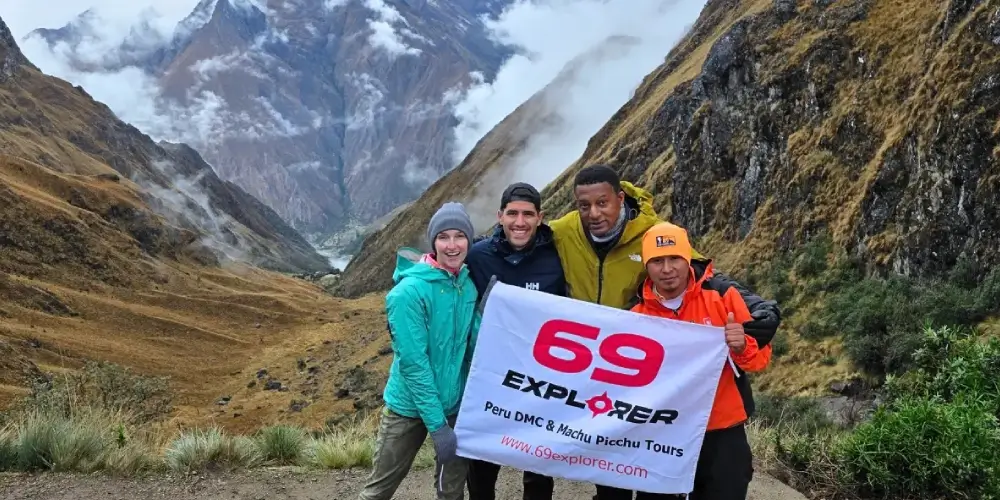
Choosing the right operator plays a major role in safety, comfort, and overall experience. These companies are well-known for their reliability, service quality, and route expertise.
Sam Travel Peru
Best for travelers prioritizing comfort and premium logistics.
- Focus on high-end trekking experiences
- Comfortable camps, quality meals, and strong support teams
- Ideal for travelers who want adventure without sacrificing rest and warmth
Apple Travel Peru
Best for personalized experiences and well-balanced itineraries.
- Strong attention to detail and traveler experience
- Flexible trekking styles, including Sky Dome upgrades
- Good balance between cultural insight, comfort, and pacing
69 Explorer
Best for variety and innovation.
- Multiple 3-, 4-, and 5-day itineraries
- Pioneer of Sky Dome accommodations along the route
- Excellent option for travelers wanting scenic camps and modern comfort
Tip: Availability for Sky Domes is limited, especially in peak season. Booking early with a trusted operator ensures access to preferred dates and camps.
11. Final Tips & Inspiration
- The Salkantay Trek is a journey through some of the most diverse ecosystems in Peru, from snow-capped peaks to subtropical forests.
- Photography Hotspots: Salkantay Pass, Humantay Lake, Soraypampa Sky Dome views
- Cultural Highlights: Villages like Collpapampa and Huayracmachay, where local traditions are alive
- Remember: whether guided or solo, 3, 4, or 5 days, each trek delivers a once-in-a-lifetime experience.
The Salkantay Trek is flexible, immersive, and spectacular. With this guide, you can pick the adventure that matches your style, schedule, and comfort needs. All while experiencing one of Peru’s most iconic treks in full.