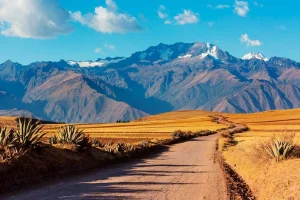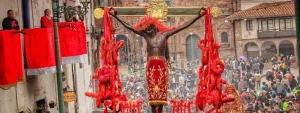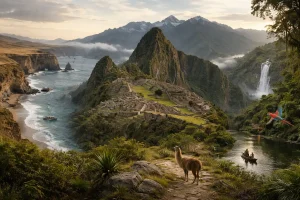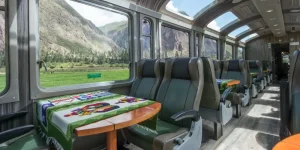
The Sacred Valley of the Incas is often presented as a single destination, a stop between Cusco and Machu Picchu filled with ruins, markets, and scenic views.
In reality, the Sacred Valley is a collection of very different towns, each with its own pace, personality, and purpose. Choosing where to spend your time here matters just as much as what you see.
This guide approaches the Sacred Valley differently: Instead of listing attractions, it helps you decide which towns fit your travel style, preferences, and way of experiencing a place.
Start Here: Choosing Sacred Valley Towns by Travel Style
Not every traveler connects with the Sacred Valley in the same way. Some are drawn to history, others to landscapes, food, markets, or quiet moments between activities.
Use the comparison below to identify the towns that best match how you like to travel, then explore each one in more detail further down.
Sacred Valley Towns by Travel Preference
| Travel Style / Priority | Towns That Fit Best |
| Adventure-Focused Travelers | Ollantaytambo, Urubamba, Maras |
| History & Culture Seekers | Pisac, Ollantaytambo, Chinchero |
| Mindful & Slow Travelers | Pisac, Yucay, Urubamba |
| Nature-Centered Travelers | Urubamba, Maras, Moray |
| Photography & Visual Storytellers | Chinchero, Moray, Pisac, Ollantaytambo |
| Mainstream & First-Time Visitors | Ollantaytambo, Pisac, Chinchero |
Most towns appear in more than one category, intentionally.
The Sacred Valley Towns Explained
Below you’ll find a clear, practical breakdown of the main Sacred Valley towns referenced in the chart above. Each section focuses on what actually matters when planning a trip: location, atmosphere, activities, time needed, and infrastructure.
Pisac: Markets, Ruins, and a Slower Cultural Rhythm
Location: Eastern end of the Sacred Valley, closest to Cusco
Best for: Culture lovers, slow travelers, photography
Recommended stay: Half day to full day
Tourist infrastructure: Medium to high
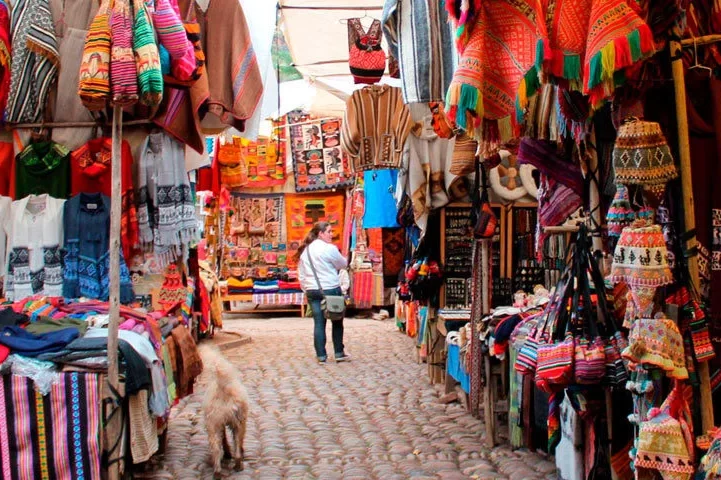
Pisac combines two strong elements of the Sacred Valley: Inca archaeology and living Andean culture.
Above town, the Pisac ruins stretch along a mountain ridge, offering wide valley views and insight into Inca agricultural engineering. Below, the town itself revolves around a daily rhythm of markets, cafés, and small workshops.
Pisac attracts travelers who enjoy wandering without rushing, browsing the market, sitting down for lunch, and observing daily life rather than moving quickly from site to site.
It’s especially appealing to travelers interested in:
- Traditional markets and crafts
- Cultural immersion without heavy crowds
- A gentler introduction to the Sacred Valley
Ollantaytambo: An Inca Town Still in Use
Location: Western end of the Sacred Valley
Best for: History seekers, first-time visitors, adventure travelers
Recommended stay: Full day or overnight
Tourist infrastructure: High
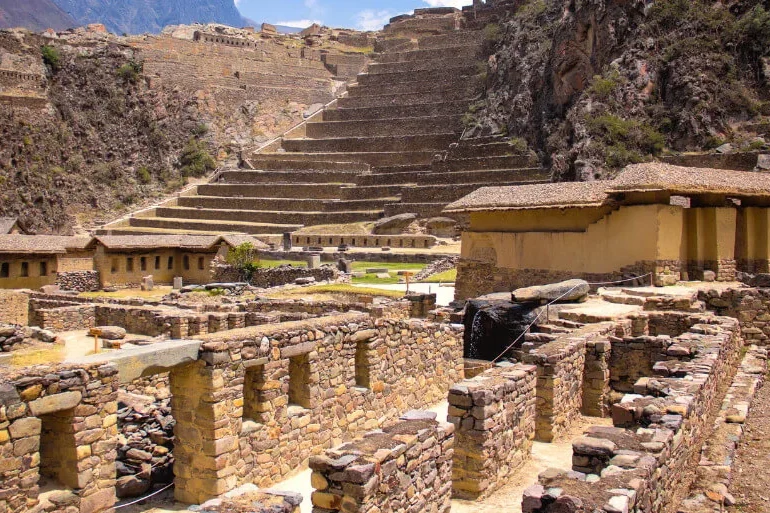
Ollantaytambo is one of the most historically significant towns in the Sacred Valley, and one of the few places where original Inca urban planning is still visible in everyday life.
Stone streets, water channels, and residential layouts remain intact, while the massive fortress above town tells the story of resistance during the Spanish invasion.
Beyond history, Ollantaytambo functions as a major transportation hub for Machu Picchu, making it a natural base for travelers combining culture with logistics.
This town suits travelers who want:
- Deep historical context
- Easy access to major sites
- A walkable town with strong services
Chinchero: Tradition, Textiles, and Andean Light
Location: High plateau above the Sacred Valley
Best for: Photography, culture-focused travelers
Recommended stay: Half day
Tourist infrastructure: Medium
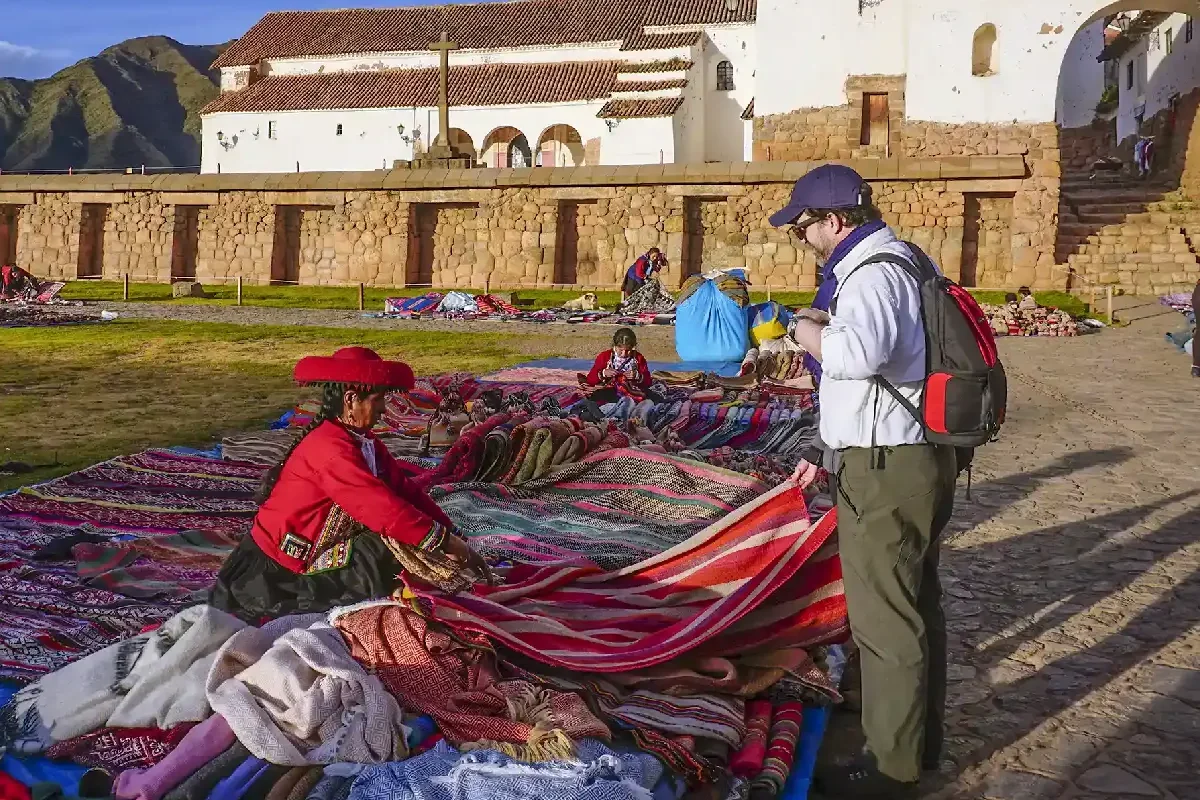
Chinchero feels different from the valley floor. Sitting higher in elevation, it offers wide skies, open views, and a quieter village atmosphere.
The town is known for its textile traditions, where weaving techniques are still demonstrated using natural dyes and ancestral methods. Colonial structures built over Inca foundations add historical layering to the setting.
Chinchero appeals most to travelers who value:
- Visual storytelling and landscape photography
- Living traditions rather than major ruins
- Short, meaningful cultural visits
Urubamba: The Natural Heart of the Valley
Location: Central Sacred Valley, along the Urubamba River
Best for: Nature-focused travelers, relaxed itineraries
Recommended stay: Overnight or multi-night
Tourist infrastructure: Medium
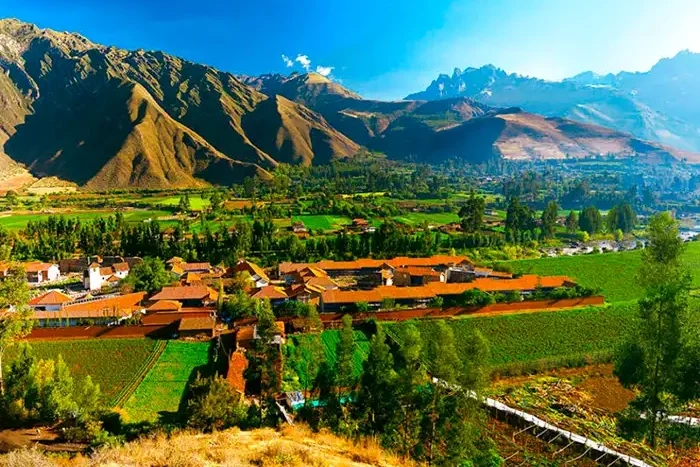
Urubamba is less about individual attractions and more about environment. Surrounded by farmland, mountains, and river views, it works well as a base for travelers who want space to slow down while remaining connected to the rest of the valley.
The town has a practical feel, with local markets, restaurants, and access to nearby sites without the intensity of more tour-heavy towns.
Urubamba suits travelers who:
- Prefer landscapes over landmarks
- Want flexibility without constant transfers
- Enjoy staying put rather than moving daily
Maras: Salt, Silence, and Open Space
Location: High above the valley, northwest of Urubamba
Best for: Photography, nature lovers, adventure add-ons
Recommended stay: Half day
Tourist infrastructure: Low to medium
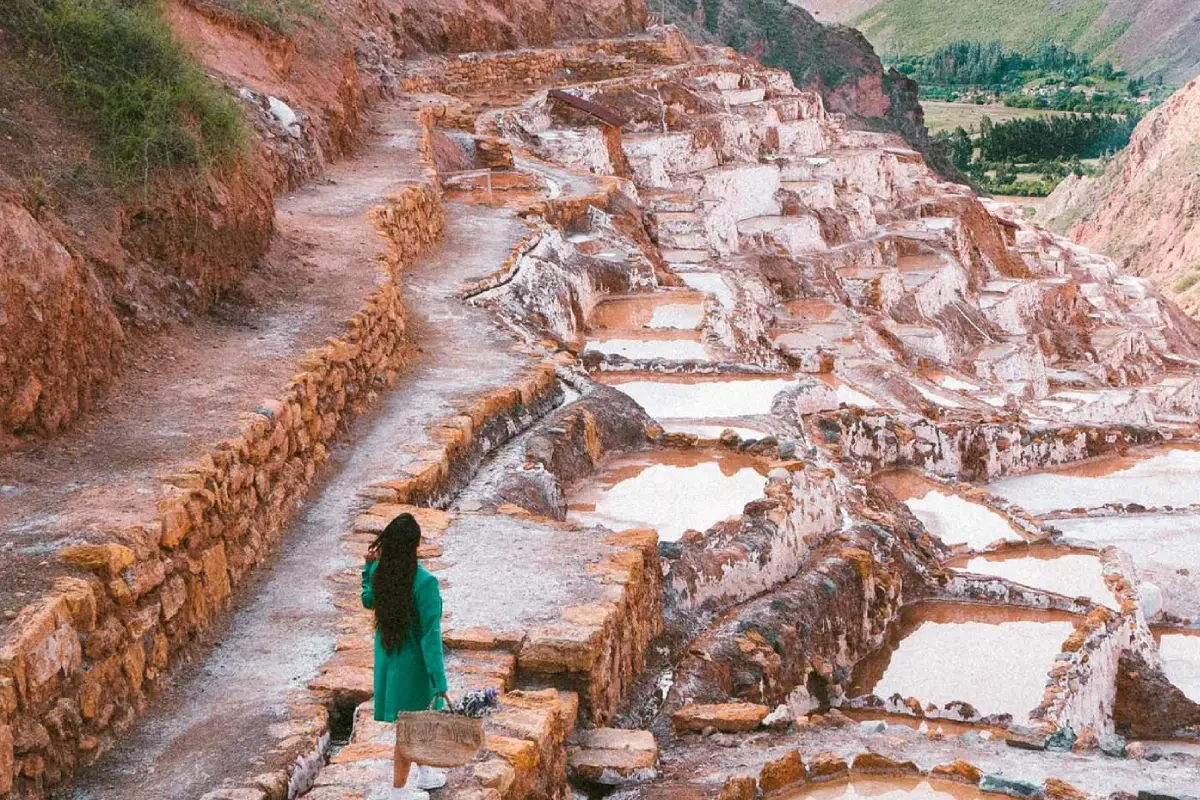
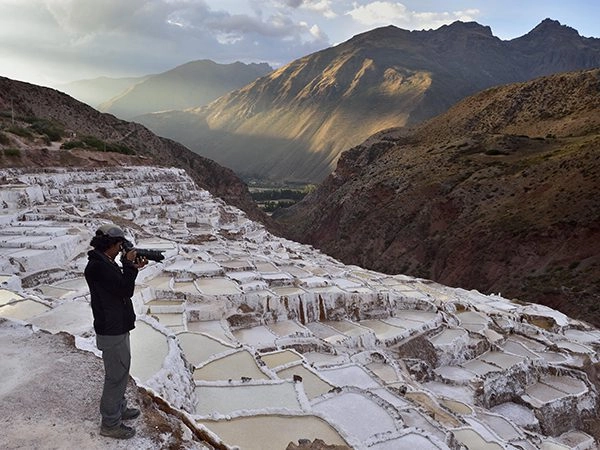
Maras is best known for the salt mines, thousands of shallow pools carved into the mountainside and still harvested using ancestral methods.
Beyond the salt pans, the surrounding area feels open and quiet, with fewer services and less development. It’s not a town for lingering cafés or long evenings, but rather for short, focused visits that highlight landscape and tradition.
Maras works well for travelers seeking:
- Distinctive scenery
- Short excursions with strong visual impact
- Less crowded experiences
Moray: Inca Engineering in the Landscape
Location: Near Maras, on an exposed plateau
Best for: History lovers, photographers
Recommended stay: Short visit
Tourist infrastructure: Low
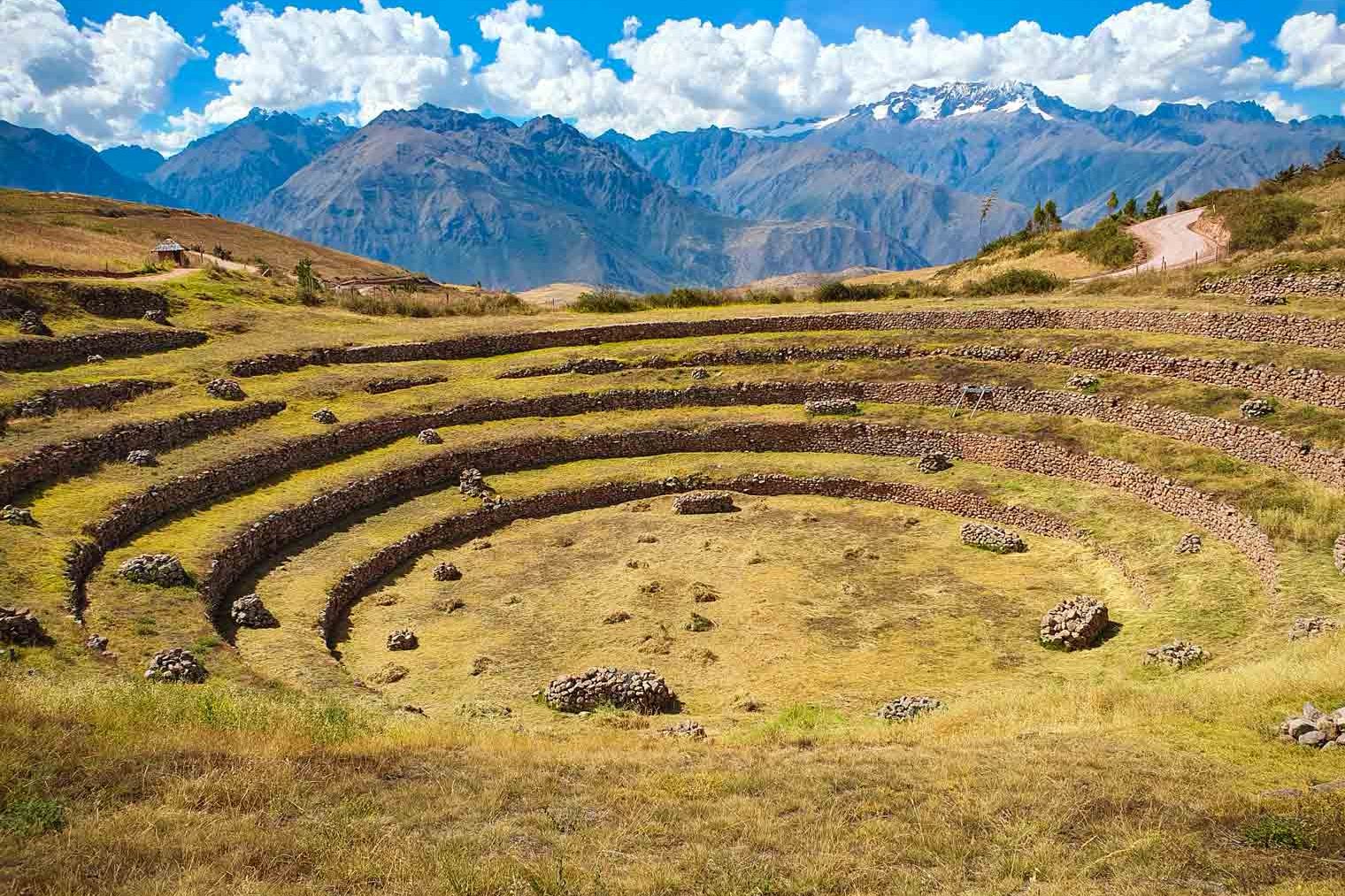
Moray is an archaeological site rather than a town, but it plays an important role in Sacred Valley itineraries. Its circular terraces are believed to have functioned as an agricultural research center, using altitude and temperature variation to experiment with crops.
There’s little shade and no village atmosphere, making Moray ideal as a combined stop with Maras rather than a standalone destination.
Best for travelers interested in:
- Inca innovation and engineering
- Unique, non-fortress archaeological sites
- Clean, minimal landscapes
Yucay: A Village for Doing Less
Location: Near Urubamba, valley floor
Best for: Slow travelers, longer stays
Recommended stay: Overnight
Tourist infrastructure: Low
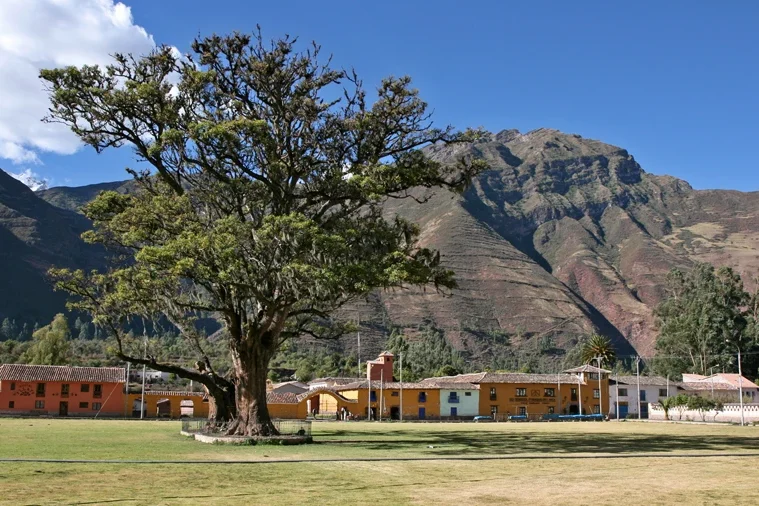
This small village offers a residential feel, with quiet streets and open views. It’s a good choice for travelers who want to experience the Sacred Valley as a place to stay rather than a checklist to complete.
Yucay appeals to travelers who:
- Value calm over coverage
- Plan longer stays
- Prefer a local atmosphere without crowds
How to Combine Sacred Valley Towns Without Rushing
The most common mistake in the Sacred Valley is trying to see everything.
Instead, strong itineraries focus on complementary towns, such as:
- Pisac + Urubamba for culture and landscapes
- Chinchero + Ollantaytambo for history and tradition
- Maras + Moray as a single half-day loop
Choosing fewer places often leads to a deeper experience.
Choosing the Right Company to Explore the Sacred Valley
How you experience the Sacred Valley depends not only on where you go, but also on who takes you there.
Routes, pacing, group size, and activity focus vary significantly between operators. The best company for you depends on your travel style. Whether you prioritize adventure, comfort, cultural depth, or flexibility.
Below are three companies that consistently stand out, each excelling in a different way.
69 Explorer: For Travelers Who Want Depth and Adventure
69 Explorer specializes in experience-driven journeys designed for travelers who want more than a surface-level visit.
Their Sacred Valley itineraries emphasize:
- Active exploration and longer site visits
- Smaller groups and flexible pacing
- Strong storytelling around history and landscape
This is a strong choice for adventure-focused travelers and those planning to combine the Sacred Valley with multi-day treks like Salkantay or Choquequirao, where flow and acclimatization matter.
Best for:
- Adventure-minded travelers
- Guests who value route design over speed
- Travelers connecting the valley with trekking experiences
Apple Travel: For Comfort, Clarity, and Seamless Planning
Apple Travel focuses on well-balanced Sacred Valley experiences that prioritize comfort, logistics, and thoughtful pacing.
Their tours are ideal for travelers who want:
- Clear itineraries with no guesswork
- Comfortable transportation and reliable timing
- A polished experience without feeling rushed
Apple Travel works especially well for first-time visitors, couples, and travelers who want to enjoy the Sacred Valley without managing complex planning details.
Best for:
- First-time Peru travelers
- Comfort-oriented itineraries
- Guests combining the Sacred Valley with Machu Picchu by train
SAM Travel Peru: For Adventure Travelers Looking to Go Further
SAM Travel Peru offers a unique angle in the Sacred Valley by integrating ATV experiences into traditional routes.
Their Sacred Valley + ATV tours allow travelers to:
- Reach sites like Maras and Moray via off-road routes
- Add a physical, hands-on element to sightseeing
- Experience the valley beyond paved roads
This option is particularly appealing for travelers who enjoy adventure activities, faster movement, and a more dynamic way of exploring landscapes, without committing to a full trek.
Best for:
- Adventure and adrenaline-focused travelers
- Guests looking for a non-traditional Sacred Valley visit
- Travelers short on time who want high-impact experiences
Choosing the Sacred Valley Experience That Fits You
There is no single “correct” way to visit the Sacred Valley.
Some travelers connect through history, others through nature, markets, or simply time spent without a schedule. The towns you choose shape the rhythm of your trip more than any individual attraction.
A well-planned Sacred Valley journey is about choosing the places that support how you want to travel.