Cusco is not a city you simply walk through, it also invites you to learn and experiment through its many museums. Beneath its streets lie Inca foundations. Above them rise colonial churches. Around them unfolds a modern Andean identity that is still evolving.
Many travelers visit the ruins, photograph the plazas, and move on without realizing that Cusco’s museums quietly explain everything they just saw.
This guide explores some of the museums in town. The key is not visiting all the museums. It is choosing the right perspective. So, before choosing a museum, choose your lens.
The Inca Lens — Power, Engineering & Cosmology
If your primary interest is understanding how the Inca state functioned: politically, spiritually, and architecturally. This is your starting point.
This lens focuses on:
- Urban planning and sacred geography
- Religious systems and cosmology
- Daily life and state organization
- Pre-Inca cultures that shaped the Andes
Museo Inka
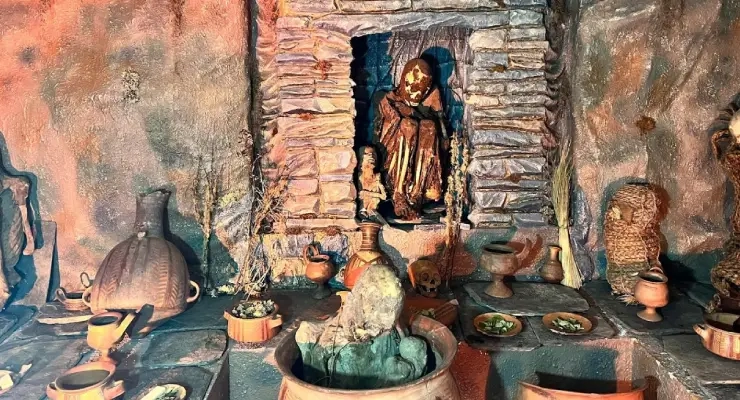
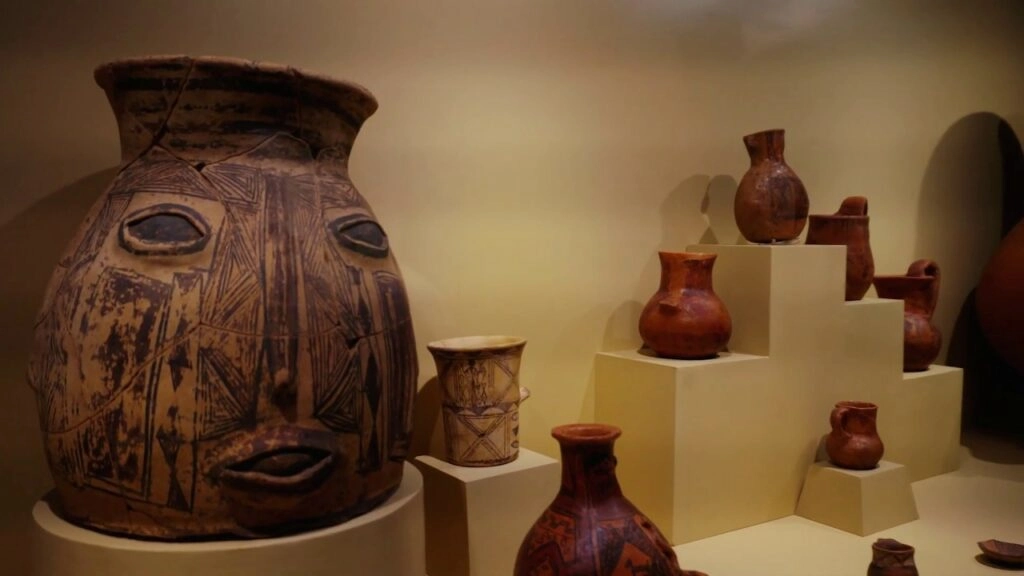
Located near the Plaza de Armas, this is one of the most comprehensive collections of Inca and pre-Inca artifacts in the city. Ceramics, tools, textiles, and even mummies offer a chronological narrative of Andean civilizations. It provides historical depth before visiting sites like Sacsayhuamán or Machu Picchu.
Museo de Sitio Qorikancha
This small but essential museum contextualizes the Temple of the Sun. It explains Inca astronomy, religious hierarchy, and ritual practices, helping visitors understand why Cusco was considered the center of the Inca world.
Museo de Arte Precolombino
More curated and artistic in approach, this museum presents pre-Hispanic objects as works of aesthetic refinement. It’s ideal for travelers interested in symbolism, craftsmanship, and cultural continuity across Andean societies.
Best for: Visiting before exploring archaeological sites.
Time needed: 2–3 hours combined or half-day focus.
The Colonial & Religious Lens — Art, Power & Syncretism
Spanish arrival did not erase Andean culture, instead it reshaped it. Colonial art in Cusco became a strategic tool of evangelization while quietly incorporating Indigenous symbolism.
This lens examines:
- The Cusco School of painting
- Baroque religious architecture
- Syncretism between Andean and Catholic imagery
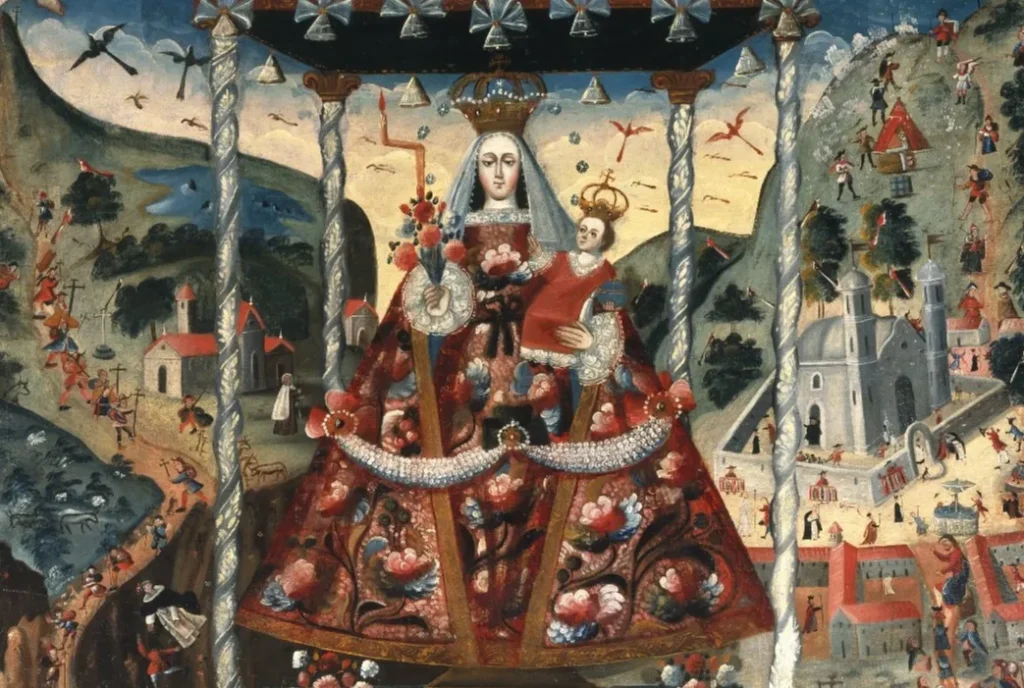
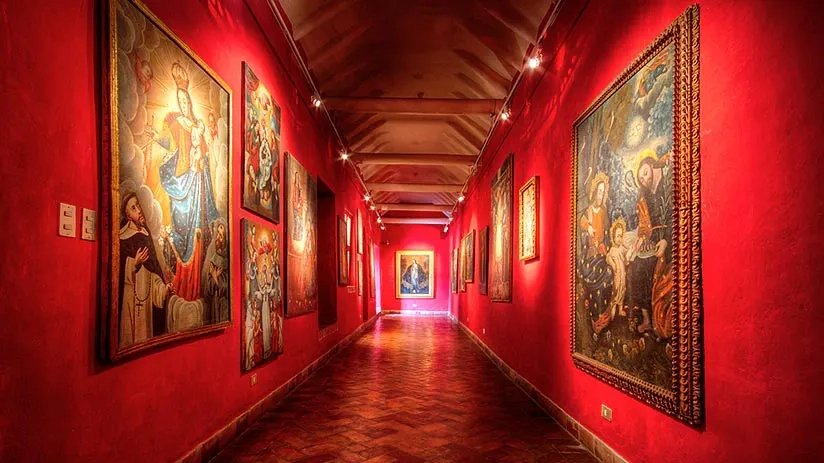
Museo de Arte Religioso
Housed in what was once an Inca palace, this museum presents colonial religious paintings and sculpture. Its location alone tells the story of political and spiritual transition.
Museo de Santa Catalina
Inside a former convent, this museum preserves important Cusco School artworks. It provides insight into how religious institutions influenced artistic production.
Catedral del Cusco
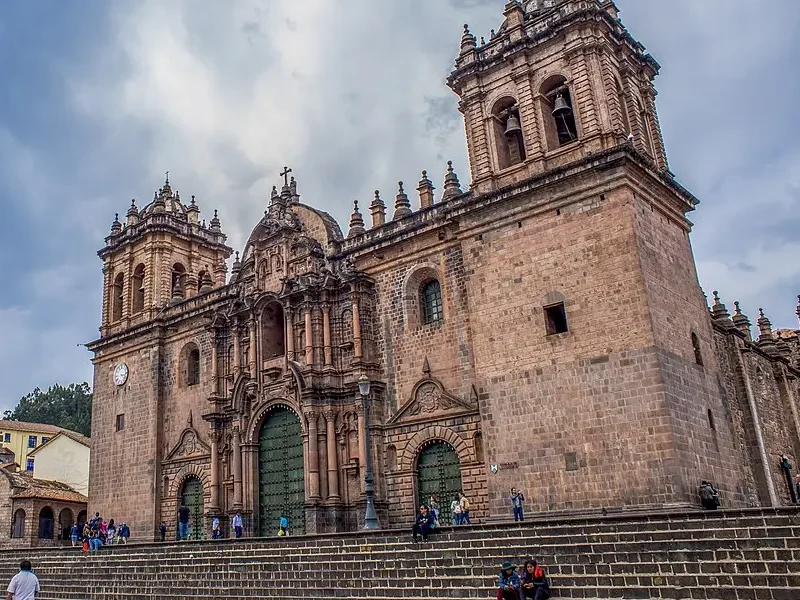
Though not a museum in the traditional sense, the Cathedral functions as one. Its vast collection of colonial art, including the famous Andean Last Supper, reveals the complexity of cultural adaptation.
Best for: Understanding the Plaza de Armas and colonial architecture.
Time needed: Half day.
The Republican Lens — Identity After Empire
Many visitors stop at the colonial period. Yet Peru’s national identity continued to evolve long after independence.
This lens explores:
- Post-independence transformation
- Urban modernization
- Intellectual figures bridging cultures
Casa Garcilaso
Birthplace of Inca Garcilaso de la Vega, the mestizo chronicler who interpreted Inca history for Europe. The site provides insight into cultural hybridity and early colonial intellectual thought.
Museo Histórico Regional del Cusco
This museum expands the narrative into the republican period, displaying artifacts related to Cusco’s civic and political evolution.
Best for: History enthusiasts wanting a broader timeline.
Time needed: 1.5–2 hours.
The Architecture & Sacred Space Lens — Buildings as Historical Documents
In Cusco, architecture is not background scenery, it is evidence.
Earthquakes, conquest, and reconstruction reshaped the city physically.
Many colonial structures were built directly atop Inca foundations, creating visible historical layering.
Convento de Santo Domingo
Constructed over the Inca Qorikancha, this site makes cultural transition tangible. Massive Inca walls support colonial arches, visually narrating political change.
Monasterio de Santa Teresa
A preserved monastic complex that combines religious art, cloisters, and colonial design. It offers spatial understanding beyond gallery exhibits.
Best for: Travelers interested in structural history and urban transformation.
Time needed: 2–3 hours.
The Living Culture Lens — Contemporary Andean Identity
Andean culture is not frozen in the past. It continues to evolve in rural communities and urban spaces alike.
This lens emphasizes:
- Textile preservation
- Indigenous knowledge systems
- Modern artistic expression
Centro de Textiles Tradicionales del Cusco
More than a display space, this center supports weaving communities and explains symbolism in traditional Andean textiles. It connects museum interpretation with living practice.
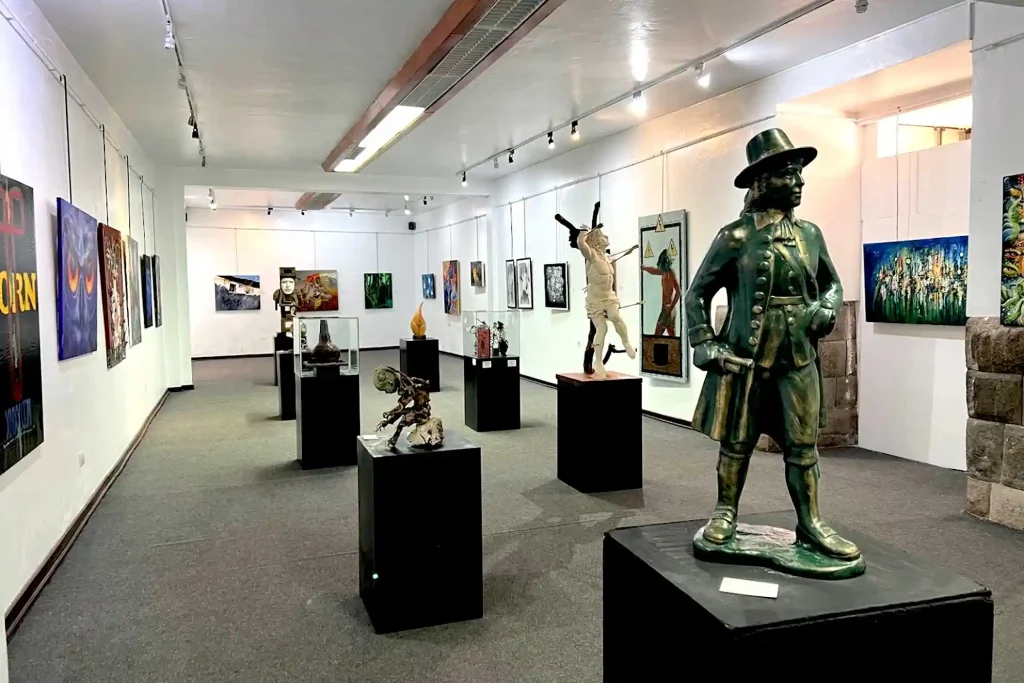
Museo de Arte Contemporáneo
Showcases modern Peruvian and Andean artists, demonstrating how identity continues to adapt in contemporary society.
Best for: Cultural travelers seeking present-day context.
Time needed: 1.5–2 hours.
The Flavor Lens — Culture Through Gastronomy
Food is an archive.
Ingredients, trade routes, and preparation methods reveal economic history and cultural exchange.
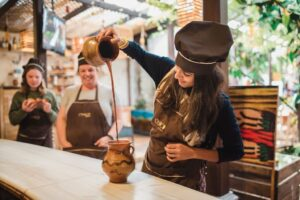
ChocoMuseo Cusco
Explains cacao’s journey from pre-Hispanic ritual use to colonial export commodity. Interactive experiences make historical trade tangible.
Museo del Café Cusco
Focuses on coffee production and Andean agricultural economies, connecting global markets with local landscapes.
Best for: Travelers interested in culinary heritage and economic history.
Time needed: 1–2 hours.
How to Combine Lenses
Instead of visiting museums randomly, consider thematic combinations:
- Inca + Architecture Lens: Understand Qorikancha before exploring Santo Domingo.
- Colonial + Republican Lens: See how power shifted across centuries.
- Living Culture + Flavor Lens: Connect tradition with modern practice.
Cusco’s historic center allows many of these to be explored on foot within a compact radius.
Quick Reference Chart — Museums by Lens
| Lens | Museum | Focus | Why Visit |
| Inca | Museo Inka | Archaeology & empire | Best chronological overview of Inca civilization |
| Inca | Museo de Sitio Qorikancha | Religious cosmology | Context for Temple of the Sun |
| Inca | Museo de Arte Precolombino | Pre-Hispanic aesthetics | Artistic refinement beyond function |
| Colonial & Religious | Museo de Arte Religioso | Cusco School art | Religious painting & Inca palace setting |
| Colonial & Religious | Museo de Santa Catalina | Convent art collection | Insight into colonial artistic production |
| Colonial & Religious | Catedral del Cusco | Monumental religious art | Architectural and artistic centerpiece |
| Republican | Casa Garcilaso | Cultural hybridity | Intellectual bridge between worlds |
| Republican | Museo Histórico Regional | Civic evolution | Post-independence context |
| Architecture | Convento de Santo Domingo | Inca-colonial layering | Visible structural transition |
| Architecture | Monasterio de Santa Teresa | Monastic architecture | Spatial preservation |
| Living Culture | Centro de Textiles Tradicionales | Indigenous weaving | Living heritage |
| Living Culture | Museo de Arte Contemporáneo | Modern Andean art | Contemporary identity |
| Flavor | ChocoMuseo Cusco | Cacao history | Trade & ritual history |
| Flavor | Museo del Café Cusco | Coffee & economy | Agricultural narrative |
Cusco Is Not One Story
Cusco cannot be understood through a single site or period. Its museums do not compete with its ruins, they interpret them. Choosing your lens allows you to move through the city with intention, recognizing that every wall, painting, and artifact belongs to a layered narrative still unfolding.
If you’d like help designing a culturally focused itinerary in Cusco based on your interests, we’re here to guide you.