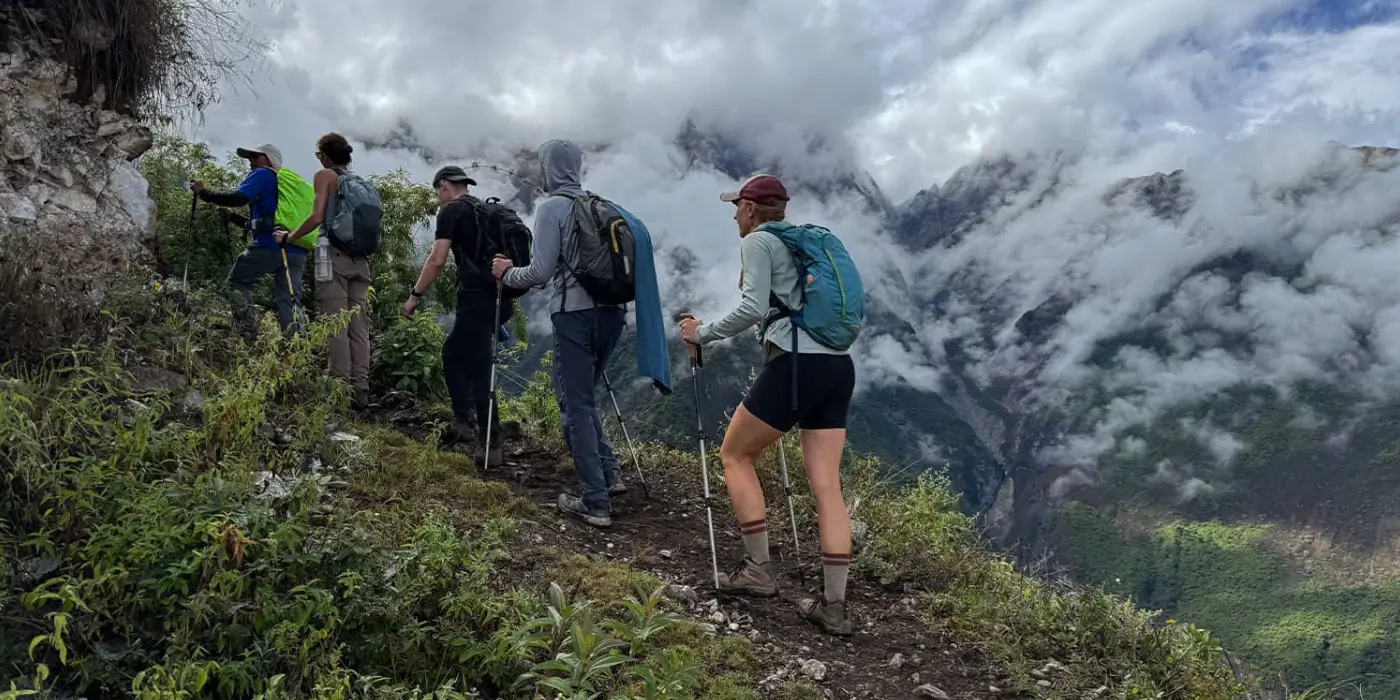
A Smart, Progressive Preparation Guide for One of the World’s Most Demanding Hikes
Choquequirao doesn’t announce itself easily. There are no trains, not many cafés at the trailhead, no crowds moving in the same direction. What waits instead is distance, elevation, heat, isolation, and one of the largest Inca sites ever built, still largely reclaimed by the Andes.
For many travelers, the question isn’t why Choquequirao is worth it. It’s simpler and more honest:
Can I actually do this trek?
This guide is built to answer that question realistically. Not with shortcuts or hype, but with context, progression, and a clear preparation path that leads, step by step, to Choquequirao.
What Makes the Choquequirao Trek So Demanding
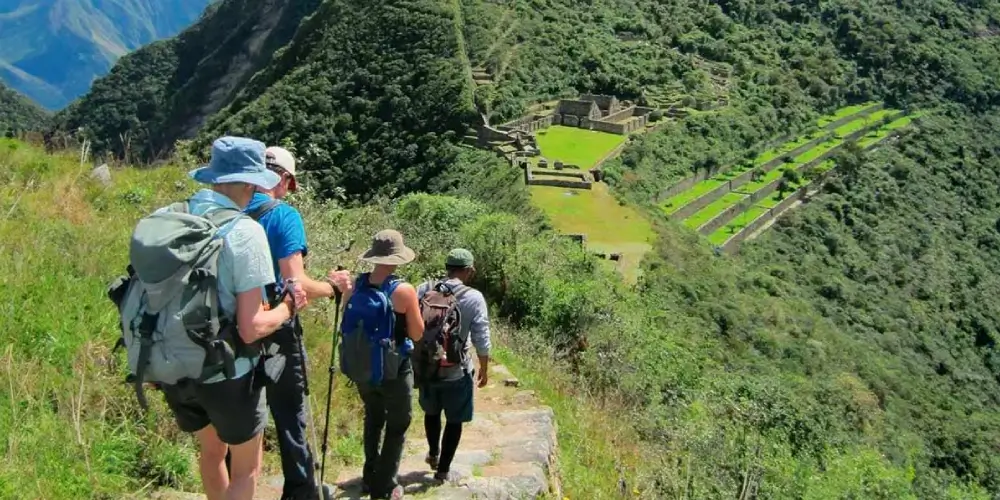
Choquequirao is often described as harder than most iconic treks in Peru, and that reputation is earned.
The challenge doesn’t come from technical climbing or exposed ridges. It comes from accumulation. Long days. Big elevation changes. Sustained heat in the Apurímac Canyon followed by cold nights at altitude. Minimal infrastructure. No easy exits.
Hikers descend thousands of meters before climbing them back again. Trails feel endless not because they are poorly marked, but because they test endurance rather than excitement. This is a trek where pacing, preparation, and mental resilience matter as much as fitness.
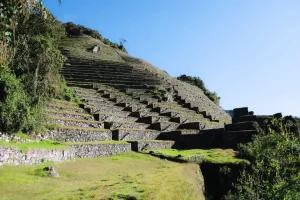
What makes it special is that the reward matches the effort. Choquequirao is a vast ceremonial city. Terraces cascade down mountainsides. Plazas stretch open and quiet.
Difficulty Ranking: Popular Treks in Peru, From Accessible to Extreme
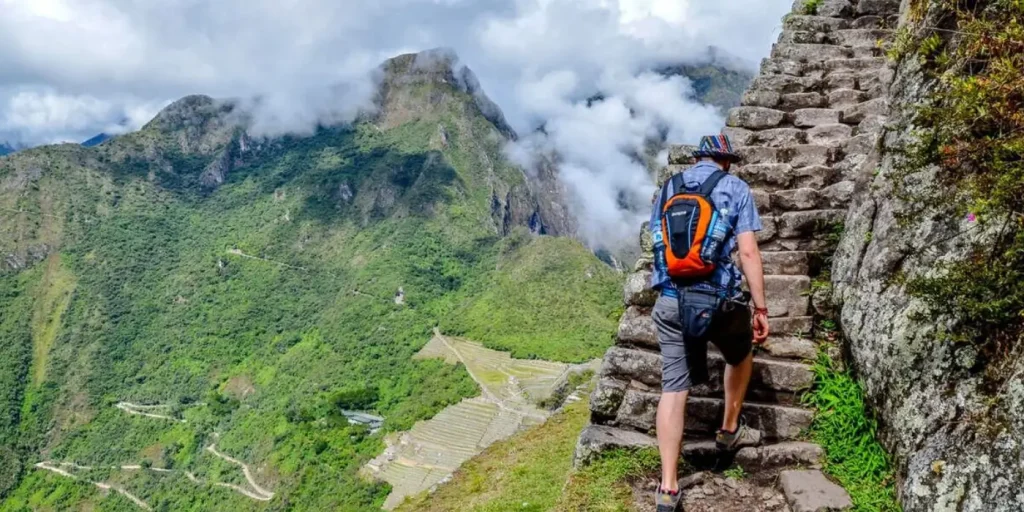
To understand Choquequirao, it helps to see where it sits within Peru’s broader trekking landscape, not just Cusco, but countrywide.
At the accessible end are hikes like Laguna 69, Short Inca Trail, or Santa Cruz Trek (Cordillera Blanca). These demand good cardio and basic acclimatization, but remain short or well-supported.
Stepping up, routes such as the Classic Inca Trail (4 days) or Salkantay Trek introduce multi-day effort, sustained altitude, and variable weather. These treks reward preparation but remain approachable for fit travelers with limited high-mountain experience.
More demanding are routes like Ausangate Trek or Huayhuash Circuit, where altitude, remoteness, and cold become dominant factors. These are treks for hikers who already understand pacing and recovery.
At the far end sits Choquequirao.
It consistently ranks as Peru’s most demanding mainstream trek because it combines length, elevation gain, heat exposure, and isolation into a single experience, without the logistical safety nets found elsewhere.
Who This Preparation Plan Is For
This plan is designed for travelers who don’t measure trips by convenience, but by meaning. It’s for hikers who enjoy working toward a goal rather than rushing into one. People who understand that preparation is not a barrier to adventure, it’s what allows the adventure to exist at all.
Choquequirao attracts those drawn to places that still feel undiscovered. Travelers who want to walk through Inca history without ropes, crowds, or time slots. Those willing to exchange comfort for depth.
This is not a trek for someone seeking a quick highlight or a single photo. It’s for those who want silence, scale, and the sense of earning something rare.
If that resonates, the next question becomes practical: how do you prepare without exhausting yourself beforehand?
The Smart Way to Prepare: A 3-Trek Progression
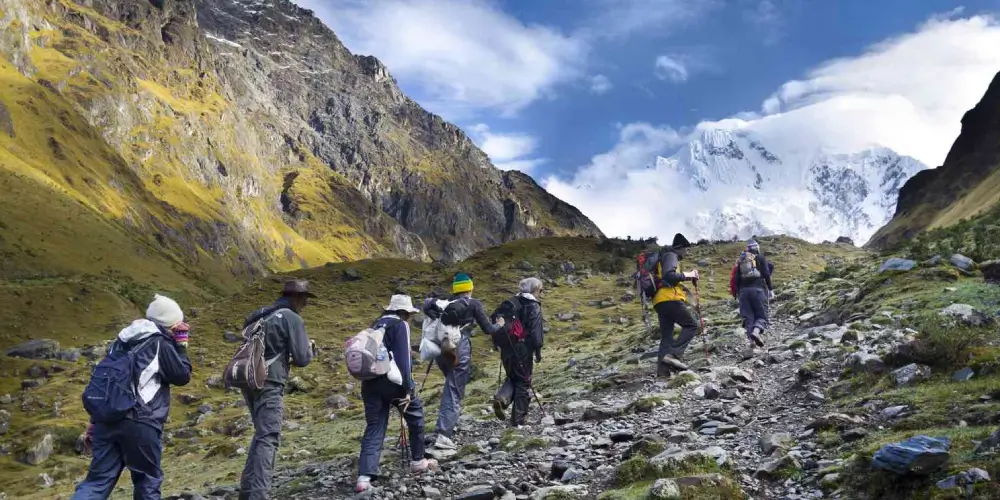
Preparing for Choquequirao doesn’t mean doing every hard trek in Peru. In fact, overdoing it is the fastest way to arrive tired or injured.
This progression uses three carefully chosen treks, each building a specific skill needed for Choquequirao.
Step One: Short Inca Trail
This hike is the perfect introduction, due to the distance covered in a single day, the weather conditions, and the altitude.
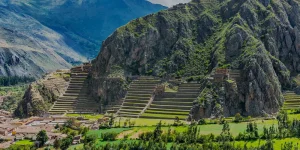
It covers about 10 km or 6 miles and follows the Urubamba Canyon. The average hiker takes around 5 to 6 hours to complete it, this at a moderate pace that lets you enjoy the views and stop at the archeological sites like Wiñay Wayna. Finally, weather conditions, due to altitude and location, are very similar to the conditions you will face in Choquequirao.
Step Two: Ausangate (Short Section or 4–5 Days)
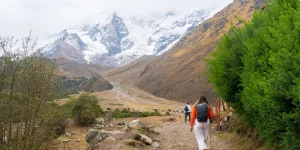
Ausangate adds remoteness and cold. Nights are harsher. Weather is less predictable. You begin to hike for long stretches without infrastructure.
This step develops resilience and comfort in exposure, essential for Choquequirao. Even when altitude or weather is not going to be anything close to Choquequirao, trail conditions are going to prepare you for the final hike. Also, along this trek you will be exposed to long hours in the trails, which will prepare you mentally for Choquequirao.
Step Three: Choquequirao
With fitness built, altitude understood, and systems tested, Choquequirao becomes a challenge, not a gamble.
You arrive prepared, not hopeful.
When Is the Best Season to Attempt Choquequirao
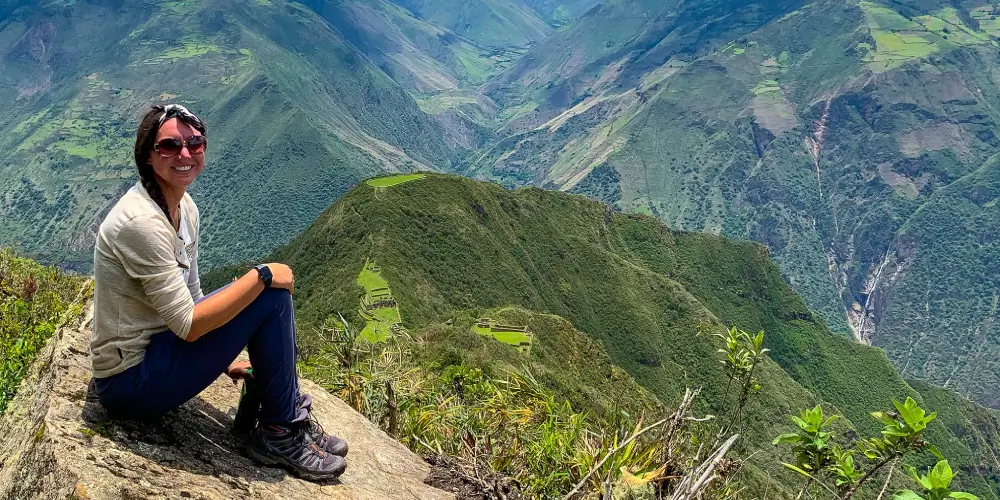
The ideal window for Choquequirao runs from May to September, when trails are dry and river crossings manageable.
June to August offers the most stable conditions, though nights are colder. Shoulder months like May and September bring fewer hikers and slightly warmer evenings, at the cost of occasional rain.
Preparing Before You Arrive in Peru
Physical preparation should begin at least 8–12 weeks before arrival. Focus on long uphill efforts, stair training, and back-to-back hiking days.
Equally important is mental readiness. Choquequirao rewards patience. Progress can feel slow. Days are repetitive. Learning to stay steady rather than fast is key.
Arriving in Peru early to acclimatize, ideally in Cusco or the Sacred Valley, is not optional. It’s part of the trek.
Choosing the Right Company for This Plan
The right support can make the difference between a slog and a transformative experience.
Here’s how to think about it: the best companies for Choquequirao care as much about your comfort, safety, and pacing as they do about the destination itself.
69 Explorer — The Adventure-First Progression Specialist
Best for: Expedition-oriented hikers who want to build toward Choquequirao through progressive trekking experiences.
Why it stands out:
- Progressive approach: 69 Explorer designs treks to build fitness and acclimatization (e.g., Salkantay, Ausangate) in a way that prepares you physically and mentally for Choquequirao.
- Experienced guide teams: Local guides who have completed these routes hundreds of times know when to push and when to pace.
- Balanced pacing: Daily distances and rest patterns emphasize sustainable effort, not speed.
- Small-group focus: This means less crowding on trail, more attention, and a more engaged support system.
If you want a partner who understands preparation as part of the adventure itself, 69 Explorer excels.
SAM Travel Peru — Luxury & Comfort in Rugged Terrain
Best for: Travelers who want the Choquequirao challenge, but with a higher comfort standard and upscale logistics.
Why it stands out:
- Premium logistics: High-quality camps, curated meals, and thoughtful amenities along the way (where terrain allows).
- Attention to detail: Every element of the trek, from gear recommendations to evening routines, is designed for comfort without compromising adventure.
- Focus on experience, not rush: SAM Travel’s pace considers subjective comfort as part of success, not just distance covered.
- Added services: Occasionally includes personalized touches like gourmet meal elements, comfort upgrades, and enhanced transport arrangements.
For hikers who want the challenge of Choquequirao but with enhanced support and amenities, SAM Travel is a strong choice.
Apple Travel Peru — Cultural & Contextual Depth
Best for: Travelers who want a rich cultural layer to their trekking journey.
Why it stands out:
- Local culture integration: Apple Travel Peru emphasizes not just the trail but the people and places along it — weaving community, heritage, and context into the experience.
- Educational approach: Guides are selected not only for trail expertise but also for their ability to share history, archaeology, and Andean worldview.
- Tailored planning: Whether you’re weaving Choquequirao into a larger Peru itinerary or combining it with city + valley experiences, Apple Travel Peru helps align your trek with broader travel goals.
If you want Choquequirao plus meaningful context, the story behind the stones, Apple Travel Peru delivers it with depth.
What to Look for in Every Trek Company
No matter which operator you choose, the best options will have these qualities in common:
- Experienced, certified guides with proven safety records
- Flexible pacing that respects acclimatization and fatigue
- Clear contingency plans for weather and health issues
- Transparent logistics (what’s included, what’s not)
- Small groups to enhance experience and reduce trail impact
How This Affects Your Choquequirao Journey
Choquequirao is not a place to improvise logistics. The right company:
- Helps you ready your body and mind before the trek
- Manages terrain challenges with care
- Looks after food, shelter, and pacing so you can focus on the experience
- Keeps safety at the forefront without diminishing adventure
No matter where you are in your preparation, letting professionals handle the variables frees you to absorb the Andes, connect with place, and arrive ready rather than overwhelmed.
So, Can You Do the Choquequirao Trek?
Yes, if you prepare intentionally.
Choquequirao is not reserved for elite athletes or extreme adventurers. It’s for travelers willing to respect the process. With the right progression, timing, and mindset, this hidden Inca city becomes not just reachable, but deeply rewarding.
And when you finally walk through its terraces in near silence, you’ll understand why some journeys are meant to be earned.