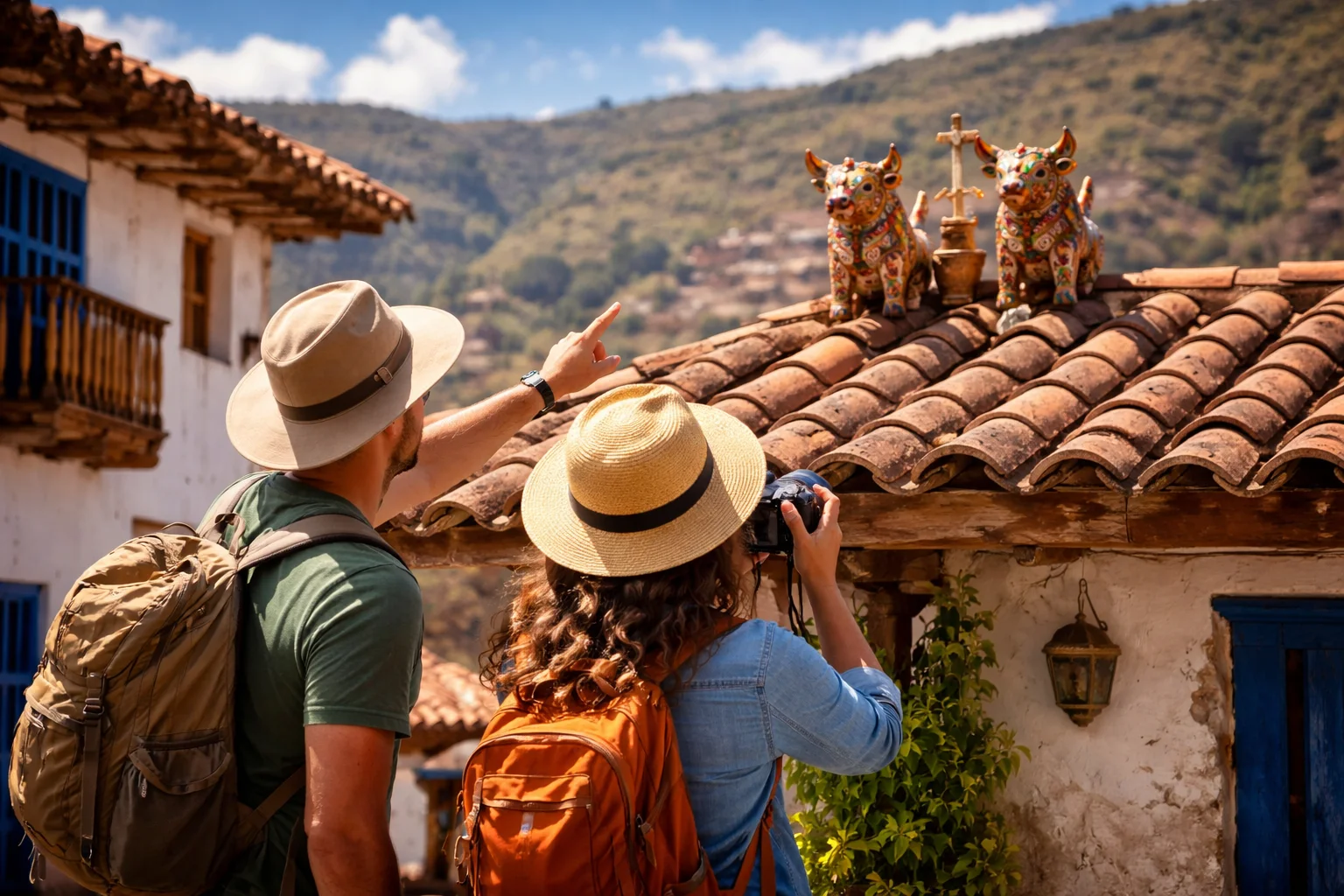
Peru isn’t a destination that reveals itself all at once. Some of its most meaningful stories aren’t written on signs or explained in museums, they’re visible in rooftops, street corners, fields, food stalls, and mountains. But only if you know what to look for.
This guide turns your trip through Cusco and the Sacred Valley into a visual challenge. A chance to spot everyday details that most travelers walk past, and understand what they mean once you see them.
Think of it as a checklist for attentive travelers.
The Challenge: Can You Spot These Cultural Details?
Below are seven things you’re likely to encounter as you travel through Cusco and the Sacred Valley. Each one is easy to miss, but once you notice it, you’ll start seeing Peru differently.
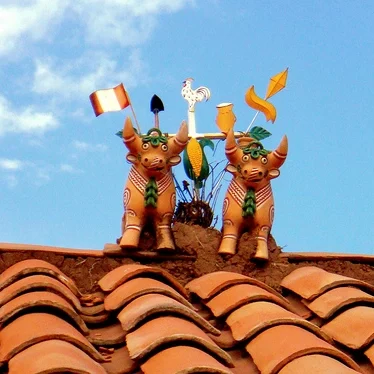
Toritos de Pucará
What they are
Small ceramic bulls, usually painted in bright colors, placed on the rooftops of houses.
Why they matter
Toritos de Pucará are symbols of protection, fertility, abundance, and balance. Traditionally, they’re placed in pairs on roofs during ceremonies to bless the home and its inhabitants.
They are not decorative souvenirs by origin, they are protective symbols rooted in Andean belief.
Where to spot them
- Residential neighborhoods in Cusco
- Towns throughout the Sacred Valley
- Especially visible on adobe or tiled roofs
Spotting tip
Look up when walking through local streets, especially outside historic centers.
Chicha Flags
What they are
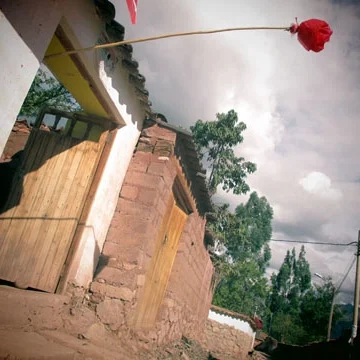
Colorful flags, often red, white, or multicolored, hanging outside small, informal establishments.
Why they matter
These flags signal that chicha de jora, a traditional fermented corn drink, is being served inside. Chicherías are social spaces where locals gather, often run from someone’s home.
The flag is an invitation. No menu, no sign, just a signal understood locally.
Where to spot them
- Rural towns in the Sacred Valley
- Local neighborhoods outside tourist centers
- Roadsides between villages
Spotting tip
If you see a flag hanging from a doorway or pole, that’s your sign.
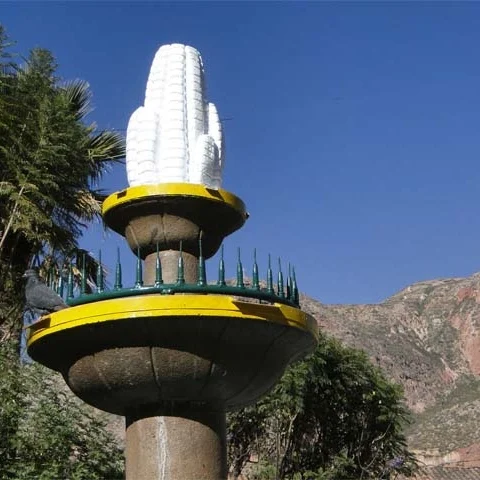
Corn Monuments in the Sacred Valley
What they are
Sculptures or monuments dedicated to corn (maize), sometimes stylized, sometimes literal.
Why they matter
Corn was one of the most important crops in the Inca world: agriculturally, spiritually, and politically. The Sacred Valley’s fertile soil made it ideal for maize cultivation, which is why the valley held such importance.
Monuments honoring corn reflect this deep agricultural legacy.
Where to spot them
- Sacred Valley towns such as Urubamba
- Near plazas, roundabouts, or town entrances
Spotting tip
They often appear where you least expect a monument, keep an eye out when driving between towns.
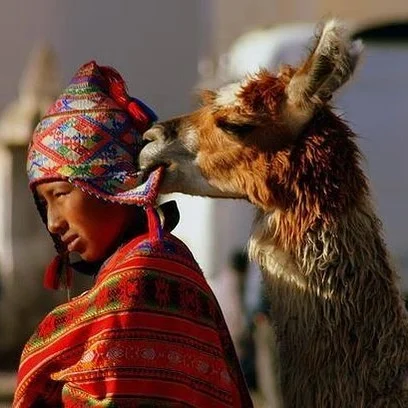
Traditional Chullos
What they are
Knitted wool hats with ear flaps, often brightly colored and patterned.
Why they matter
Chullos aren’t just for warmth. Patterns, colors, and knitting styles can indicate region, community, and even marital status. They’re functional garments with cultural identity woven into them.
Where to spot them
- Local markets in Cusco and the Sacred Valley
- Worn by residents in rural areas
- High-altitude towns and villages
Spotting tip
Notice the difference between mass-produced versions and hand-knitted ones worn by locals.
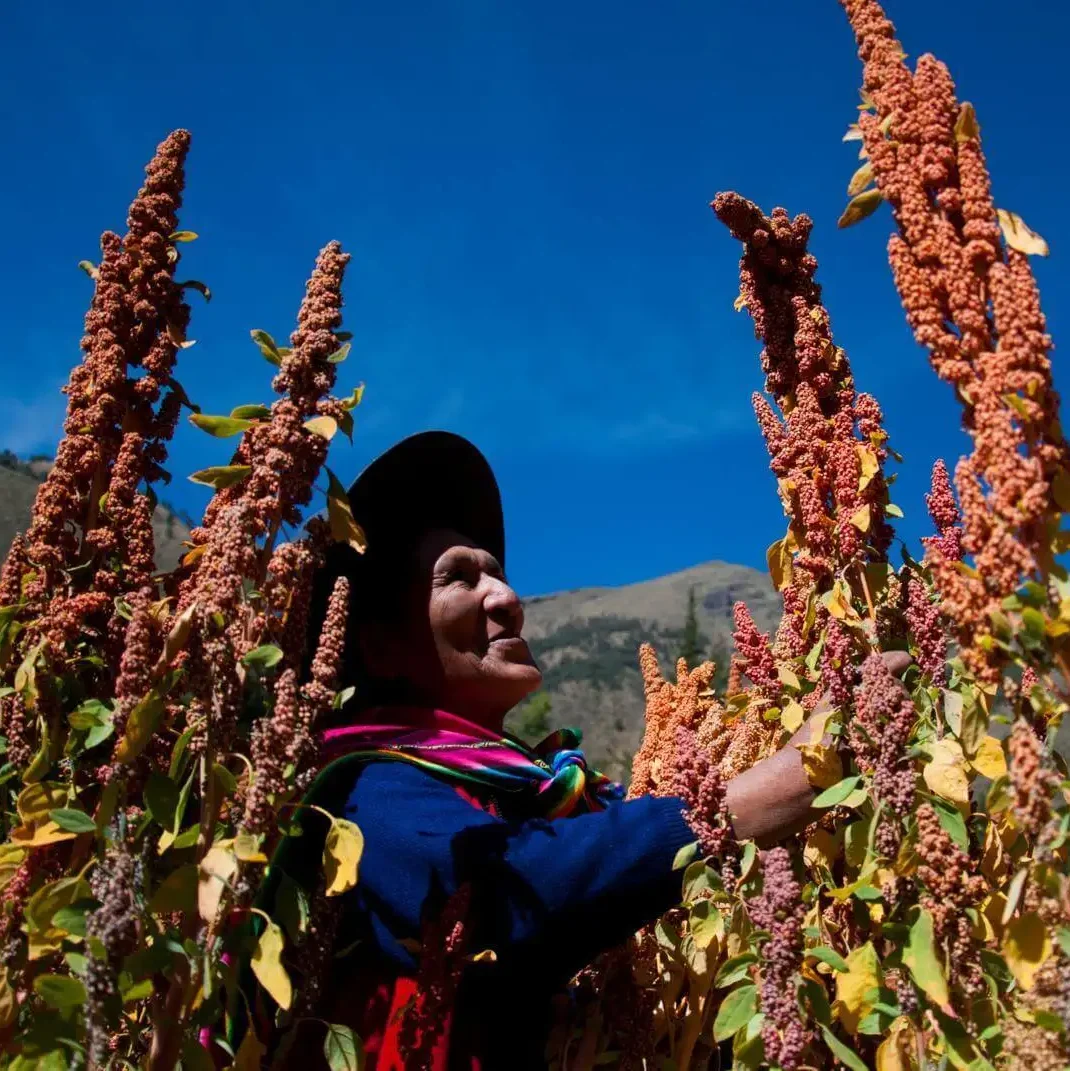
Quinoa Fields
What they are
Low, dense crops with reddish, golden, or green tones depending on the season.
Why they matter
Quinoa is native to the Andes and has been cultivated here for thousands of years. Long before it became a global “superfood,” it was a daily staple adapted to high-altitude farming.
Seeing quinoa growing where it originated gives context to its cultural importance.
Where to spot them
- Rural areas of the Sacred Valley
- Fields between villages, especially away from main highways
Spotting tip
Color changes by season, ask a local what’s growing if you’re unsure.
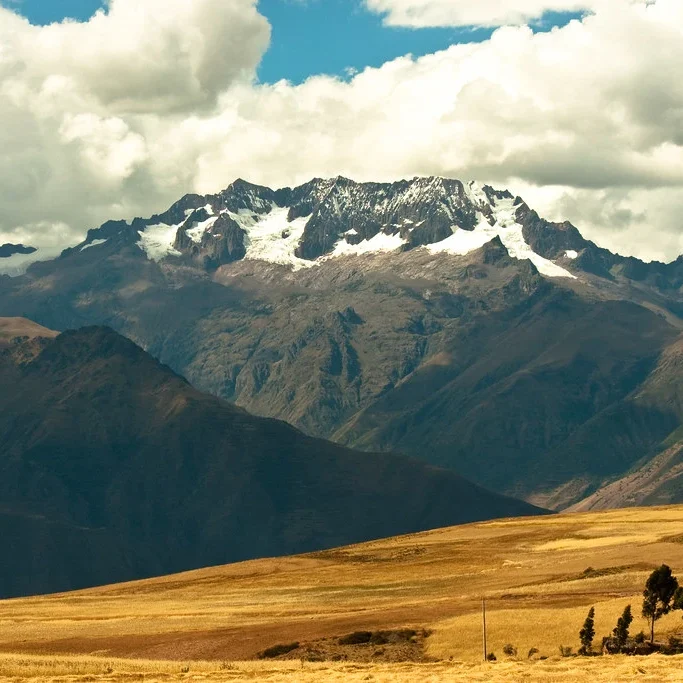
Apu Chicon (Ch’iqun)
What it is
A prominent mountain overlooking parts of the Sacred Valley.
Why it matters
In Andean belief, apus are sacred mountain spirits, protectors of the land and communities. Apu Chicon (also known as Ch’iqun) is one of the revered mountains of the valley.
For locals, mountains are not scenery, they are living presences.
Where to spot it
- From various points in the Sacred Valley
- Especially visible on clear mornings
Spotting tip
Ask a local to point it out. Hearing its name spoken matters.
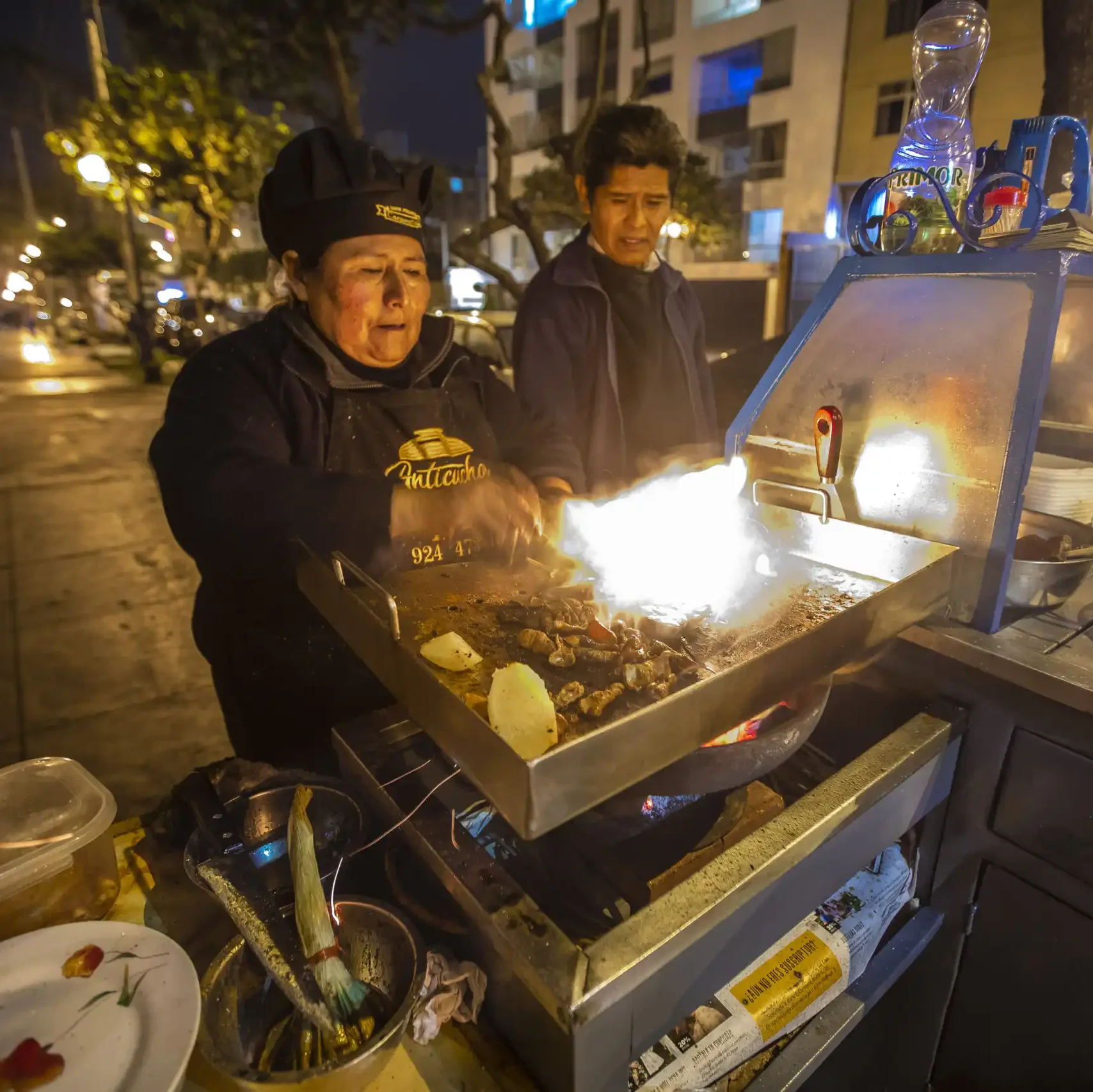
Anticuchos Street Vendors
What they are
Street food stalls grilling skewers, traditionally made from beef heart.
Why they matter
Anticuchos are one of Peru’s most iconic street foods, with roots in pre-Hispanic and colonial history. Today, they’re part of everyday life, affordable, social, and deeply local.
Where to spot them
- Near markets
- In the evenings
- Along busy streets or plazas
Spotting tip
If you smell smoke and hear sizzling, you’re close.
Your Spotting Peru Challenge Checklist
Use this checklist as you move through Cusco and the Sacred Valley. It’s designed to be practical, not just to confirm that you saw something, but to help you notice it in the right place and moment.
Screenshot it, save it, or keep it open during your trip.
| What to Spot | ✔ | Where You’ll Likely Find It | Why It Matters |
| Toritos de Pucará on rooftops | ☐ | Residential neighborhoods in Cusco and Sacred Valley towns | Protective symbols tied to prosperity, fertility, and balance |
| Chicha flag outside a chichería | ☐ | Rural villages, roadside homes, local neighborhoods | Signals a living tradition of communal drinking and social life |
| Corn monument | ☐ | Sacred Valley towns (often near plazas or town entrances) | Honors maize, one of the most sacred and important Inca crops |
| Traditional chullo worn by a local | ☐ | Markets, rural areas, high-altitude villages | Colors and patterns reflect regional identity and heritage |
| Quinoa fields | ☐ | Countryside between Sacred Valley towns | Native Andean crop cultivated for thousands of years |
| Apu Chicon (Ch’iqun) | ☐ | Valley skyline on clear days | Sacred mountain spirit still revered by local communities |
| Anticuchos street vendor | ☐ | Evening markets, busy streets, plazas | One of Peru’s most iconic and deeply local street foods |
Bonus Challenges:
☐ Asked a local about one of these details
☐ Learned the local name or story behind it
☐ Took a photo after understanding its meaning
Travel Happens in the Details
Anyone can visit Cusco and the Sacred Valley. But travelers who slow down, who look up, listen, and notice, experience something deeper. These small details connect you to daily life, belief systems, and traditions that are still alive.
Peru doesn’t hide its stories. It just waits for travelers curious enough to spot them.