Some Inca sites are famous because they’re easy to reach. Others remain powerful because they are not.
Across the Andes, the most meaningful ruins were never designed to be approached by road. They sit above valleys, along ridgelines, or deep within mountain corridors. Places where arrival was part of the ritual. To reach them, you walk. Step by step. Often for days.
These are the Inca sites that still feel intact not because they are secret, but because effort protects them.
Below are six extraordinary places you can only reach on foot, each tied to a journey that changes how you understand the Inca world.
Choquequirao: The City You Have to Deserve
Choquequirao is not hidden on a map. It is hidden behind commitment.
Reaching this vast Inca city requires a multi-day trek across the Apurímac Canyon, one of the deepest canyons in the Andes. There are no vehicles, no cable cars, no shortcuts. The only way in is down, and then back up again.
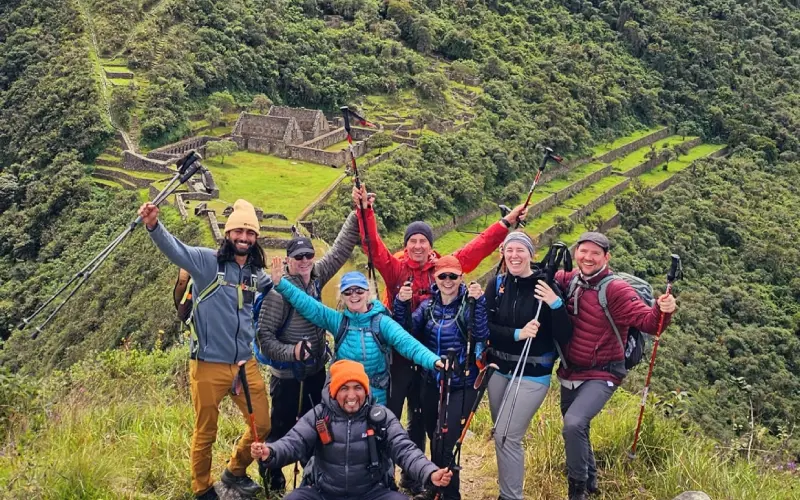
What awaits is a city still being uncovered. Terraces stretch across mountainsides. Ceremonial plazas emerge from the landscape rather than interrupt it. Llamas carved in stone guard hillsides few people ever see.
The lack of crowds changes everything. Time slows. Sound carries. The scale becomes personal. This is the Inca world without compression. No rush. No filters. Just space, effort, and reward.
Check our Choquequirao treks here.
Llaqtapata: Seeing Machu Picchu Before Reaching It
Most travelers first see Machu Picchu from a platform or a postcard angle. Those trekking the Salkantay route experience something different.
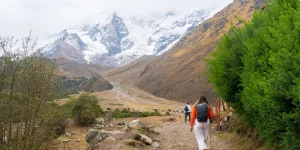
Llaqtapata sits across the valley from Machu Picchu, offering a rare, distant view of the citadel long before arrival. There is no road here. Access comes only after days of walking through high alpine valleys and glacial terrain.
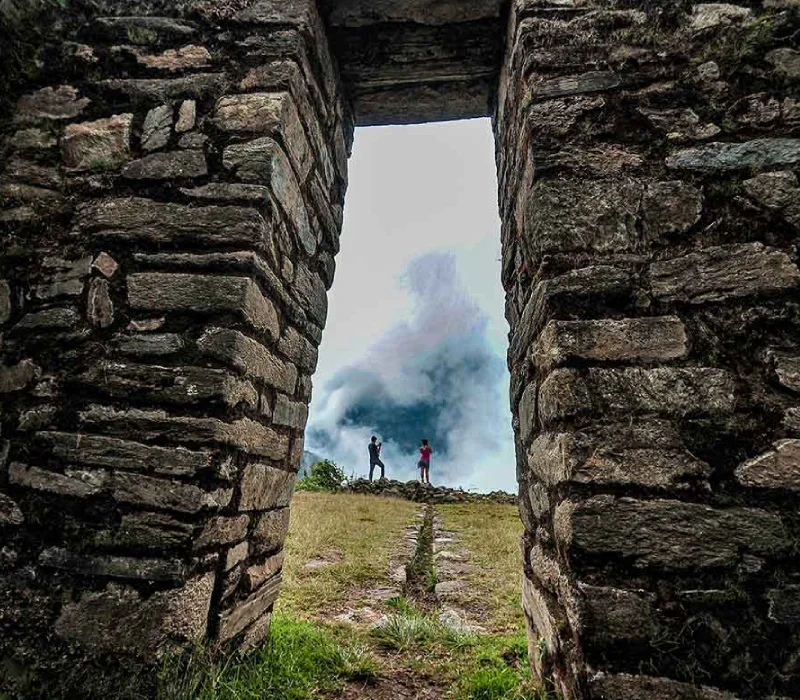
From Llaqtapata, the scale of the Inca landscape becomes clear. You see how sites communicate across valleys, how placement mattered more than proximity, and how approach shaped meaning.
Visit Llaqtapata with our 5 days Salkantay Trek.
Huchuy Qosqo: Hidden Above the Sacred Valley
High above the Sacred Valley, Huchuy Qosqo rests quietly on a plateau most visitors never notice. There are no roads leading up. Access requires a hike over high passes or a long ascent from the valley floor. That effort alone filters out the crowds.
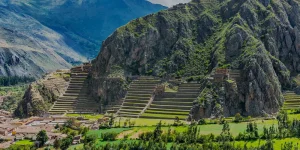
Once there, the silence is striking. The valley opens beneath you. Terraces trace the contours of the land. Storage buildings and ceremonial spaces suggest this was a place of strategy, rest, and control rather than spectacle.
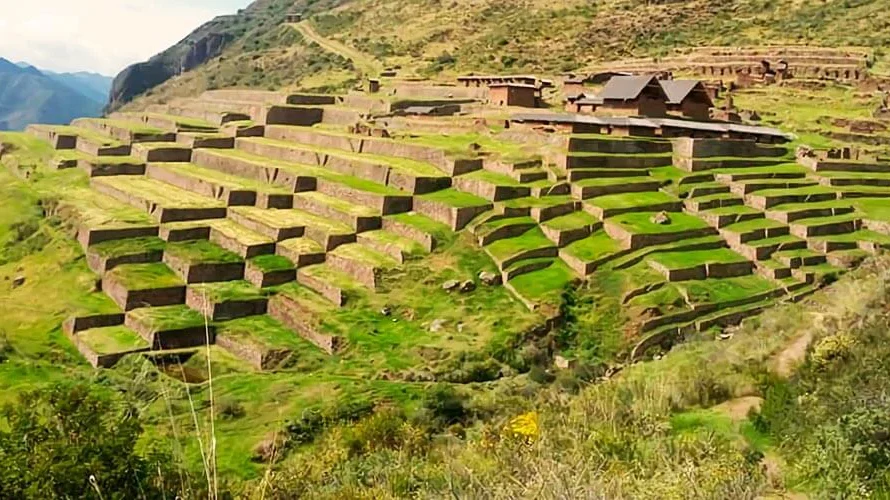
Huchuy Qosqo is often overlooked because it sits near famous places. In reality, it offers something rarer: perspective without pressure.
Visit Huchuy Qosqo with the best 2 day tour.
Patallacta: Where the Inca Trail Truly Begins
For those walking the Classic Inca Trail, Patallacta is the first real signal that you’ve entered the Inca world.
This extensive site sits at the confluence of valleys and paths, controlling access to the route ahead. There is no independent access. No day trip. If you see Patallacta, it’s because you’ve already committed to the trail.
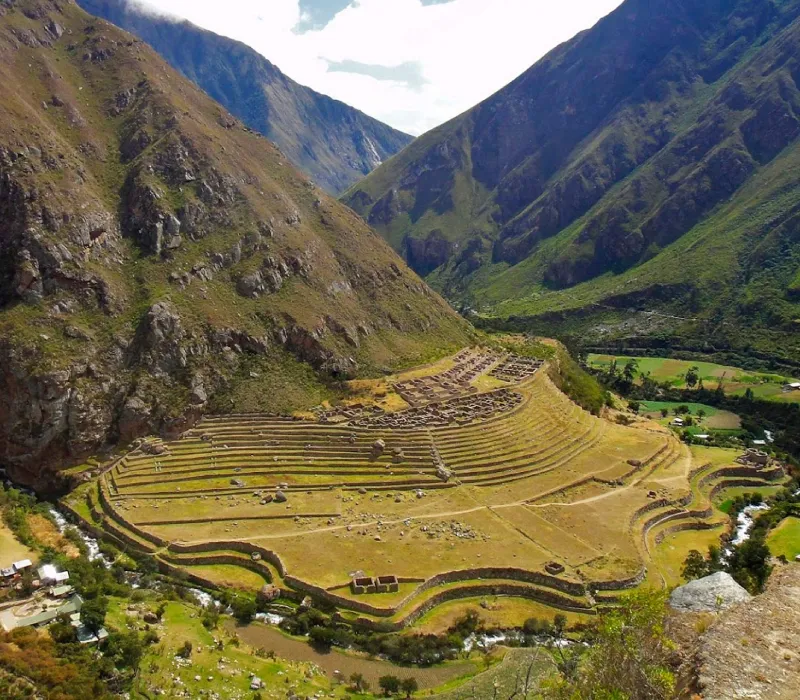
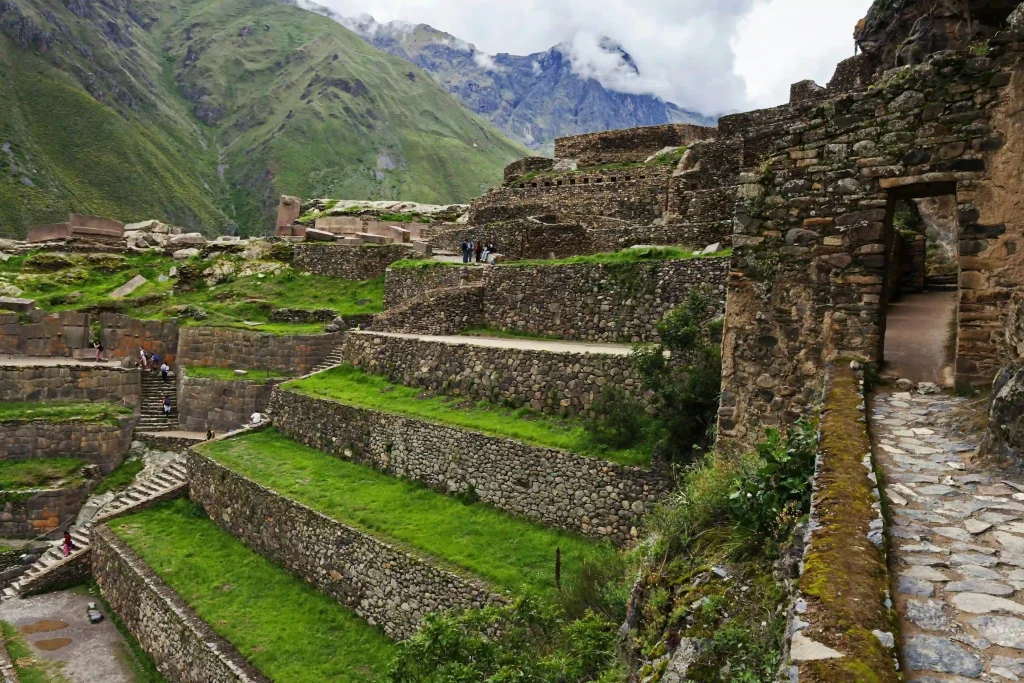
Here, the Inca vision becomes legible. Agricultural terraces, residential zones, and ceremonial areas reveal how movement was managed and how travelers were received.
Intipata: Terraces Built for the Sun, Not the Crowd
Further along the Inca Trail, Intipata appears almost unexpectedly.
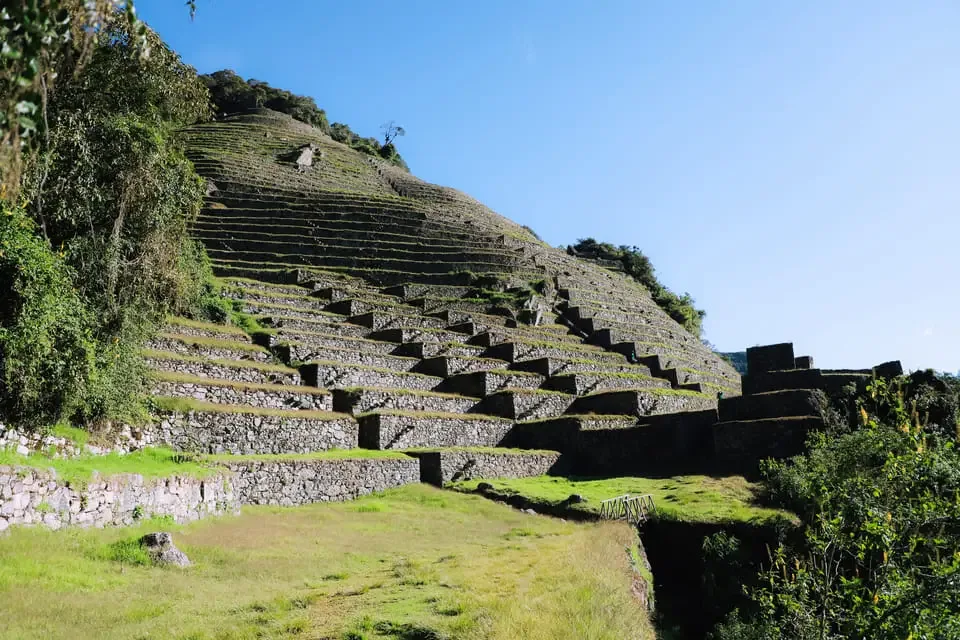
These sweeping agricultural terraces cling to steep slopes, oriented carefully to capture sunlight throughout the day. They are functional, elegant, and deeply human in scale.
Despite being on one of the most famous treks in the world, Intipata remains quiet. Many travelers remember the feeling more than the name.
Inca Bridge: Standing at the Edge of the Empire
Just beyond the main Machu Picchu complex, a narrow trail leads to the Inca Bridge. It’s a short walk, but it carries weight. The path hugs a steep cliff. The bridge itself was once removable, a final line of control over access to the citadel.
No road reaches this point. No crowds linger here. What remains is exposure: physical and historical.
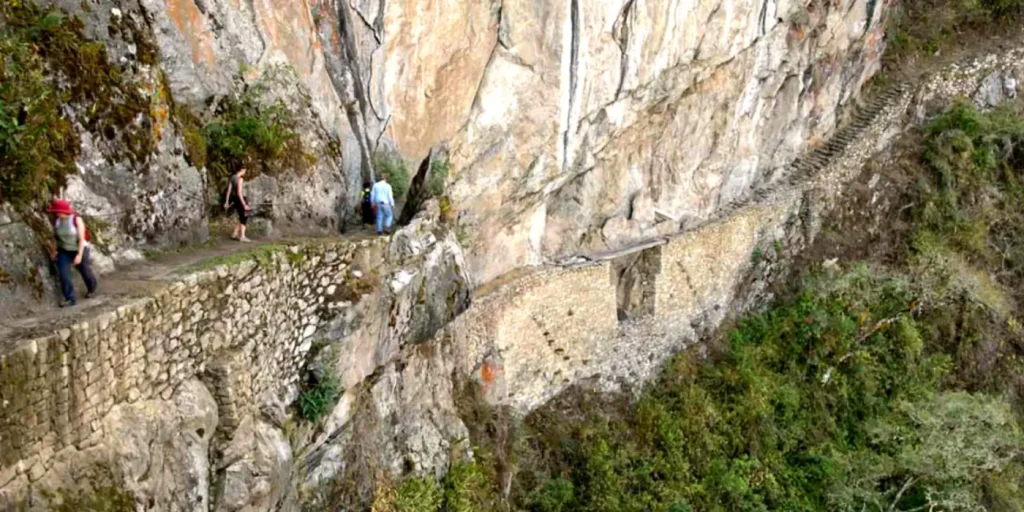
Standing at the Inca Bridge, it becomes clear that Machu Picchu was not only a place of beauty, but of strategy. Movement was regulated. Arrival was intentional.
Learn more about the Inca Bridge here.
Best Companies to Visit These Sites
Reaching these foot-only Inca sites isn’t just about strength, it’s about choosing the right partner. The Andes demand respect, and the journey matters as much as the destination. That’s why it’s worth walking with a team who knows the terrain, the history, and how to make every step meaningful.
Below are the trusted operators ready to take you to these places with safety, insight, and local expertise.
69 Explorer
For adventurers who want deep immersion and authentic trekking experiences, 69 Explorer delivers with purpose-built routes, expert local guides, and thoughtfully paced treks.
- Choquequirao Trek — Classic multi-day journey with incredible views and cultural context
- Salkantay + Llaqtapata — Routes that combine high-mountain landscapes with rare Inca sites
- Huchuy Qosqo Adventures — Quiet, high-plateau treks with panoramic valley vistas
Ideal for: Solo adventurers, small groups, hikers who want history + challenge.
Apple Travel Peru
Apple Travel specializes in tailored journeys that balance comfort with discovery.
Whether you’re easing into altitude or chasing unique viewpoints, their itineraries bring you closer to hidden Inca places in a way that feels effortless yet meaningful.
- Custom Salkantay & Inca Trail Combinations — Access Llaqtapata and Intipata with curated pacing
- Sacred Valley Integrations — Combine Huchuy Qosqo and local cultural experiences
- Machu Picchu + Inca Bridge Walks — Built for connection with flexible daily options
Ideal for: Travelers who want flexibility, comfort, and personalized planning.
SAM Travel Peru
For those prioritizing depth, culture, and sustainable impact, SAM Travel Peru blends trekking with community-centric experiences, supporting local guides and rural economies.
- Choquequirao Immersive Treks — Longer stays with cultural context and local interactions
- Sacred Valley + Huchuy Qosqo Explorations — Connect landscapes with living traditions
- Experiential Journeys — A focus not just on what you see, but who you meet
Ideal for: Value travelers, culture lovers, socially conscious adventurers.
Choosing the Right Partner
Here’s a simple way to decide:
| Your Priority | Best Fit |
| Authentic trekking challenge | 69 Explorer |
| Curated, flexible itineraries | Apple Travel |
| Cultural depth + community impact | SAM Travel Peru |