A Remote High-Altitude Ice Cap
Qelqaya (commonly spelled Quelccaya) is the largest tropical ice cap in the world, located in the southern Peruvian Andes between the Cusco and Puno regions. Sitting above 5,000 meters (16,400 ft), it is a high-altitude expedition.
Reaching Qelqaya requires time, acclimatization, and logistics. The reward is access to one of the most important glacial systems in the tropics. It is an opportunity to understand how rapidly these landscapes are changing.
Why Qelqaya Matters?
Qelqaya plays a key role in both scientific research and regional hydrology. Ice cores extracted here preserve thousands of years of climate data, including:
- Precipitation patterns
- Volcanic activity
- Temperature variation in tropical latitudes
Unlike polar glaciers, tropical ice caps respond quickly to temperature changes, making Qelqaya a highly sensitive indicator of climate trends. Its retreat has been documented since the 1970s, with several outlet glaciers pulling back hundreds of meters.
For visitors, this is a scenic destination, and a place where environmental change is directly visible on the ground.
How to Get to Qelqaya from Cusco?
Cusco to the Southern Highlands: By Vehicle.
From Cusco, travel southeast through Urcos and Checacupe, continuing toward Phinaya or the Sibinacocha Lake area. The journey takes 8–10 hours depending on road conditions.
- Paved roads transition to dirt tracks
- A 4×4 vehicle is required
- Weather can significantly affect access, especially outside the dry season
Most expeditions stage near Sibinacocha due to water access and open camping areas.
Entering the Puna: On Foot.
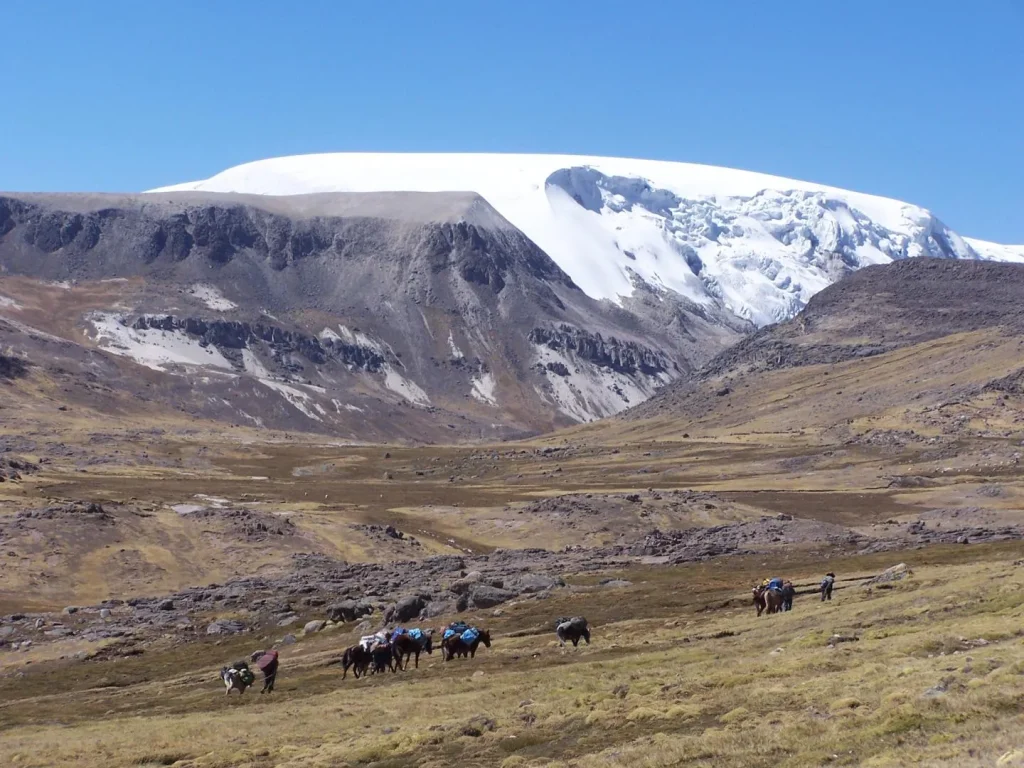
From the road’s end, access continues on foot, often supported by horses or mules arranged through local communities.
The terrain consists of:
- Puna: open grasslands
- Rolling moraines
- Shallow river crossings
Daily distances are moderate, but altitude slows pace. Camps are fully exposed to wind and cold.
Approaching the Ice Cap
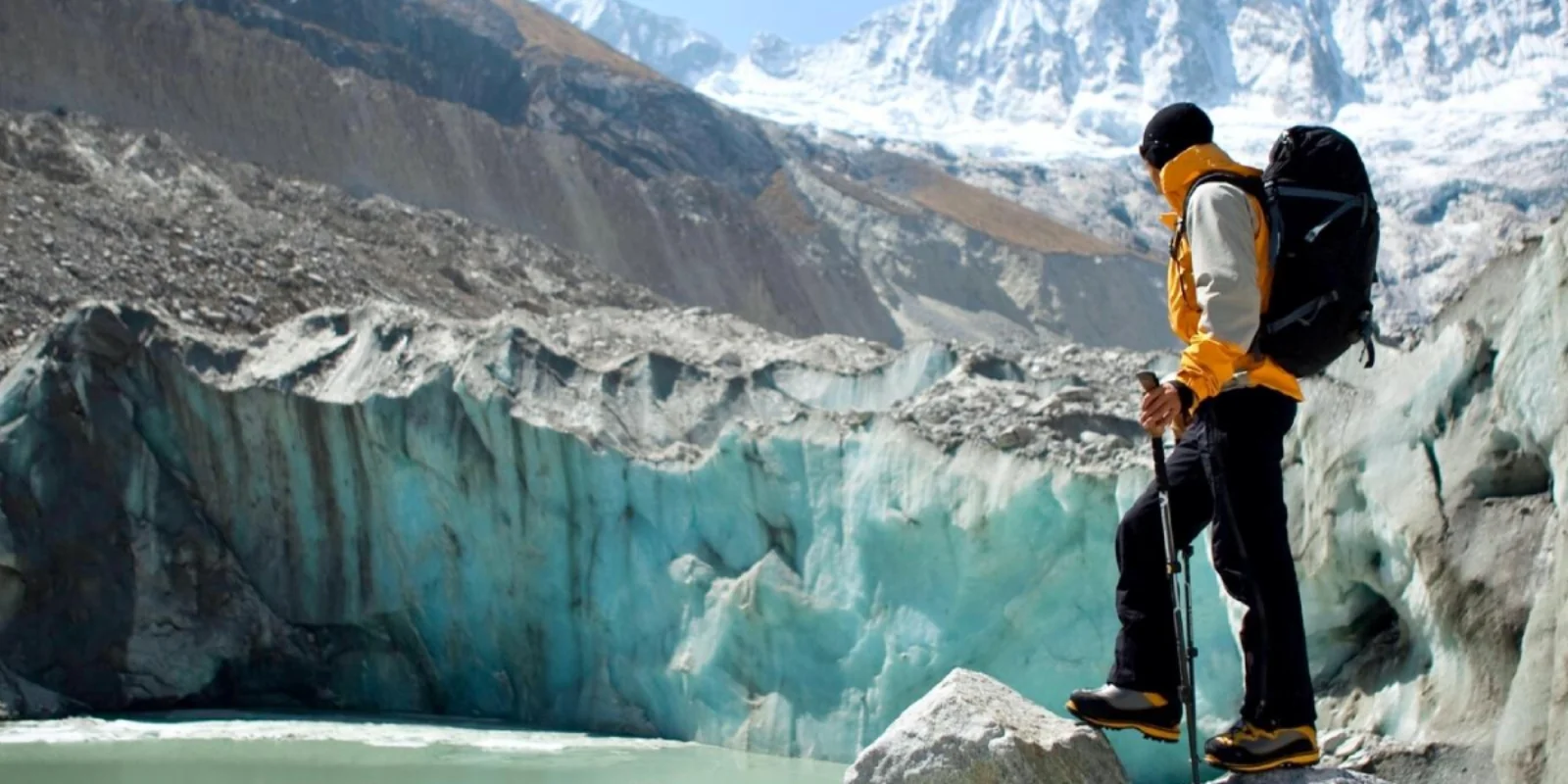
Closer to Qelqaya, vegetation disappears and terrain becomes glacial:
- Moraine fields
- Meltwater channels
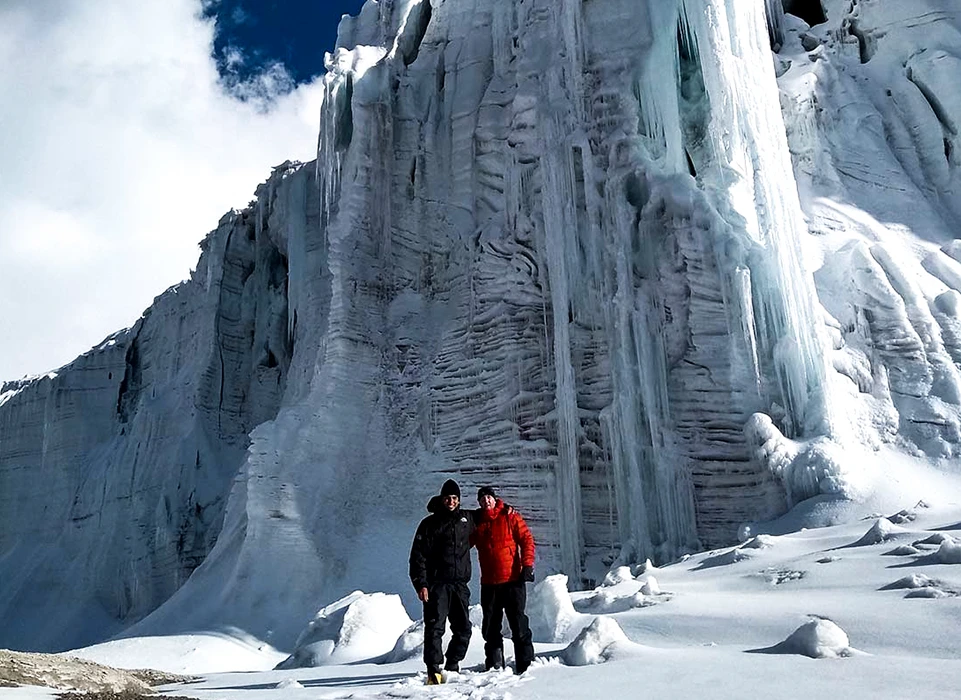
- Ice tongues extending from the main ice cap
Camping is done on rocky or frozen ground. Nights are consistently cold, and weather can change quickly.
Weather Conditions at Qelqaya
Weather is one of the defining factors of the experience. Snowfall is possible year-round, regardless of season.
Temperatures
- Daytime: 0°C to 8°C (32°F to 46°F)
- Nighttime: −10°C to −20°C (14°F to −4°F)
- Wind chill can make conditions feel significantly colder
Seasons
- Dry season (May–September):
- More stable weather
- Clear mornings, strong afternoon winds
- Coldest nighttime temperatures
- Wet season (December–March):
- Frequent snow and rain
- Cloud cover and limited visibility
- Difficult road access and slower travel
What You Do at Qelqaya
Activities are simple but demanding:
- Trekking across high-altitude terrain
- Setting and breaking camp in cold conditions
- Navigating glacial landscapes
- Observing ice retreat, meltwater systems, and exposed terrain
This is not a summit objective. The experience focuses on access, observation, and movement, rather than technical climbing.
What to Pack for Qelqaya
Packing correctly is critical due to isolation and weather exposure.
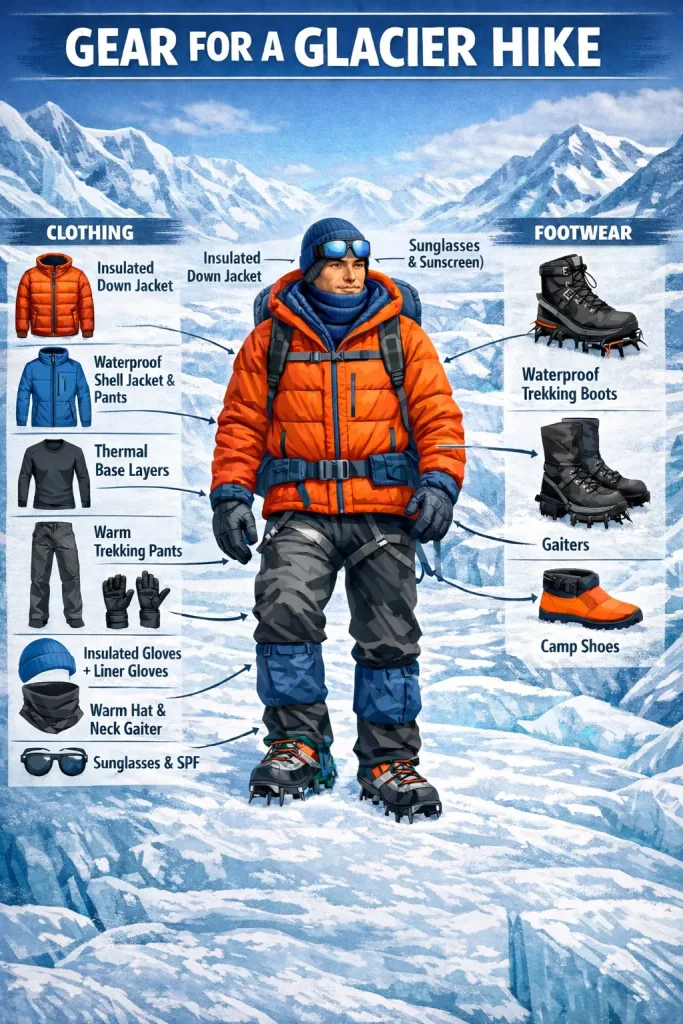
Clothing
- Insulated down or synthetic jacket
- Waterproof shell (jacket and pants)
- Thermal base layers (multiple sets)
- Warm trekking pants
- Insulated gloves + liner gloves
- Warm hat and neck gaiter
- High-altitude sun protection (hat, sunglasses, SPF)
Footwear
- Waterproof trekking boots
- Gaiters
- Camp shoes
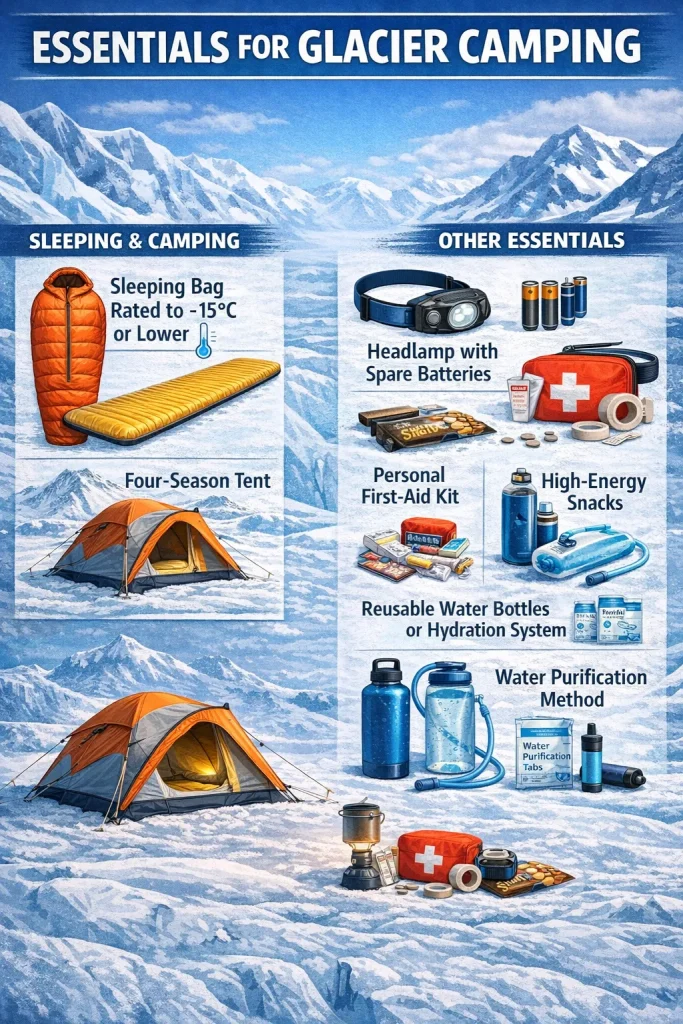
Sleeping & Camping
- Sleeping bag rated to −15°C or lower
- Sleeping pad
- Four-season tent
Other Essentials
- Headlamp with spare batteries
- Personal first-aid kit
- High-energy snacks
- Reusable water bottles or hydration system
- Water purification method
- Sunscreen and lip protection
Who This Trip Is For?
Qelqaya is suitable for:
- Experienced hikers with prior high-altitude exposure
- Travelers comfortable in remote environments
- Scientific, educational, or expedition-focused groups
It is not recommended for:
- First-time high-altitude trekkers
- Travelers with limited acclimatization time
Why Qelqaya Is Worth the Effort?
Qelqaya offers something increasingly rare: direct access to a large tropical glacier without built infrastructure.
The effort required to reach it filters visitors and preserves its character. More importantly, it provides context about how quickly these environments are changing.