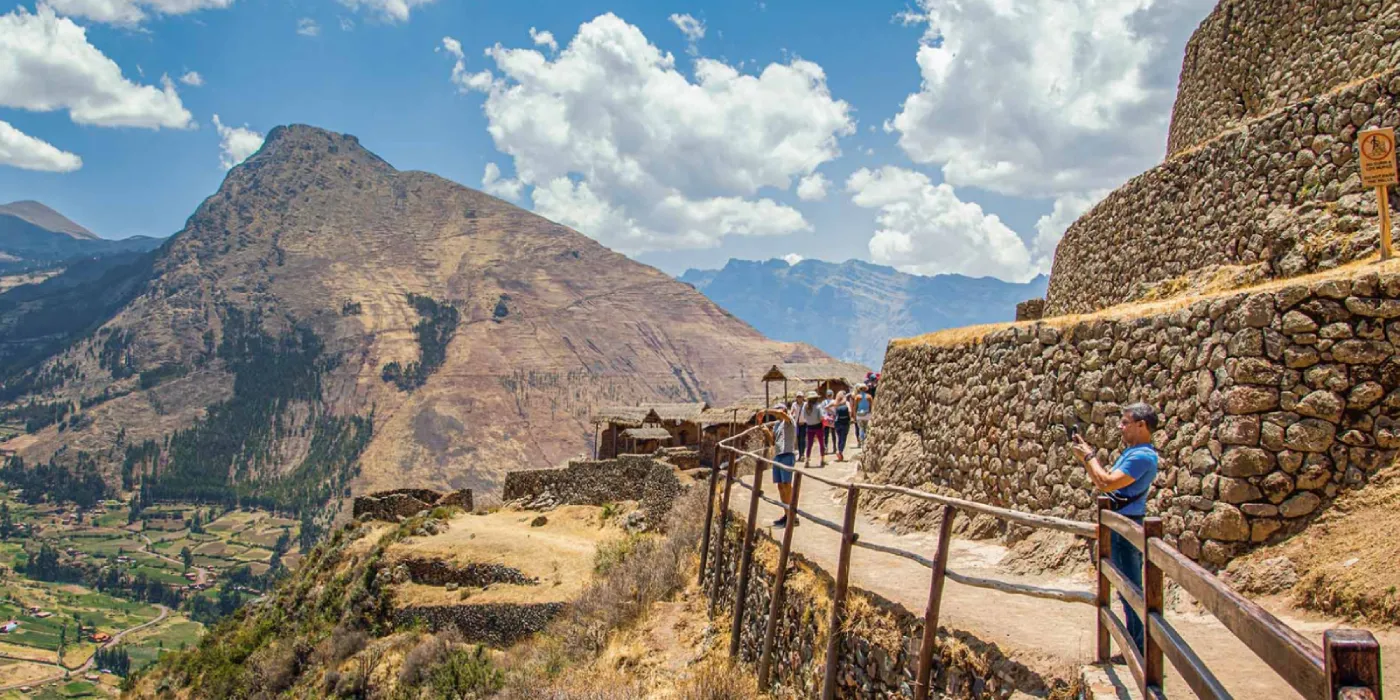
At the eastern edge of the Sacred Valley, where the mountains begin to tighten around the Vilcanota River, Pisac unfolds in layers. High above the valley floor, finely carved terraces and ceremonial spaces appear in the mountainside. Below, a small Andean town moves at a slower rhythm. Markets, workshops, ovens, and quiet courtyards shape daily life.
Pisac is a place where Inca planning, agriculture, spirituality, and contemporary culture coexist in a way few sites in the Sacred Valley can match.
Why Pisac Matters?
Pisac was one of the most strategically important centers of the Inca Empire in the Sacred Valley. Its location allowed control over agricultural production, access routes into the Amazon-facing valleys, and communication with Cusco itself.
What sets Pisac apart is scale and organization. The site is a ceremonial complex integrated with a system where farming, ritual life, housing, and funerary spaces were designed to function together. The Incas used the full vertical landscape, from the valley floor to the ridge lines, turning steep terrain into productive and sacred space.
Visiting Pisac offers insight into how the Incas thought about land. Not as something to dominate, but something to organize intelligently.
Where Is Pisac Located & How to Get There?
Pisac sits about 33 kilometers (20 miles) northeast of Cusco, marking the traditional entrance to the Sacred Valley.
- By car or tour: Around 45 minutes from Cusco
- By public transport: Buses and colectivos depart regularly from Cusco
- Altitude:
- Pisac town: 2,972 m / 9,751 ft
- Archaeological site: rises above 3,300 m / 10,800 ft
Because of its location, Pisac works well as either the first or last stop on a Sacred Valley route.
The Pisac Archaeological Site: Inca Engineering
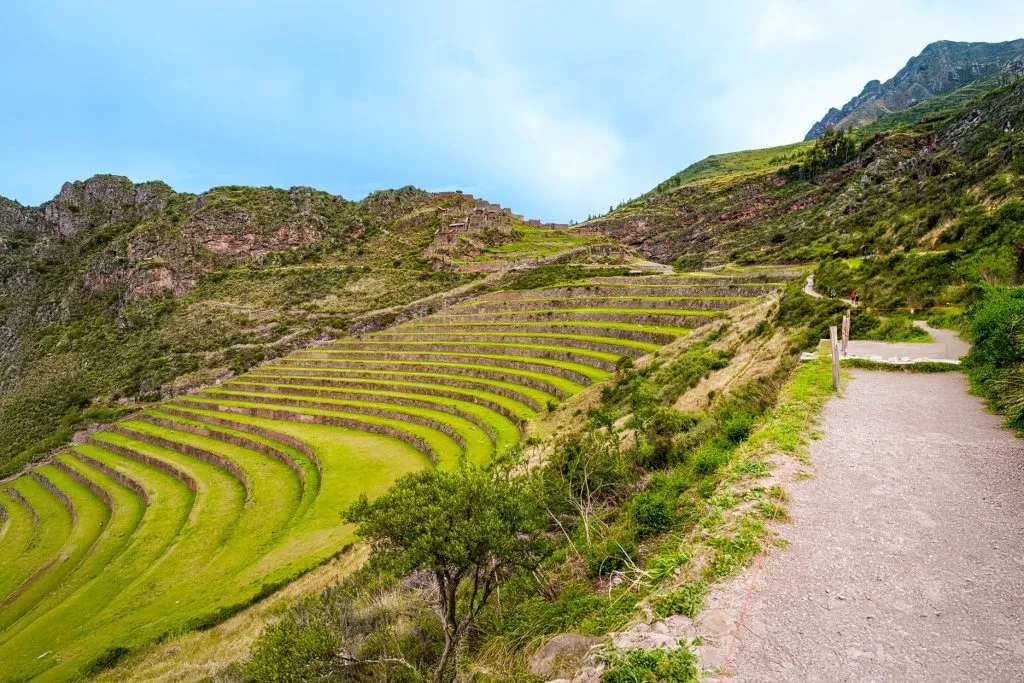
Monumental Agricultural Terraces
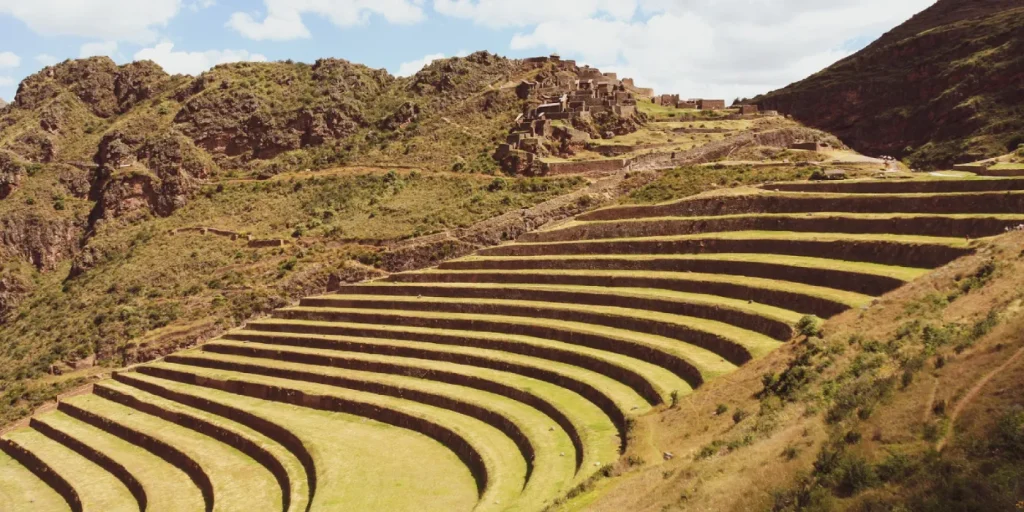
The first thing most visitors notice is the large amount of terraces. These were not only for food production but also for soil stabilization, drainage, and microclimate control. Each level was engineered to reduce erosion and retain moisture, allowing crops to thrive on steep slopes. They demonstrate how deeply the Incas understood mountain agriculture and long-term land management.
Urban and Ceremonial Sectors
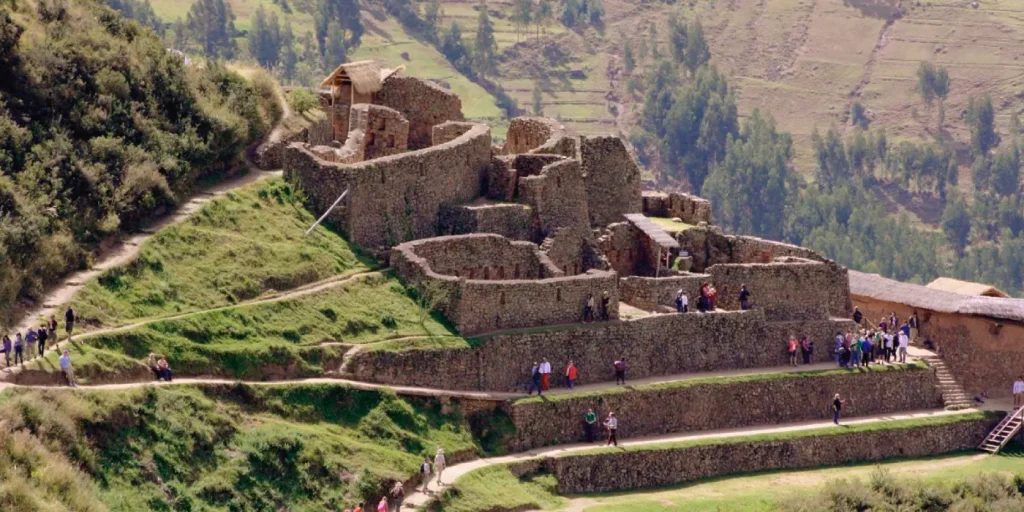
Beyond agriculture, Pisac includes residential zones, ritual platforms, and administrative areas. The stonework varies by function. Finely cut blocks in ceremonial spaces and more utilitarian construction in residential zones, this reflects social hierarchy and purpose.
The Intihuatana and Sacred Geography
Pisac’s Intihuatana stone served as a ritual marker connected to solar observation and sacred geography. Rather than functioning in isolation, it aligns visually with surrounding mountains “Apus” and the Sacred Valley below, reinforcing the Inca belief that landscape, astronomy, and spirituality were inseparable.
Funerary Zones and Cliffside Tombs
One of Pisac’s most distinctive features is its funerary sector. Tombs were carved into nearly vertical cliff faces, overlooking the valley. Placement mattered, elevation symbolized closeness to the upper world “Hanan”, and burial locations were chosen with spiritual intent.
Walking Through Pisac: The Experience on Site
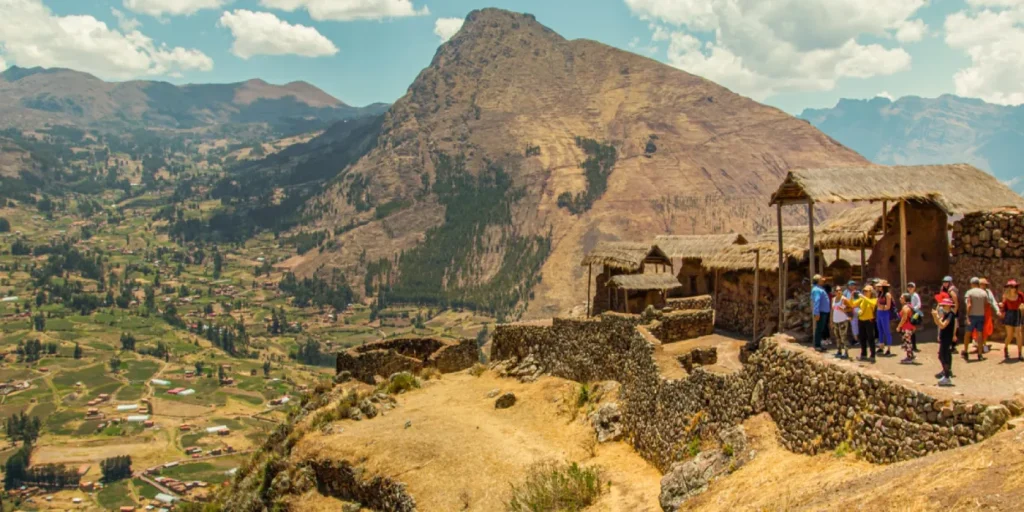
Trails connect terraces, ceremonial areas, and viewpoints with panoramas of the valley. Pisac encourages slow movement, pauses to observe patterns in the stonework, changes in elevation, and how the complex interacts with the terrain. It’s a site that rewards time and curiosity.
Pisac Town & Market: Living Culture Below the Ruins
At the base of the ruins lies Pisac town, where daily life has slowly evolved from colonial, to republican times. The relationship between town and ruins is direct: fields, pathways, and traditions extend upward into the archaeological landscape.
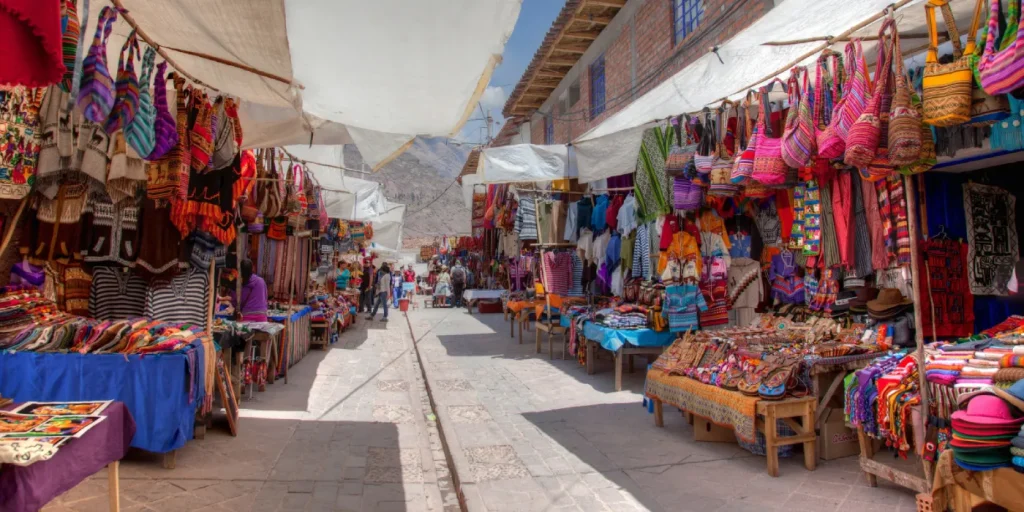
The market blends local commerce with craft production. While it attracts visitors, it remains an important space for regional trade, not just tourism.
Main Activities Around Pisac
Exploring the Pisac Archaeological Site
Visitors can explore the site via upper or lower access points, with options for guided walks or independent exploration. A guide helps contextualize the terraces, ceremonial zones, and burial areas, especially for travelers interested in Inca engineering and cosmology.
Pisac Market
Beyond souvenirs, the market showcases handcrafts, textiles, and everyday goods. It’s one of the best places in the Sacred Valley to observe local trade in action.
Silverwork Workshops
Pisac is well known for handcrafted silver jewelry. Local artisans work with Andean symbols and traditional techniques, producing pieces that reflect regional identity. Knowing the difference between artisan workshops and mass-produced items helps travelers make informed purchases.
The Traditional Empanada Oven
One of Pisac’s quiet landmarks is its historic adobe empanada oven, still used daily. Simple, local, and rooted in tradition, it’s a reminder that cultural heritage isn’t only found in ruins.
Yoga Retreats and Wellness Centers
Over the years, Pisac has become a hub for yoga, meditation, and holistic retreats. The town’s calm rhythm, natural surroundings, and long-stay community make it attractive for travelers seeking balance and reflection.
Ancestral Medicine & Spiritual Retreats
Pisac is also known for hosting retreats connected to ancestral plant-medicine traditions, including Ayahuasca and San Pedro. These practices are part of broader spiritual and cultural frameworks and should be approached thoughtfully. Travelers interested in this aspect of Pisac should prioritize ethical operators, legal awareness, and personal responsibility.
This dimension of Pisac reflects its role as a modern spiritual crossroads, but it’s one layer of a larger cultural landscape.
Light Walks & Viewpoints
Short walks around town and nearby hills offer valley views without demanding hikes, making Pisac accessible to a wide range of travelers.
When Is the Best Time to Visit Pisac?
- Dry season (May–September): Clear skies and excellent visibility
- Green season (November–March): Lush landscapes, fewer crowds, occasional rain
- Market days: Bring extra energy and color, but also more visitors
Mornings are generally best for exploring the archaeological site.
Who Is Pisac For?
Pisac appeals to:
- Travelers interested in Inca history and landscape engineering
- Visitors seeking cultural depth beyond classic Sacred Valley stops
- Slow travelers and long-stay visitors
- Those curious about Andean spirituality and contemporary wellness culture
Practical Tips for Visiting Pisac
- Allow at least half a day for the ruins and town
- Wear good walking shoes, trails are uneven and exposed
- Bring sun protection and water
- Consider a guide for deeper historical context
- Be respectful when engaging with spiritual or cultural practices
Why Pisac Is Essential to Understanding the Sacred Valley
Pisac is a place where ancient engineering, living culture, and modern spiritual life intersect naturally. To understand the Sacred Valley fully, you need to see how it works from the mountains down, and Pisac tells that story better than almost anywhere else.
FAQS
Is Pisac worth visiting?
Yes. Pisac offers one of the most complete views of how the Incas organized land, agriculture, and ritual life.
How physically demanding is the site?
Moderate. There is walking and elevation change, but routes can be adapted.
Can I visit Pisac in one day from Cusco?
Yes, it’s an easy half- or full-day trip.
Do I need a guide for the ruins?
Not required, but recommended for historical and cultural insight.
Why is Pisac associated with wellness and retreats?
Its setting, pace, and long-standing spiritual traditions have made it a natural center for reflective and holistic travel.