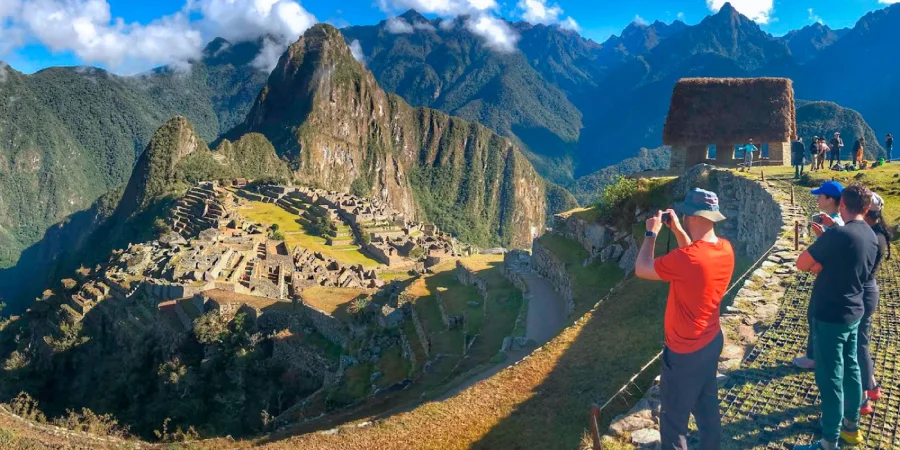
For many travelers Peru sits high on the bucket list, and just as high, on the list of questions: is it safe? How serious is altitude? What about food, transport, and healthcare?
The good news is this: Peru is a safe and rewarding destination when you travel informed and prepared. Most issues travelers worry about are manageable, predictable, and easy to avoid with the right planning.
This guide breaks down what actually matters for your safety and health in Peru, so you can focus on enjoying the experience.
Is Peru Safe to Travel?
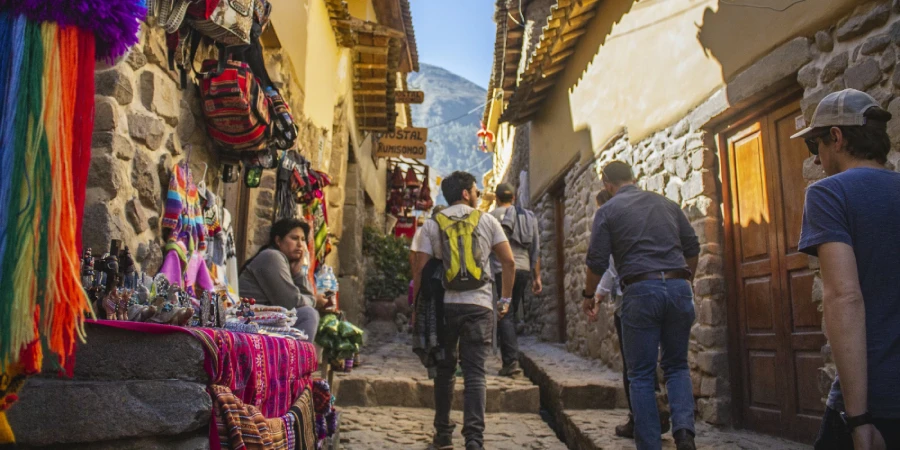
Yes, especially in the regions and routes most travelers visit.
Peru has a long-established tourism infrastructure, particularly in Cusco, the Sacred Valley, Lima, Arequipa, and Machu Picchu routes. Millions of travelers visit every year without incident.
That said, safety in Peru, like anywhere, depends on:
- Awareness
- Preparation
- Making smart decisions on the ground
General Safety Tips for Travelers in Peru
Most safety concerns in Peru involve petty theft, not violent crime.
Smart habits that go a long way:
- Keep valuables out of sight
- Use hotel safes when available
- Avoid walking alone late at night in unfamiliar areas
- Be cautious in crowded places (markets, bus stations)
- Use registered taxis or taxi apps in cities
Tourist areas are generally very safe and accustomed to international visitors.
Health Considerations in Peru: What Changes by Region
Peru’s geography is diverse, and health considerations change depending on where you are traveling.
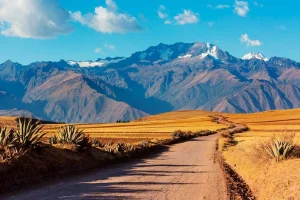
- Andes (Cusco, Sacred Valley): altitude is the main factor
- Amazon: humidity, insects, and tropical conditions
- Coast (Lima, Paracas): mild climate, fewer health challenges
Understanding this helps you plan your route and pacing more effectively.
Altitude Sickness: What to Expect & How to Prevent It
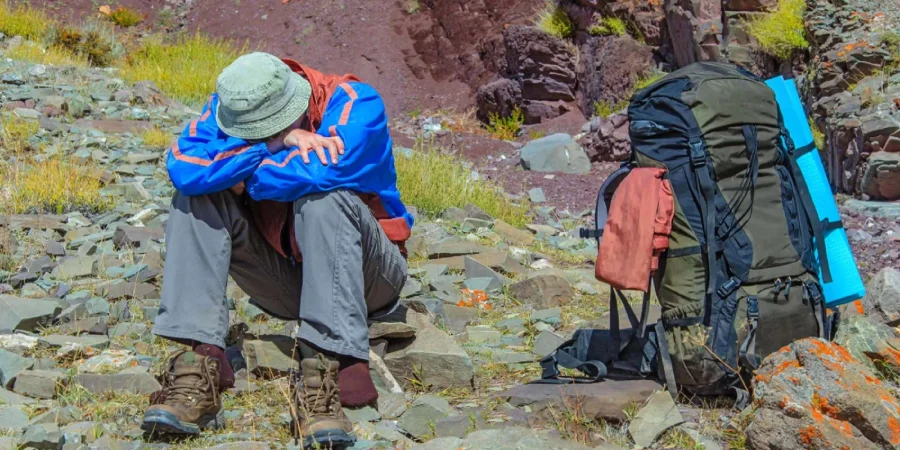
Altitude sickness is the most common health concern for travelers to Peru, and also the most misunderstood.
What Is Altitude Sickness?
It occurs when your body doesn’t have enough time to adapt to lower oxygen levels, usually above 2,500 meters (8,200 ft).
Common Symptoms
- Headache
- Fatigue
- Shortness of breath
- Loss of appetite
- Difficulty sleeping
How to Reduce Your Risk
- Start your trip in lower-altitude areas when possible
- Take it easy on your first day
- Stay hydrated
- Eat light meals
- Avoid alcohol initially
Most travelers experience mild symptoms or none at all, especially with good acclimatization planning.
Food & Water Safety in Peru
Peruvian cuisine is a highlight of the trip, and safe to enjoy with basic precautions.
Water
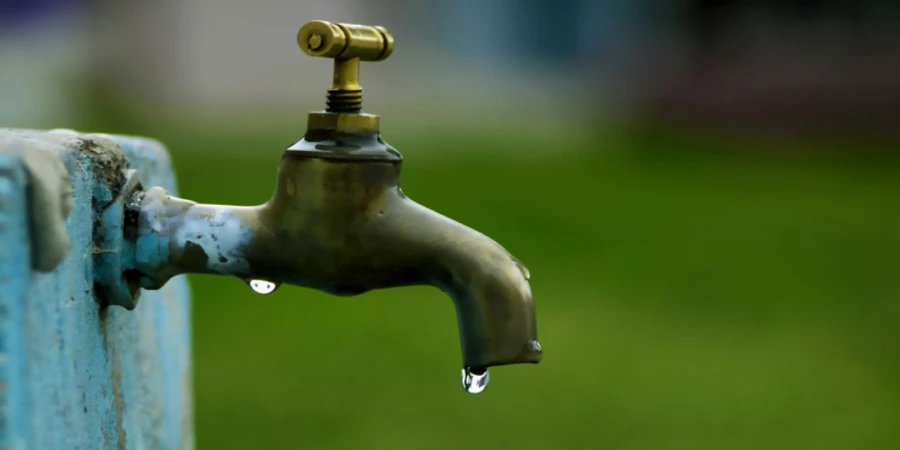
- Do not drink tap water
- Use bottled or filtered water for drinking and brushing teeth
Food
- Eat at busy restaurants and food stalls
- Avoid raw foods during your first days at altitude
- Wash or sanitize hands before eating
Markets and street food are part of daily life in Peru, locals eat there safely by choosing fresh, high-turnover stalls.
Transportation Safety in Peru
Transportation in Peru is generally safe when you choose the right options.
Flights
Domestic flights are reliable and widely used for longer distances.
Buses
- High-quality bus companies offer comfortable and safe service
- Overnight buses should be chosen carefully
Trains
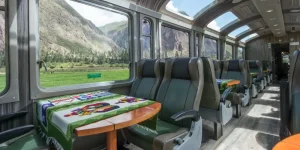
Train routes in the Cusco region are well-established and safe, especially for Machu Picchu.
Taxis
- Use hotel-arranged taxis or taxi apps
- Avoid hailing random taxis late at night
For remote areas and trekking routes, guided transport significantly reduces risk.
Health Preparation Before Traveling
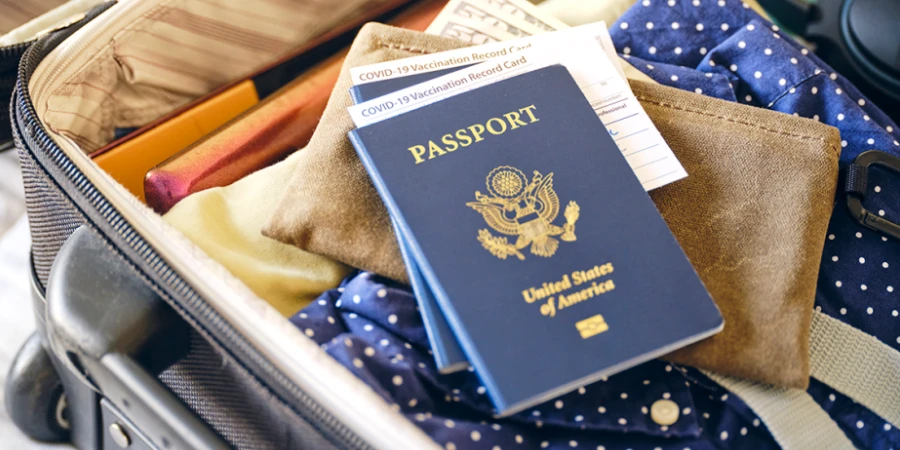
A bit of preparation before your trip makes a big difference.
Recommended steps:
- Purchase comprehensive travel insurance
- Bring personal medications in original packaging
- Pack a small first-aid kit
- Carry digital and paper copies of documents
Vaccination requirements vary by region and itinerary; travelers should consult their healthcare provider in advance.
Medical Care & Emergencies in Peru
Major cities like Lima, Cusco, and Arequipa have:
- Private clinics
- Well-stocked pharmacies
- English-speaking medical professionals
Pharmacies are common and can provide many medications without a prescription.
Emergency number in Peru: 📞105 (Police)
Safety Tips by Region
Cusco & the Andes
- Pace yourself at altitude
- Stay warm during the evenings
- Use guides for hikes and remote sites
Amazon Region
- Use insect repellent
- Wear long sleeves and breathable clothing
- Follow lodge or guide instructions
Coastal Cities
- Be cautious with belongings in busy urban areas
- Follow local advice for neighborhoods and timing
Remote Trekking Areas
- Guided travel is strongly recommended
- Weather and terrain can change quickly
- Communication and emergency support matter
Guided Tours vs Independent Travel: A Safety Perspective
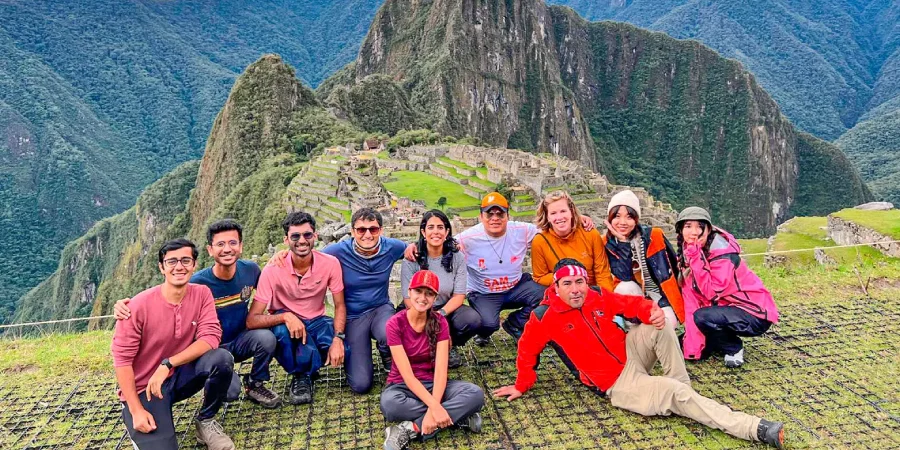
Independent travel works well in cities and main routes.
However, guided travel adds safety when:
- Traveling at high altitude
- Visiting remote regions
- Trekking or camping
- Managing logistics across multiple regions
Local guides provide real-time decision-making, medical awareness, and logistical support. The best way for preventing issues before they arise.
Common Myths About Safety in Peru
- “Peru is dangerous.”
Most trips are smooth and incident-free. - “Altitude sickness happens to everyone.”
It doesn’t, and good planning reduces risk significantly. - “Street food is unsafe.”
Many travelers enjoy it safely by choosing wisely.
Travel Peru with Confidence
Peru rewards travelers who arrive informed and open-minded. With thoughtful planning, basic precautions, and realistic expectations, safety and health concerns rarely interfere with the experience.
If you want help designing a Peru itinerary that balances adventure, comfort, and safety, our team is here to help you plan with confidence.