Altitude & Reality Guide
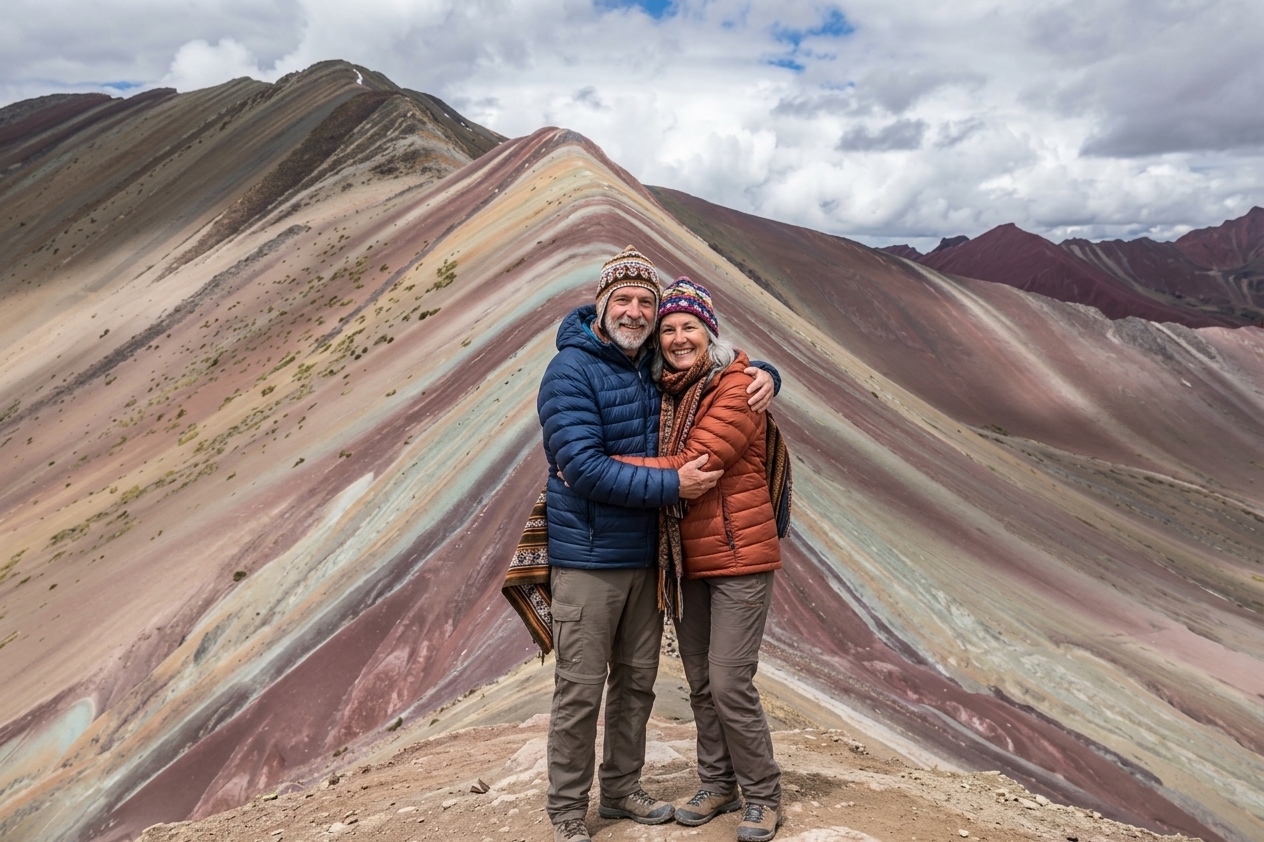
Standing at the summit of Vinicunca, surrounded by turquoise, magenta, and gold mineral stripes framed by the snow-capped peak of Mount Ausangate, is one of Peru’s most iconic experiences.
How hard is the Rainbow Mountain hike? Physically, the trail itself is rated as moderate, covering roughly 7 km (4.3 miles) round-trip along a gradual incline with an elevation gain of 600 meters (1,968 feet). Most reasonably fit travelers complete the full ascent in 1.5 to 2 hours, provided they properly acclimatize in Cusco or the Sacred Valley for at least 2 to 3 days prior to the trek.
However, social media often hides the true physical reality behind those viral photographs. Because the trailhead starts at 4,600 meters (15,091 feet) and reaches an extreme summit altitude of 5,200 meters (17,060 feet), usable atmospheric oxygen drops by roughly 50 percent compared to sea level.
This thin air causes even experienced runners to gasp for breath within ten minutes. Ultimately, Rainbow Mountain is not a technical climb, but a high-altitude endurance challenge.
Understanding the physical demands, recognizing early altitude sickness symptoms, and relying on professional oxygen safety protocols is what turns a challenging ordeal into an unforgettable bucket-list triumph.
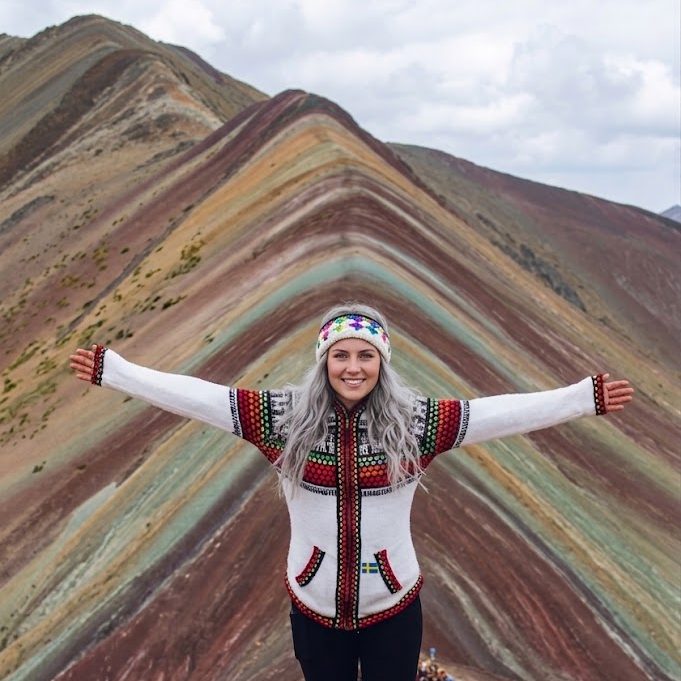
Rainbow Mountain Quick Trail Facts
The 5,200m Reality: What Happens to Your Body at Vinicunca?
The primary reason Rainbow Mountain feels so difficult is atmospheric pressure. At sea level, air contains roughly 21 percent effective oxygen pressure. At 5,200 meters (17,060 feet), available oxygen drops by nearly half.
Usable Oxygen by Altitude
When you begin hiking, your body attempts to compensate for thin air by accelerating your heart rate and forcing deeper, rapid breaths. Even experienced runners often find themselves walking at a fraction of their usual pace.
Common Altitude Symptoms on the Trail
- Mild and Normal: Fast heart rate, heavy breathing, mild tingling in fingers, and light pressure in the forehead.
- Signs to Slow Down: Throbbing headache, nausea, loss of appetite, and feeling lightheaded.
- Red Flags (Turn Back Immediately): Severe dizziness, persistent vomiting, loss of coordination, or confusion.
Altitude Symptoms Safety Matrix
Fast heart rate, heavy breathing, mild tingling in fingers, light forehead pressure.
Throbbing headache, mild nausea, loss of appetite, feeling lightheaded or sluggish.
Severe dizziness, persistent vomiting, loss of coordination, or mental confusion.
Trail Breakdown: What the Hike Actually Looks Like
Phase 1: The Gradual Valley Walk (First 80%)
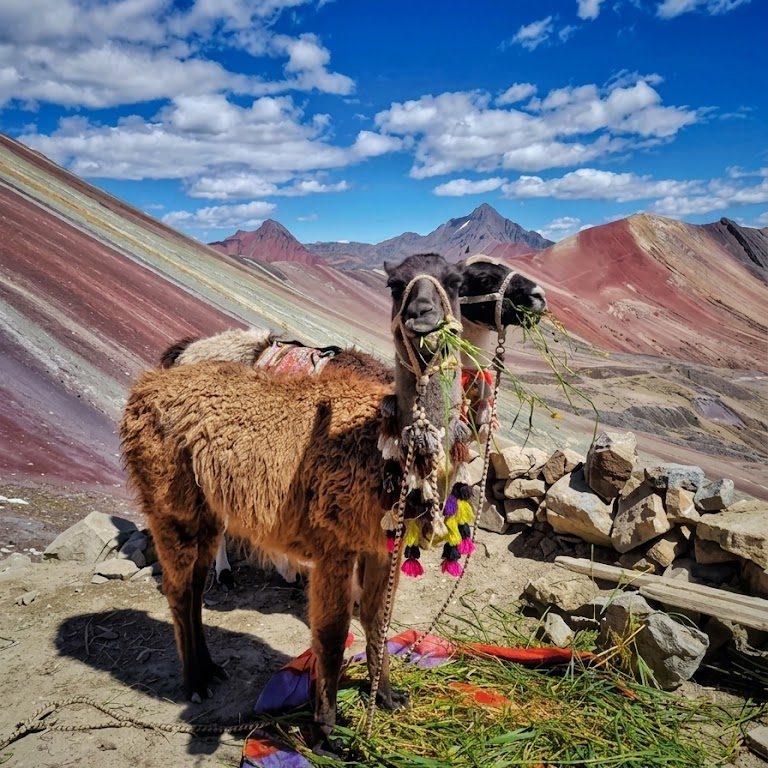
The first two-thirds of the trail wind through an open alpine valley past herds of grazing llamas and alpacas. The incline is gentle and gradual. The challenge here is purely lung capacity; as long as you maintain a steady, rhythmic pace, this section feels manageable for most hikers.
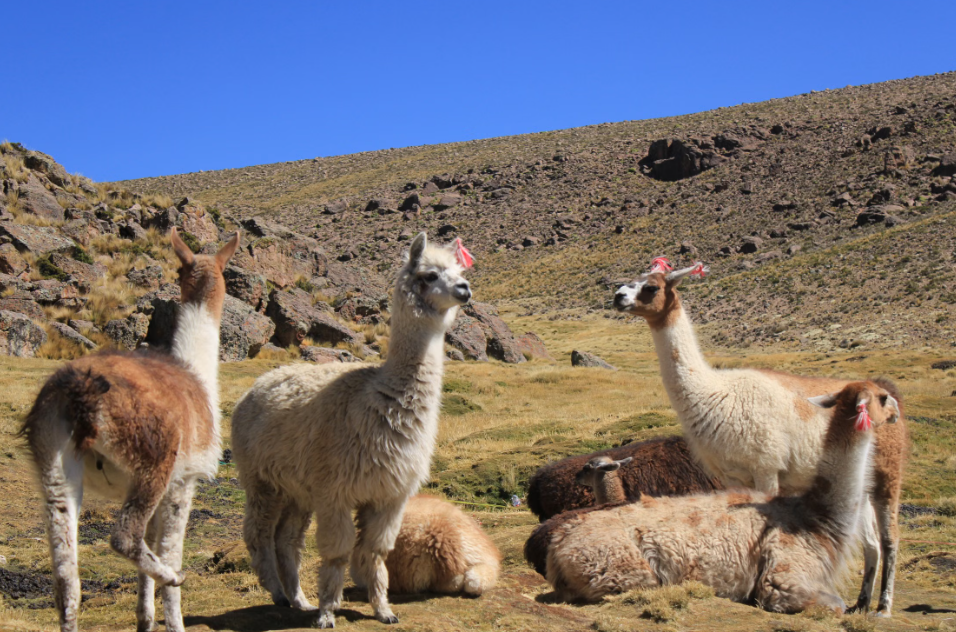
Phase 2: The Final Summit Switchbacks (Last 20%)
The final 500 meters of the trail turn sharply upward toward the main viewpoint ridge. This section features steep switchbacks over loose gravel and dirt. Because you are crossing the 5,000-meter mark, this steep climb requires small, deliberate steps, often resting every 10 to 15 paces.
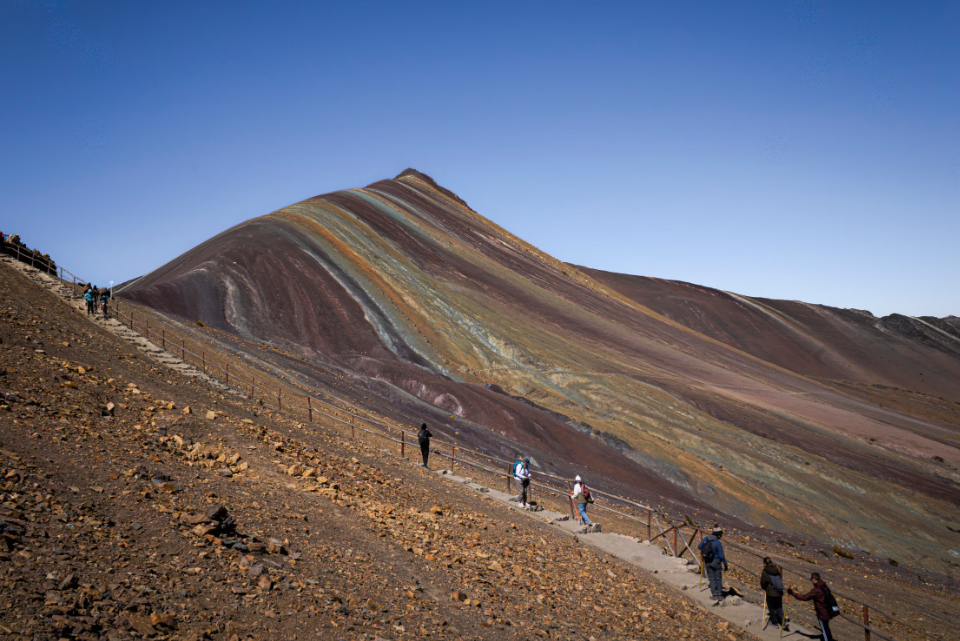
Oxygen Availability & Emergency Safety Rules
As local Cusqueñian guides, our top rule at Apple Travel Peru is simple: never trek above 5,000 meters without dedicated safety backup.
1. Portable Emergency Oxygen
Professional tour operators carry medical-grade portable oxygen cylinders on every Vinicunca excursion. If a hiker experiences severe shortness of breath or dizziness near the summit, inhaling pulse-oxygen for 3 to 5 minutes immediately lowers their heart rate and stabilizes their condition.
2. Local Horse Support
Community members from the local indigenous villages (Pitumarca and Cusipata) offer horse rides along the trail. If you feel overwhelmed by the incline or altitude early in the hike, you can rent a horse (driven by a local handler) to carry you up to the base of the final summit ridge for approximately 80 to 100 Soles ($22 to $27 USD).
Note: Horses cannot climb the steep, final stairs to the top viewpoint due to safety regulations; you must complete the last 10-minute stretch on foot.
How to Prepare: 4 Rules to Conquer Vinicunca Safely
- Acclimatize in Cusco First (Mandatory): Do not book a Rainbow Mountain tour for your first or second day in Peru. Spend at least 2 to 3 full days doing low-impact activities in Cusco (3,400 m) or the Sacred Valley (2,850 m) before ascending to 5,200 m.
- Master the “Micro-Break” Pace: Avoid sprinting ahead and then collapsing on a rock. Use short, deliberate steps and pause for 10 to 15 seconds while standing upright to catch your breath.
- Layer Up for Volatile Mountain Weather: Temperatures at the base can be mild, but the summit ridge is extremely windy and often drops near freezing (0°C or 32°F). Wear thermal base layers, a fleece, a windproof outer jacket, a beanie, and gloves.
- Hydrate and Avoid Heavy Meals: Drink 2 to 3 liters of water or electrolyte liquids the day before. Avoid heavy, greasy dinners and alcohol the night before your 3:00 AM pickup, as digestion slows significantly at high altitudes.
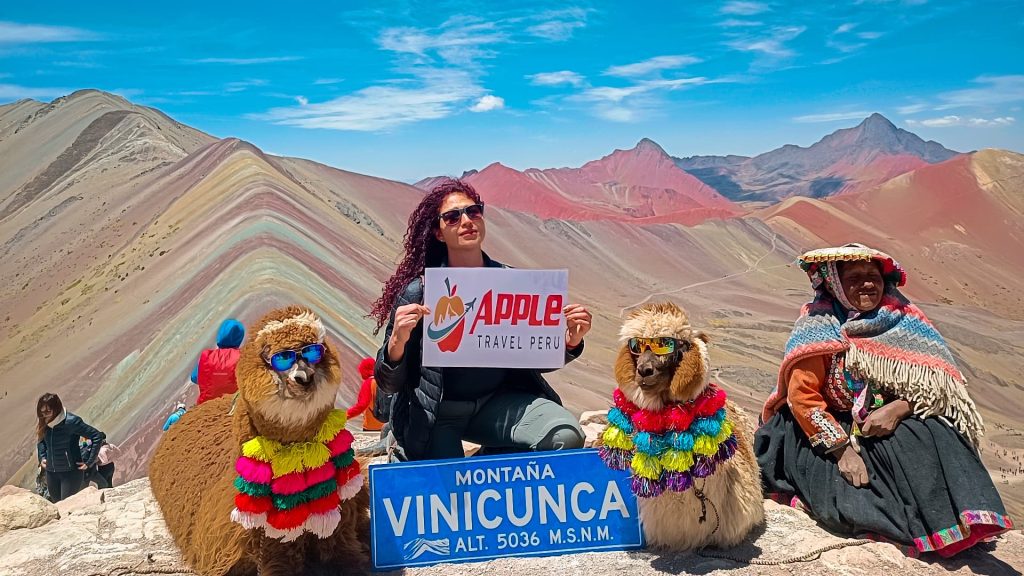
Frequently Asked Questions: Rainbow Mountain Difficulty
Q: Can beginners hike Rainbow Mountain?
A: Yes. Beginners and older travelers complete the hike daily. The key requirement is taking 2 to 3 days to acclimatize in Cusco beforehand, maintaining a slow walking pace, and taking advantage of local horse rentals if needed.
Q: How long does the Rainbow Mountain hike take?
A: The round-trip walk takes between 2.5 and 3.5 hours total. Most groups spend around 1.5 to 2 hours ascending, 30 to 45 minutes taking photos at the viewpoint, and 1 hour returning downhill to the parking lot.
Q: Is Rainbow Mountain harder than the Inca Trail?
A: The Inca Trail demands multi-day physical endurance across 42 km of stone steps, whereas Rainbow Mountain is a brief 7 km day hike. However, Rainbow Mountain reaches a higher maximum altitude (5,200 m) than the highest point on the Inca Trail (4,215 m), making breathlessness feel more intense at Vinicunca.
Q: Are oxygen tanks provided on guided tours?
A: Reputable local agencies including Apple Travel Peru, carry emergency oxygen tanks and first-aid kits on every excursion. Always verify that your chosen tour operator includes full safety protocols before booking.
Q: What is the best time of day to avoid crowds at Vinicunca?
A: Standard tour buses arrive at the trail between 6:30 AM and 8:30 AM. Opting for a private tour or an early-departure group (leaving Cusco around 3:00 AM) allows you to reach the summit viewpoint before the main crowds arrive.
Experience Vinicunca Safely with Apple Travel Peru.
Our small-group excursions prioritize guest safety, comfort, and authentic local cultural connections:
- Book Our Full-Day Rainbow Mountain Hike – Includes early-bird departure, professional bilingual guides, high-altitude emergency oxygen equipment, and gourmet breakfast.
- Explore Our 3-Day Sacred Valley, Machu Picchu & Rainbow Mountain Package – Perfectly paced to help you comfortably acclimatize at lower elevations before tackling Vinicunca.
- Sacred Valley, 2 Day Inca Trail & Rainbow Mountain Package 4 Days – Combine high-altitude trekking with world-class guided routes tailored by native Cusqueñian adventure experts