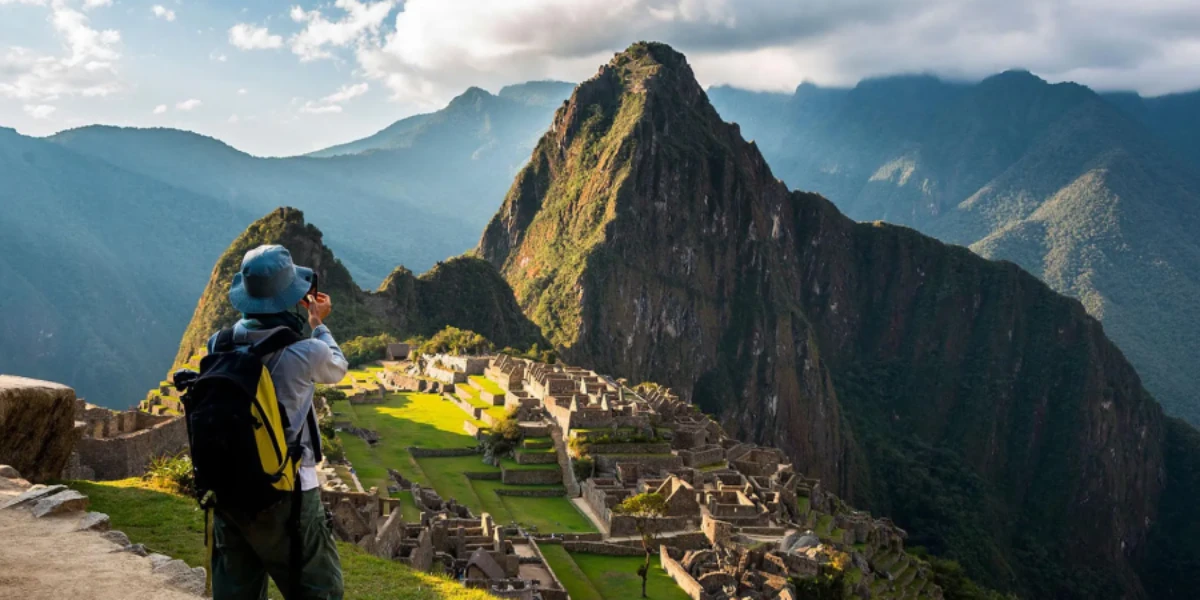
Machu Picchu may be the image that first comes to mind when you think of Peru, but some of the country’s most powerful photographs happen long before you reach it, and many others far away from it.
Along remote trekking routes, high mountain passes, quiet campsites, and living cities like Cusco, Peru reveals itself in layers. This guide focuses on the best photo opportunities beyond the postcard, combining landscapes, archaeology, and living culture.
Peru Through a Lens: Landscapes and Living Culture
Peru offers two types of photography that rarely coexist in the same journey:
- Epic landscapes and ancient sites
- Everyday life, traditions, and cultural expression
The most meaningful images often come from the moments in between: a morning in a mountain camp, a festival procession, a meal being prepared in a market, or a quiet street at first light.
Inca Trail: Where History and Landscape Intersect
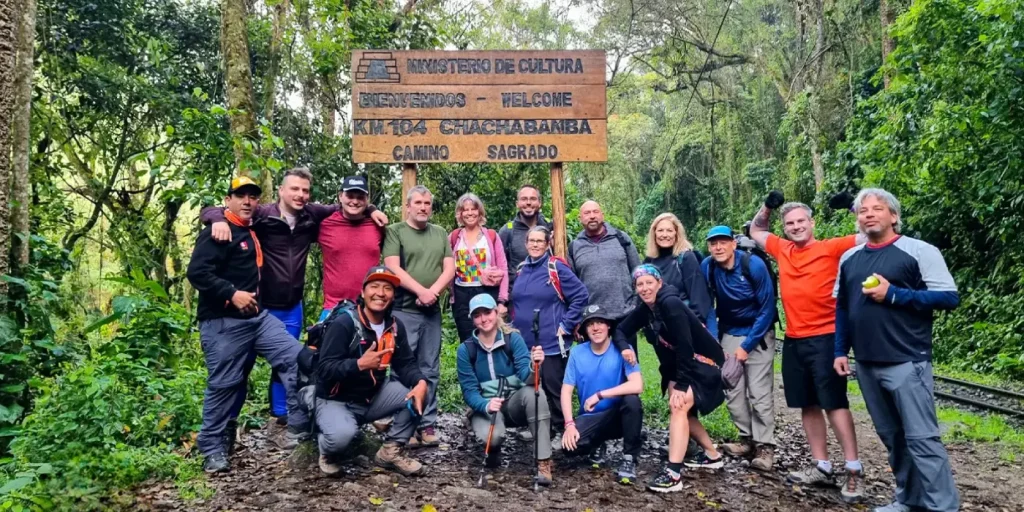
Unlike other treks in Peru, the Inca Trail is not defined by a single viewpoint. Its strength lies in how archaeological sites, engineered paths, and natural environments unfold gradually, creating layered photographic opportunities day after day.
Key Photo Spots Along the Inca Trail
Patallacta
- First major archaeological site on the trail
- Terraced ruins set above the Urubamba River
- Strong compositions combining geometry, river curves, and surrounding peaks
Why it’s relevant:
It introduces the scale of Inca engineering and immediately sets the historical tone of the trek.
Runkurakay
- Circular Inca structure perched on a mountain slope
- Open views toward surrounding valleys
Why it’s relevant:
The isolated placement creates powerful images of architecture in dialogue with terrain, especially in shifting mountain light.
Dead Woman’s Pass (Warmiwañusca – 4,215 m / 13,828 ft)
- Highest point on the trail
- Wide mountain views, often with clouds rolling through
Why it’s relevant:
This is where landscape photography takes over: scale, altitude, and human effort become visible in a single frame.
Sayacmarca
- One of the most photogenic ruins on the Inca Trail
- Built along a ridge with steep drop-offs and stone staircases
Why it’s relevant:
Its dramatic positioning allows for strong depth and perspective, especially when photographed from above or at an angle.
Phuyupatamarca: “Town Above the Clouds”
- High-altitude complex often surrounded by mist
- Known for terraces, ceremonial baths, and cloud movement
Why it’s relevant:
This is one of the best locations on the trail for atmosphere-driven photography: fog, soft light, and layered stonework.
Intipata
- Expansive agricultural terraces overlooking the Sacred Valley
- Open, sunlit setting compared to forested sections
Why it’s relevant:
The terraces create natural leading lines and repeating patterns, ideal for wide-angle compositions.
Wiñay Wayna
- The largest and most complex site before Machu Picchu
- Steep terraces cascading down the mountainside
Why it’s relevant:
The verticality and scale make this one of the most visually striking sites, especially in late afternoon light.
Inti Punku
- Final viewpoint overlooking Machu Picchu
- First glimpse of the citadel for Inca Trail hikers
Why it’s relevant:
Beyond the emotional moment, the elevated perspective allows for contextual shots that show Machu Picchu within its mountain setting.
Landscape Transitions Along the Trail
One of the Inca Trail’s greatest strengths for photography is environmental variety:
- High-altitude grasslands
- Cloud forest with dense vegetation
- Stone staircases carved into cliffs
- River valleys and ridgelines
These transitions help tell a visual story rather than producing a single iconic image.
Why the Inca Trail Works So Well for Photographers
- Sites are encountered on foot, allowing time and patience
- Changing light conditions create natural variety
- Archaeology is integrated into the landscape
- Human scale adds context without overwhelming the frame
The trail rewards travelers who pay attention to details as much as grand views.
Choquequirao Trek: Scale, Isolation, and Rare Perspectives
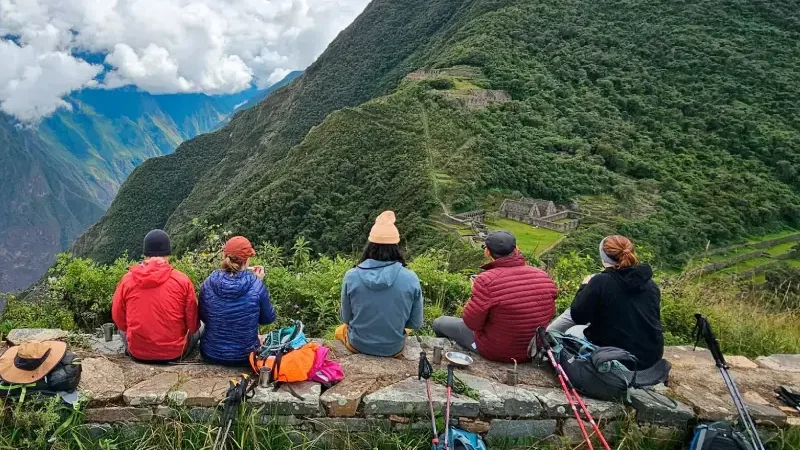
The Choquequirao Trek offers one of the most powerful photographic experiences in Peru, not because of variety, but because of scale and isolation. Unlike more traveled routes, this trek gives you time, silence, and space. Elements that are difficult to find elsewhere in the Andes. Photography here is about waiting for the perfect moment.
Key Photo Spots Along the Choquequirao Trek
Capuliyoc Viewpoint
- The classic starting panorama of the Apurímac Canyon
- Massive depth and vertical drop visible from the first day
Why it’s relevant:
This viewpoint immediately establishes the canyon’s scale, making it ideal for wide-angle shots that emphasize distance and elevation.
Apurímac River Valley
- River floor far below surrounding ridges
- Harsh, dry terrain with strong contrasts
Why it’s relevant:
The descent and ascent provide opportunities to capture human scale against extreme landscapes, especially in early morning or late afternoon light.
Santa Rosa & Marampata Camps
- Transitional camps between canyon and highlands
- Expansive skies and quiet surroundings
Why it’s relevant:
These locations are ideal for atmospheric images: sunrise light, silhouettes, and long shadows in remote settings.
Choquequirao Archaeological Complex (Main Plaza & Terraces)
- Vast site spread across multiple ridges
- Terraces, plazas, and ceremonial areas with minimal crowds
Why it’s relevant:
The size of the site allows photographers to experiment with composition, symmetry, and perspective without visual distractions.
Llama Terraces
- White stone llama figures embedded in the hillside
- Visible best in side lighting
Why it’s relevant:
This unique feature combines symbolism and landscape, offering one of the most distinctive compositions in Andean archaeology.
Condor Viewpoints
- Natural lookout points around the complex
- Occasional condor sightings over the canyon
Why it’s relevant:
These areas provide opportunities for wildlife photography framed by dramatic canyon backdrops.
Sunrise Over Choquequirao
- Morning light hitting terraces and ridgelines
- Mist often fills the canyon below
Why it’s relevant:
Sunrise reveals depth and texture across the complex, making it one of the best moments for layered landscape shots.
Landscape Transitions Along the Choquequirao Trek
The trek moves through stark environmental contrasts:
- Dry canyon landscapes
- High-elevation grasslands
- Cloud-forest edges
- Stone terraces carved into steep slopes
These transitions help create a visual narrative of effort, reward, and discovery.
Why Choquequirao Is a Photographer’s Dream
- Extremely low visitor numbers
- Extended time on site
- Unobstructed views
- Rare perspectives of large-scale Inca architecture
Photography Considerations on the Choquequirao Trek
- Lighting changes quickly due to canyon depth
- Morning and late afternoon are best for contrast
- Wide-angle lenses are essential
Salkantay Trek: Light, Scale, and High-Mountain Drama
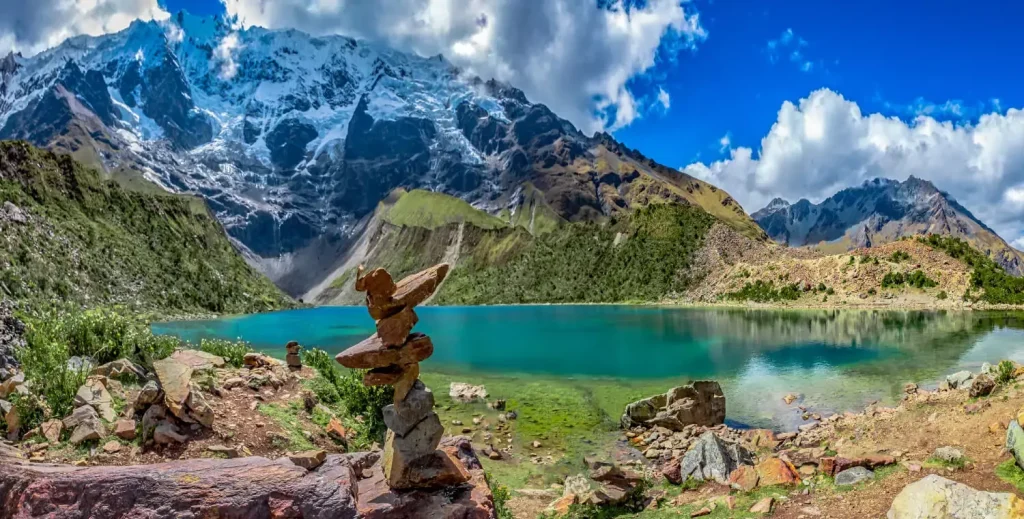
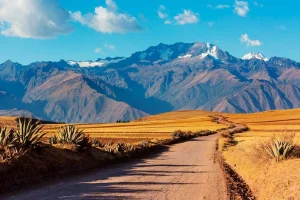
The Salkantay Trek is one of Peru’s most visually powerful routes because it compresses glacial peaks, alpine lakes, open plains, and dramatic light into a relatively short distance. Photography here is defined by scale and contrast, with constant changes in weather and atmosphere.
Unlike forested routes, Salkantay offers open sightlines: ideal for wide compositions and long light.
Key Photo Spots Along the Salkantay Trek
Soraypampa Valley
- High-altitude valley surrounded by snow-capped peaks
- Base area for the trek and gateway to glacial terrain
Why it’s relevant:
This is one of the best locations to capture full-scale views of Nevado Salkantay, especially during early morning and late afternoon when light hits the mountain directly.
Sky Domes at Soraypampa
- Transparent domes positioned with direct views of Salkantay
- Elevated location away from light pollution
Why they’re relevant:
The Sky Domes offer a rare opportunity to photograph:
- Sunrise and sunset over Nevado Salkantay from your accommodation
- Night skies and stars in high-altitude conditions
- Changing weather patterns without leaving camp
Few trekking routes allow photographers to capture both interior comfort and exterior wilderness in the same frame.
Humantay Lake
- Glacial lake known for its intense turquoise color
- Surrounded by steep rock walls and snowfields
Why it’s relevant:
The contrast between water, ice, and rock makes this one of the most visually striking locations on the trek, particularly in calm morning conditions when reflections are strongest.
Salkantay Pass (4,650 m / 15,255 ft)
- Highest point of the trek
- Close-up views of glaciers and jagged ridgelines
Why it’s relevant:
This is where scale becomes physical. Images here capture altitude, effort, and exposure. Especially effective when clouds move through the pass.
Wayracmachay & High-Altitude Plains
- Broad open landscapes beyond the pass
- Changing textures from rock to grasslands
Why it’s relevant:
These sections allow for minimalist compositions and long perspectives, with hikers providing scale against open terrain.
Cloud-Forest Transition Zones
- Gradual descent into greener environments
- Increased vegetation and filtered light
Why it’s relevant:
This transition adds visual contrast to the trek, shifting from harsh alpine conditions to softer, layered environments.
Landscape Rhythm Along the Salkantay Trek
What makes Salkantay particularly strong for photography is its visual rhythm:
- Cold mornings and warm afternoon light
- Clear skies followed by sudden cloud buildup
- Open valleys giving way to narrow passes
These changes create opportunities for dynamic storytelling rather than static images.
Why the Salkantay Trek Works So Well for Photography
- Open, unobstructed mountain views
- Dramatic weather patterns
- Multiple iconic viewpoints in a short span
- Unique accommodations like the Sky Domes, offering rare light access
This trek rewards those who are attentive to light and timing rather than speed.
Photography Considerations on the Salkantay Trek
- Early mornings offer the clearest mountain views
- Weather can change rapidly, patience is essential
- Wide-angle lenses work best for scale
- Cold temperatures affect batteries
Cusco: Stone, Streets, and Daily Life
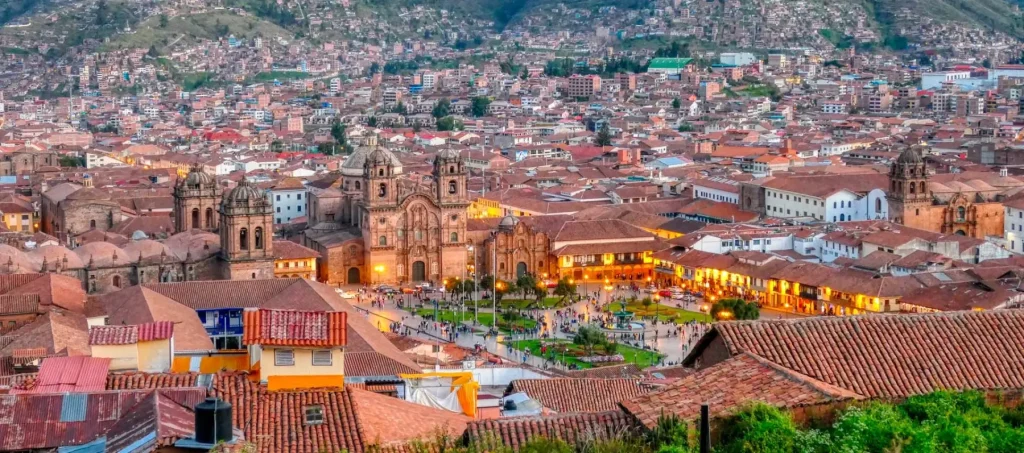
Cusco is a city best photographed slowly.
Best Areas for Photography in Cusco
- Inca stone walls and colonial architecture
- Neighborhood streets away from the main plazas
- Markets, vendors, and artisans
- Early mornings and golden-hour light
Why it works for photography:
Cusco blends past and present naturally, offering both architectural detail and daily life in close proximity.
Capturing Living Culture: Festivals, Food, and Traditions
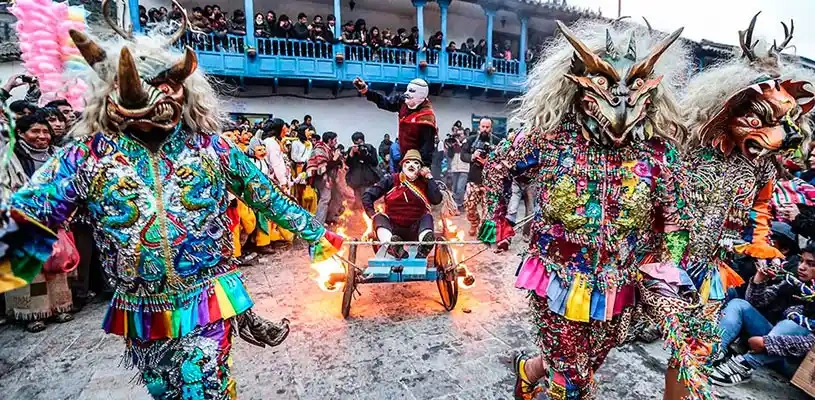
Some of Peru’s strongest images don’t come from landscapes, they come from people and movement.
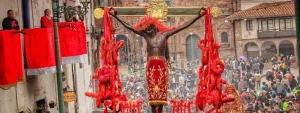
Festivals and Parades
- Traditional costumes and masks
- Music, dance, and processions
- Community celebrations tied to history and faith
Gastronomy as Cultural Expression
- Market stalls in motion
- Traditional dishes being prepared
- Shared meals and local rituals
Everyday Moments
- Farming and herding along trekking routes
- Weaving, cooking, and community gatherings
Photography approach:
Observation over intrusion. Respect, patience, and curiosity lead to the most meaningful images.
Timing Matters: Light, Seasons, and Events
Good photography in Peru is as much about when as where.
- Dry season offers clearer mountain views
- Rainy season brings dramatic skies and greener landscapes
- Festivals add color and movement to cities and towns
- Early mornings and late afternoons provide the best light
Why Trekking Routes Offer the Best Photo Access
Trekking allows photographers to:
- Move slowly through changing environments
- Avoid peak crowds
- Reach viewpoints inaccessible by road
- Wait for light instead of chasing it
Choosing the Right Company for Photography-Focused Travel
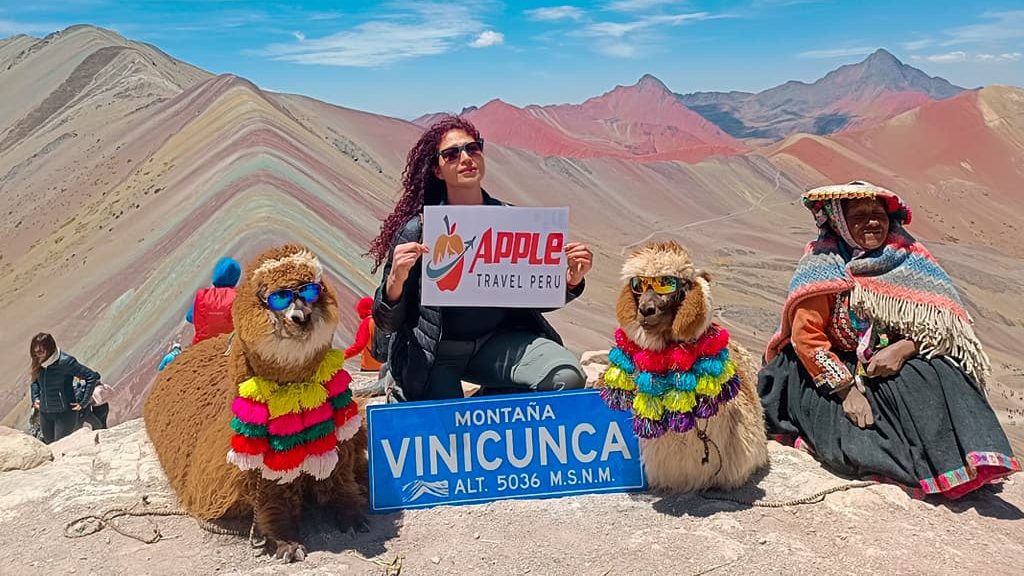
Access, pacing, and local knowledge matter when photography is part of your journey.
69Explorer
Best for:
- Remote treks like Salkantay and Choquequirao
- Small groups and flexible pacing
- High-altitude and off-the-beaten-path routes
Strong choice for travelers prioritizing landscape photography and wilderness access.
Apple Travel Peru
Best for:
- Balanced itineraries combining culture, trekking, and comfort
- Cusco-based experiences and multi-day routes
- Travelers wanting depth without extreme difficulty
Ideal for those looking to combine photography with cultural exploration.
SAM Travel Peru
Best for:
- Classic routes and traditional itineraries
- Well-structured logistics
- Travelers focused on iconic highlights
A good option for straightforward, highlight-driven journeys.
Photographing Peru Responsibly
- Ask permission before photographing people
- Respect ceremonies and sacred spaces
- Avoid disrupting daily life
- Support local communities when possible
Responsible travel leads to better experiences and better images.
Travel Peru for the Moments You Can’t Plan
The best photographs often come from unplanned moments: a sudden shift in light, a festival procession, a shared meal, or silence in the mountains. Choosing the right route and the right pace makes space for those moments to appear.