One of the most common questions travelers ask when planning a trip to Peru is: When is the best time to go?
The answer isn’t as simple as choosing a single month. Peru is a country of extreme geographic diversity, and many regions: the Andes, the Amazon, and the Coast. Each one has its own climate, seasons, and ideal travel windows.
Understanding when to travel is just as important as deciding where to go. The right timing can mean better weather, fewer crowds, improved wildlife sightings, and a smoother overall experience. This guide breaks down the best time to visit each region of Peru and explains why timing matters for different travel styles.
Understanding Peru’s Seasons
Peru has two main seasons:
- Dry season: roughly May to September
- Rainy season: roughly November to March
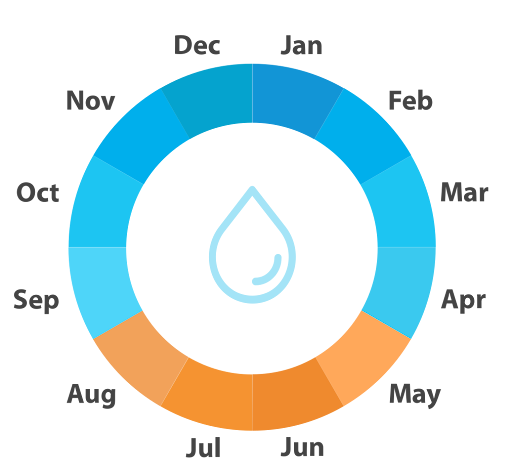
However, these seasons affect each region differently. While the Andes experience clear distinctions between dry and wet months, the Amazon is humid year-round, and the Coast remains largely dry regardless of season.
Another key factor for international travelers is that Peru’s seasons are opposite to North America and Europe. Summer travel in the north often coincides with Peru’s dry season in the Andes.
There is no bad time to visit Peru, only better times depending on your priorities.
Cusco & the Andes: Dry Season vs Rainy Season
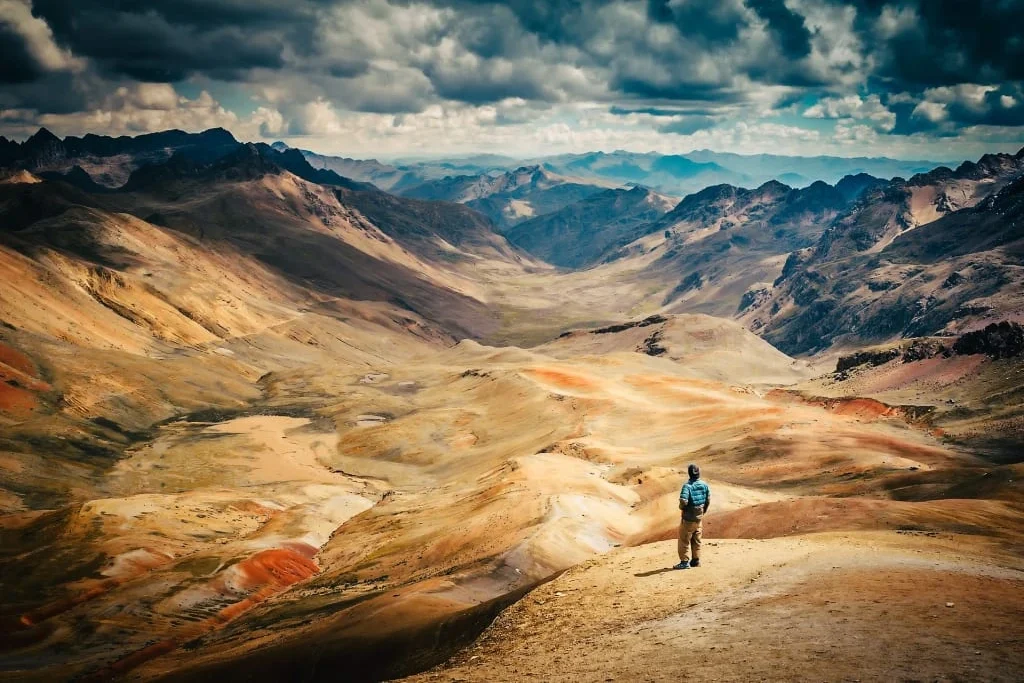
Dry Season (May to September)
What to expect
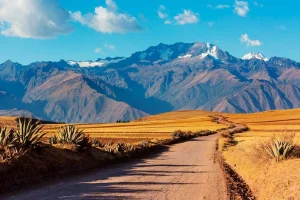
- Clear skies and excellent visibility
- Cold nights, especially at altitude
- Minimal rainfall
Best for
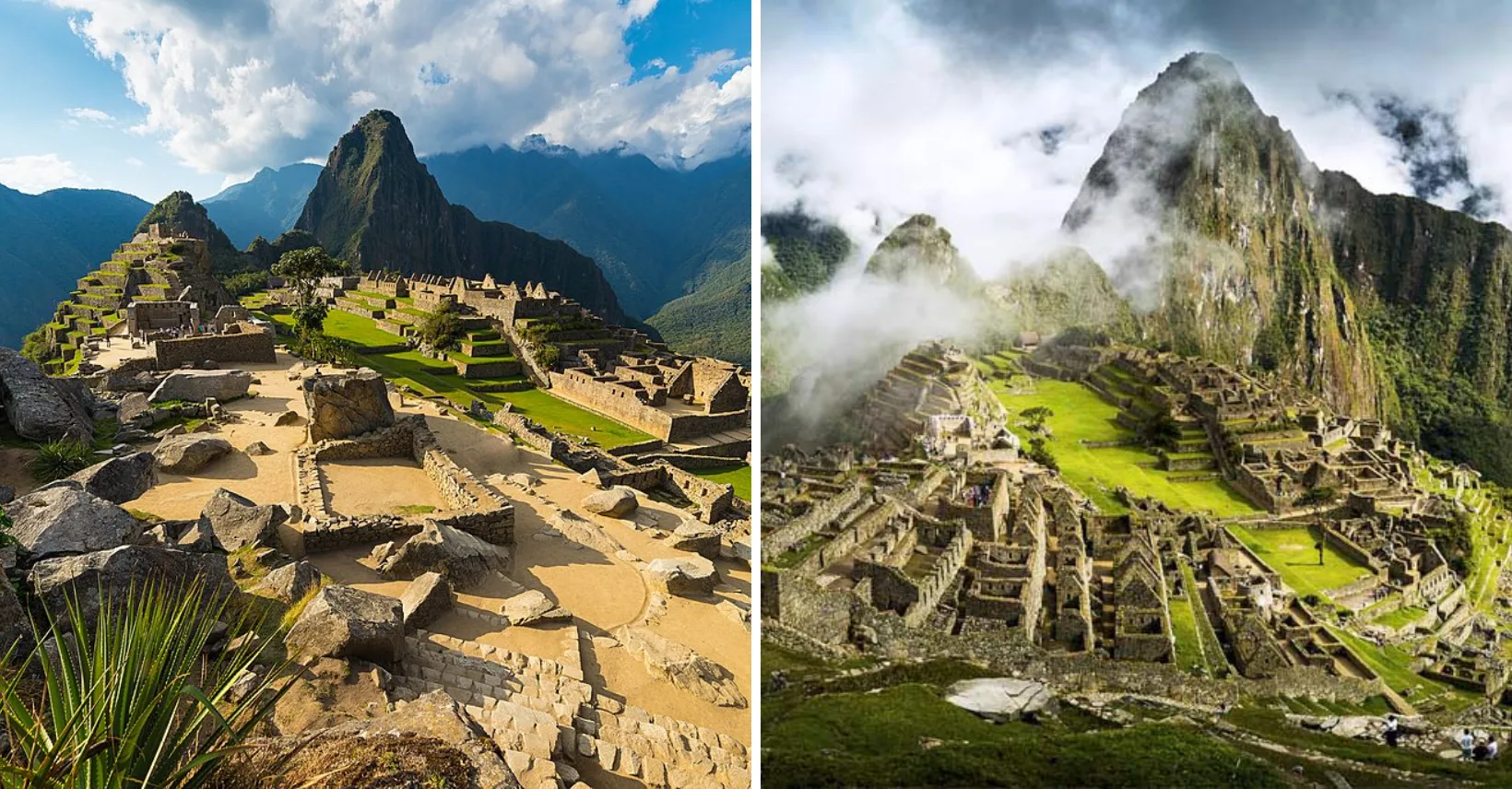
- Machu Picchu
- Inca Trail, Salkantay, Ausangate, and Choquequirao treks
- High-altitude hiking and mountain photography
Things to consider
- This is peak travel season
- Permits, trains, and accommodations sell out early
- Higher demand means planning ahead is essential
Ideal traveler profile
- First-time visitors
- Trekkers and adventure-focused travelers
For many travelers, this is the most reliable season for classic Andean experiences, especially multi-day treks.
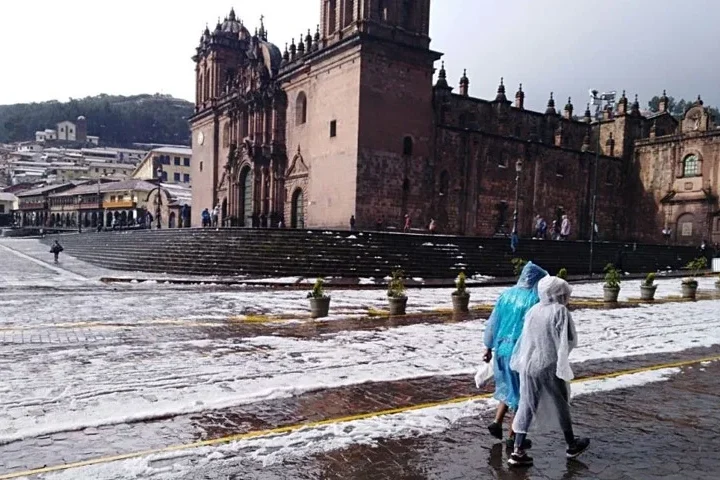
Rainy Season (November to March)
What to expect
- Lush, green landscapes
- Short but intense rain showers, often in the afternoon
- Warmer nighttime temperatures
Best for
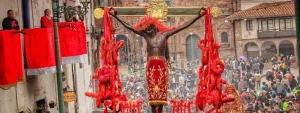
- Cultural travel in Cusco and the Sacred Valley
- Fewer crowds at major sites
- Photography focused on landscapes rather than mountain peaks
Things to consider
- Some high-altitude routes may be affected by weather
- The Inca Trail is closed every February for maintenance
Ideal traveler profile
- Flexible travelers
- Slow travel and culture-focused trips
While trekking options are more limited, this season offers a quieter and more relaxed way to experience the Andes.
Amazon Rainforest: Best Wildlife Viewing Windows
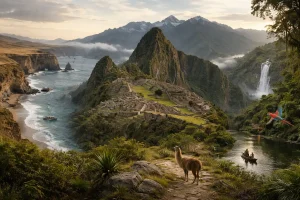
The Amazon is warm and humid year-round, but water levels change throughout the year, shaping how travelers explore the region.
High-Water Season (November to April)
What to expect
- Rivers rise and flood sections of the forest
- Canoe access to areas unreachable at other times

Best for
- Birdwatching
- River exploration
- Experiencing the rainforest at its most vibrant
Low-Water Season (May to October)
What to expect
- More walking trails accessible
- Wildlife concentrated near rivers and water sources

Best for
- Mammal sightings
- Jungle hikes
- Wildlife photography
Ideal traveler profile
- Nature lovers
- Travelers focused on biodiversity and observation
Both seasons offer rewarding Amazon experiences—it’s about choosing the activities you value most.
Coastal Peru & Nazca: Desert, Ocean, and Marine Life
Coastal Weather Overview
The Peruvian coast is mostly dry year-round, with mild temperatures. While rainfall is rare, coastal weather is influenced by ocean currents and seasonal marine activity.
Paracas & the Ballestas Islands
Best time to visit
- Generally accessible year-round
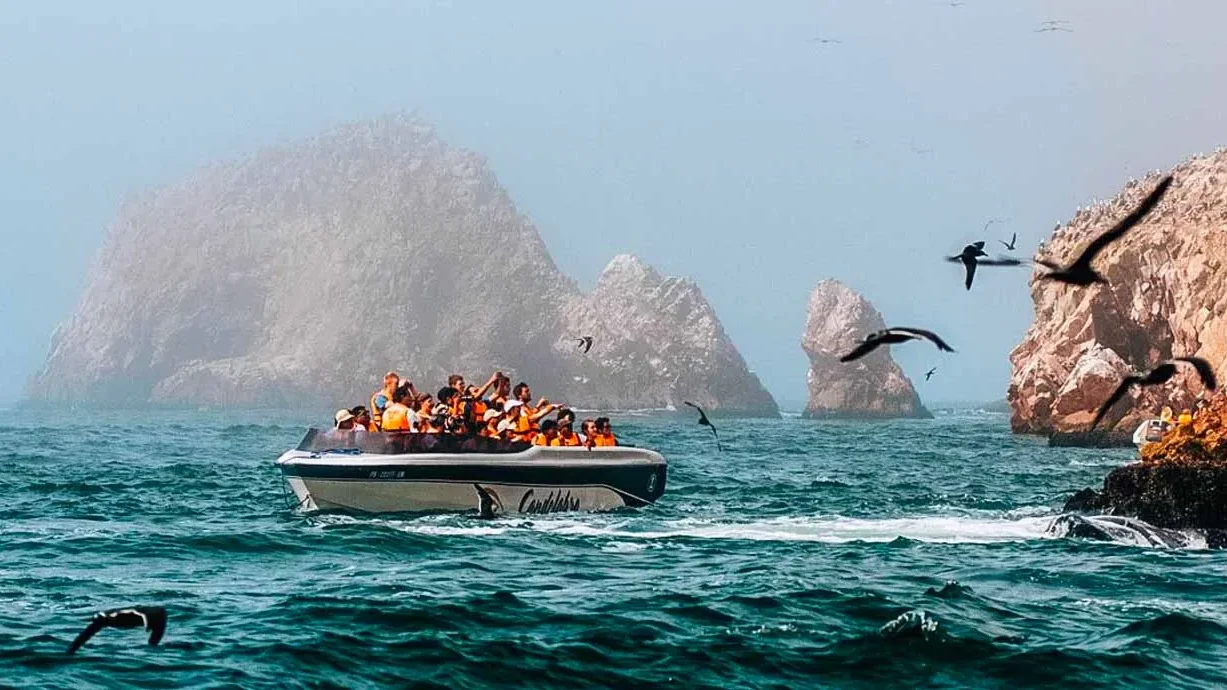
- Cooler months bring abundant marine wildlife
What to expect
- Sea lions, seabirds, and coastal ecosystems
- Desert-meets-ocean landscapes
Paracas is an easy and impactful addition to many itineraries, especially when combined with travel from Lima.
Nazca Lines: Timing for Visibility
Why timing matters
- Clear skies are essential for scenic flights
- Wind conditions affect flight schedules

Best conditions
- Stable weather months with minimal turbulence
Nazca works best as part of a coastal route rather than a standalone destination.
Shoulder Season Travel: Fewer Crowds, Better Value
What are shoulder seasons?
- April to May
- September to October
Why they work so well
- Balanced weather in the Andes
- Fewer crowds than peak season
- Better availability and pricing
Best for
- Multi-region itineraries
- Travelers seeking comfort without peak-season pressure
For many travelers, shoulder seasons offer the best overall balance between conditions and experience.
Choosing the Best Time Based on Your Travel Goals
- Trekking and hiking: Dry season in the Andes
- Wildlife and rainforest exploration: Year-round, depending on activity preference
- Culture, food, and city experiences: Any time of year
- Avoiding crowds and managing budget: Shoulder seasons
- Multi-region trips: Shoulder seasons offer the most flexibility
Best Tours in Peru by Season (What to Book & When)
Instead of thinking in terms of destinations only, it’s more useful to think about what experiences work best during each season. This helps travelers avoid compromises and choose trips that truly shine at that time of year.
Dry Season (May – September): Best for the Andes & Trekking
Why this season works
- Stable weather in the high Andes
- Clear mountain views
- Ideal trail conditions
Recommended tours
- Classic Machu Picchu itineraries (train or trek-based)
- Salkantay Trek (especially with upgraded camps or domes)
- Ausangate Trek & Rainbow Mountain alternatives
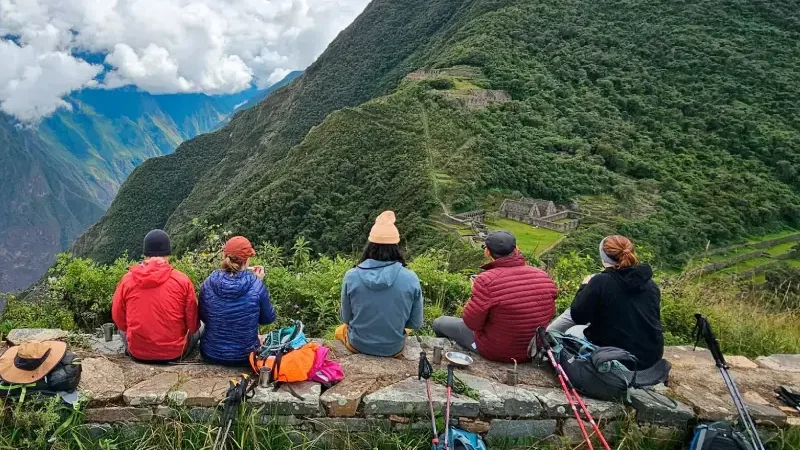
- Choquequirao Trek for experienced hikers
Traveler profile
- First-time visitors
- Active travelers
- Photographers and hikers
Rainy Season (November – March): Culture, Nature & Fewer Crowds
Why this season works
- Lush landscapes in the Andes
- Fewer visitors at major sites
- Strong value for travelers with flexible schedules
Recommended tours
- Sacred Valley cultural itineraries
- Cusco city stays with short excursions
- Amazon rainforest lodges (high-water season access)
- Food-focused and city-based experiences
Traveler profile
- Culture lovers
- Slow travelers
- Repeat visitors
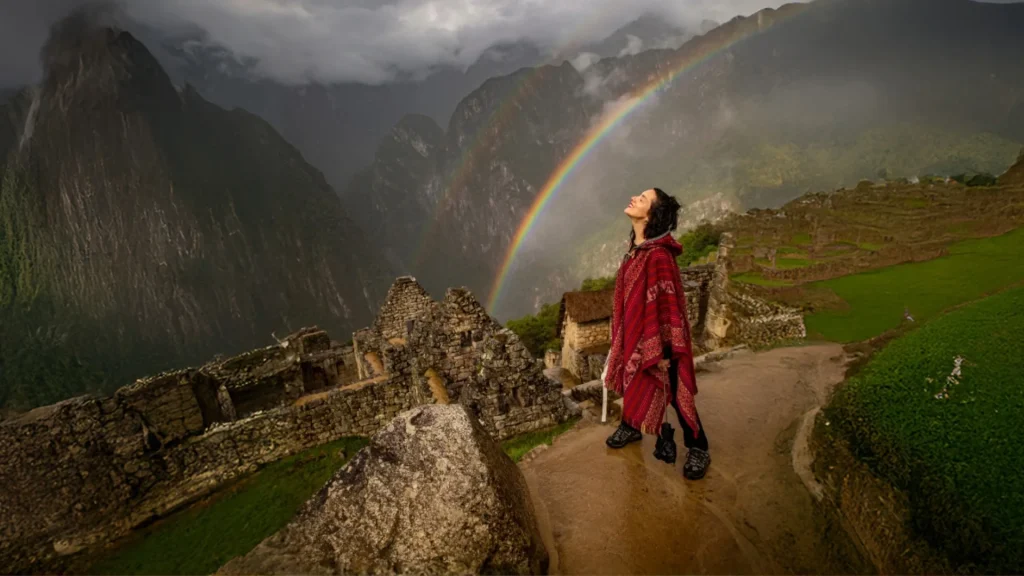
Shoulder Seasons (April–May & September–October): Best Overall Balance
Why these months are ideal
- Mild weather across multiple regions
- Fewer crowds than peak season
- Excellent value for multi-region trips
Recommended tours
- Combined Andes + Amazon itineraries
- Cusco, Sacred Valley & Machu Picchu without peak crowds
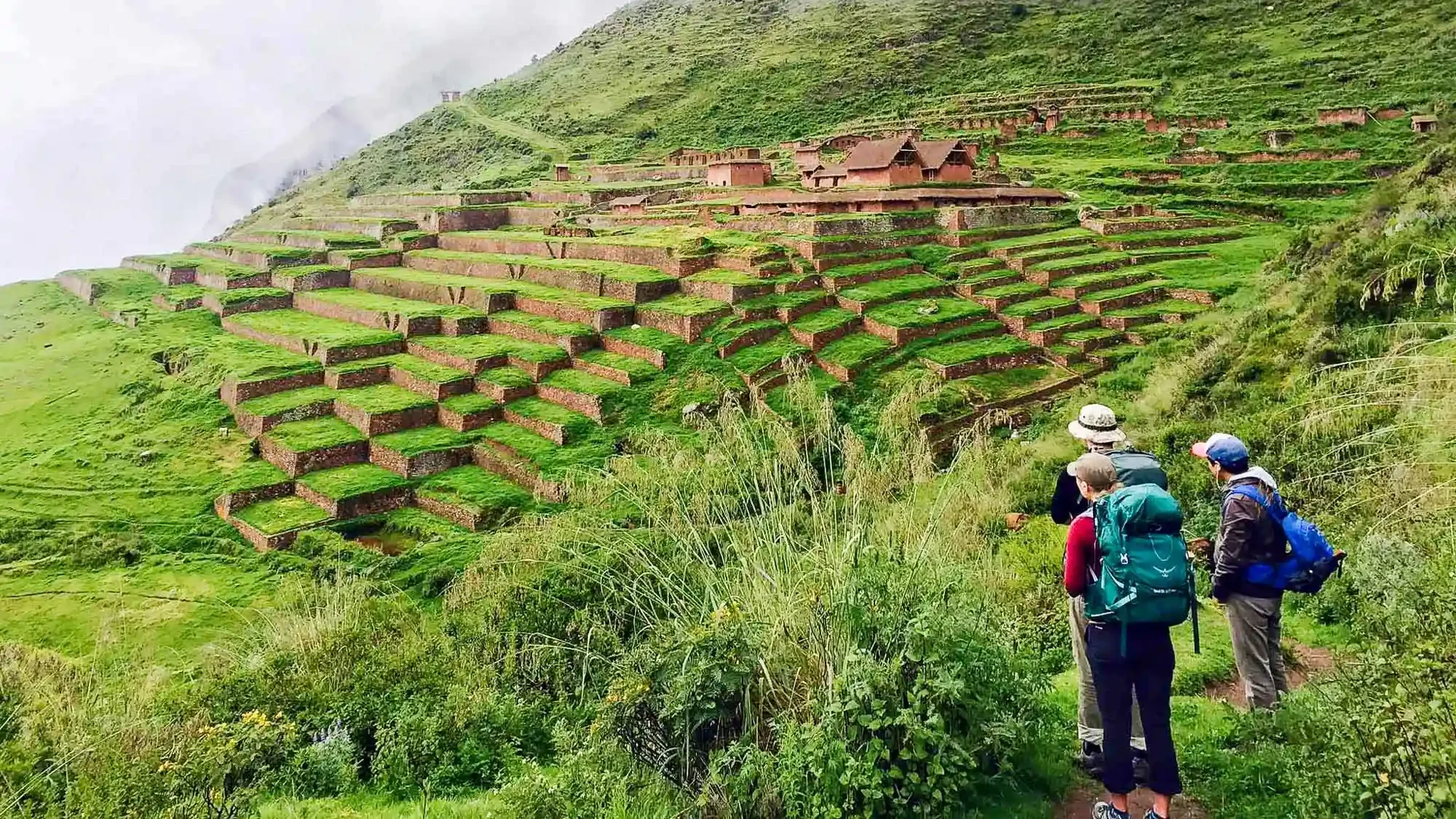
- Short treks and scenic hikes: like 7 lakes of Ausangate
- Photography-focused itineraries
Traveler profile
- Travelers with limited vacation time
- Couples and small groups
- Visitors wanting comfort without peak-season pressure
Coastal & Wildlife-Focused Travel (Year-Round Options)
Why the coast is flexible
- Dry climate year-round
- Easy connections from Lima
Recommended tours
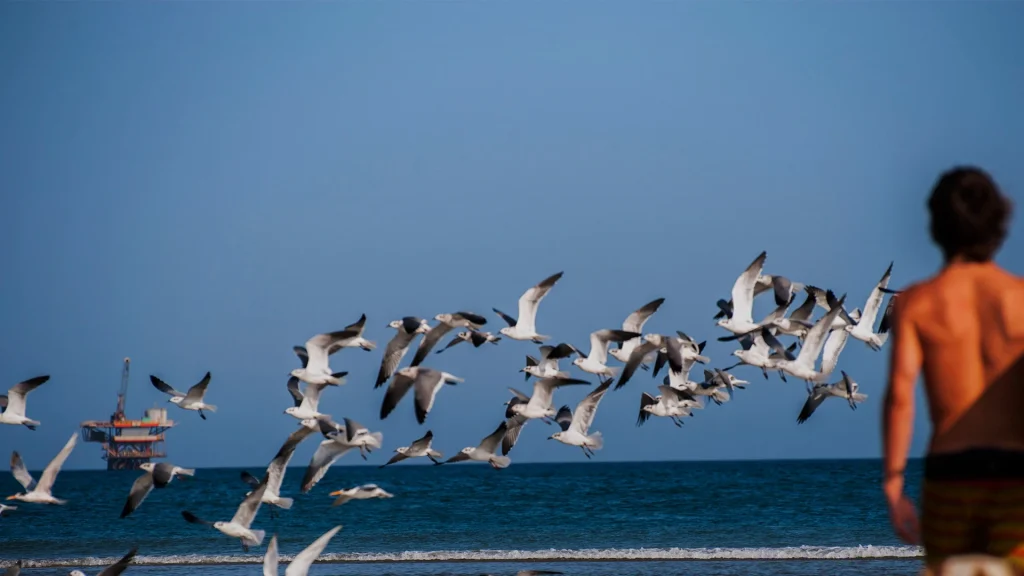
- Paracas & Ballestas Islands excursions
- Nazca Lines scenic flights
- Coastal food and city experiences in Lima
Traveler profile
- Short-stay travelers
- Food-focused itineraries
- Add-ons before or after Cusco
Month-by-Month Peru Travel Guide
| Month | Andes (Cusco & Treks) | Amazon | Coast (Paracas/Nazca) | Best For |
| January | Rainy, lush | High water, canoe access | Dry | Culture, Amazon travel |
| February | Very wet, Inca Trail closed | High water | Dry | Amazon & city travel |
| March | Rain easing | Good wildlife | Dry | Fewer crowds |
| April | Excellent | Transition season | Dry | Shoulder season sweet spot |
| May | Peak conditions | Dry season begins | Dry | Treks & classics |
| June | Peak season | Dry | Dry | Hiking & festivals |
| July | Peak season | Dry | Dry | Adventure travel |
| August | Peak season | Dry | Dry | Treks & photography |
| September | Excellent | Dry | Dry | Balanced itineraries |
| October | Good, fewer crowds | Transition | Dry | Multi-region trips |
| November | Rain starts | High water | Dry | Culture & rainforest |
| December | Rainy, festive | High water | Dry | Holiday travel |
How This Helps You Choose the Right Trip
Instead of asking “What should I see?”, travelers should ask:
- When am I traveling?
- How active do I want to be?
- Do I want one region or several?
Matching the right tours to the right season leads to:
- Better weather experiences
- More comfortable pacing
- Higher overall trip satisfaction
The Best Time to Visit Peru Depends on You
Peru doesn’t have a single “best” month to visit. The ideal time depends on what you want to experience, how active you want to be, and how many regions you plan to include.
By choosing the right season for your travel style, you’ll enjoy better conditions, smoother logistics, and a trip that feels well-paced and intentional. Planning early, especially for peak travel months, opens up more options and allows your itinerary to be tailored to the season, not forced around it.