Planning a trip to Peru in 2026 often starts with big highlights: Machu Picchu, the Andes, and multi-day treks through remote landscapes. But for many travelers, especially those coming from North America, one question comes up early in the planning process: how will altitude affect me?
The good news is that high altitude in Peru is manageable. With the right preparation, a well-designed itinerary, and realistic expectations, most travelers adapt without serious issues. This guide explains what happens to your body, how to prepare before leaving home, and what to expect once you arrive in the Andes.
Traveling to Peru: What Happens Before You Even Arrive
Most travelers from North America reach Peru after long flights, often overnight, with multiple connections. Even before altitude becomes a factor, your body may already be dealing with:
- Fatigue from extended travel time
- Mild dehydration from cabin air
- Disrupted sleep cycles due to jet lag
These factors don’t cause altitude sickness on their own, but they can make your body less resilient during the first days at elevation. That’s why altitude preparation should begin before your departure, not after landing in Cusco.
Understanding Altitude in Peru
Altitude becomes noticeable when you travel above 2,500 meters (8,200 ft). In Peru, many key destinations sit well above this threshold.
Typical elevations travelers encounter include:
- Cusco: 3,400 m / 11,150 ft
- Sacred Valley: 2,800–3,000 m / 9,200–9,800 ft
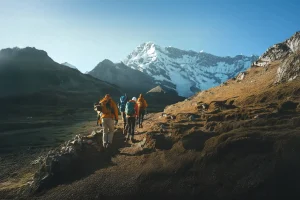
- High mountain treks (Salkantay, Ausangate): passes over 4,500 m / 14,700 ft
At higher elevations, the air contains less oxygen. Your body needs time to adapt by increasing breathing efficiency and red blood cell production. This process takes days, not hours, and it affects everyone differently. Physical fitness helps with endurance, but it does not guarantee immunity from altitude symptoms.
Preparing for Altitude Before Your Trip
Physical Preparation
You don’t need extreme training, but consistent cardio helps. Activities such as hiking, cycling, stair climbing, or brisk walking improve your body’s efficiency over long periods. Focus on steady endurance, not short, high-intensity workouts.
Lifestyle Adjustments Before Travel
In the weeks leading up to your trip:
- Increase daily water intake
- Reduce alcohol consumption
- Prioritize quality sleep
Arriving well-rested and hydrated significantly improves your ability to adapt once at altitude.
What to Pack for Altitude Support
- Reusable water bottle or hydration system
- Light, high-energy snacks
- Electrolytes
- Any personal medications (consult your doctor before travel)
This is about support, not medication reliance.
Arrival in Peru: Why the First 48 Hours Matter Most
The first two days at altitude are the most important. Common, mild symptoms may include:
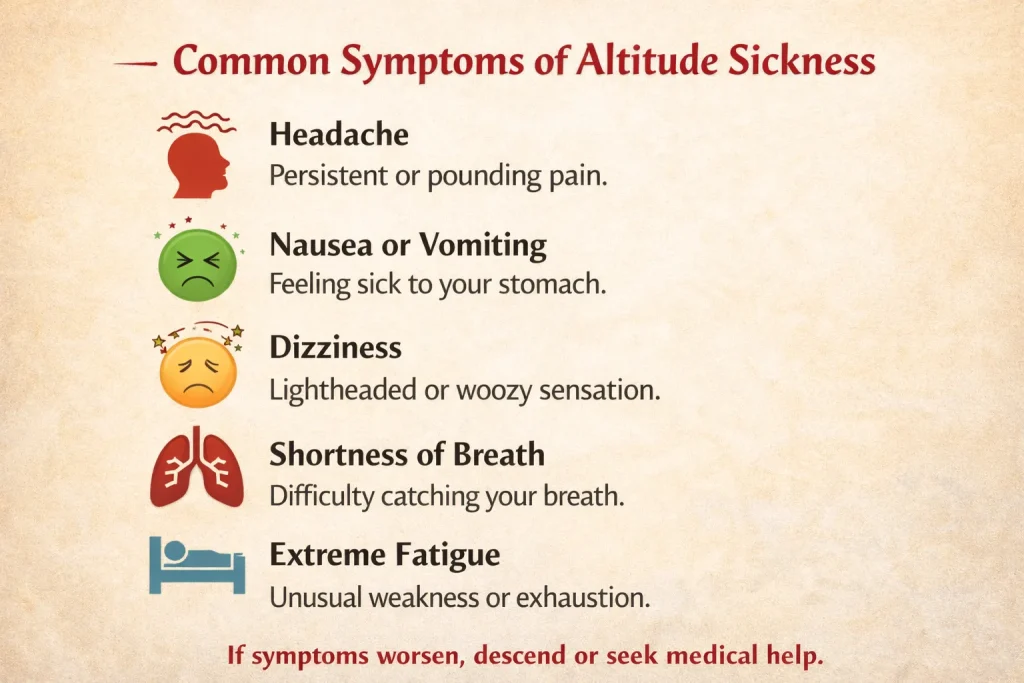
These symptoms are normal and usually temporary. The key is to slow down. Avoid intense activity, eat light meals, stay hydrated, and rest.
Many travelers acclimatize more comfortably by spending time in the Sacred Valley before staying in Cusco or starting a trek. Its slightly lower elevation allows your body to begin adapting gradually.
When Altitude Becomes a Problem
While most travelers experience only mild symptoms, you should never ignore:
- Severe or persistent headaches
- Nausea or vomiting
- Dizziness that does not improve with rest
- Shortness of breath at rest
These may indicate more serious altitude conditions and require descent or medical evaluation. Professional tour operators plan routes with safety margins and carry emergency protocols for this reason.
Smart Acclimatization Strategies While Traveling
Good acclimatization is about itinerary design, not toughness.
Effective strategies include:
- Gradual altitude gain rather than rapid ascents
- Rest days or light activity days built into the schedule
- Slow, steady pacing during hikes
- Avoiding pressure to “push through” discomfort
Experienced guides monitor group pace and adjust daily plans when needed. This is especially important on multi-day treks.
Natural Ways to Support Acclimatization in the Andes
Local practices focus on simple, effective habits:
- Coca leaf tea, traditionally used in the Andes, may help with mild symptoms
- Eating light, warm meals
- Staying consistently hydrated
- Controlled breathing and frequent short breaks during activity
These methods support adaptation but do not replace proper acclimatization planning.
Altitude and Trekking: Choosing the Right Route
Altitude plays a major role in how challenging a trek feels. Routes like the Salkantay or Ausangate reach high passes where acclimatization is essential.
Comfort also matters. Proper rest, warm accommodations, and recovery time help your body adapt overnight. Lodges or dome accommodations at altitude can significantly improve sleep quality and overall recovery compared to basic camping.
Choosing a trek should be about matching altitude exposure to your experience level and travel goals, not just selecting the most famous route.
Altitude Shouldn’t Stop You from Visiting Peru
High altitude is part of what makes the Andes unique, but it doesn’t need to limit your experience. With early preparation, realistic pacing, and a well-planned itinerary, most travelers adapt successfully and enjoy their journey.
If you’re planning your Peru vacation for 2026, starting early allows you to build an itinerary that supports acclimatization from day one, turning altitude from a concern into just another part of the adventure.