Before Machu Picchu appears, there is a pause.
The trail narrows. The air thins. Stone walls frame a final opening in the mountain. The citadel is still out of sight, held back deliberately, as if waiting for the right moment.
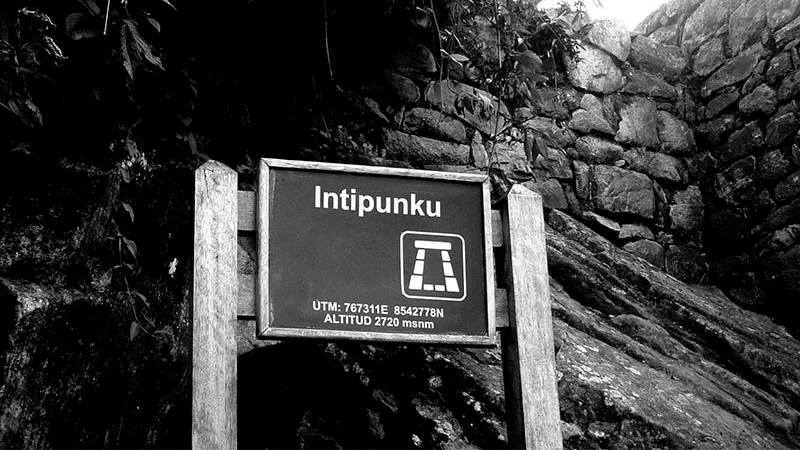
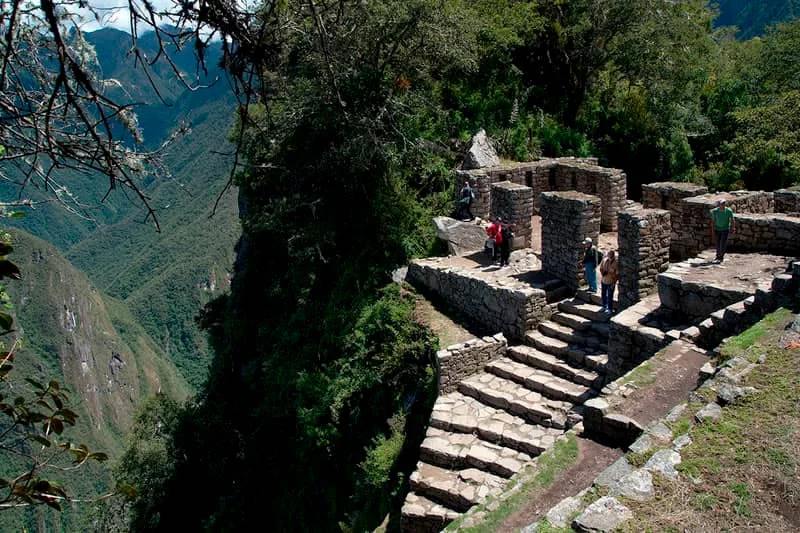
This is Inti Punku, the Sun Gate. And long before it became a viewpoint, it was the main entrance to Machu Picchu.
What Is The Sun Gate at Machu Picchu?
Inti Punku, which means Sun Gate in Quechua, is a stone structure located above Machu Picchu, along the final stretch of the Inca Trail.
Today, many travelers reach it as a scenic lookout. Historically, it served a far more important role: a ceremonial threshold into the sacred city. This was not a random overlook. It was a designed point of arrival.
Inti Punku as the Main Entrance to Machu Picchu
During Inca times, Machu Picchu was meant to be entered from above, and Inti Punku was the gate that controlled that access.
Those approaching via the Inca Trail would reach the Sun Gate first, standing high above the citadel. From here, Machu Picchu was revealed gradually, not suddenly. The city unfolded as the path descended.
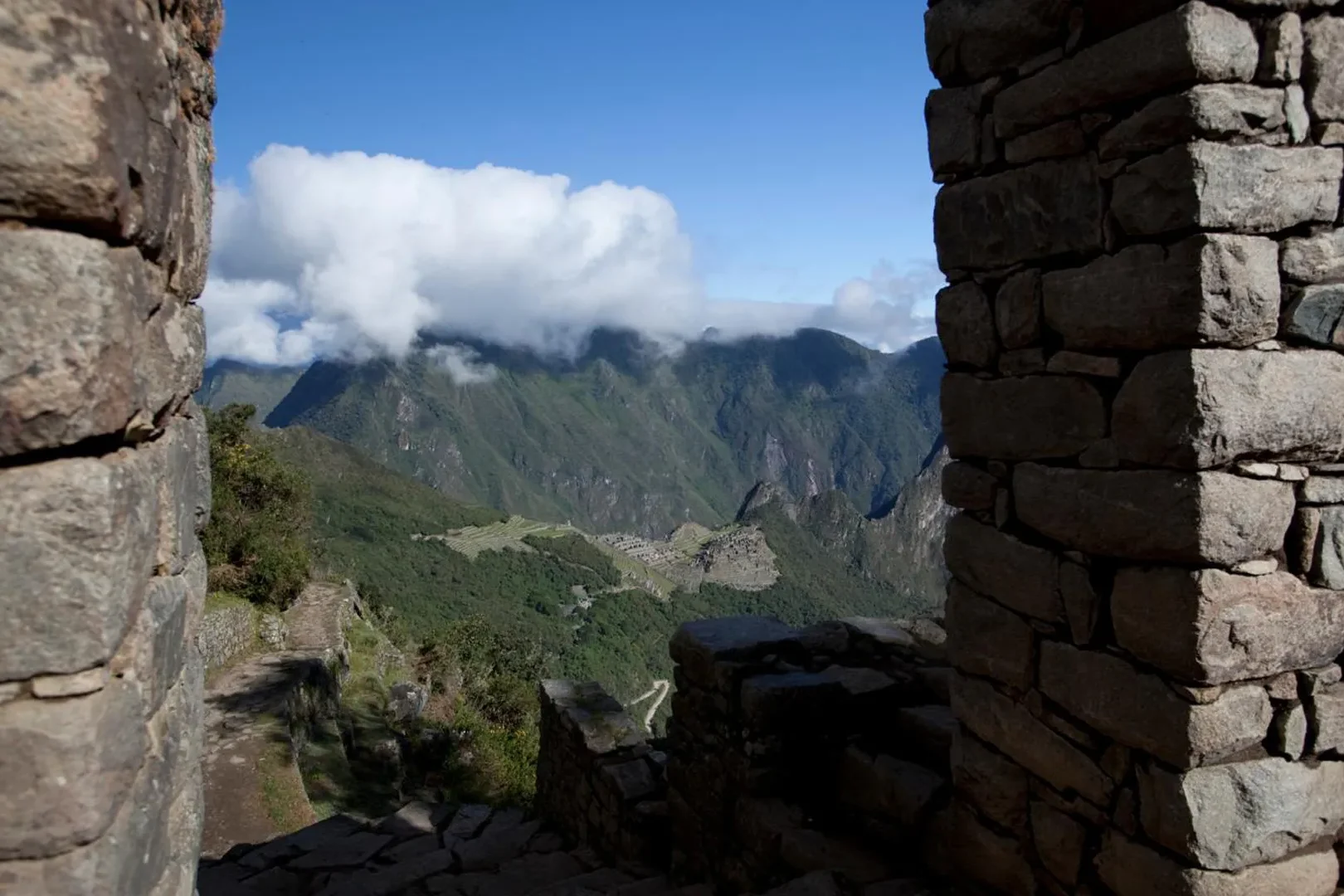
Arrival was intentional, measured, and symbolic. This approach reinforced the importance of preparation before entry: physical, mental, and ceremonial.
Solar Alignment and Ceremonial Purpose
The name Sun Gate is not poetic exaggeration.
Inti Punku or Sun Gate at Machu Picchu is aligned with the path of the sun, particularly noticeable during key moments of the solar calendar. At sunrise, light passes through the stone opening and illuminates the land beyond, introducing the city before the traveler steps inside it.
For the Incas, this alignment linked:
- Architecture
- Astronomy
- Spiritual order
Why the View From the Sun Gate Is Unique
Many places offer panoramic views of Machu Picchu. Inti Punku offers something different.
From this angle:
- The city is seen as a whole before its details
- Placement and geometry become clear
- The experience feels earned, not accidental
Rather than a sudden reveal, the perspective creates anticipation. The emotional impact comes from progression, not surprise.
This is why the view from Inti Punku feels fundamentally different from any other lookout.
Who Was Meant to Enter Through the Sun Gate at Machu Picchu?
Access to Inti Punku was not universal. Those who entered Machu Picchu this way were likely part of a controlled group. Individuals whose journey held purpose beyond simple travel.
The effort required to reach the gate formed part of a ritual sequence, where arrival mattered as much as the destination itself.
Visiting Inti Punku Today
Today, Inti Punku is most commonly reached by:
- Hikers completing the Inca Trail
- Visitors walking up from Machu Picchu, access granted with circuit 1C.
Even now, the experience retains its power. The climb creates distance from the modern world, and the pause at the gate still works exactly as it was designed to. The city waits below, just out of reach, until you move forward.
Was Machu Picchu Ever Really Hidden?
Machu Picchu is often described as a “lost city,” but Inti Punku tells a different story.
As one of the last inhabited Inca settlements, it remained hidden in the jungle for nearly four centuries before explorers brought it back to global attention. It is highly likely, however, that locals knew of the Citadel’s existence all along.
The city was approached deliberately, revealed slowly, and entered with intention. Inti Punku was not an optional viewpoint added to the experience, it was the original beginning of it.