Not all treks to Machu Picchu tell the same story. Some lead you through living Andean communities, where daily life unfolds much as it has for generations. Others take you deep into vast, high-altitude landscapes shaped by ice, wind, and time.
The Lares Trek and the Ausangate Trek are both considered hidden gems of the Cusco region, not because they are unknown, but because they offer experiences far removed from crowded routes. Both routes, as presented here, end with a visit to Machu Picchu. The difference lies in how you get there.
Two Paths, Two Ways of Experiencing the Andes
Lares Trek: Cultural Immersion in the Andean Backcountry
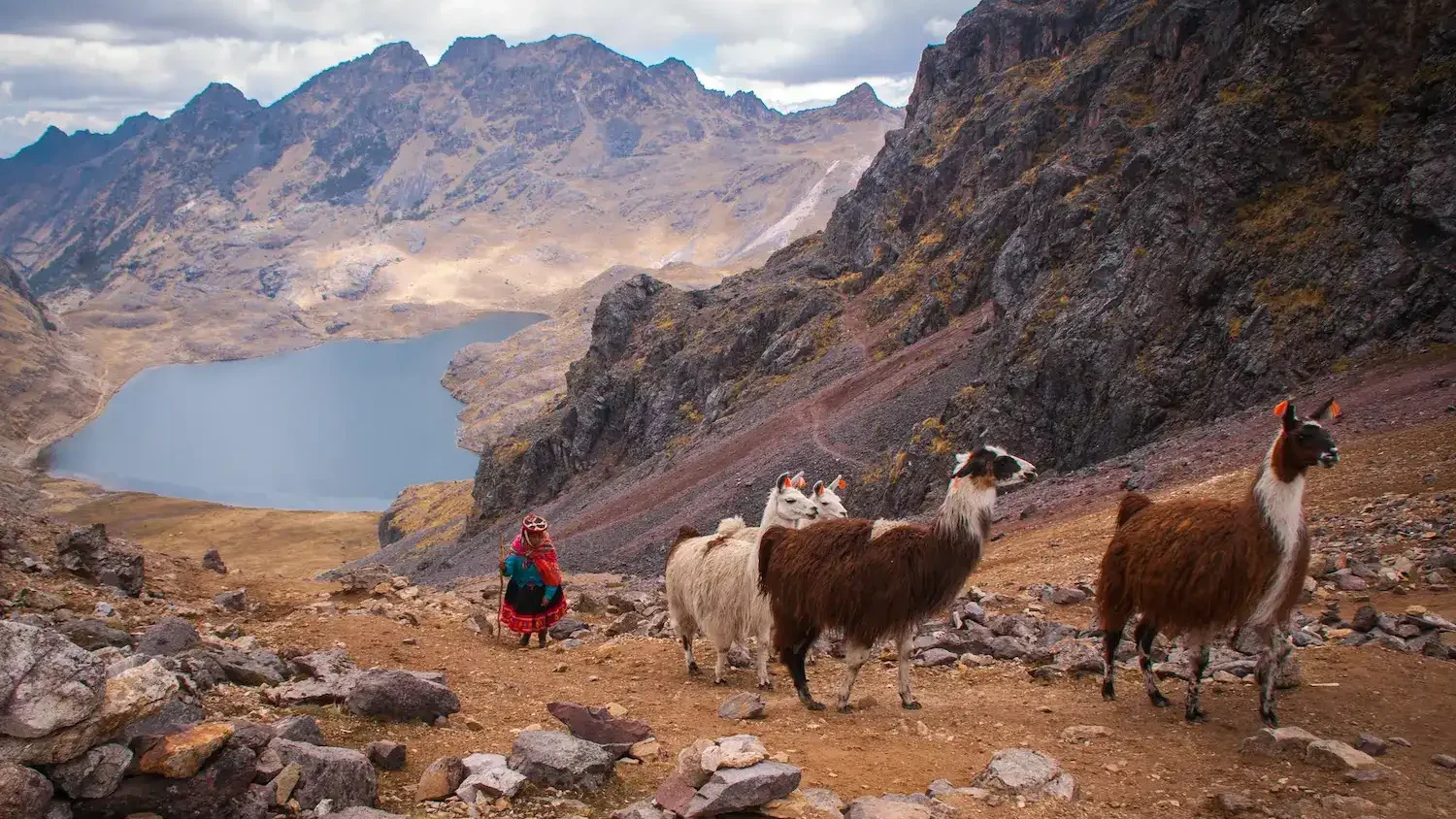
The Lares Trek winds through high valleys where Quechua communities still farm, herd, and live according to seasonal rhythms. The trail connects villages rather than landmarks, making cultural exchange a central part of the journey.
Hot springs, traditional stone homes, and shared paths with local residents create a sense of continuity between traveler and place. This trek is less about spectacle and more about presence, walking through landscapes that are inhabited, not staged.
Ausangate Trek: A Journey Through One of the Andes’ Most Unique Landscapes
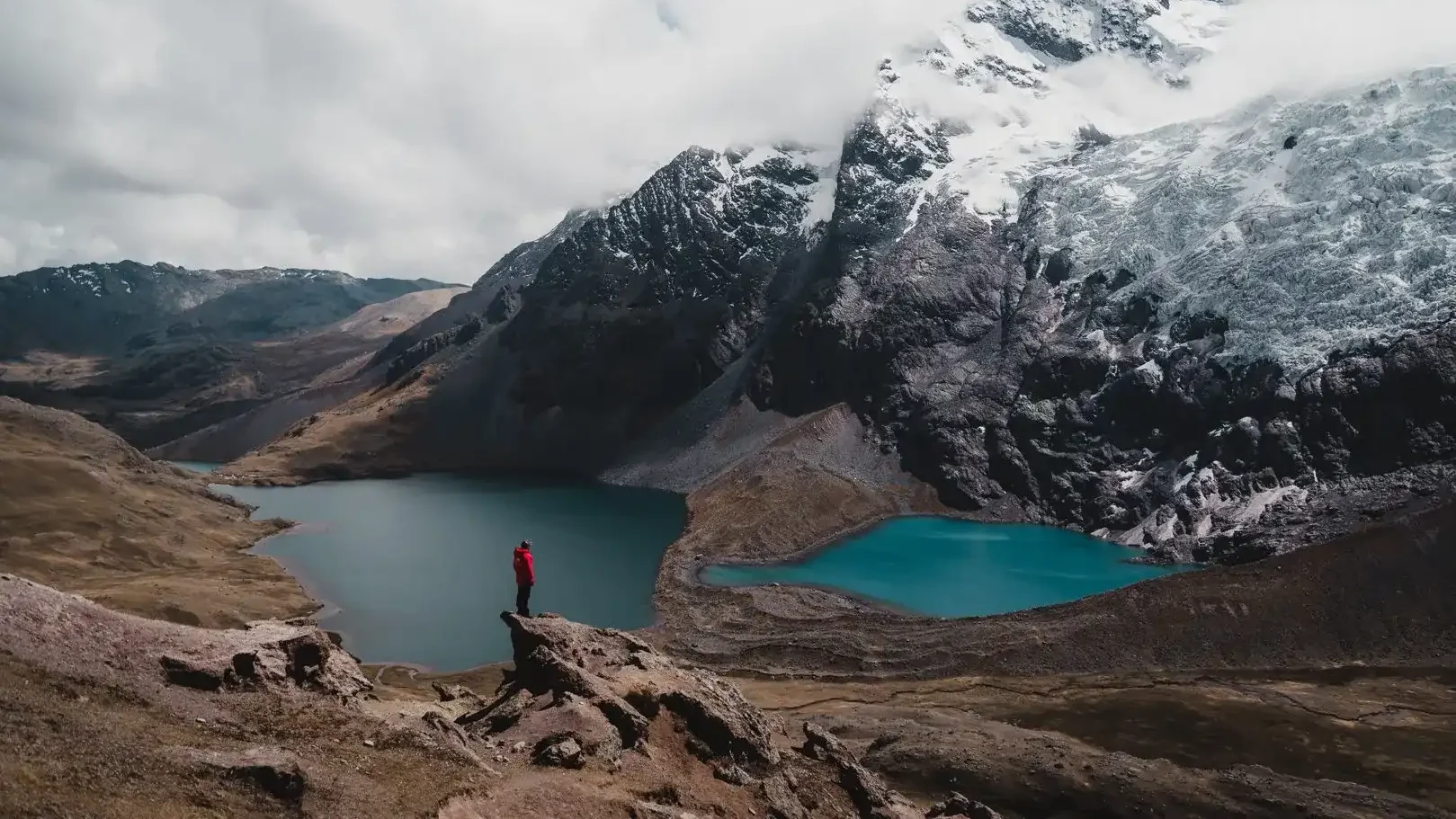
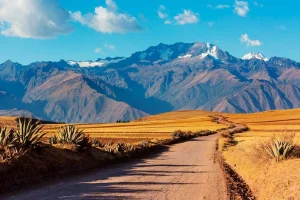
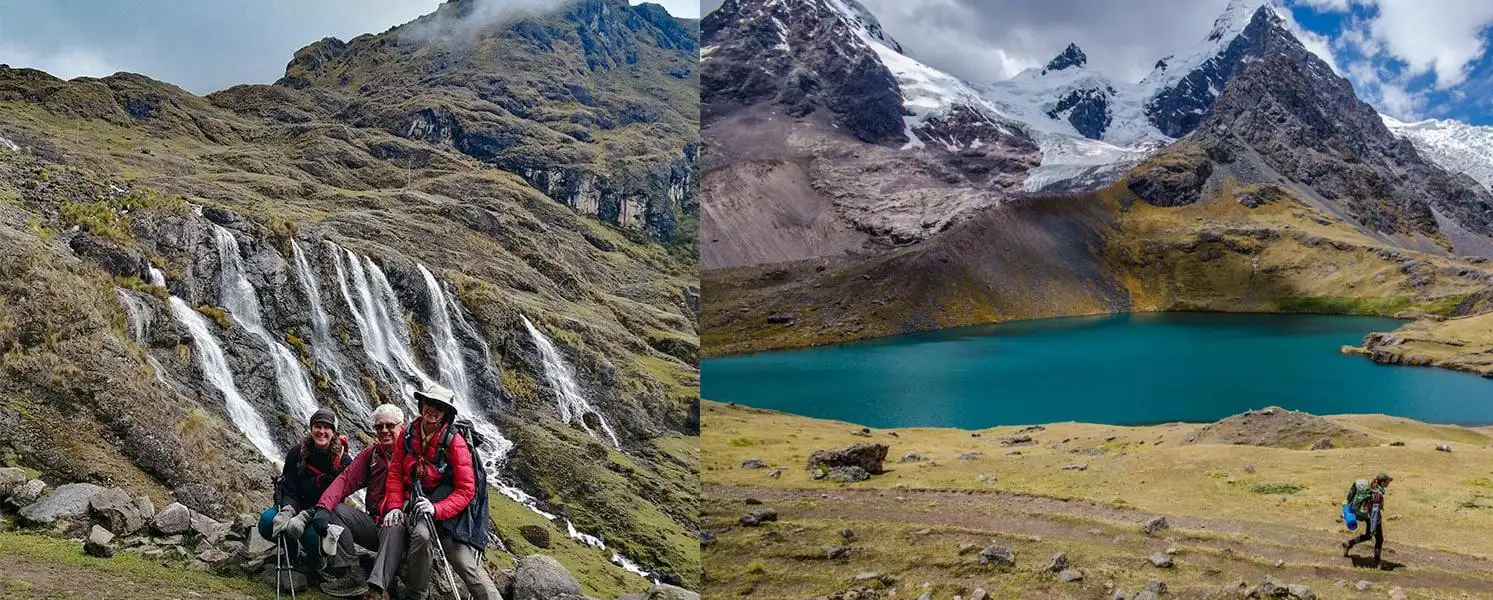
The Ausangate Trek circles one of the most imposing mountains in southern Peru. Here, the experience is defined by scale: glaciated peaks, wide alpine valleys, intensely colored mineral slopes, and long, open horizons.
Human presence is minimal. Instead, the focus is on movement through a powerful environment, where each pass reveals a different expression of altitude, light, and geology. Many itineraries also include Rainbow Mountain, adding a striking visual contrast before continuing on to Machu Picchu.
A Different Kind of Solitude
One of the most useful ways to compare these treks is by the type of remoteness they offer.
- Lares Trek: Remote, yet connected. You pass through villages, meet locals, and walk routes still used for daily life. The solitude comes from the absence of mass tourism, not from isolation.
- Ausangate Trek: Remote and expansive. Settlements are rare, distances feel longer, and silence is part of the experience. The sense of solitude comes from the sheer scale of the landscape.
How the Days Feel on the Trail
Instead of comparing difficulty alone, it’s more helpful to think about rhythm and effort.
- Lares Trek: Days tend to feel balanced. Moderate mountain passes are paired with recovery moments, such as hot springs and village stops. The experience feels steady and immersive.
- Ausangate Trek: Days are sustained and demanding. High altitude is constant, and effort is part of the reward. Each pass feels earned, and the landscape reinforces that sense of progression.
Lares Trek vs Ausangate Trek: Key Attributes at a Glance
| Attribute | Lares Trek + Short Inca Trail to Machu Picchu | Ausangate Trek + Rainbow Mountain & Machu Picchu |
| Overall Focus | Cultural immersion and Andean daily life | High-altitude wilderness and iconic landscapes |
| Primary Scenery | Green valleys, waterfalls, hot springs, villages | Glaciers, alpine lakes, mineral mountains |
| Cultural Interaction | High, frequent contact with local communities | Limited, mostly wilderness environments |
| Altitude Profile | High, but more gradual | Consistently very high, with major passes |
| Physical Demand | Moderate and steady | Challenging and sustained |
| Signature Experience | Walking through living Andean culture | Trekking beneath massive glaciated peaks |
| Crowd Levels | Very low | Low, but increasing near Rainbow Mountain |
| End Point | Machu Picchu via the Short Inca Trail | Machu Picchu after Rainbow Mountain |
| Best For | Travelers seeking connection and balance | Travelers seeking scale and intensity |
Why These Treks Still Feel Like Hidden Gems
Lares Trek
There’s no single iconic viewpoint or landmark photo. Its value lies in moments: a shared trail, a quiet village morning, a soak in hot springs after a long walk. This makes it less visible online, and more rewarding on the ground.
Ausangate Trek
High altitude, variable weather, and demanding terrain keep it off many travelers’ shortlists. Those who do choose it are rewarded with one of the most distinctive mountain environments in the Andes.
What You’re Likely to Remember Long After the Trip
- Lares Trek: Conversations with locals, warmth in remote places, the feeling of being welcomed into the Andean highlands.
- Ausangate Trek: Color-shifting mountains, vast valleys, early mornings at altitude, and a deep sense of accomplishment.
Both memories are powerful, they’re simply different.
Which Trek Should You Choose?
Choose the Lares Trek if:
- Cultural immersion matters as much as scenery
- You want a quieter alternative to classic routes
- You value balance between effort and recovery
- You enjoy walking through inhabited landscapes
Choose the Ausangate Trek if:
- Landscape is your main motivation
- You’re comfortable at high altitude
- You want a trek defined by scale and exposure
- You’re drawn to rare and visually striking environments
One Destination, Two Journeys
Both of these treks lead to Machu Picchu, but they approach it from entirely different worlds. One arrives through living culture, the other through raw geography. Neither is better, the right choice depends on what kind of experience you want the journey itself to be.
If Machu Picchu is the destination, Lares and Ausangate define the story you’ll tell on the way there.