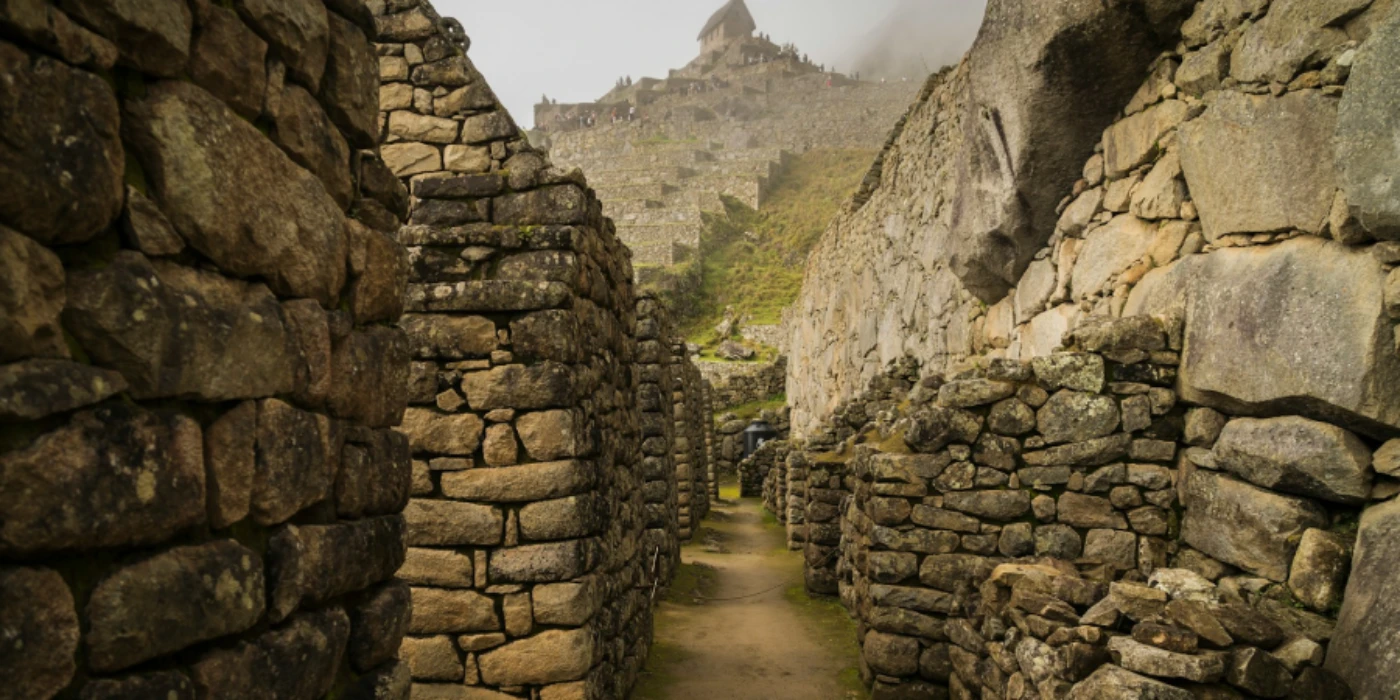
For many travelers, Peru sits at the intersection of excitement and uncertainty. Ancient sites, high mountains, bold flavors are paired with questions about safety, altitude, and logistics.
Most of what people “know” about traveling in Peru comes from outdated stories, secondhand advice, or worst-case scenarios. The reality on the ground is far more subtle and far more rewarding, when trips are planned with context.
This guide breaks down the most common myths about Peru and replaces them with practical truths that help travelers plan with confidence.
Myth 1: Peru Is Unsafe for Travelers
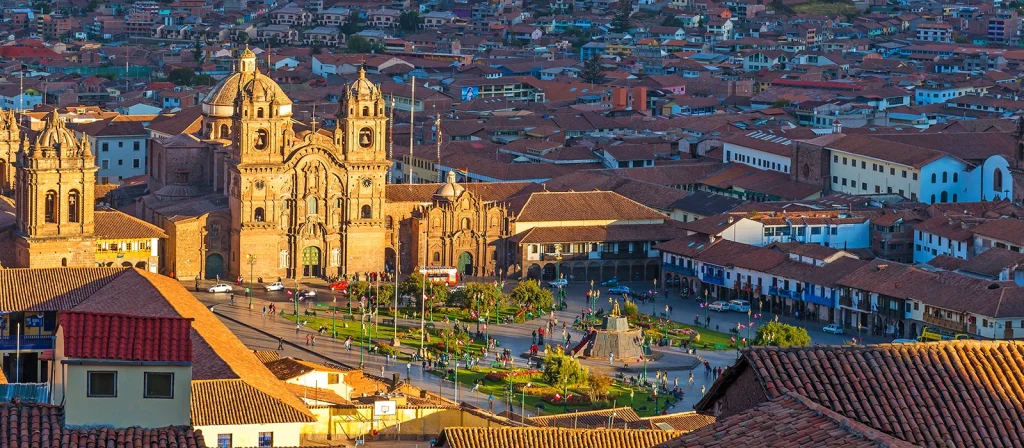
The truth: Peru is one of the most visited countries in South America, with well-developed tourist infrastructure in its main regions.
Cities like Cusco, the Sacred Valley, Lima, and Arequipa receive millions of international visitors each year. Like anywhere else, awareness matters, but violent crime against tourists is rare in the areas travelers actually visit.
What makes the biggest difference:
- Staying in well-located accommodations
- Using reputable transport
- Avoiding unnecessary risk late at night
- Having local support when moving between regions
This is where organized itineraries quietly add value: logistics are handled, routes are efficient, and travelers focus on the experience rather than navigation.
Myth 2: Everyone Gets Altitude Sickness
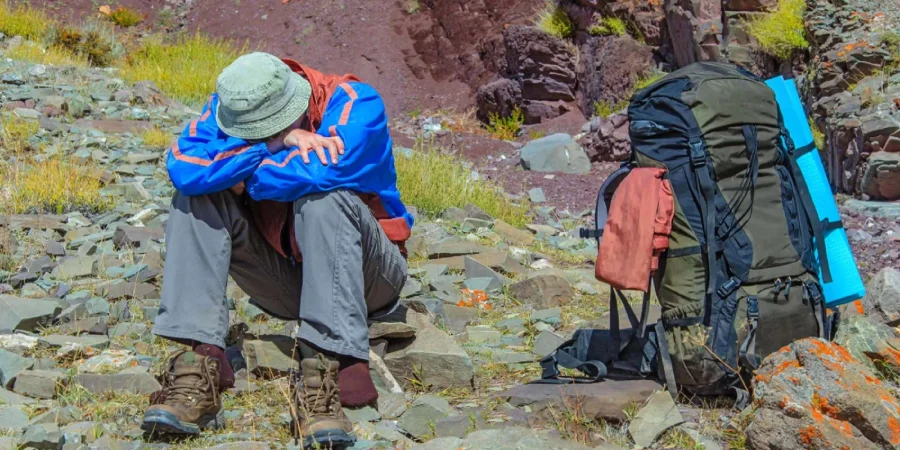
The truth: Most travelers adapt well to altitude when itineraries are paced correctly.
Altitude affects people differently, but serious issues are uncommon when trips:
- Start at lower elevations
- Build altitude gradually
- Include rest and acclimatization days
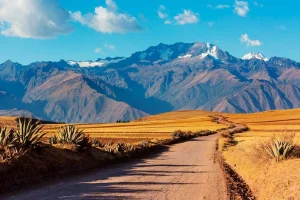
Cusco sits at 3,400 meters (11,150 ft), but nearby areas like the Sacred Valley are significantly lower. Which is why well-designed itineraries begin there.
Symptoms, when they appear, are usually mild and temporary. Proper planning reduces risk far more effectively than medication alone.
Myth 3: There’s Only One “Best” Time to Visit Peru
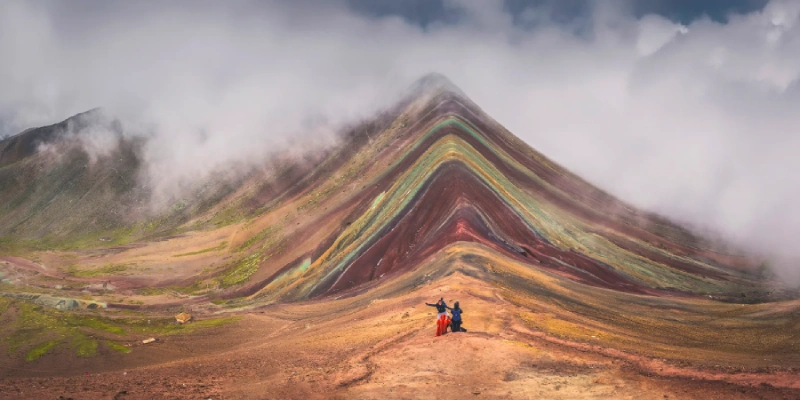
The truth: Peru has multiple climates and timing depends on where you’re going.
- Andes (Cusco, treks, Machu Picchu): Dry season offers clearer skies; rainy season brings greener landscapes and fewer crowds
- Amazon: Wildlife viewing changes throughout the year
- Coast (Lima, Paracas): Mild winters and warm summers, with little rainfall
There is no universal best month, only the best timing for your priorities. Understanding seasonality allows travelers to choose experiences, not just dates.
Myth 4: Machu Picchu Is Always Crowded and Rushed
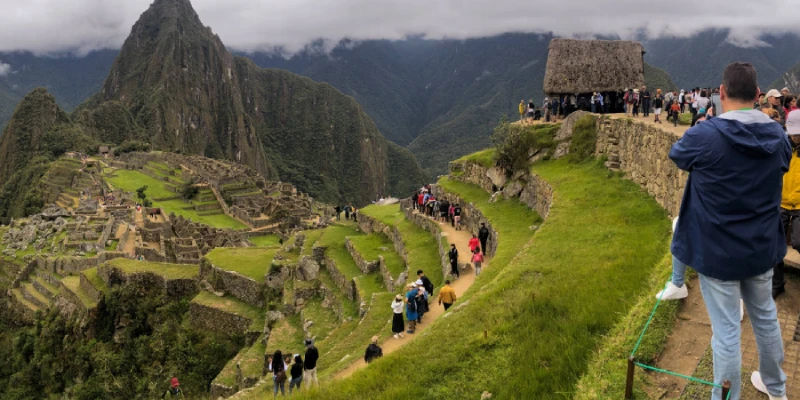
The truth: The experience depends entirely on how you visit.
Machu Picchu can feel busy when approached with minimal planning. It feels completely different when:
- Visiting early in the day
- Entering via trekking routes
- Combining it with quieter Sacred Valley experiences
The site itself remains powerful, what changes is the surrounding flow. Thoughtful planning restores the sense of place.
Myth 5: Peruvian Food Is Risky for Visitors
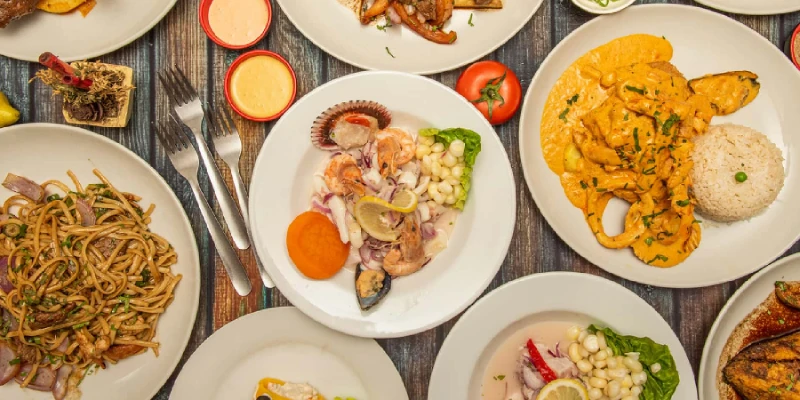
The truth: Peru is one of the most respected culinary destinations in Latin America.
From Lima’s award-winning restaurants to traditional markets in Cusco and Arequipa, food is central to Peruvian culture. Travelers who eat where locals eat or who are guided through markets and restaurants, usually discover how varied and refined the cuisine really is.
The key isn’t avoidance, it’s context:
- Clean, busy eateries
- Regional specialties
- Gradual exposure
Food becomes a highlight, not a concern.
Myth 6: Travel in Peru Is Physically Uncomfortable
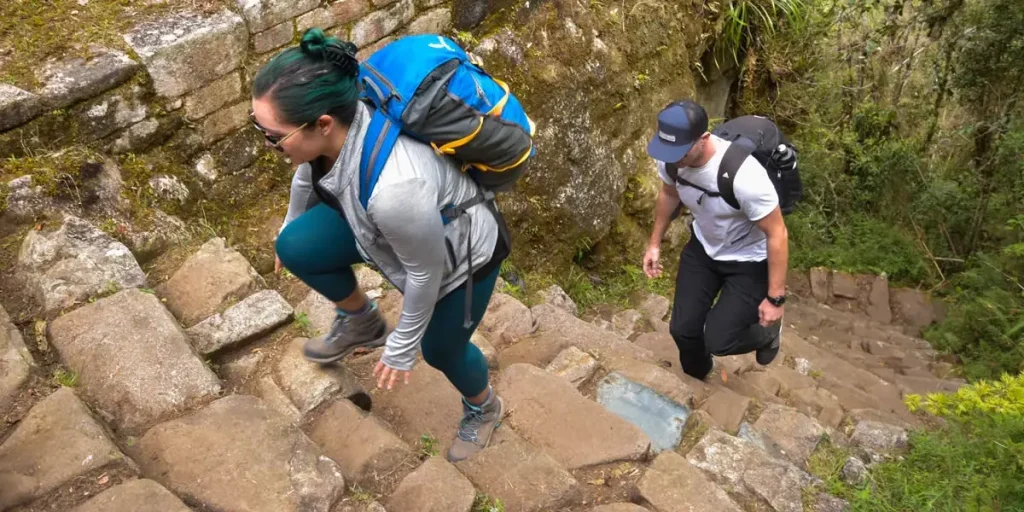
The truth: Peru offers a wide range of comfort levels, from simple to refined.
Travelers can choose:
- Boutique hotels and well-located lodges
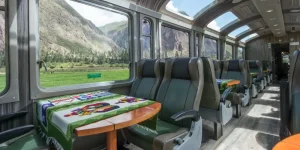
- Scenic trains with full service
- Private transport between regions
- High-comfort trekking options, including Sky Domes and premium camps
Adventure does not mean sacrificing rest. Comfort is a choice and Peru supports it.
Myth 7: Peru Is Too Complicated to Navigate

The truth: Peru is well connected when routes are planned logically.
Domestic flights link major regions efficiently. Trains connect Cusco to the Sacred Valley and Machu Picchu. Road transfers fill the gaps.
What causes frustration isn’t distance, it’s poor sequencing. Avoiding backtracking and understanding regional flow turns a complex map into a smooth journey.
Myth 8: Guided Travel Limits Freedom
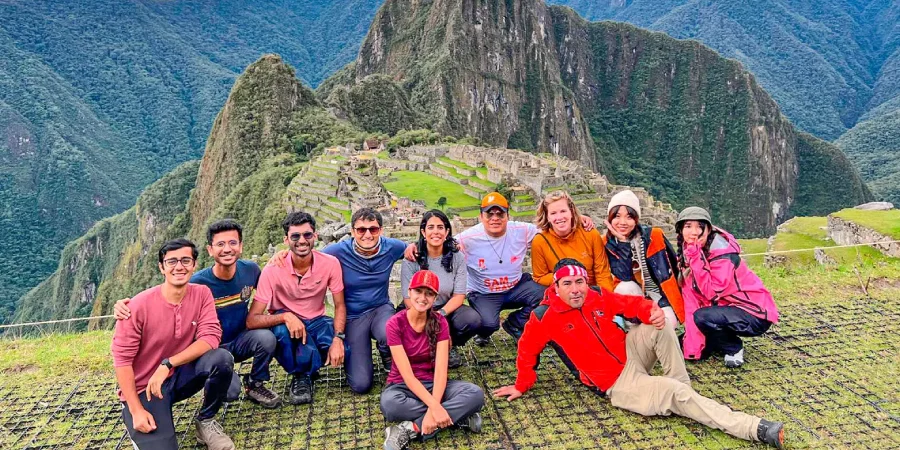
The truth: Good guides expand access rather than restrict it.
Guided travel in Peru often means:
- Deeper cultural context
- Easier logistics
- Access to remote areas
- Flexibility when conditions change
Rather than following a script, travelers gain the freedom to focus on landscapes, history, and interaction without managing the details.
Who Peru Is Perfect For
- Travelers who value variety (culture, nature, food)
- Visitors open to learning and adapting
- Those who appreciate planning that balances activity and rest
Who Peru Is Not Ideal For
- Ultra-rushed itineraries
- One-night city hops
- Travelers unwilling to adjust pace or expectations
The Real Truth About Traveling in Peru
Most myths about Peru come from trips that weren’t designed with intention. When routes make sense, altitude is respected, seasons are understood, and expectations are aligned, Peru becomes one of the most rewarding destinations in the world.
Thinking About Your Own Trip?
The difference between a stressful journey and a memorable one often comes down to planning. Talking with specialists who understand Peru’s regions, rhythms, and realities can turn uncertainty into clarity, and ideas into an itinerary that actually works.
Comparison Chart
| Common Myth | The Reality on the Ground | What Actually Helps |
| Peru is unsafe for tourists | Peru receives millions of international visitors every year, especially in Cusco, Lima, Sacred Valley, and Arequipa | Staying in central areas, using reputable transport, and having local support |
| Everyone gets altitude sickness | Most travelers acclimatize well when altitude is approached gradually | Smart itineraries, Sacred Valley first, rest days |
| There’s only one good time to visit | Peru has multiple climates depending on region | Choosing timing based on Andes, Amazon, or Coast priorities |
| Machu Picchu is overcrowded and rushed | The experience varies greatly by timing and access | Early entry, trekking routes, thoughtful scheduling |
| Peruvian food is risky to eat | Peru is a world-class culinary destination | Eating at busy local spots, markets with guidance, reputable restaurants |
| Travel in Peru is basic or uncomfortable | Comfort ranges from adventure to high-end | Boutique hotels, scenic trains, premium trekking options |
| Peru is hard to navigate | The country is well connected when planned correctly | Logical routing, flights + trains + road transfers |
| Guided travel limits freedom | Good guides increase access and flexibility | Local knowledge, logistics handled, cultural insight |
| Treks are only for extreme hikers | There are options for many fitness levels | Matching trek choice to ability and goals |
| You need weeks to see Peru | Even short trips can be rewarding | Focused itineraries with clear priorities |