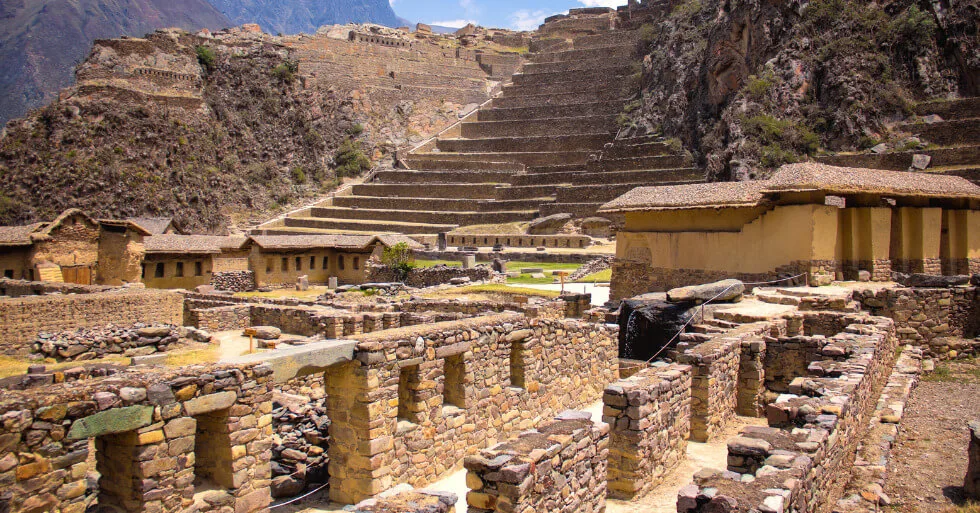
Ollantaytambo sits about 1 hour and 45 minutes from Cusco, at the heart of the Sacred Valley. For travelers, it works as both a starting point and a destination: a place where you can explore major archaeological sites, connect with local culture, and access Machu Picchu by train or on foot. The town is one of the few places in Peru where the Inca layout remains intact. Streets, canals and foundations are still in daily use.
It’s a practical base for hikes, ruins, viewpoints and multi-day treks, but it also carries significant archaeological weight, both as a former royal estate and as a strategic stronghold during the Inca resistance.
What Makes Ollantaytambo a Cultural and Adventure Hub
Archaeological Visits
The Ollantaytambo Archaeological Complex is the centerpiece. It is a massive fortress and ceremonial center built on the hillside overlooking the town. Highlights include:
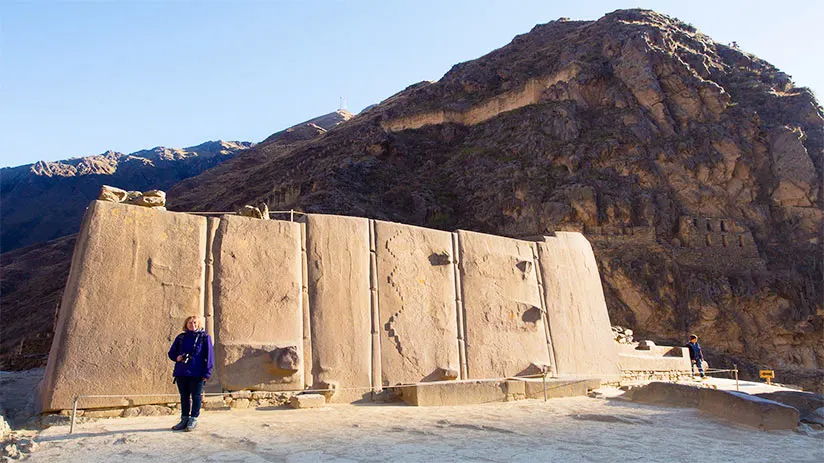
- The Sun Temple with its impressive monolithic wall.
- Agricultural terraces that control the hillside.
- The Pinkuylluna storehouses on the opposite mountain, accessible by a short but steep hike.
Ollantaytambo is also a gateway to other ruins scattered across the valley, many of them lesser-known but historically significant.
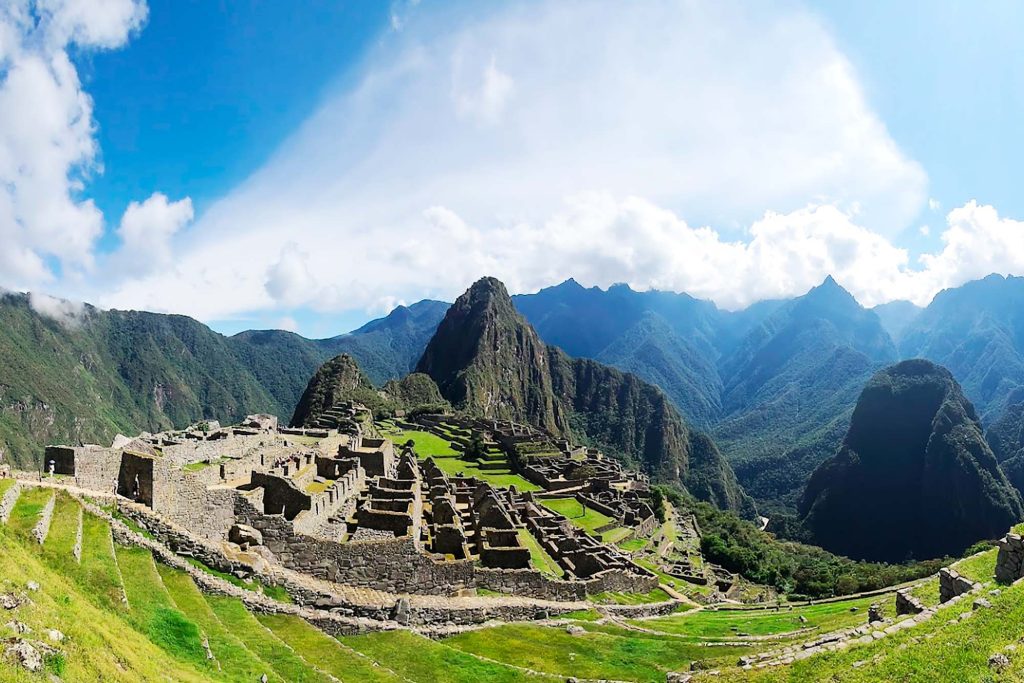
Machu Picchu From Ollantaytambo
This is one of the main reasons travelers base themselves here.
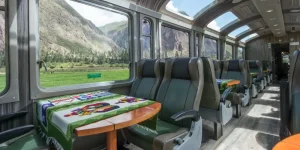
- By Train: Ollantaytambo has the most frequent and reliable train departures to Aguas Calientes. It’s the easiest way to reach Machu Picchu without returning to Cusco.
- By Trek: The Inca Trail, Salkantay, Lares, and the Inca Quarry Trail all connect through or around Ollantaytambo. Several treks start or pass near the town, making it a hub for multi-day hiking logistics.
Festivities and Cultural Life
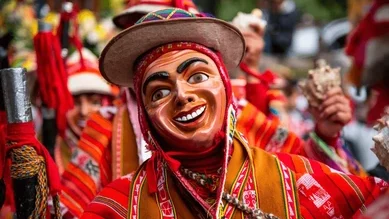
Ollantaytambo keeps a strong sense of identity, and its main festivities highlight that.
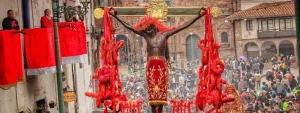
- Fiesta de la Virgen del Carmen (July): One of the most expressive celebrations in the Sacred Valley, with traditional dances, costumes and multi-day gatherings.
- Fiesta de Reyes (January): A blend of Catholic events and local traditions, often including dances and processions.
- Community markets and workshops: Weaving communities from Patacancha and Huilloc frequently sell textiles or offer weaving demos, giving travelers a direct look at local Andean craftsmanship.
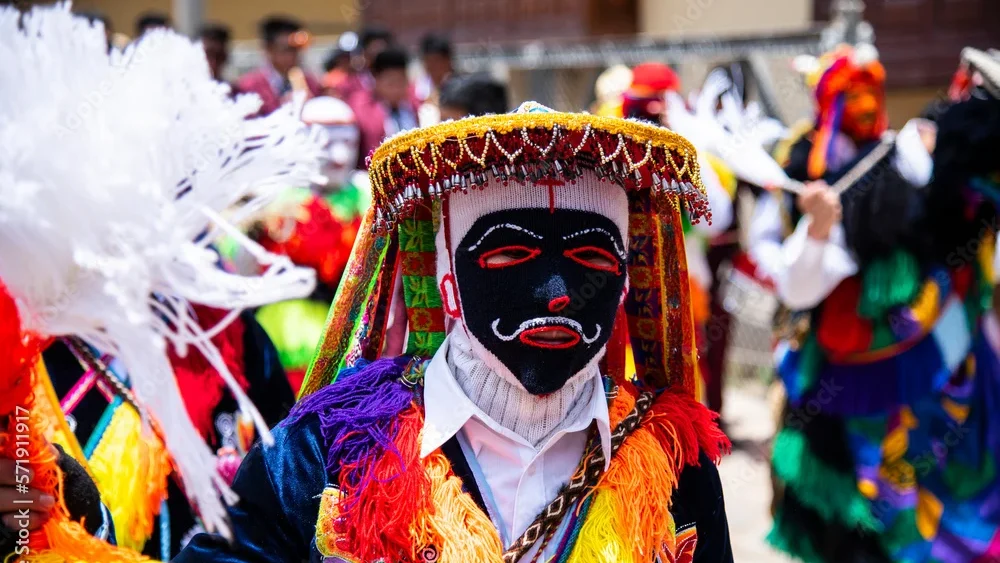
The rhythm of town life is slower than Cusco, and its narrow stone alleys still reflect the original Inca grid, making culture visible without having to look for it.
Other Natural and Archaeological Attractions
Within short distances you find:
- Moray: Circular agricultural terraces used for experimentation.
- Maras Salt Mines: One of the oldest salt-producing systems in the Andes.
- Chinchero: A cultural stop for weaving and local markets.
- Pumamarca: A quiet archaeological site above town, ideal for a half-day hike.
- Willoq & Patacancha Valley: High Andean communities known for traditional weaving and landscapes.
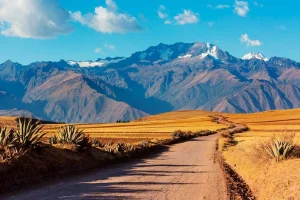
- Veronica Mountain viewpoints: Several spots around the valley offer clear views of this glacier-covered peak.
Final Thoughts
Ollantaytambo has always been strategically important. During Inca times, it controlled the entry to the lower valley and connected agricultural, military and ceremonial functions. Today, its relevance continues, just in a different way. It’s the place where travelers regroup, rest, explore ruins and jump toward Machu Picchu or deeper Sacred Valley adventures. The combination of living Inca heritage, archaeological sites and logistical convenience makes it one of the most meaningful places to spend time in the region.
FAQS
Where to stay?
You’ll find options from backpacker hostels to boutique hotels. A recommended central option is Andenes del Inca, located right in town with easy access to restaurants, the fortress, and the train station.
Best time to visit?
- Dry season (May–October): Best for hiking and clear views.
- Wet season (November–April): Greener landscapes, fewer crowds, occasional rain.
Ollantaytambo is pleasant year-round, but activities involving hikes depend heavily on weather clarity.
How long should you stay?
1–2 nights are the minimum to explore the fortress and catch a train to Machu Picchu.
3–4 nights are ideal if you want to visit nearby ruins, do hikes, or explore local communities.
How to get there from Cusco?
- Taxi/Private Transfer: 1h45–2h, flexible stops on the way.
- Tourist Transport/Minivan (Colectivo): Leaves from Calle Pavitos; the most budget-friendly option.
- Full-Day Tour: Many Sacred Valley tours finish in Ollantaytambo, allowing you to stay overnight and take the train next day.