Peru is one of the world’s most exciting food destinations, not because of a single dish, but because of how its geography, history, and cultures collide on the plate. From Pacific seafood to high-altitude stews and bold regional recipes, food is one of the most rewarding ways to understand the country.
This guide highlights 10 must-try Peruvian dishes, organized by region, with tips on where travelers usually experience them best. Whether it is in markets, traditional eateries, or modern restaurants.
Why Peruvian Cuisine Is So Diverse
Peru’s cuisine reflects:
- Three main regions: Coast, Andes, Amazon
- Indigenous traditions combined with Spanish, African, Italian, Chinese, and Japanese influences
- A strong culture of markets, home cooking, and regional pride
Traveling through Peru means eating differently in every place, and that’s part of the experience.
Lima: Peru’s Culinary Capital
Lima sits at the center of Peru’s food scene, blending coastal ingredients with innovation. It’s the best place to experience both traditional classics and modern interpretations.
1. Ceviche
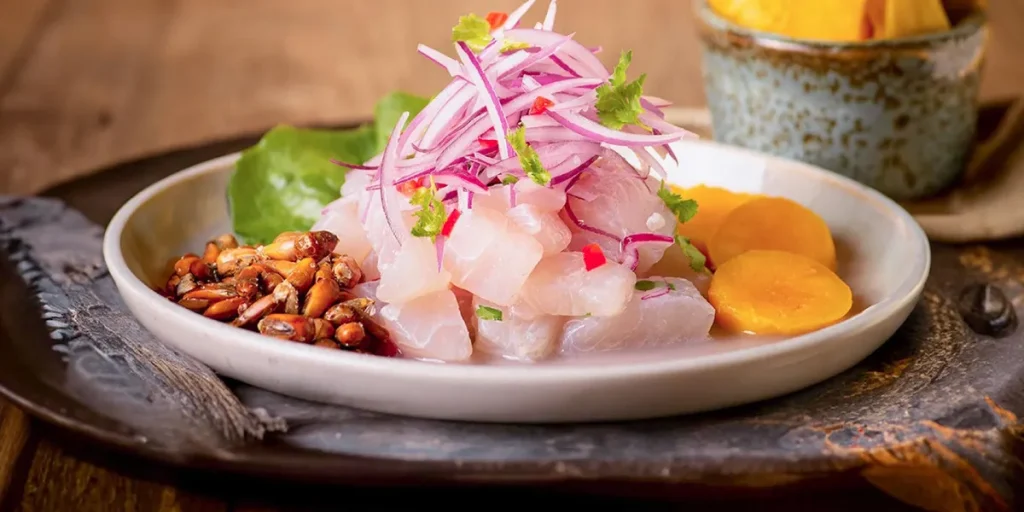
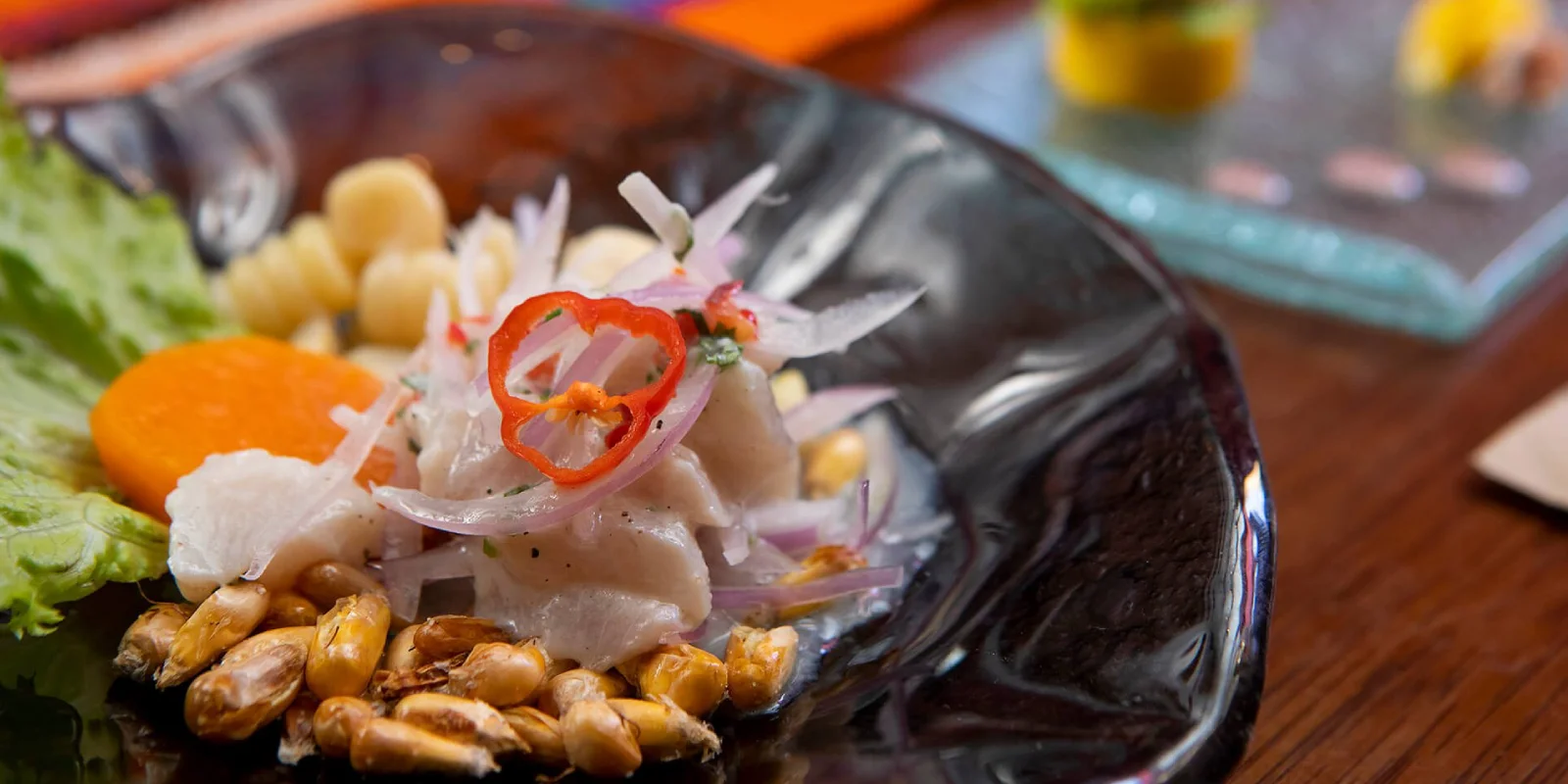
- Fresh raw fish cured in lime juice with onion, chili, and corn
- Best eaten at lunch, when fish is freshest
- Found everywhere from markets to award-winning restaurants
Where to eat: Traditional cevicherías, local markets, or classic lunch spots
2. Lomo Saltado
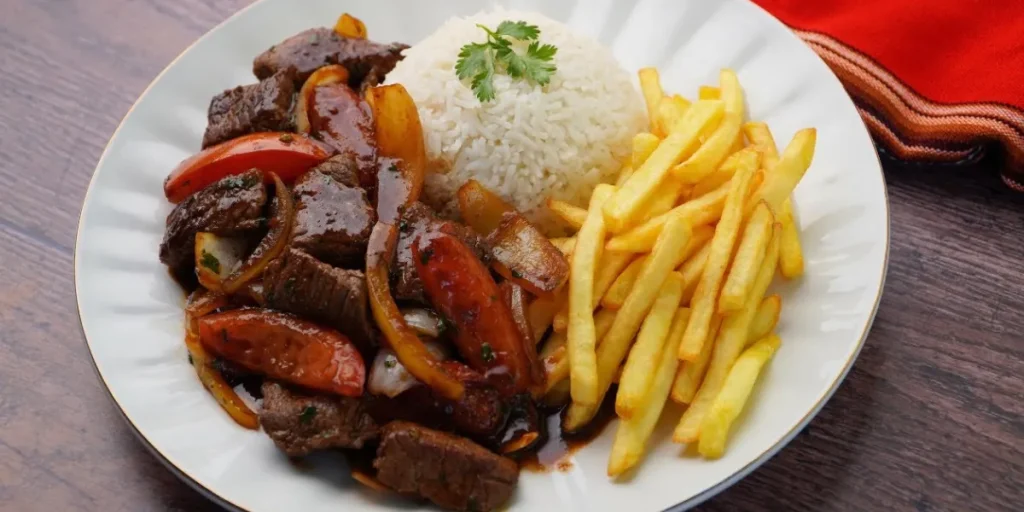
- Stir-fried beef with onions, tomatoes, soy sauce, and fries
- A perfect example of Chinese-Peruvian fusion
- Comfort food with deep cultural roots
Where to eat: Casual restaurants and traditional kitchens
3. Causa Limeña
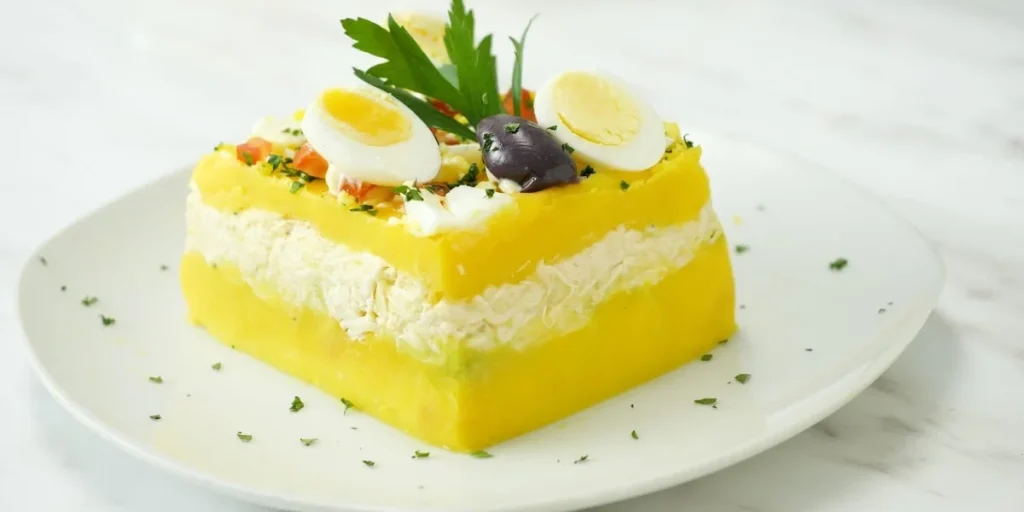
- Layered mashed potatoes with lime, chili, and fillings like chicken, tuna, or seafood
- Light, refreshing, and full of flavor
- Often served as an appetizer
Where to eat: Restaurants and modern bistros
Cusco: Andean Flavors & Living Traditions
Cusco’s cuisine is shaped by altitude, seasonal ingredients, and ceremonial traditions. Many dishes here are tied to festivals, markets, and family gatherings.
4. Chiriuchu
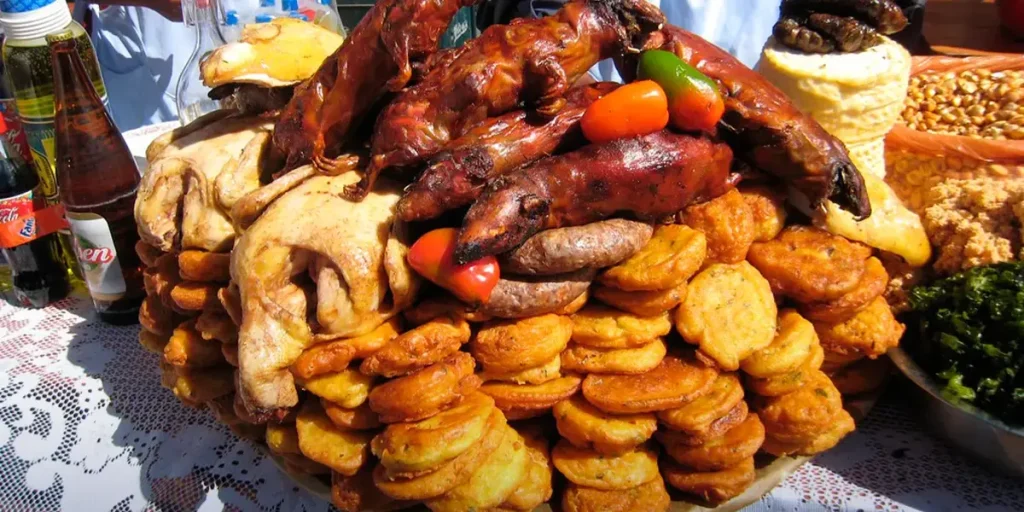
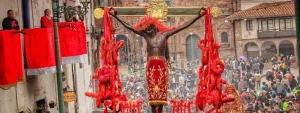
- A cold ceremonial dish traditionally eaten during Corpus Christi
- Includes cuy, chicken, corn tortilla, cheese, sausage, seaweed, and fish roe
- Symbolizes the diversity of Andean regions
Where to eat: Markets and traditional food stalls, especially during festival season
5. Chicharrón Cusqueño
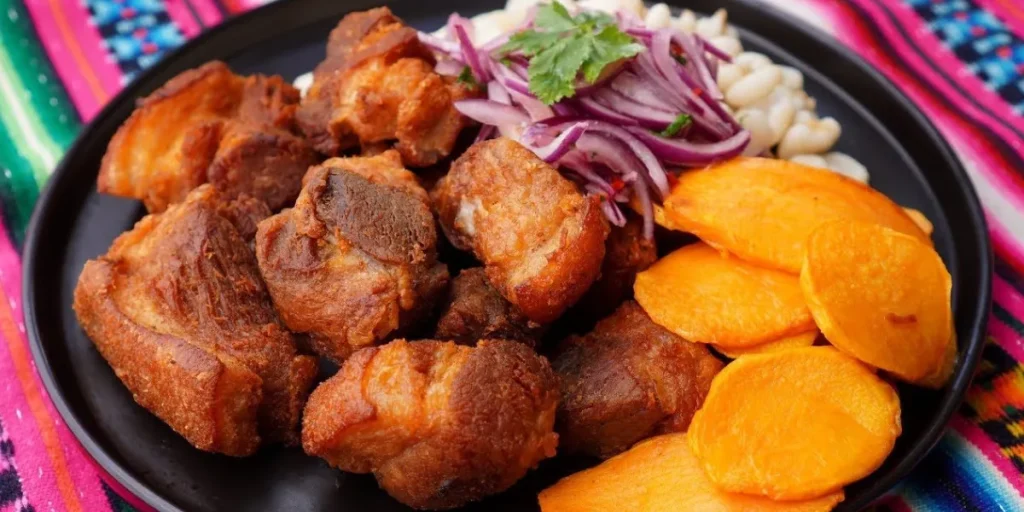
- Crispy pork served with mote (hominy corn) and potatoes
- Hearty and filling, often eaten late morning or early afternoon
Where to eat: Local eateries and traditional restaurants
6. Cuy (Guinea Pig)
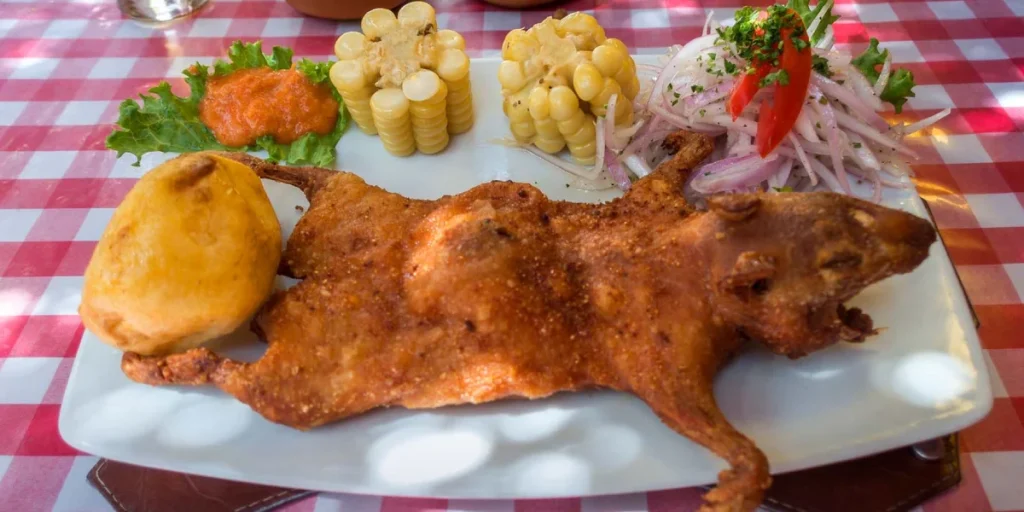
- A pre-Columbian ceremonial food
- Usually roasted or fried whole
- Cultural experience as much as a culinary one
Where to eat: Specialized restaurants or rural communities
7. Alpaca Dishes
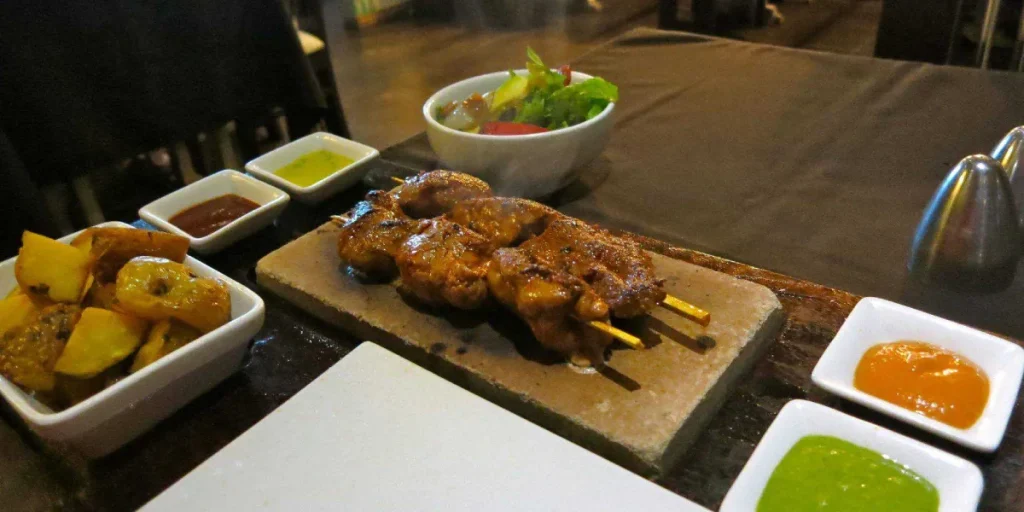
- Lean, high-protein meat
- Served grilled, in stews, or with Andean sauces
- Mild flavor compared to beef
Where to eat: Cusco restaurants offering modern Andean cuisine
Arequipa: Bold Regional Cooking
Arequipa has one of Peru’s strongest regional food identities. Its cuisine is known for intensity, spice, and tradition, often enjoyed in local picanterías.
8. Rocoto Relleno
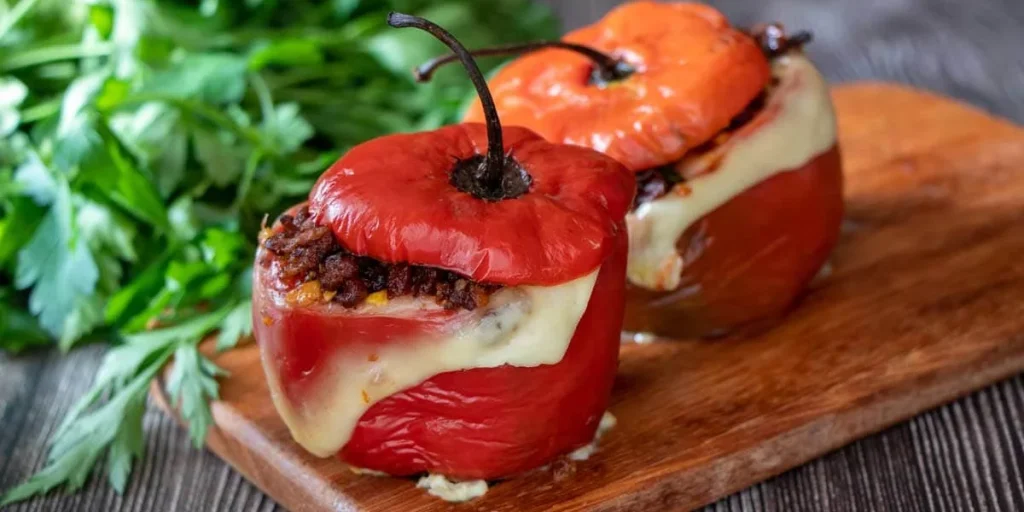
- Spicy rocoto pepper stuffed with meat, cheese, and spices
- Baked and served hot
Where to eat: Traditional picanterías
9. Adobo Arequipeño
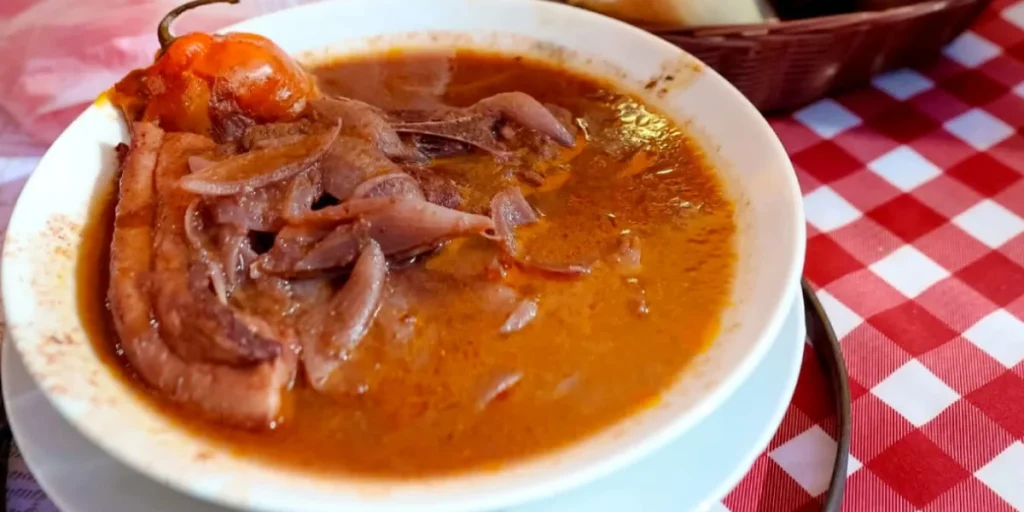
- Slow-cooked pork stew marinated in chicha and spices
- Traditionally eaten in the morning
Where to eat: Local restaurants and Sunday kitchens
10. Chupe de Camarones
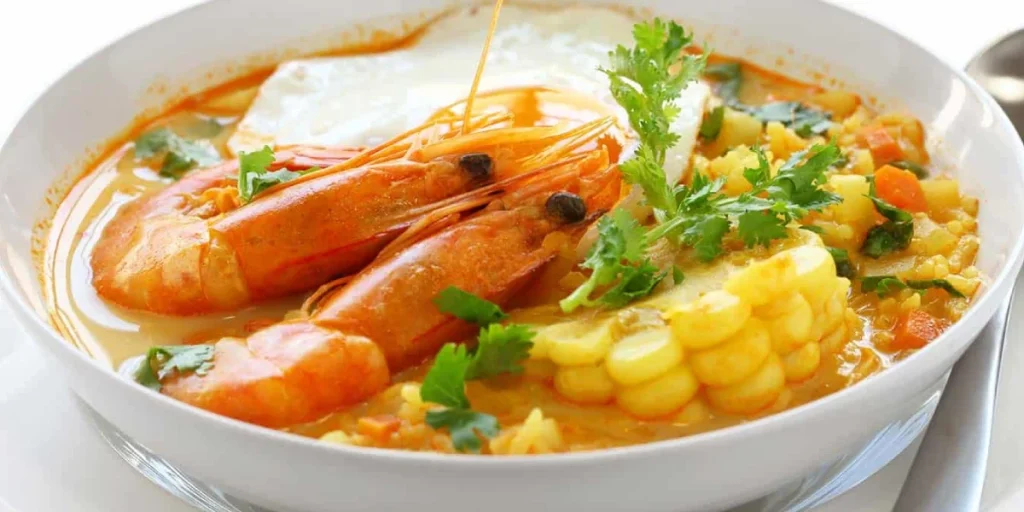
- Thick shrimp chowder with potatoes, corn, milk, and egg
- Rich, filling, and seasonal
Where to eat: Traditional Arequipa eateries
Roadside & Regional Favorites Across Peru
Some of Peru’s best food is found on the road and in markets:
- Anticuchos (grilled beef heart skewers)
- Tamales wrapped in corn leaves
- Empanadas filled with meat or cheese
- Fresh fruit juices blended to order
These are everyday foods locals rely on, simple, affordable, and full of flavor.
Markets vs Restaurants: Where Should You Eat?
Markets
- Traditional recipes
- Affordable prices
- Strong local atmosphere
- Best for breakfasts and lunches
Restaurants
- Greater variety and presentation
- Dietary accommodations
- Comfortable pacing and ambiance
A balanced trip usually includes both.
Food Safety & Eating Tips for Travelers
- Eat lighter meals during your first days at altitude
- Choose busy stalls with high turnover
- Wash hands or use sanitizer before eating
- Avoid tap water unless filtered or boiled
Most travelers can enjoy Peruvian food comfortably with basic precautions.
Food Experiences to Add to Your Peru Trip
Food doesn’t have to be limited to restaurants. Many travelers enhance their trip with:
- Guided market visits
- Cooking classes
- Farm-to-table experiences
- Gastronomic walking tours in Lima and Cusco
- Bean to bar, chocolate tasting and making experiences.
These experiences add context and connection to what’s on your plate.
Build Your Peru Trip Around Food
Peru’s cuisine is more than a highlight, it can shape your entire itinerary. From market breakfasts to regional specialties and fine dining, food connects travelers to culture in an immediate, memorable way.