A Sacred Valley tour is usually framed as a day of archaeology, landscapes and history, which it is. But it’s also one of the most strategic routes for responsible souvenir shopping, where your money supports small communities, family workshops, and artisans who keep ancestral techniques alive.
The circuit connects Cusco with Pisac, Chinchero, Maras and Ollantaytambo, each with its own specialty and cultural identity. If you plan it well, the tour becomes more than sightseeing: it becomes a direct way to support local economies while taking home items that actually matter.
Pisac: The Classic Market & Silver Capital
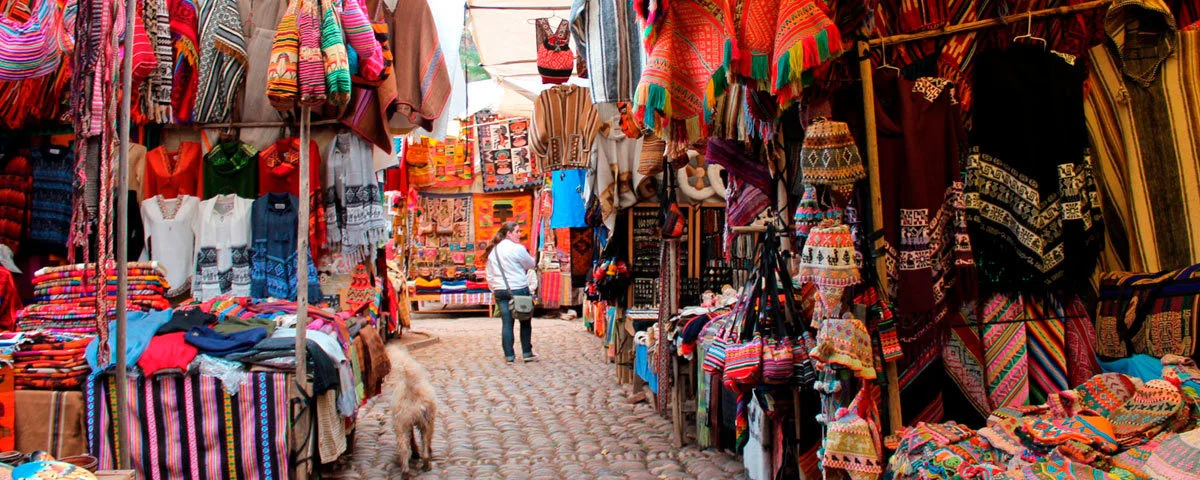
Most Sacred Valley itineraries begin in Pisac, home to the largest artisan market in the region. While you’ll find everything from wool garments to musical instruments, Pisac is especially known for:
What to buy in Pisac:
- Silver jewelry: considered some of the best craftsmanship in Peru, often featuring Andean iconography like chakana, condors or spirals.
- Ceramics from nearby communities: geometric and animal motifs inspired by ancestral styles.
- Handmade flutes & small musical instruments: a practical, lightweight souvenir.
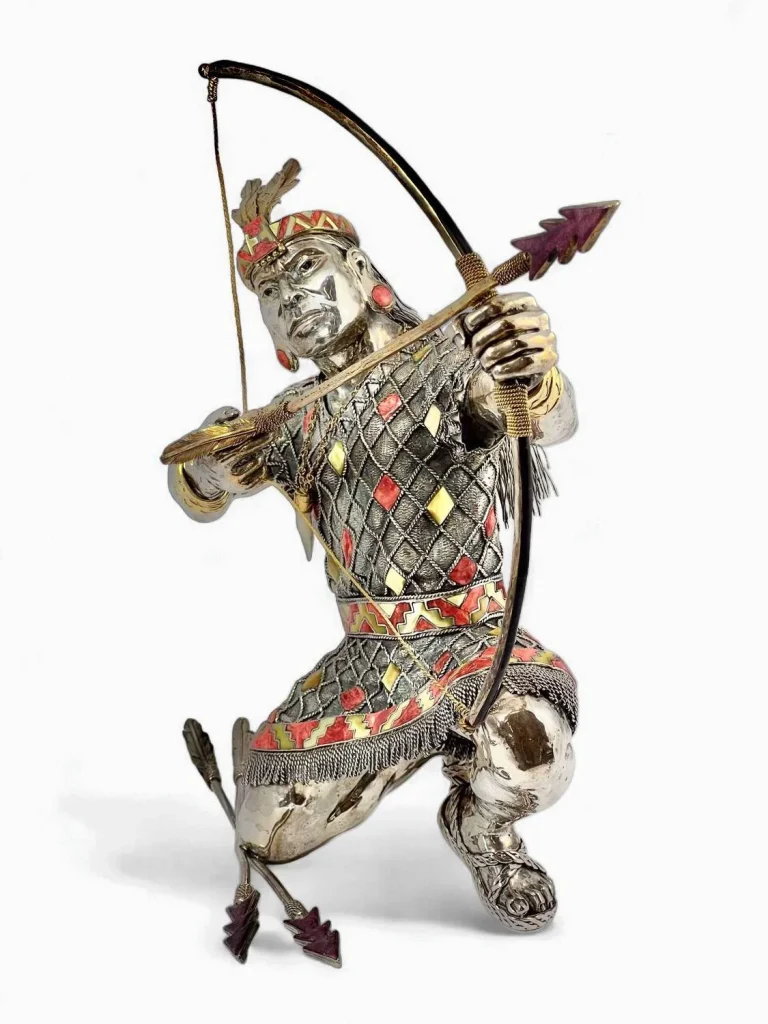
Pisac’s mix of size & variety makes it the place to buy items you won’t easily find again later in the route.
Chinchero: Textiles Preserved Through Ancestral Skill
Chinchero is not only an archaeological site with terraces and colonial-influenced architecture, but one of the strongest textile centers in the Andes. Families here continue to work with natural dyes, alpaca wool, and traditional looms.
What to buy in Chinchero
- Alpaca textile pieces: Scarves, shawls and blankets dyed with cochineal, qolle, chilca and other natural sources.
- Small samples: like coin purses, woven belts (fajas) or table runners.
- Demonstration pieces: some artisans sell textiles created during the demonstration itself.
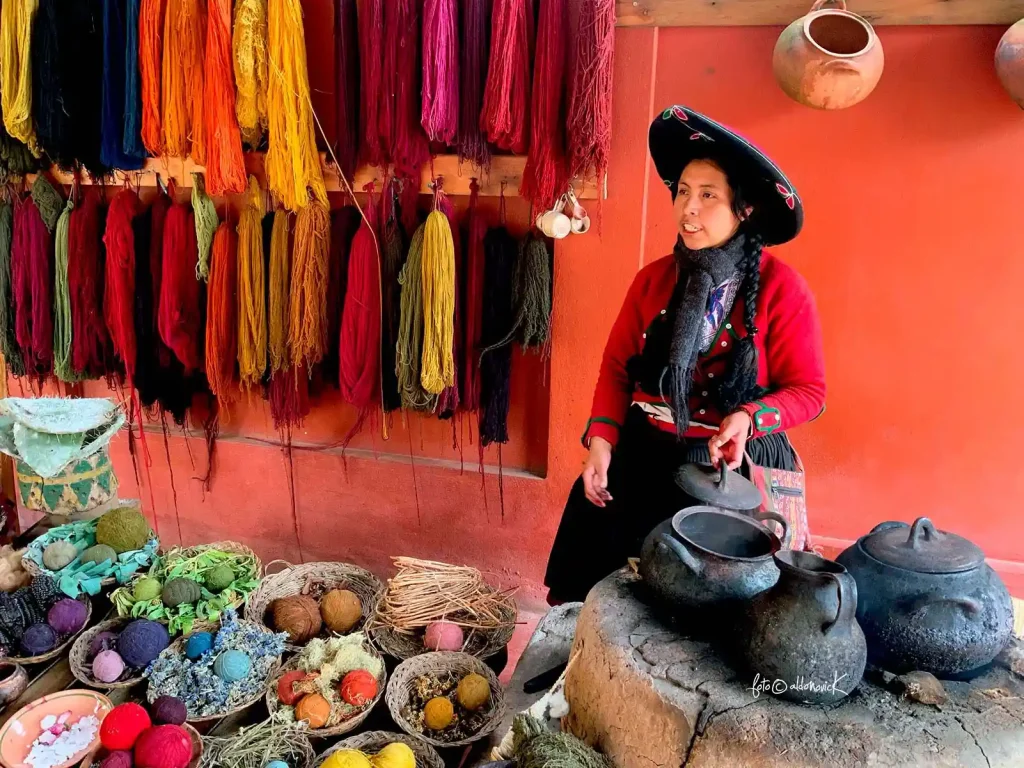
If you want authentic, handmade, natural-dye textiles, Chinchero is the best stop of the entire Sacred Valley.
Maras: Salt, Flavors & Practical Souvenirs
The Maras Salt Mines (Salineras de Maras) are one of the world’s oldest active salt extraction systems. The salt is produced through a communal system, where local families own and operate the evaporation ponds, preserving an economic tradition that goes back centuries.
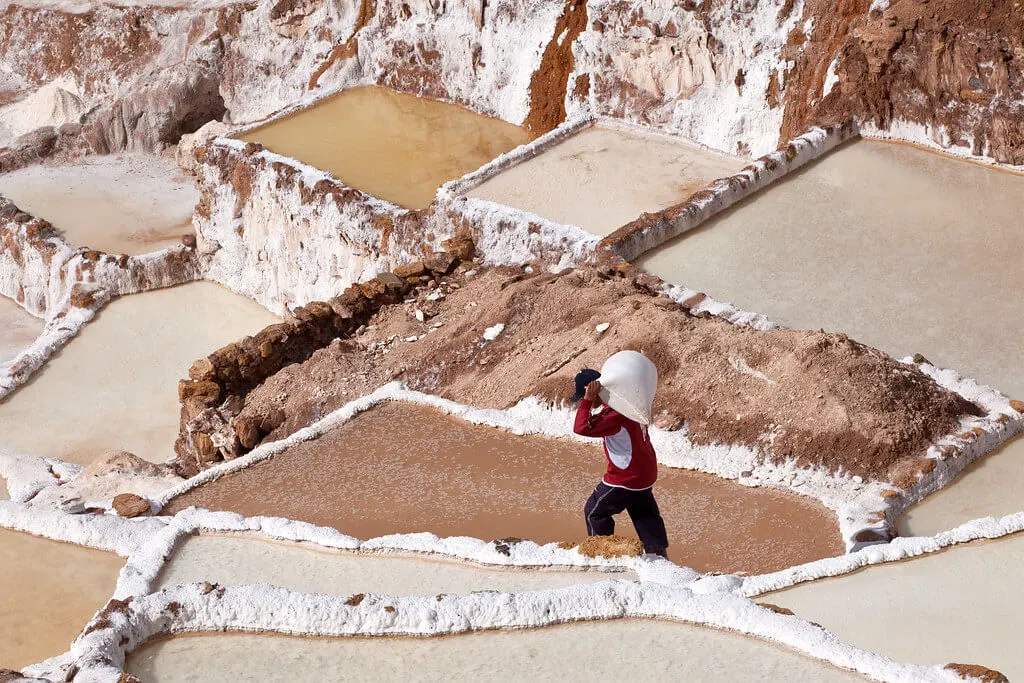
What to buy in Maras
- Pure pink Maras salt: the classic souvenir.
- Flavored salts: smoked, herb-infused, garlic, chili.
- Bath salts: produced from the same mineral sources.
- Salt-based soaps: lightweight and practical to transport.
These are small, inexpensive and represent the authentic identity of Maras.
Ollantaytambo: Final Stop & Last-Minute Finds
Ollantaytambo marks the end of the Sacred Valley loop and the gateway to Machu Picchu. Stores here tend to be smaller and more curated, perfect for last-minute purchases before boarding the train.
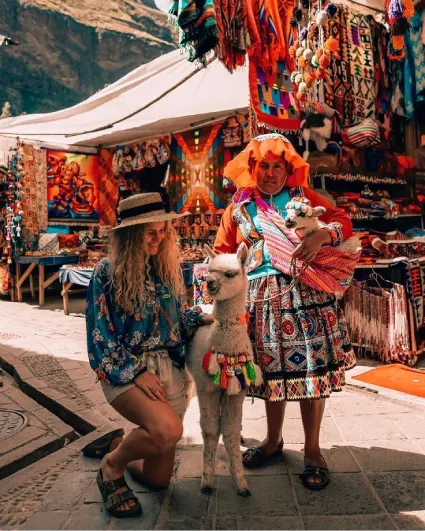
What to buy in Ollantaytambo
- High-quality textiles or alpaca garments from small local cooperatives.
- Handmade jewelry with Andean stones less silver than Pisac, but more unique pieces.
- Art, prints and photography inspired by local landscapes and village life.
- Snacks for the train: chocolate, coffee, local energy bars.
This is the place to buy the items you forgot earlier or pick up something practical before Machu Picchu.
A Sacred Valley tour isn’t only an archaeological journey, but one of the best opportunities to buy authentic souvenirs directly from the people who make them. In just one loop, you can find:
- Silverwork in Pisac
- Master-level textiles in Chinchero
- Mineral salts and local flavors in Maras
- Handmade crafts & last-minute gifts in Ollantaytambo
And if you still want more options, Cusco’s Artisan Market offers a final roundup: a compact space where you can find everything from religious art and ceramics to chocolate, coffee, alpaca clothing, and small handcrafted items.