Many travelers come to Peru dreaming of iconic hikes like the Inca Trail, Salkantay, or Choquequirao, but aren’t sure what level of fitness they need, or which route truly matches their ability. The right trekking choice improves enjoyment, safety, and success. Guided expertise makes all the difference.
This guide breaks treks down by fitness categories (Easy, Moderate, Challenging), explains what each trek actually involves, and provides packing & training tips. At the end, you’ll know exactly which option fits your body, and how to prepare for it.
Plus: Book a free pre-trip fitness consultation with us to plan the perfect trek for your abilities.
Trekking Fitness Categories & What They Mean
| Fitness Level | Description | What You Should Be Able To Do |
| Easy | Less exhausting hikes, shorter distances, minimal elevation gain | Walk 3–5 hours/day comfortably on trails |
| Moderate | Some longer days, variable terrain, occasional steep sections | Prepare for uphill sections and 6–8 hours/day hiking |
| Challenging | Multi-day treks with high passes, steep ascents, long days | Excellent endurance and prior long-distance hiking experience |
Recommended Treks by Category
Easy Hikes & Intro Trekking
Short Inca Trail — 2 Days (Moderate / entry adventure)
- 12 km over two days; summits at 2,700 m and ends at Machu Picchu.
- Requires moderate fitness and basic endurance.
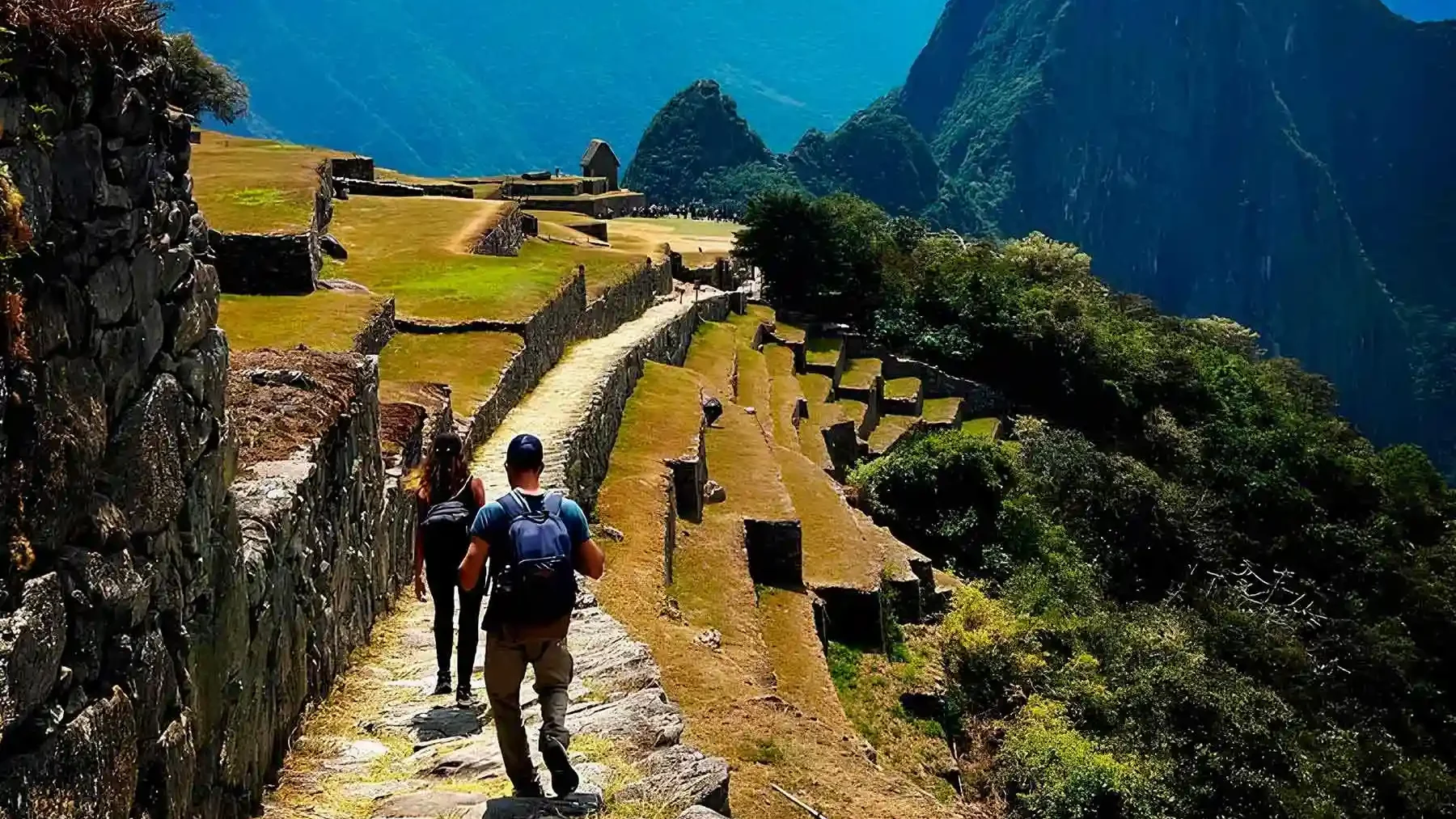
Why it fits Easy–Moderate: Shorter distances and gentler terrain make this ideal for first-time hikers wanting an authentic trail experience without the intensity of longer treks.
Moderate Treks – Best for Most Travelers
Inca Trail — 4 Days (Challenging / classic bucket list)
- The famous route to Machu Picchu over 43 km with Dead Woman’s Pass (4,200 m).
- Requires good conditioning, especially for steep climbs and descents.
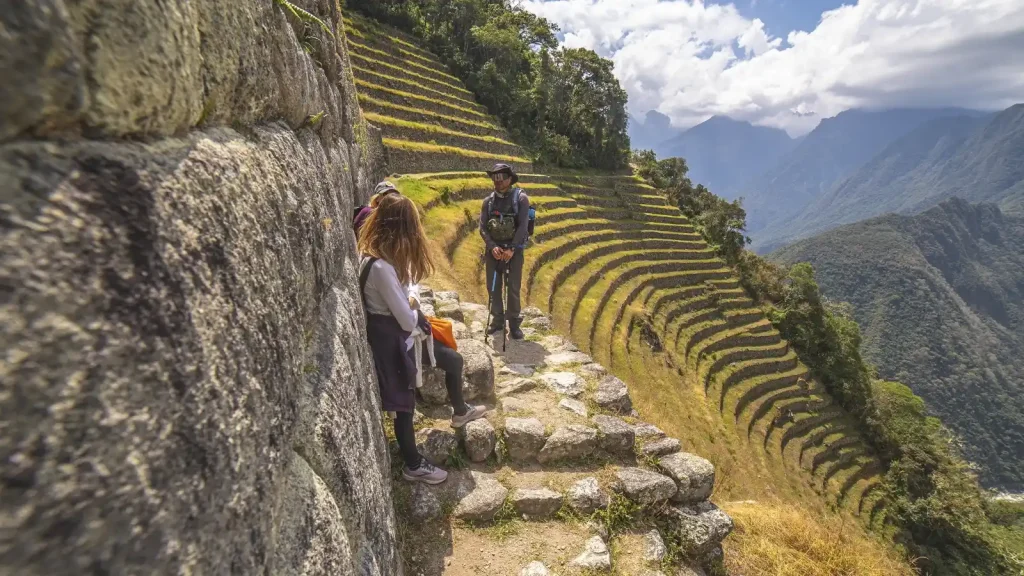
Why it fits Moderate–Challenging: Though classic and popular, fitness needs are real. Expect long days and significant elevation changes.
Lares Trek — 4 Days (Moderate alternative)
- Andean landscapes, traditional highland communities, and thermal springs; ends at Ollantaytambo → train to Machu Picchu.
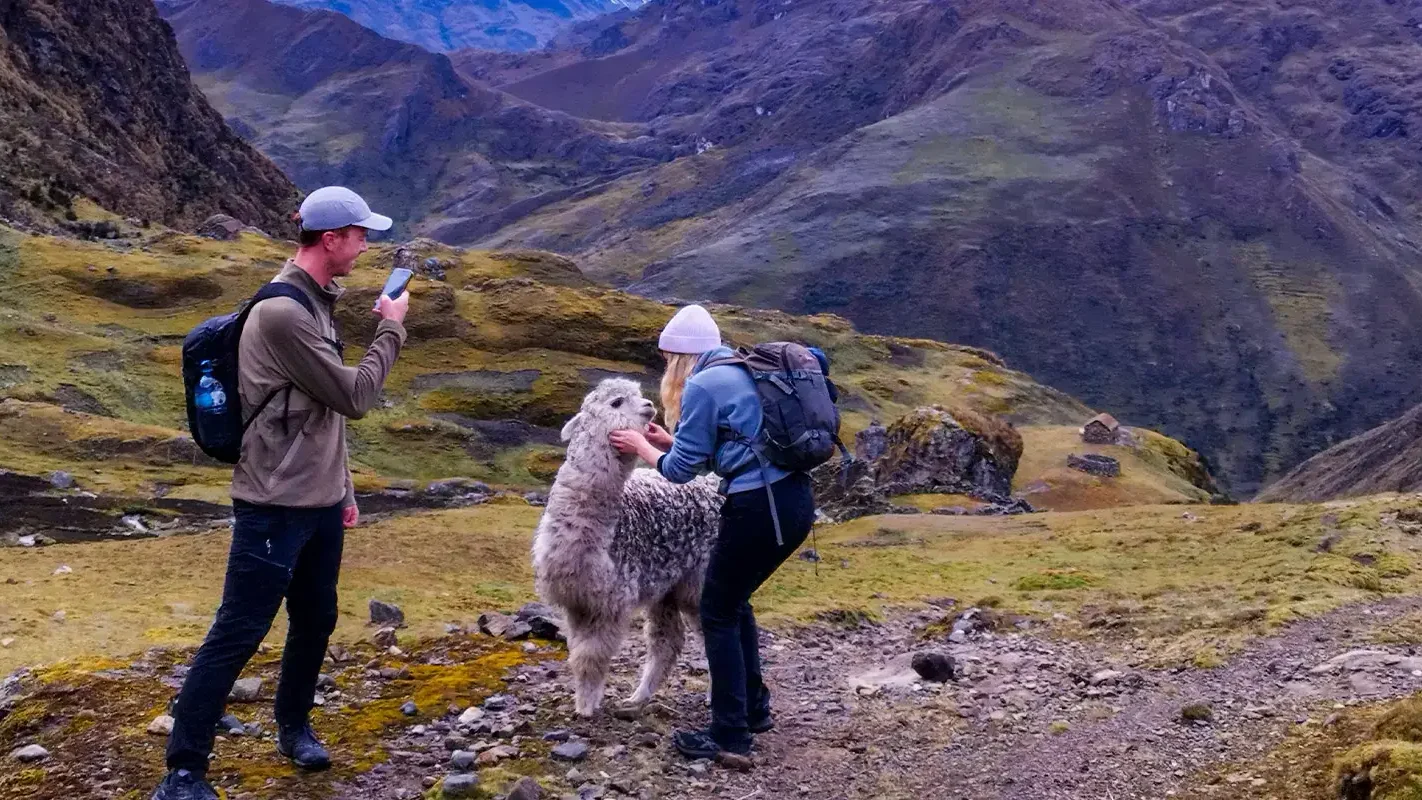
Why it fits Moderate: Slightly gentler than the 4-day Inca Trail with cultural immersion and strong acclimatization.
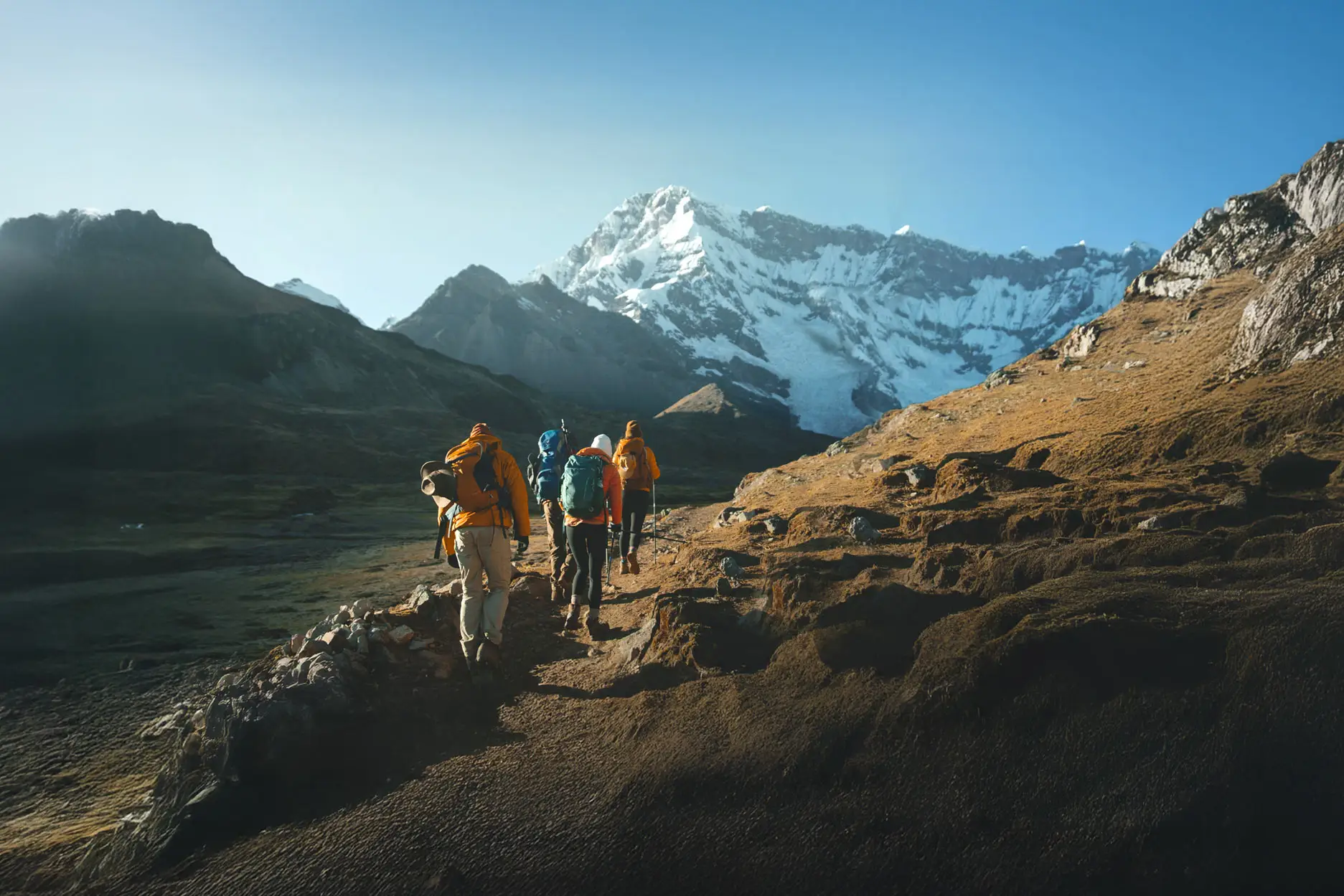
Ausangate Trek — 2 Days (Moderate adventure)
- Remote high-altitude trek including glacier-fed lakes and Puna landscapes.
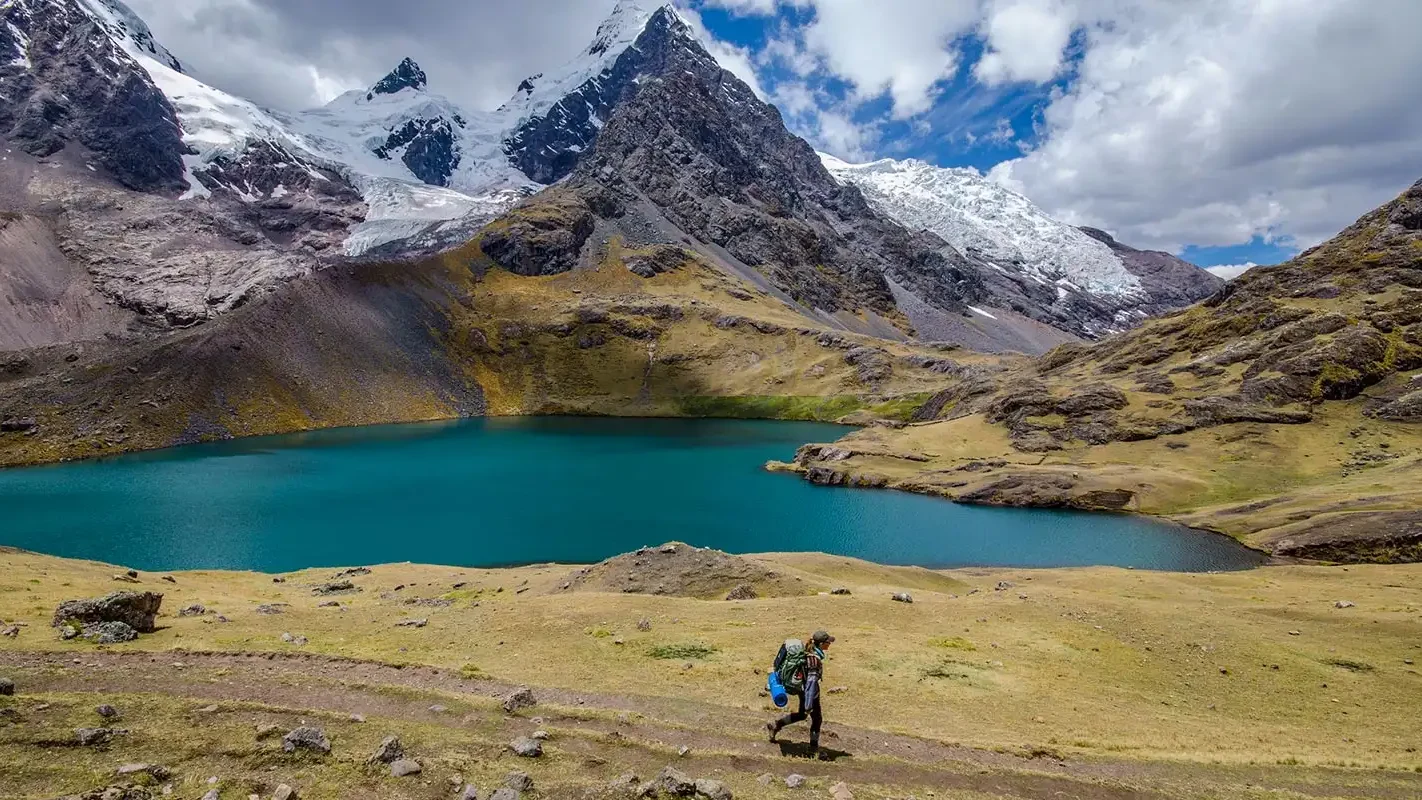
Why it fits Moderate: Challenging scenery but shorter duration; good choice for hikers wanting wild Andean terrain without a long multi-day commitment.
Challenging Treks – For Strong Hikers
Choquequirao & Machu Picchu — 6 Days (Challenging)
- Combines two major heritage sites via rugged trails into deep canyons and cloud forest.
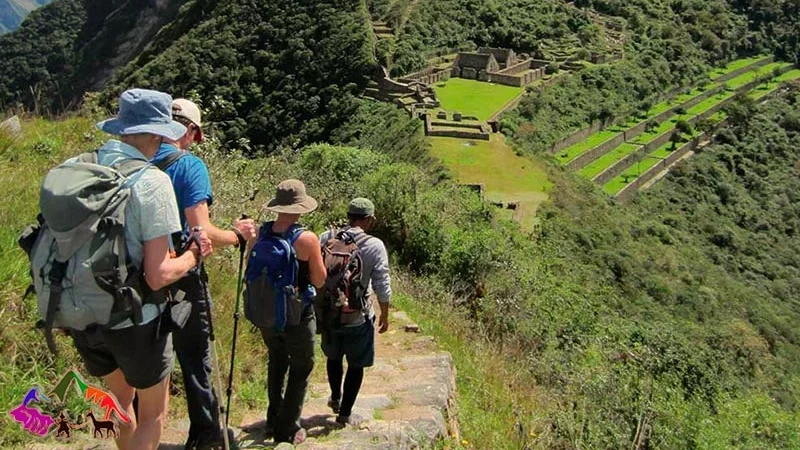
Why it’s challenging: Long days in remote terrain with significant elevation changes, best for experienced trekkers seeking solitude.
Ausangate + Rainbow Mt & 7 Lakes — 3 Days (Challenging)
- Includes high passes, glacial sections, and strenuous ascents.
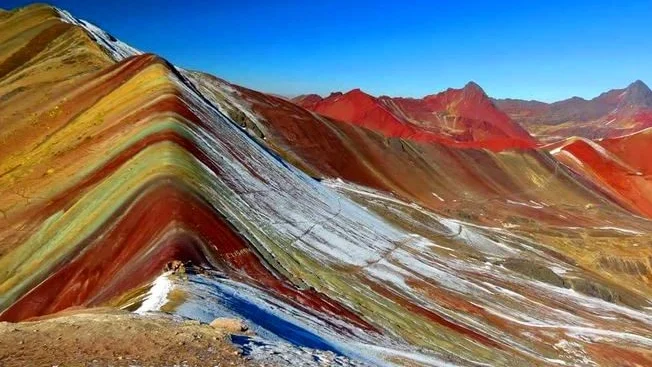
Why it’s challenging: High altitudes and extended effort push this into the highest category.
Salkantay Trek Variants (5 Days) (Challenging)
- Classic high-pass route (up to 4,630 m), varied terrain, ending near Machu Picchu.
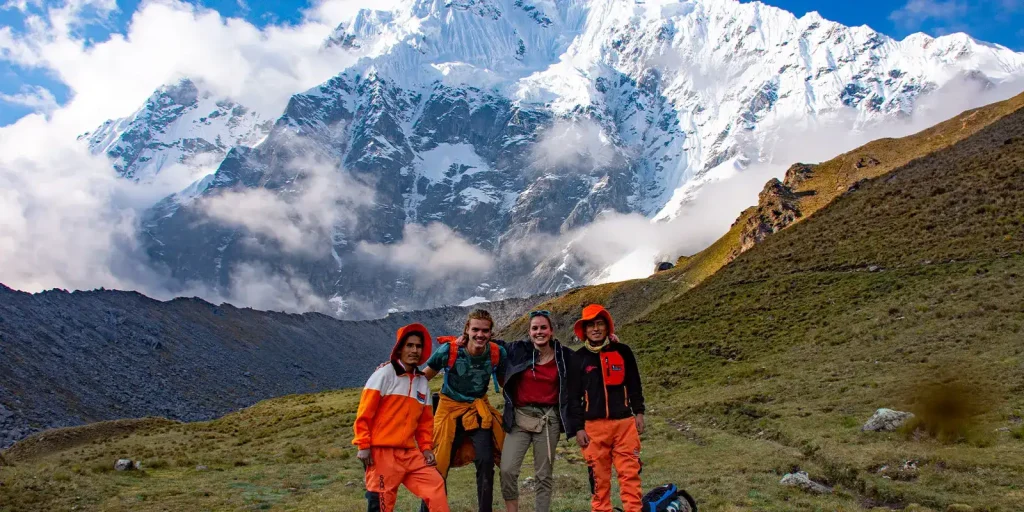
Why it’s challenging: Sustained altitude plus long daily distances require strong fitness and acclimatization.
What Each Trek Involves Physically
Short Inca Trail — 2 Days
- Distance: 12 km total
- Altitude: Up to 2,700 m
- Terrain: Well-defined paths; sections of uphill
- Ideal for: Walkers with basic stamina
Inca Trail — 4 Days
- Distance: 43 km
- Altitude: Up to 4,200 m
- Terrain: Uneven stone paths, steep climbs
- Ideal for: Those with prior trekking experience
Lares Trek — 4 Days
- Distance: Variable (typically long days)
- Altitude: Up to 4,400 m common
- Terrain: High passes, rural trails
- Ideal for: Culture lovers + hikers
Salkantay Trek (4–5 Days)
- Distance: Moderate to long daily hikes
- Altitude: 4,600 m at high pass
- Terrain: Mountain passes, descent into cloud forest
- Ideal for: Strong hikers
Choquequirao → Machu Picchu (6 Days)
- Distance: Long consecutive days
- Altitude: High passes & deep valley climbs
- Terrain: Rugged and remote
- Ideal for: Experienced trekkers
Ausangate Treks (2–3 Days)
- Distance: Moderate daily hikes
- Altitude: 4,500 m+
- Terrain: High alpine environment
- Ideal for: Altitude-seasoned hikers
How Guided Support Makes Treks More Accessible
Choosing a guided trek transforms effort into experience:
- Guides set a sustainable pace matched to group fitness
- Support staff carry heavier gear and prepare meals
- Local knowledge improves safety and acclimatization tactics
- Logistics (permits, campsites, porters) handled expertly
For example, the Inca Trail cannot be hiked independently, a licensed guide and operator are required.
Guided treks reduce stress, allow you to focus on the landscape, and make steep sections feel achievable with pacing and encouragement.
Packing & Training Tips, Before You Go
Before your trek
- Start a fitness routine 6–8 weeks out: include long walks, uphill hikes, and strength training
- Train with a loaded pack if possible (10–12 kg)
- Stair climbing and hill repeats build leg endurance
- Practice hiking at altitude if you can
Essential gear
- Trekking boots with good ankle support
- Layered clothing for temperature changes
- Trekking poles to reduce knee strain
- Hydration system (2–3L capacity)
- Sun protection and rain gear
Acclimatization
Plan 2–3 days in Cusco or Sacred Valley before your trek. Altitude impacts every trek and proper acclimatization dramatically improves comfort and performance.
Final Thoughts
Choosing the right trek isn’t about being the fastest or strongest, it’s about matching your fitness level to the demands of the route and preparing smartly for it. With the right training and support, incredible journeys are within reach for most travelers.
Ready to find the perfect trek for your fitness level? Book a free pre-trip fitness consultation with us today and plan your ideal adventure.