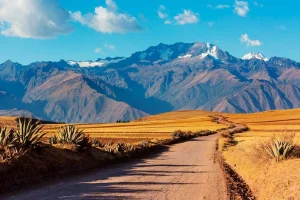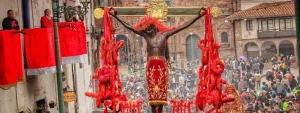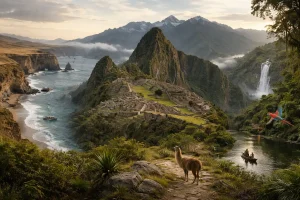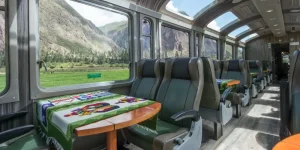

Cusco is often treated as a starting point, a place to acclimatize before heading elsewhere. But the former capital of the Inca Empire is a destination in its own right. Within the city limits, Cusco offers layers of history, food, neighborhoods, markets, and experiences that reward travelers who slow down and look closer.
How to Use This Guide
Rather than listing everything, this guide highlights four curated “Top 5” categories that help you experience Cusco with intention:
- Souvenir shopping with meaning
- A snapshot of the city’s food scene
- The most iconic city landmarks
- Underrated experiences that are quietly gaining attention
It works whether you have one day or several.
Top 5 Places for Souvenir Shopping in Cusco
Cusco is one of the best cities in Peru for artisan crafts, but knowing where to shop makes all the difference.

1. Hatun Rumiyoc Street
What to buy: Alpaca textiles, silver jewelry, ceramics
Why it stands out:
This historic street, home to the famous Twelve-Angle Stone, is lined with small shops selling higher-quality crafts than most souvenir streets. Prices are higher, but so is consistency and craftsmanship.

2. San Blas Artisan Streets
What to buy: Handcrafted jewelry, woodwork, contemporary Andean art
Why it stands out:
San Blas is Cusco’s artisan district. Many shops double as workshops, and you’ll often meet the artists themselves. It’s one of the best places for unique, non-mass-produced pieces.

3. San Pedro Market
What to buy: Local food products, dried fruits, spices, everyday items
Why it stands out:
This is a working market, not a curated experience. While not ideal for refined crafts, it’s perfect for understanding daily life and picking up edible souvenirs.

4. Centro Artesanal Cusco
What to buy: Textiles, paintings, jewelry
Why it stands out:
Organized and centralized, this artisan center brings together vendors from across the region. Quality varies, but it’s convenient and supports small producers.

5. San Blas Market (Plaza San Blas Area)
What to buy: Small crafts, textiles, locally made accessories
Why it stands out:
Smaller and calmer than San Pedro, this neighborhood market reflects everyday Cusco life and offers a more relaxed shopping experience.
Top 5 Places to Eat in Cusco
Cusco’s food scene blends Andean tradition with contemporary and international influences.

Gourmet Dining
1. Chicha by Gastón Acurio
Modern Peruvian cuisine rooted in Andean ingredients. Reliable, well-executed, and ideal for travelers wanting an introduction to elevated local flavors.
2. MAP Café
Located inside the Pre-Columbian Art Museum, MAP Café offers a refined dining experience with creative presentations and strong service.
International Cuisine
3. Cicciolina
Mediterranean-inspired dishes and tapas in a relaxed but polished setting. A long-time favorite for a reason.
4. Green Point
Plant-based international cuisine done with care and creativity. Popular with both travelers and locals.
Local Food Hub
5. San Pedro Market Food Stalls
For traditional soups, juices, and everyday meals. This is where locals eat: simple, filling, and authentic.
Top 5 Touristic Stops in Cusco City
These are the most visited and iconic landmarks, all within city limits.
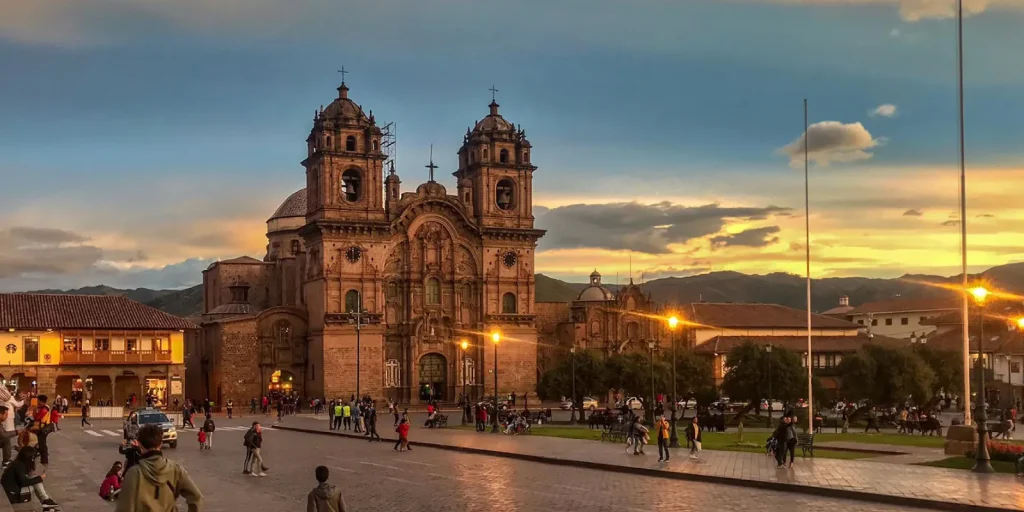
1. Plaza de Armas
The historic and social heart of Cusco. Surrounded by colonial architecture, churches, cafés, and constant activity.
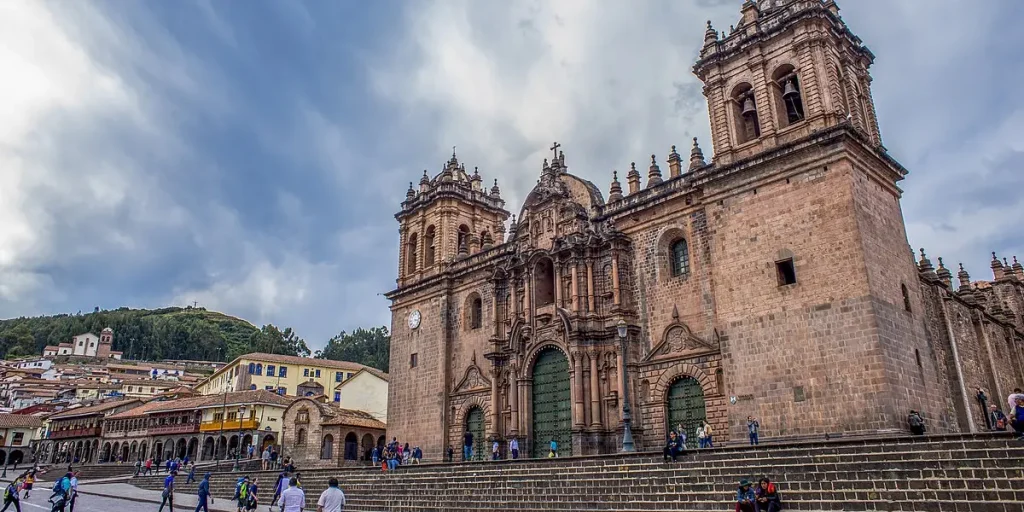
2. Cusco Cathedral
A major colonial landmark housing religious art, colonial paintings, and centuries of history.
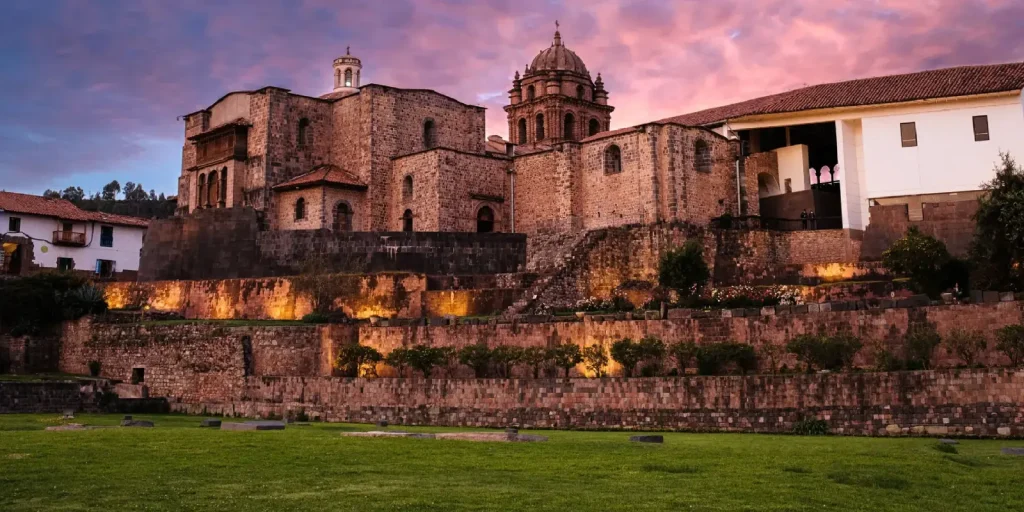
3. Qorikancha
Once the most sacred Inca temple, later transformed into a colonial convent. One of the clearest examples of cultural layering in Cusco.
4. Sacsayhuamán
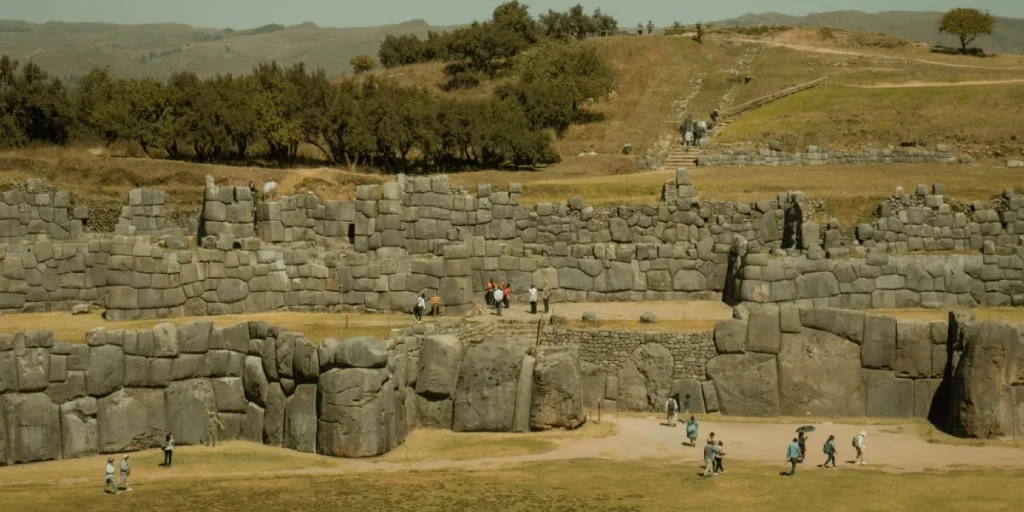
Massive Inca stonework overlooking the city. Easily accessible and essential for understanding Inca engineering.
5. San Blas Neighborhood
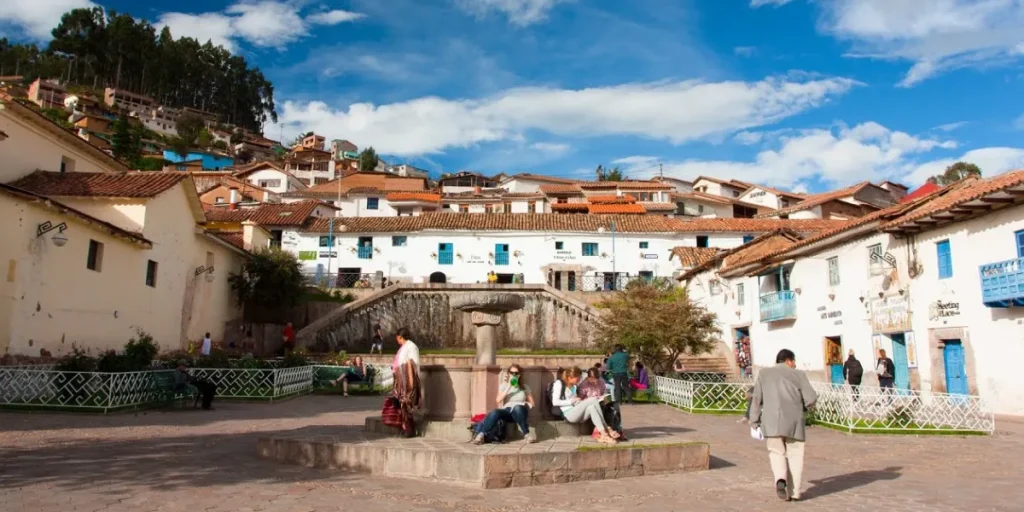
Stone paved streets, viewpoints, artisan shops, and a slower rhythm. Best explored on foot.
Top 5 Underrated Things to Do in Cusco
Cusco still has experiences that fly under the radar, some quiet, some emerging, all worthwhile.
1. Walk to Cristo Blanco at Sunset
An easy urban hike with wide views over Cusco. Less crowded than Sacsayhuamán and ideal for late afternoons.
2. Visit Qenqo Outside Peak Hours
Often overshadowed by larger sites, Qenqo offers ceremonial spaces and carved rock formations worth visiting early or late in the day.
3. Explore the San Cristóbal Neighborhood
Above Plaza de Armas, this residential area offers local life, viewpoints, and fewer tourists.
4. Bars Around Plaza Regocijo
This area is becoming a quieter alternative to the nightlife near Plaza de Armas, with cocktail bars and relaxed venues.
5. Small Contemporary Art Galleries in San Blas
Beyond traditional crafts, San Blas is home to emerging Peruvian artists working in modern styles.
How Many Days Do You Need in Cusco City?
- 1 day: Highlights only (Plaza, Cathedral, Qorikancha)
- 2 days: Add San Blas, markets, and food experiences
- 3 days: Include underrated spots and relaxed pacing
Practical Tips for Exploring Cusco
- The city is walkable, but steep streets are common
- Taxis are inexpensive for short distances
- Take your first day slowly to manage altitude
Cusco Rewards Those Who Look Closer
Inside Cusco history, culture, food, and daily life intersect in ways that are easy to miss if you rush through. Stay curious, walk slowly, and Cusco reveals itself one street, one meal, and one neighborhood at a time.
FAQS
Is Cusco walkable?
Yes, but expect hills and uneven streets.
Can I enjoy Cusco without tours?
Absolutely. Many highlights are easy to explore independently.
What should I do on my first day?
Stay central, walk gently, hydrate, and focus on the historic core.
Is Cusco expensive?
Costs vary, but there are options for all budgets.