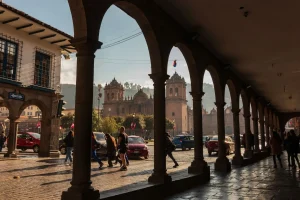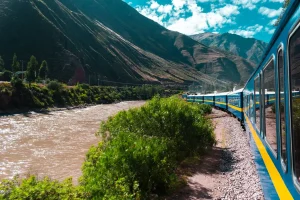

Planning a trip to Peru is one of the most exciting travel milestones you will ever tackle. Between mountain peaks, cloud forests, ancient citadel walls, and world-class culinary scenes, the biggest question travelers face is simple: How many days do you actually need to see it all without feeling rushed?
Whether you have a single week or a full fortnight, this guide gives you the exact blueprint to build an unforgettable journey
How Many Days Should You Plan For?
If you want the short answer, 10 days is the ideal sweet spot for most first-time visitors.
A 10-day trip gives you enough time to comfortably adapt to the Andean altitude, explore Cusco and the Sacred Valley, trek or ride the rails to Machu Picchu, and sample the extraordinary culinary district in Lima without constantly rushing between airport terminals.
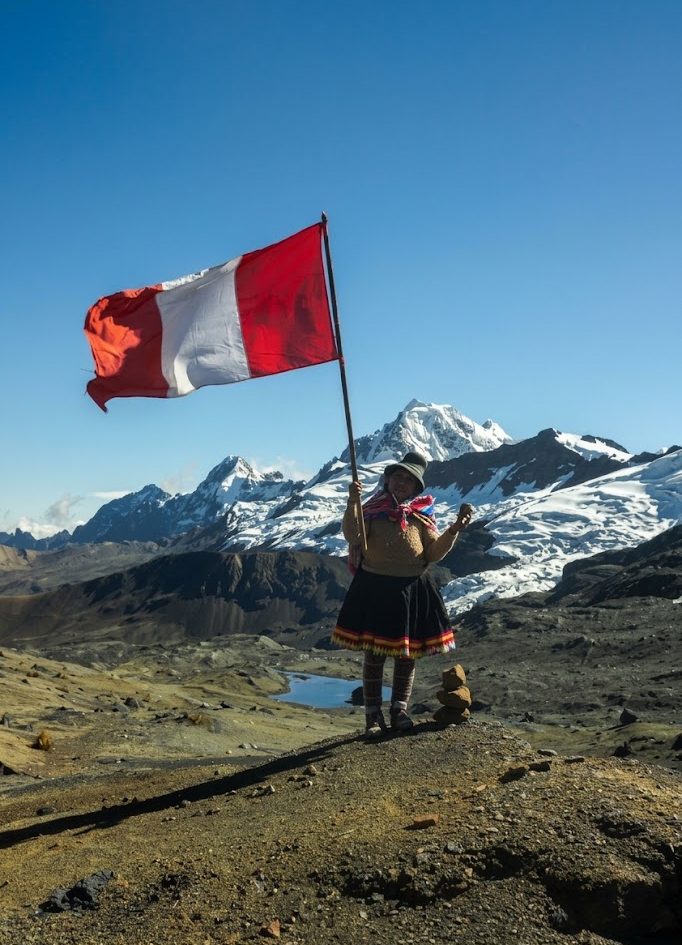
Here is a quick look at what you can comfortably accomplish based on your timeframe:
- 7 Days in Peru: Best for an express highlight reel focused strictly on Cusco, the Sacred Valley, and Machu Picchu.
- 10 Days in Peru: The ultimate classic journey. Adds a multi-day trek like Salkantay or the Inca Trail, plus extra time to explore Lima.
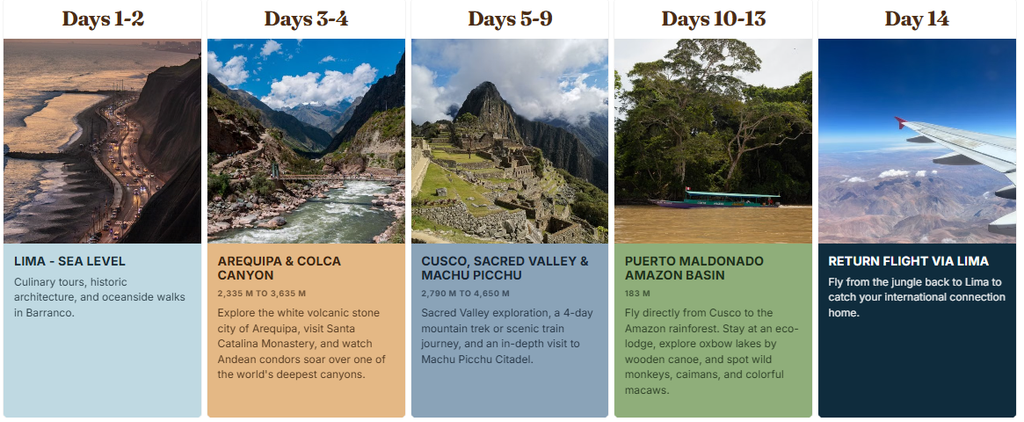
- 14 Days in Peru: The complete expedition. Connects coastal Lima, the white city of Arequipa, Colca Canyon, Cusco, Machu Picchu, and the deep Amazon rainforest in Puerto Maldonado.

The Smart Arrival
Instead of checking into a hotel in downtown Cusco right away, have a private driver meet you at the airport and head straight down into the Sacred Valley.
Towns like Urubamba and Ollantaytambo rest at a much gentler 2,790 meters (9,153 feet). Spending your first two nights down in the valley lets your body adjust naturally while you explore peaceful farmsteads, Inca salt pans, and local weaving villages. Once you have adapted, heading back up to Cusco or hiking higher mountain passes feels effortless.
Why Cusco & The Sacred Valley Deserve Most of Your Time
Cusco was the heart of the Inca Empire, and the surrounding valley remains one of the most culturally rich mountain regions on Earth. Whatever itinerary length you choose, allocate at least 50% to 60% of your total days here.
Unmissable Highlights in the Region
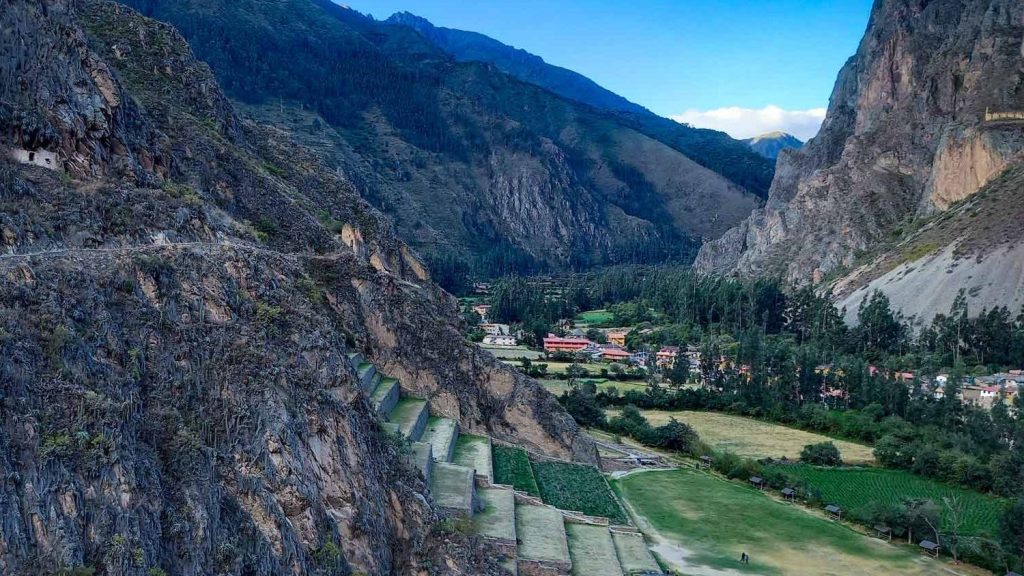
Ollantaytambo Citadel (2,790 m)
A living Inca town with ancient stone water channels running through cobblestone streets beneath colossal sun terraces. It remains the main gateway and train hub leading to Machu Picchu.
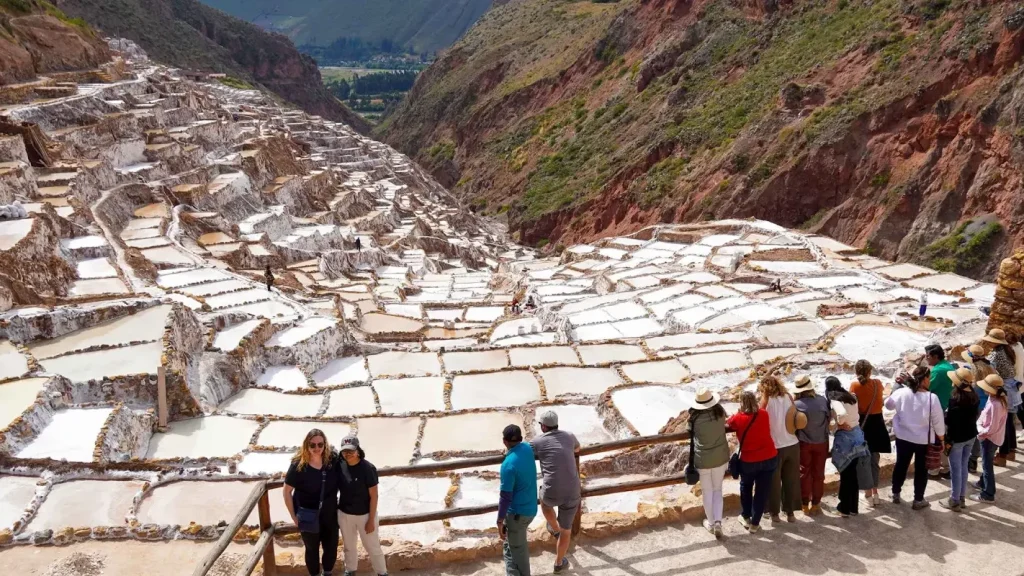
Maras Salt Mines (3,500 m)
Over three thousand subterranean, terraced saltwater pools carved into a steep canyon wall. Local families have harvested these pale pink salt pans continuously using ancient evaporation methods since pre-Inca times.
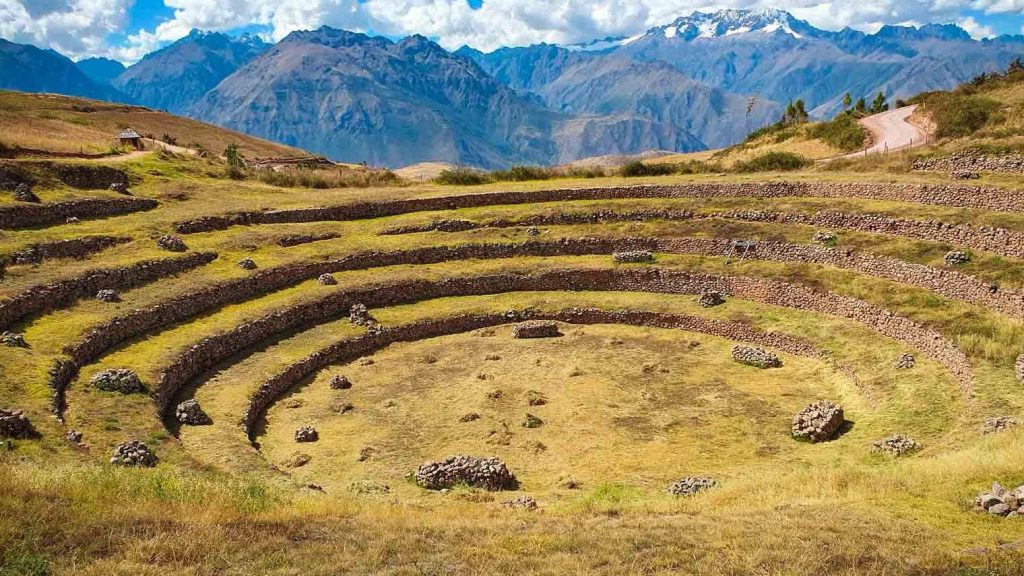
Moray Agricultural Terraces (3,500 m)
Deep, concentric circular terraced amphitheaters built into a high plateau. The varying depths create temperature differences of up to 15°C, serving as an advanced Inca laboratory to test crops across microclimates.
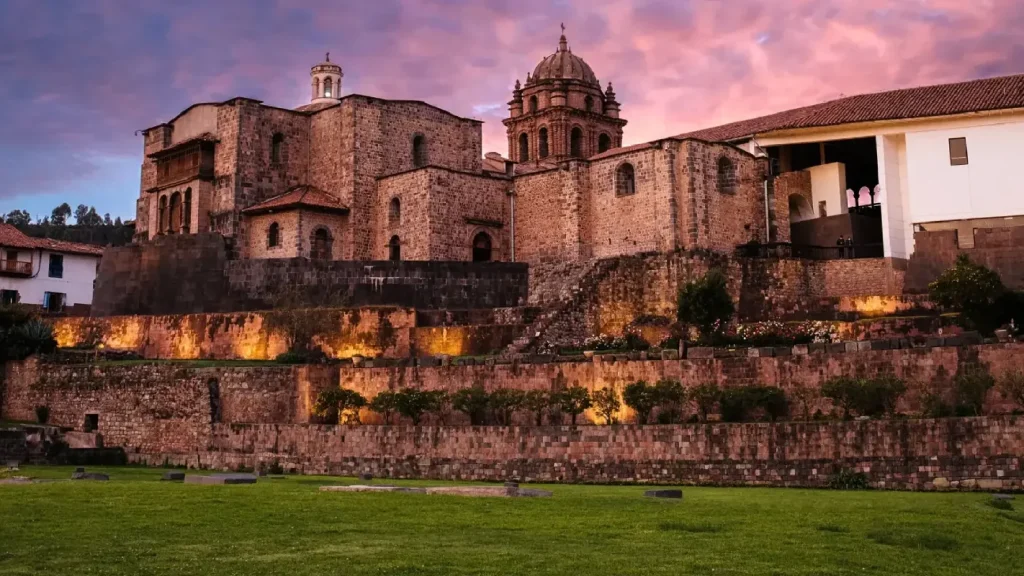
Qorikancha Sun Temple (3,400 m)
The spiritual center of the Inca Empire, once lined with solid gold plates. Its polished, interlocking stone walls were engineered so precisely that they survived massive historical earthquakes.
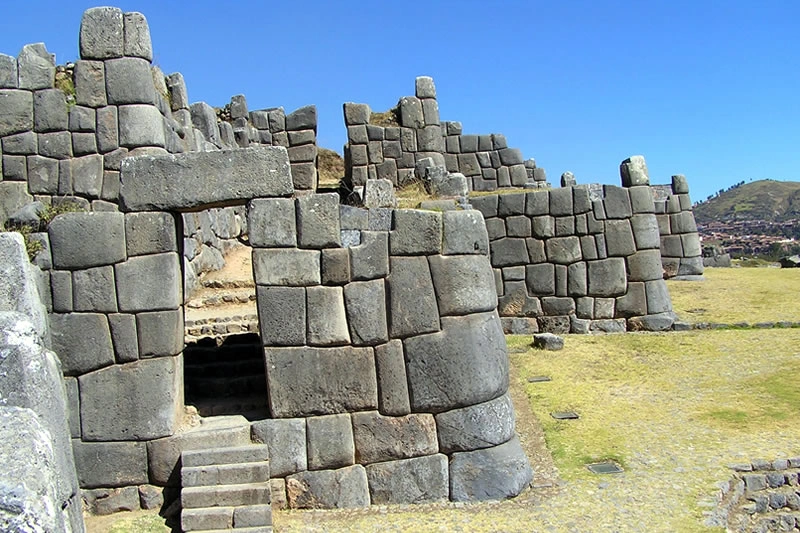
Sacsayhuamán Fortress (3,700 m)
A colossal complex overlooking Cusco, famous for its massive zig-zagging limestone walls. Individual megaliths weigh over 120 tons and fit together perfectly without mortar.
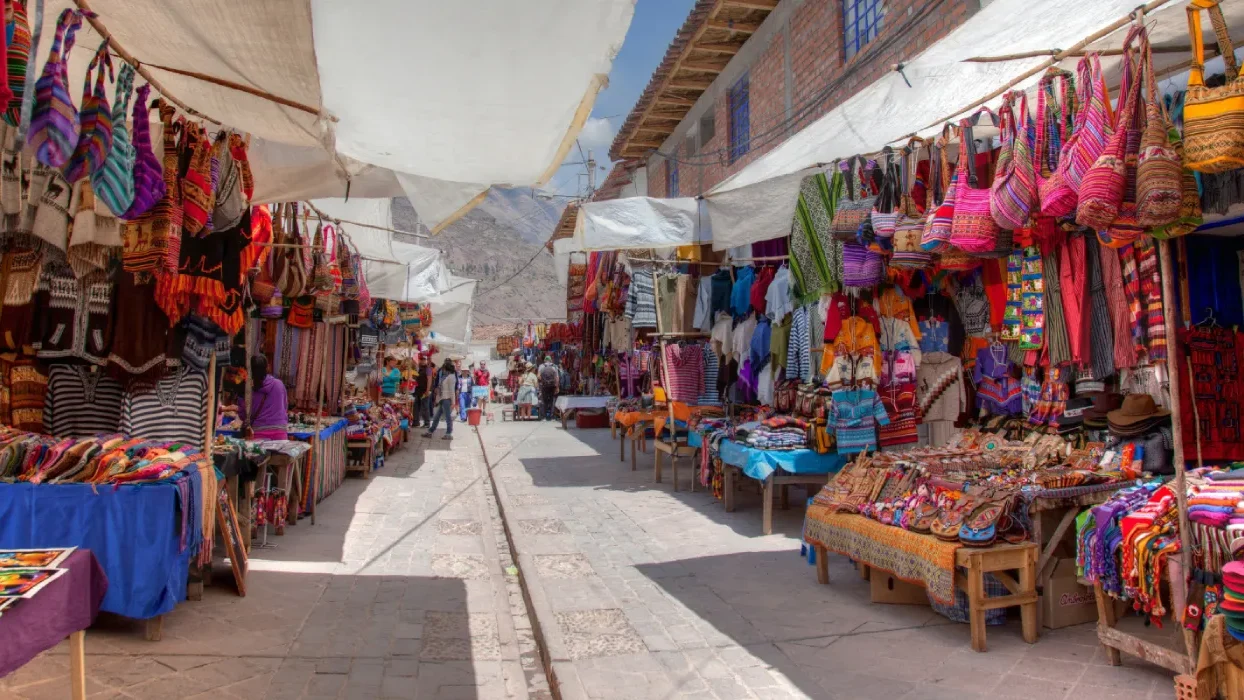
Pisac Market & Citadel (2,972 m)
Dramatic cliffside watchtowers and sweeping agricultural terraces overlooking the Sacred Valley. Down in the town plaza, a world-famous artisanal market comes alive with hand-woven textiles and crafts.
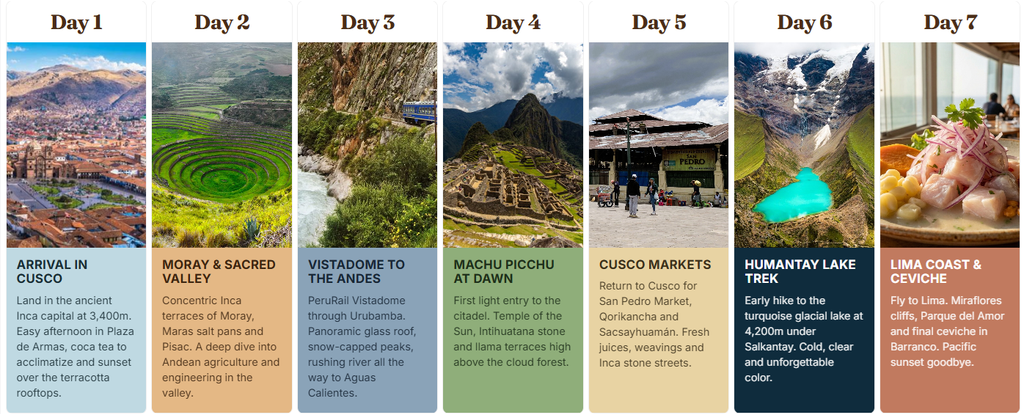
The 7-Day Express Itinerary (Cusco & Machu Picchu Highlights)
(Right click the images and ‘Open in new tab‘ to enlarge)
Perfect for travelers working with limited vacation days who want to focus on Peru’s most famous historical treasures.
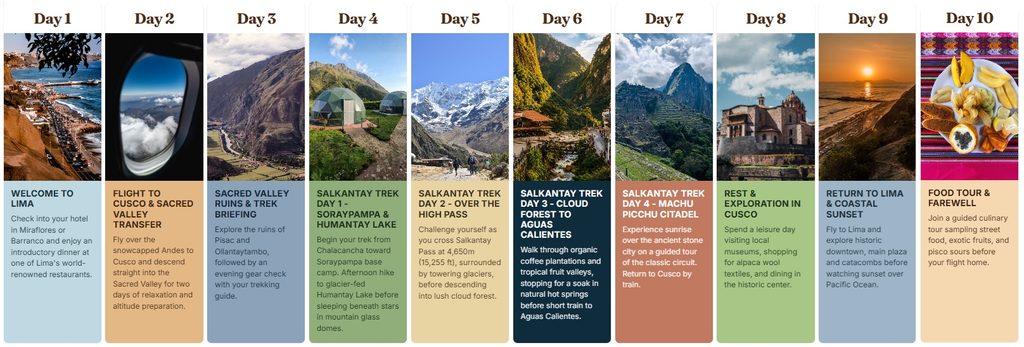
The 10-Day Complete Expedition (Salkantay Trek & Lima Food Scene)
Our most recommended route for active travelers who want to pair high-mountain adventure with modern Peruvian gastronomy.
The 14-Day Grand Expedition (Southern Peru & Amazon Basin)
For travelers who want the full panorama of Peru’s ecosystems, from Pacific coastlines and volcanic canyons to high mountain peaks and jungle canopy.
Smart Logistics: Connecting Your Route
Planning smooth transit between regions makes all the difference in keeping your vacation stress-free:
- Internal Flights: Flights from Lima to Cusco take about 1 hour and 20 minutes. Morning flights are always best because mountain winds near Cusco can occasionally cause afternoon delay schedules.
- Train Options: Trains to Machu Picchu run from both Poroy (just outside Cusco) and Ollantaytambo (in the Sacred Valley). Boarding at Ollantaytambo is generally the most popular choice because the train ride is shorter and less affected by seasonal rain changes.
- Jungle Shortcuts: You do not need to fly back to Lima to reach the Amazon. Direct 45-minute flights run daily between Cusco (CUZ) and Puerto Maldonado (PEM), making it incredibly easy to combine mountain peaks with rainforest lodges.
Helpful Frequently Asked Questions
Can you do Peru in 7 days and still see Machu Picchu?
Absolutely. A 7-day trip works very well if you keep your focus strictly on Cusco, the Sacred Valley, and Machu Picchu. The key is setting a clear pace and heading down into the valley early on day one to adjust smoothly to the mountain air.
How far ahead should you reserve Machu Picchu entry tickets?
Because daily visitor limits are carefully managed to protect the sanctuary, classic circuit tickets and high-demand mountain routes sell out several months in advance. During the peak dry season (May through September), it is best to reserve your entrance passes and train seats 4 to 6 months ahead.
Is it worth spending a couple of days in Lima?
If you have 10 days or more, spending time in Lima is a wonderful experience. The city has become one of the top food capitals of the world, offering incredible seafood, historic colonial architecture, and vibrant coastal neighborhoods.
When is the best time of year to visit the Peruvian Andes?
The dry season from May to September offers bright blue skies, warm sun during the day, and clear mountain views, making it the premier window for trekking and sightseeing.
Recommended Featured Tours in Peru
If you prefer to have every detail taken care of by a verified local team, Apple Travel Peru offers fully guided packages that cover the exact routes outlined in this guide:
- Classic Inca Trail 4-Day Tour Package: The legendary Incan pilgrimage path. Step through the Sun Gate at sunrise to experience Machu Picchu after crossing stone passes, cloud forests, and mountain ruins.
- Salkantay Trek to Machu Picchu: The ideal alternative for active adventure travelers. Hike past snowcapped peaks and turquoise alpine lakes before descending into lush jungle valleys.
- Southern Andean Legacy 9-Day Package: A comprehensive journey across southern Peru. Connect the white volcanic architecture of Arequipa with the high-altitude islands of Lake Titicaca, Cusco, and Machu Picchu.
- Peru Coast, Andes & Amazon 11-Day Complete Journey: The ultimate multi-ecosystem expedition. Explore the world-class culinary capital of Lima, tour the Sacred Valley, visit Machu Picchu, and spot wildlife in the deep Amazon basin.
Michael Thompson | Apple Travel Peru
A licensed Cusco tour operator with over 10 years of experience crafting custom 7, 10, and 14-day Peru itineraries, helping travelers navigate altitude and logistics seamlessly.