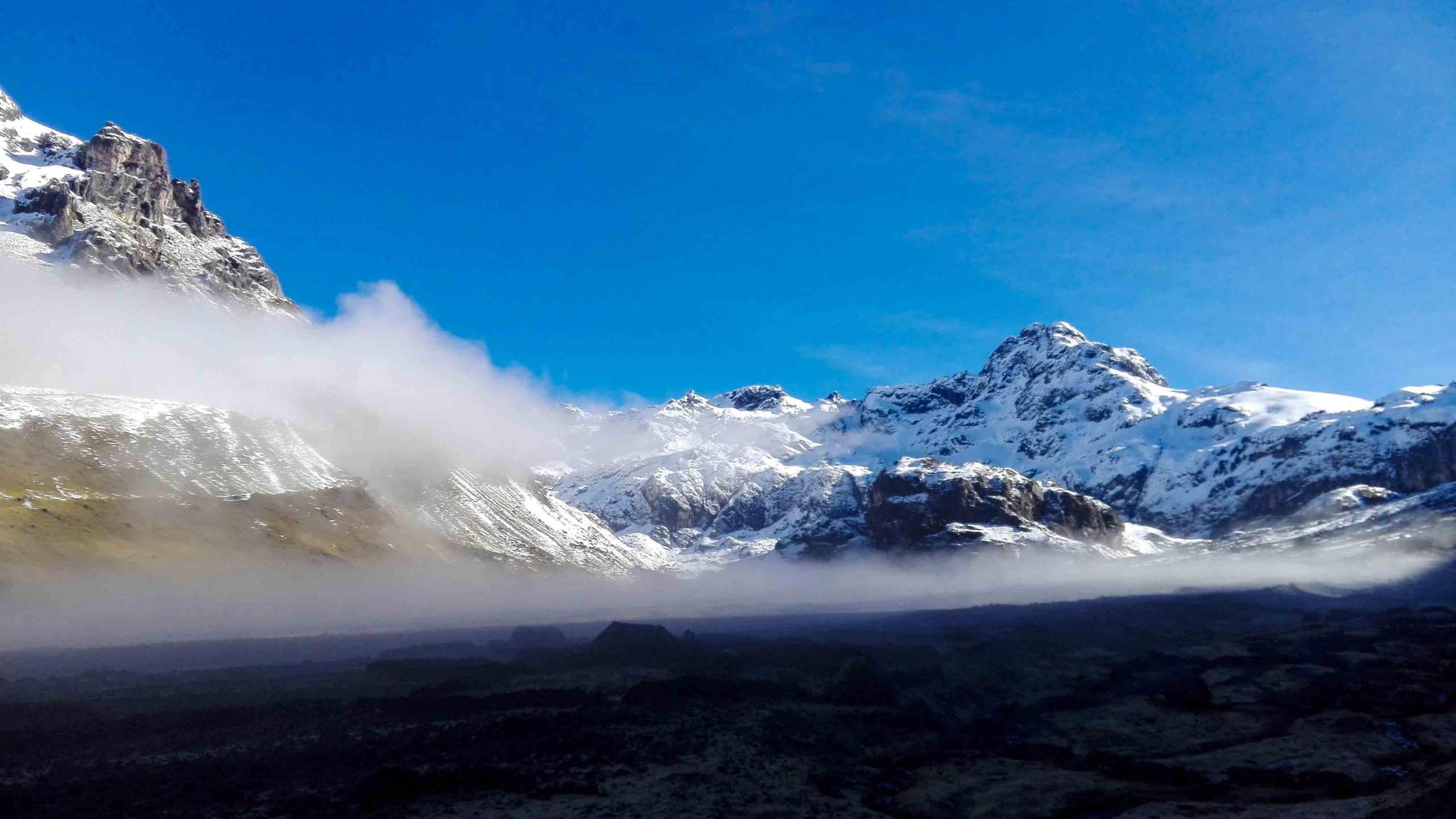
You need a minimum of 2 full days (48 hours) in the Cusco region to acclimate before visiting Machu Picchu or attempting moderate hikes, and 3 to 4 days if you plan to hike high-altitude routes like the Inca Trail, Salkantay, or Rainbow Mountain.
Because Machu Picchu sits at 2,430 m (7,970 ft), it is significantly lower than Cusco city at 3,400 m (11,150 ft). The primary altitude risk is not the Machu Picchu citadel itself, but the physiological shock of flying directly into Cusco from sea level without an acclimatization strategy.
Cusco & Sacred Valley Elevation Dynamics
| Location | Elevation (Meters) | Elevation (Feet) | Acclimatization Safety Level |
|---|---|---|---|
| Lima (Coast / Sea Level) | 0 m | 0 ft | Starting Baseline (100% Oxygen) |
| Machu Picchu Citadel | 2,430 m | 7,970 ft | Safe / Low Sickness Risk |
| Sacred Valley (Urubamba / Ollantaytambo) | 2,800 m | 9,180 ft | ⭐ Optimal First Night Landing Zone |
| Cusco City Center | 3,400 m | 11,150 ft | Moderate Risk (68% Oxygen) |
| Inca Trail Highest Pass (Dead Woman’s Pass) | 4,215 m | 13,828 ft | High Risk (Requires 3 Days Acclimatization) |
| Salkantay Pass | 4,630 m | 15,190 ft | Extreme Risk (Requires 3–4 Days Acclimatization) |
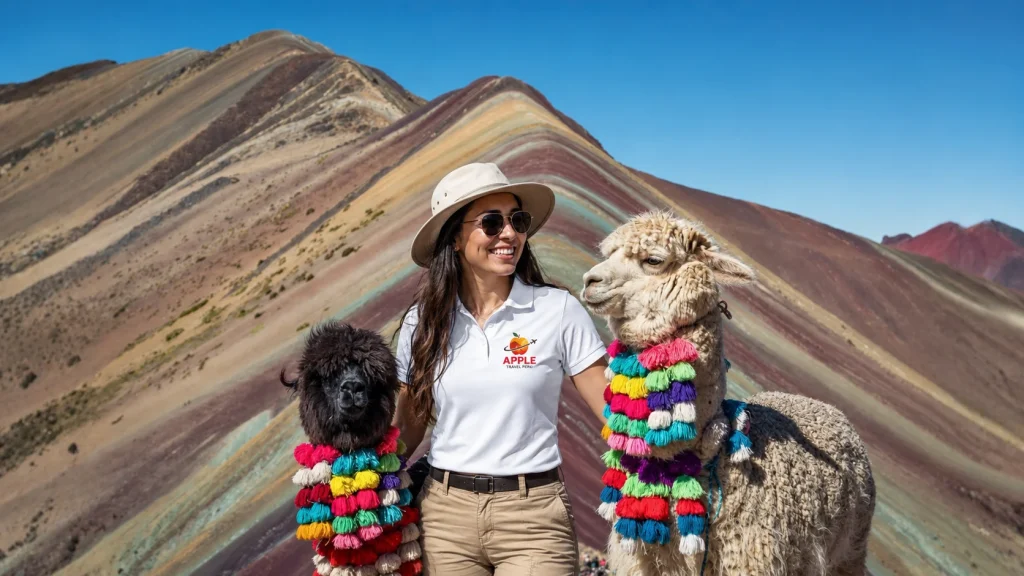
| Rainbow Mountain (Vinicunca) | 5,200 m | 17,060 ft | Severe Risk (Do NOT visit before Day 4 or 5) |
How Many Days Do You Need?
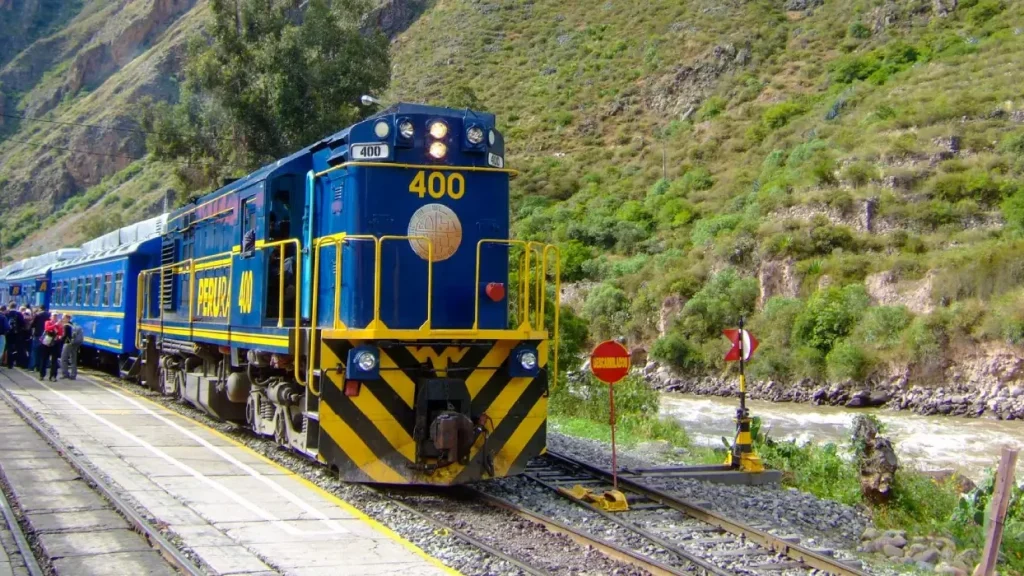
Option A: Visiting Machu Picchu by Train (No Heavy Trekking)
Minimum Time Needed: 2 Days / 2 Nights
Recommended Plan: Land in Cusco, rest on Day 1, take a Sacred Valley day tour (Pisac/Ollantaytambo) on Day 2, and visit Machu Picchu on Day 3.
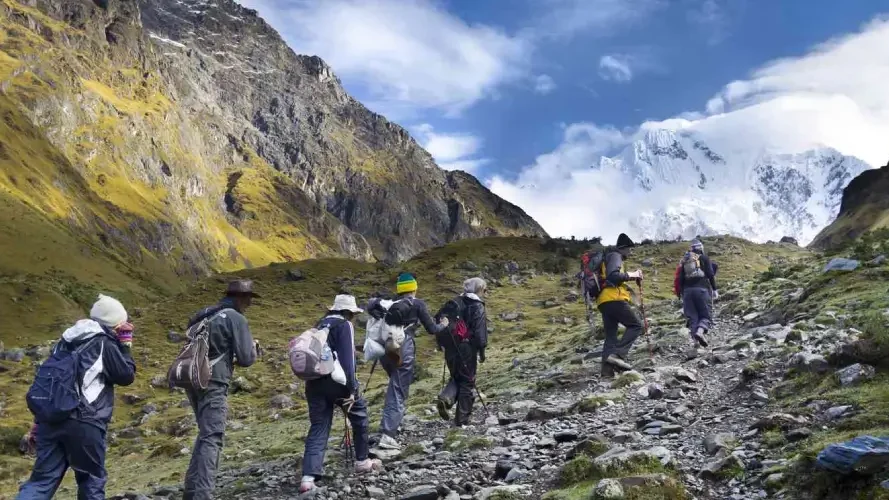
Option B: Multi-Day Treks (Classic 4-Day Inca Trail, Salkantay, Lares)
Minimum Time Needed: 3 Days / 3 Nights
Essential Approach: Your body requires 72 hours to increase red blood cell count before carrying a heavy pack over passes exceeding 4,000 m (13,120 ft).
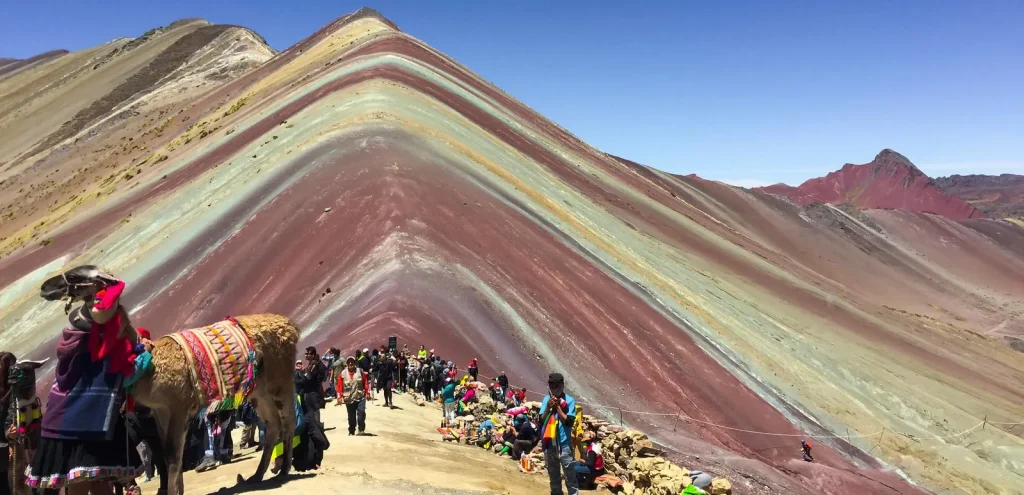
Option C: Day Trips to Rainbow Mountain (Vinicunca) or Humantay Lake
Minimum Time Needed: 4 Days / 4 Nights
Safety Protocol: These sites sit above 4,200 to 5,200 m. Attempting them on Day 1 or Day 2 accounts for over 80% of emergency medical evacuations in Cusco.
The Pro Strategy: “The Sacred Valley Drop”
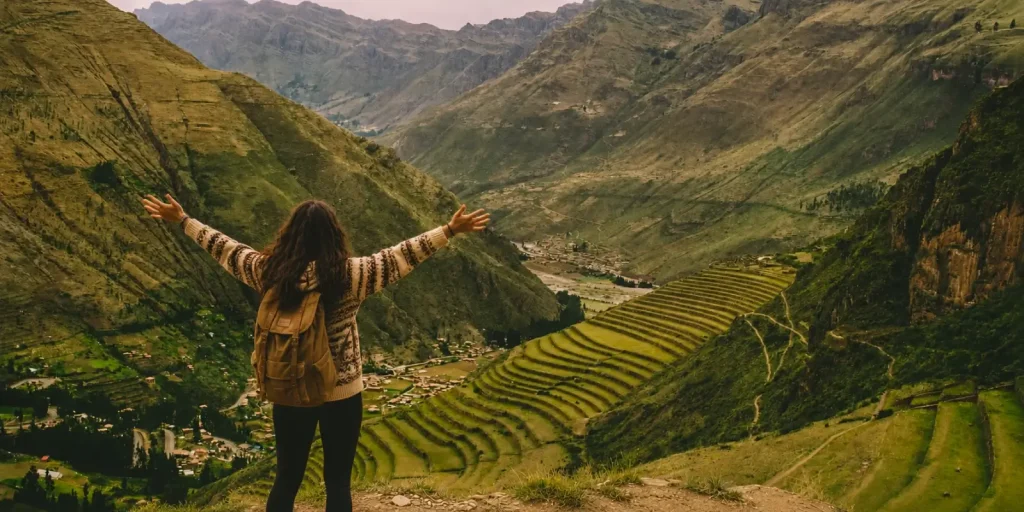
The biggest mistake travelers make is sleeping in Cusco city on Night 1. When you land at Cusco’s Alejandro Velasco Astete Airport (3,400 m), your body experiences an immediate drop in effective oxygen pressure compared to sea level.
The Local Secret: Upon landing at Cusco Airport, do not check into a Cusco hotel. Take a 1-hour private transfer directly down to Urubamba or Ollantaytambo in the Sacred Valley (2,800 m / 9,180 ft).
Why This Works:
- Elevation Drop: Your altitude instantly decreases by 600 m (2,000 ft) compared to Cusco.
- Higher Oxygen Levels: Increased atmospheric pressure prevents severe Acute Mountain Sickness (AMS).
- Restful Sleep: Lower elevation allows comfortable sleep on Nights 1 and 2 while red blood cells build up naturally.
- Strategic Location: The Ollantaytambo train station is right on your doorstep for your trip to Machu Picchu.
Step-by-Step Acclimatization Itineraries
The 3-Day Standard Cusco Acclimatization Schedule
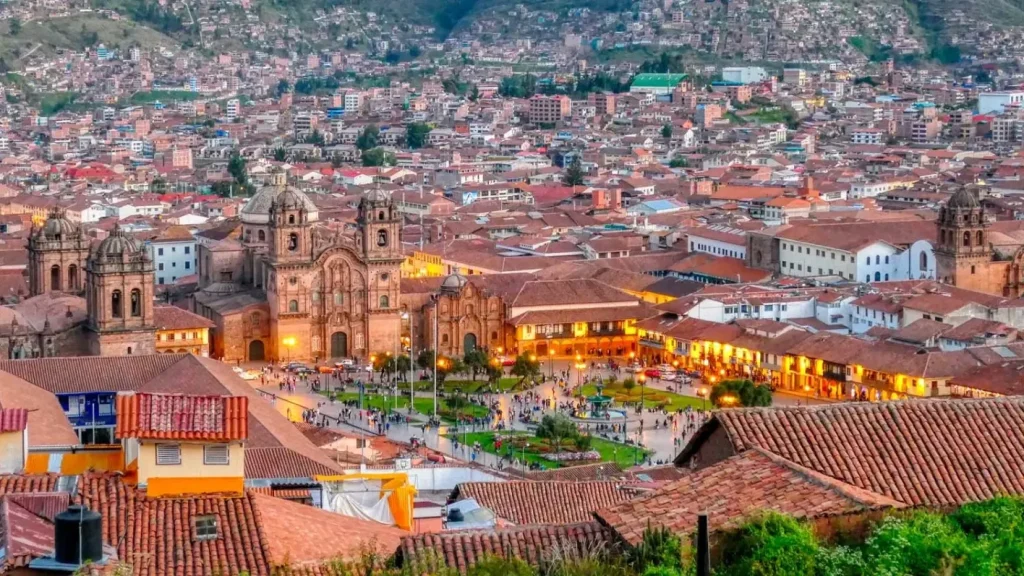
First Day: Arrival, Hydration & Zero Exertion (3,400m | Rest)
- Land in Cusco before noon and transfer directly to your hotel.
- Avoid carrying heavy luggage up stairs, and rest flat in bed for 2 to 4 hours.
- Sip hot Coca tea or Muña (Andean mint) tea while drinking 3–4 liters of water.
- Take a gentle evening walk on flat terrain around the Plaza de Armas and eat a light, carb-heavy soup.
Second Day: Sacred Valley Low-Altitude Excursion (2,800m | Moderate Walking)
- Join a guided day tour to Pisac and Ollantaytambo.
- Exploring at 2,800 m allows you to walk through Inca ruins without gasping for air.
- Practice steady, rhythmic uphill breathing while climbing the Inca stairs in Ollantaytambo..
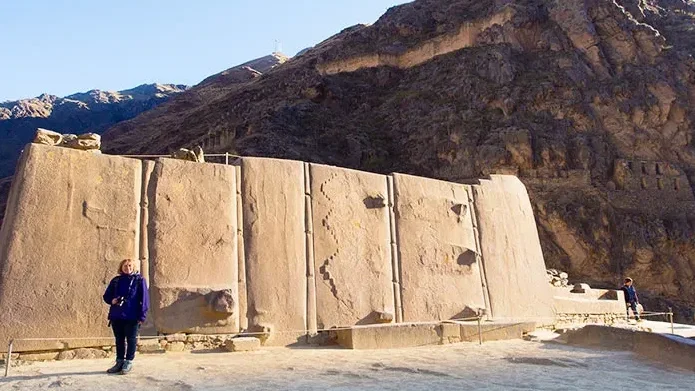

Third Day: Maras, Moray & Cusco Historic Viewpoints (3,000m | Moderately Active)
- Book a half-day tour to the Moray Agricultural Terraces (3,500 m) and Maras Salt Mines (3,000 m).
- Enjoy an afternoon walk to Sacsayhuamán overlooking Cusco.
- Confirm your body feels fully adapted to 3,400 m before embarking on Machu Picchu or trek departures.
The 2026 / 2027 Financial Risk: Why Altitude Ruins Non-Refundable Tickets
Under the Ministry of Culture regulations, Machu Picchu entry operates under strict capacity limits across Circuits 1, 2, and 3 (encompassing 10 specific sub-routes).
- 1-Hour Strict Entry Window: Entry tickets come with a mandatory 1-hour entry slot and a maximum 30-minute grace period.
- Zero Refunds or Rescheduling: If you suffer severe altitude sickness on Day 2 in Cusco and miss your morning train or entry window, your ticket is forfeited. You cannot transfer it to the next day.
- Inca Trail Rule: Inca Trail permits (Circuit 3-B access) are strictly tied to your original passport number and sell out months in advance. Getting sick on Day 1 due to lack of acclimatization invalidates an entire multi-thousand-dollar trek package.
Altitude Sickness Prevention: Medical & Local Protocols
Symptoms: Normal vs. Emergency Red Flags
|
Expected Reaction 🟢 Mild Acclimatization (Normal Days 1–2) |
Medical Alert 🚨 Severe AMS / Emergency (Seek Help Immediately) |
|---|---|
| Mild headache easily treated with Ibuprofen | Severe, throbbing headache unresponsive to medication |
| Slight shortness of breath when climbing stairs | Persistent vomiting / inability to retain liquids |
| Loss of appetite & slight fatigue | Loss of physical coordination / staggering (Ataxia) |
| Mild trouble sleeping (Cheyne-Stokes breathing) | Confusion, extreme lethargy, or blue tint on lips/fingernails |
Medication & Natural Remedies
- Acetazolamide (Diamox): Prescription medication that speeds up breathing rates to process more oxygen. Requires starting 24 hours before arriving in Cusco. Consult your travel doctor.
- Sorojchi Pills: Over-the-counter medication available in every Peruvian pharmacy (Inkafarma / Mifarma). Contains aspirin, salophen, and caffeine to alleviate altitude headaches.
- Coca Leaves: Chew 3–5 leaves or drink infused Coca tea. It acts as a mild natural stimulant and vasodilator. Avoid drinking Coca tea after 5:00 PM due to caffeine-like effects.
- Oxygen Infusion: Most reputable 4-star and 5-star hotels in Cusco offer oxygenated rooms or supplemental oxygen concentrators for guests upon request
- Sun Defense: High SPF sunscreen, UV protection sunglasses, and a wide-brimmed sun hat.
- Hydration & Snacks: Refillable water bottle (1 to 2 liters) and high-energy trail snacks like nuts or chocolate.
- Photography Equipment: Smartphone or camera with a fully charged portable power bank.
- Local Cash Reserve: Small Peruvian Soles banknotes for community restroom fees, local snacks, or tips.
Frequently Asked Questions
Does physical fitness prevent altitude sickness in Cusco?
No. Physical fitness does not protect against Acute Mountain Sickness (AMS). High-altitude adaptation depends entirely on genetics, lung physiology, hydration, and the speed of your ascent. Elite marathon runners can experience severe sickness, while non-athletes may feel no symptoms.
Can I fly from Lima to Cusco and go straight to Machu Picchu on the same day?
Technically yes, but it is not recommended. If your flight is delayed or you experience severe altitude nausea during the 3.5-hour train ride, you risk missing your strictly timed Machu Picchu circuit entry window.
Is Machu Picchu higher than Cusco?
No. Machu Picchu (2,430 m / 7,970 ft) is nearly 1,000 meters (3,180 feet) lower than Cusco city (3,400 m / 11,150 ft). This is why visiting Machu Picchu feels physically easier on your lungs than walking around Cusco.
Should I stay in Cusco or the Sacred Valley on my first night?
Staying in the Sacred Valley (Urubamba or Ollantaytambo at 2,800 m / 9,180 ft) on your first night is the safest strategy. Because it sits 600 meters lower than Cusco city, oxygen levels are significantly higher, allowing your body to adapt gently while drastically reducing your risk of altitude sickness.
How many days do I need in Cusco before hiking Rainbow Mountain or Humantay Lake?
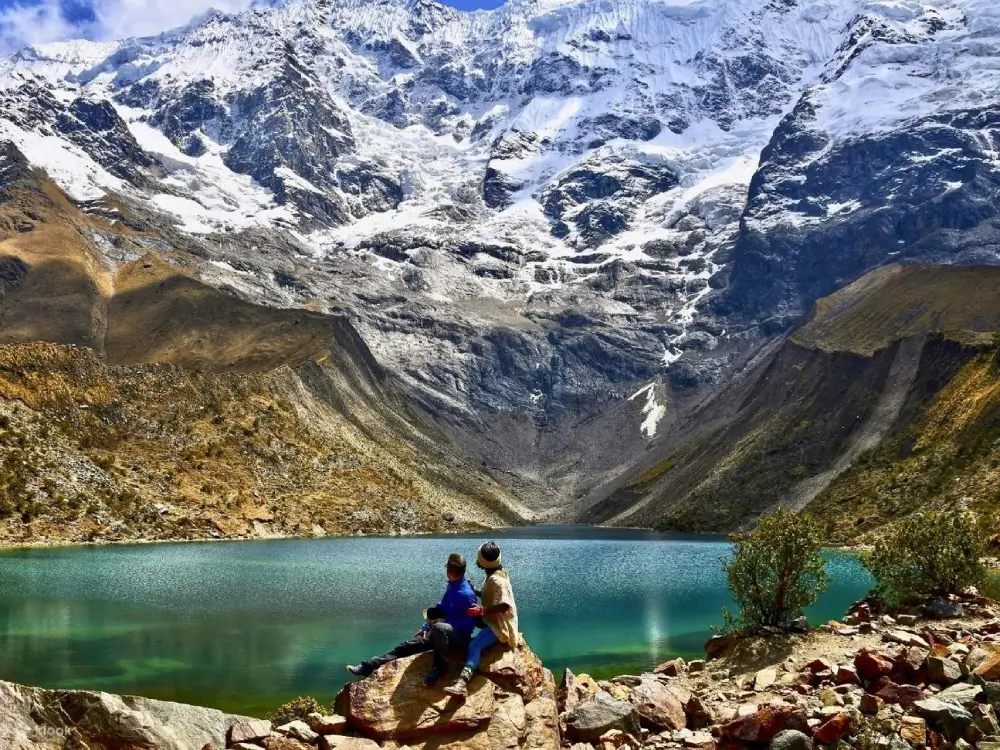
You need a minimum of 3 to 4 full days in Cusco before attempting Rainbow Mountain (5,200 m / 17,060 ft) or Humantay Lake (4,200 m / 13,779 ft). These extreme high-altitude day trips account for the majority of emergency medical evacuations in the region when attempted on Day 1 or Day 2.
What is the best altitude sickness medication for Cusco?
The most widely recommended prescription medication is Acetazolamide (Diamox), which speeds up your breathing rate to process more oxygen (must be started 24 hours prior to arriving in Cusco). For over-the-counter local options, Peruvian pharmacies (Inkafarma or Mifarma) sell Sorojchi Pills, which contain aspirin, salophen, and caffeine to manage altitude-induced headaches. Always consult your doctor before taking new medications.
What should I eat and drink on my first day in Cusco?
On your first day, stick to light, high-carbohydrate meals like Andean soup, pasta, or rice dishes, and drink 3 to 4 liters of water or local Muña (Andean mint) tea. Avoid heavy meats, fried foods, and alcohol for the first 48 hours, as high altitude severely slows down your digestive system.
Do hotels in Cusco provide oxygen?
Most reputable 3-star, 4-star, and 5-star hotels in Cusco offer oxygenated guest rooms or complementary supplemental oxygen concentrators at the front desk. If you feel severe dizziness or difficulty breathing at night, notify your hotel staff immediately for access to oxygen therapy.
Do Apple Travel Peru tour guides carry emergency oxygen on tours and treks?
Yes, absolutely. All Apple Travel Peru licensed guides carry a certified high-altitude first-aid kit and medical-grade oxygen tanks/canisters on every single day excursion (including Sacred Valley, Moray, Rainbow Mountain, and Humantay Lake) as well as multi-day treks (Inca Trail, Salkantay, and Lares). Our native, bilingual guides are certified in Wilderness First Responder (WFR) and high-altitude first aid, equipped with pulse oximeters to monitor your blood oxygen saturation levels whenever needed.
Plan Your Acclimatization with Local Experts
Protect your travel investment and ensure your safety by pairing your acclimatization days with professional, small-group day tours:
- [Book the Extended Sacred Valley & Maras/Moray Day Tour] – Perfect low-altitude acclimation with hotel pick-up and drop-off.
- [Book the 4-Day Sacred Valley, Short Inca Trail & Rainbow Mountain Package] – The ultimate all-in-one itinerary designed with built-in acclimatization: explore the lower Sacred Valley on Day 1 before trekking the Short Inca Trail and visiting Rainbow Mountain.
- [Browse All Official 2026/2027 Machu Picchu Guided Packages] – Secure guaranteed circuit entries with professional Cusqueñian guides.
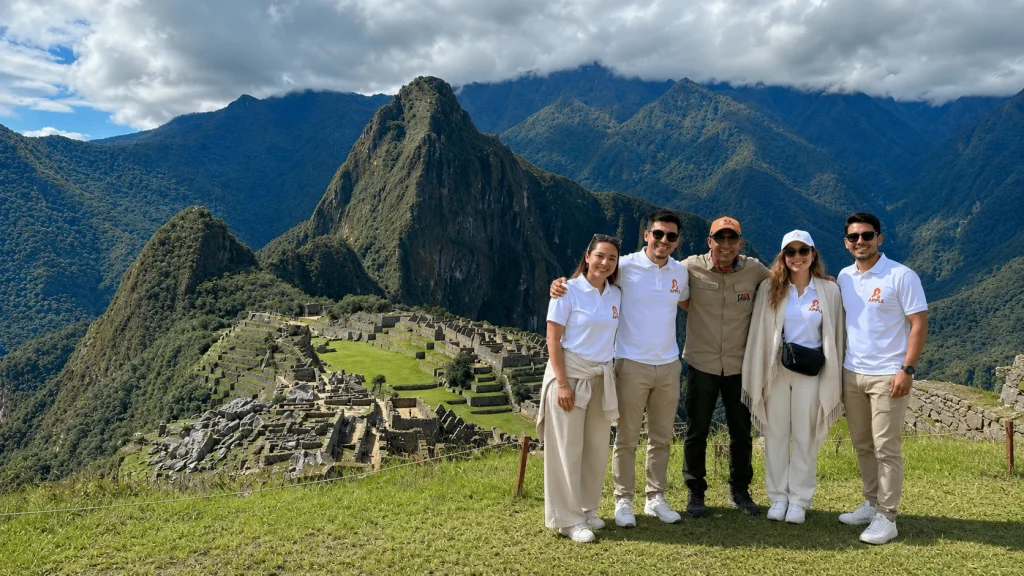
Michael Thompson | Apple Travel Peru
A licensed local tour operator based in Cusco with over 10 years of experience helping travelers safely acclimate to high elevation (3,400m / 11,152 ft), prevent altitude sickness, and structure seamless multi-day Andean itineraries.