Every traveler planning a trip to Peru eventually faces the same question:
Should I travel independently, or should I join a guided experience?
Both options can work, but not equally, and not everywhere. Peru’s geography, altitude, logistics, and cultural depth make this decision more nuanced than it first appears.
This guide breaks down what actually works in Peru, where independence shines, where guided travel makes a real difference, and why combining both often delivers the best experience.
What Independent Travel in Peru Really Looks Like
Independent travel in Peru is absolutely possible, especially in urban areas and well-connected regions.
Where it works well:
- Exploring Lima’s neighborhoods (Miraflores, Barranco)
- Walking through Cusco’s historic center
- Visiting cafés, markets, museums, and restaurants
- Travelers with time flexibility and some Spanish skills
In these contexts, independence feels natural and rewarding.
Where it becomes challenging:
- Booking Machu Picchu tickets and trains during peak season
- Managing altitude without local insight
- Coordinating transport between remote sites
- Navigating schedule changes, weather, or delays
Peru rewards independence, but only when the environment allows it.
What Guided Travel in Peru Actually Means
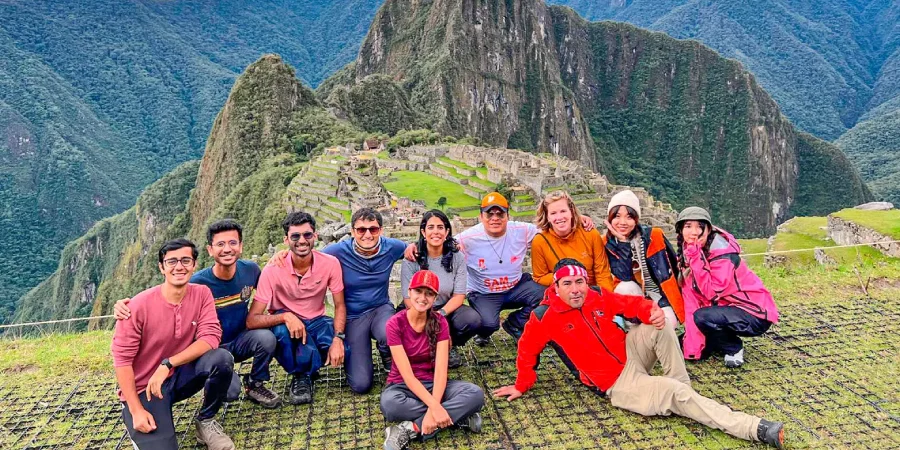
Guided travel in Peru is often misunderstood.
It doesn’t mean rigid schedules or large groups moving at the same pace. Well-designed guided travel means:
- Logical routing
- Local expertise
- Seamless logistics
- Flexibility within structure
The goal isn’t control, it’s flow.
When guides handle transport, timing, permits, and context, travelers are free to focus on landscapes, culture, and experience rather than problem-solving.
Independent vs Guided: A Clear Comparison
| Aspect | Independent Travel | Guided Travel |
| Planning effort | High | Low |
| Flexibility on the ground | Medium | High (when well designed) |
| Access to remote areas | Limited | Strong |
| Altitude management | Self-managed | Built into itinerary |
| Cultural understanding | Surface level | Deeper |
| Stress level | Variable | Predictable |
| Cost clarity | Uncertain | Transparent |
Where Independent Travel Works Best in Peru
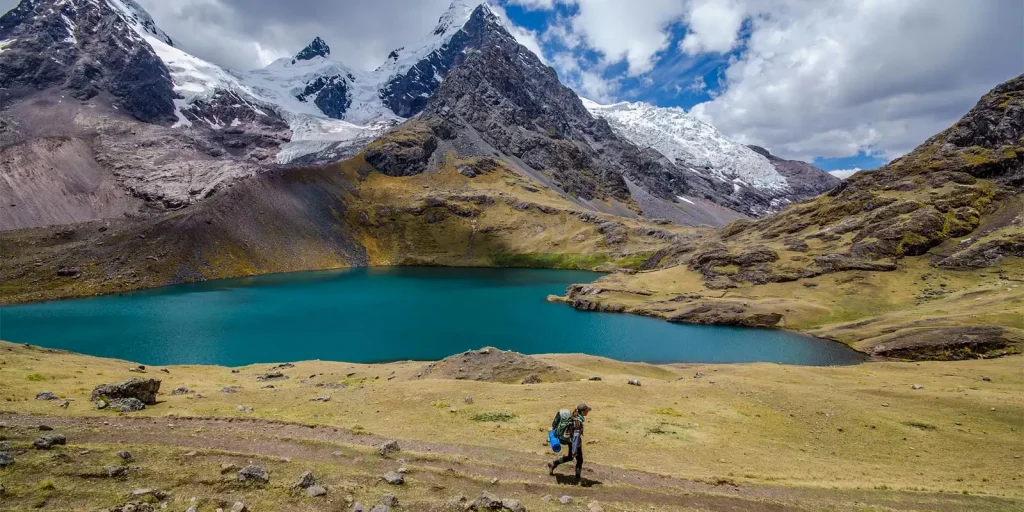
Independent travel works best when:
- Distances are short
- Infrastructure is strong
- Altitude is stable
Examples:
- Lima city experiences
- Cusco’s historic center
- Free afternoons and evenings
- Long-term travelers with open schedules
In these moments, independence enhances spontaneity.
Where Guided Travel Makes the Biggest Difference
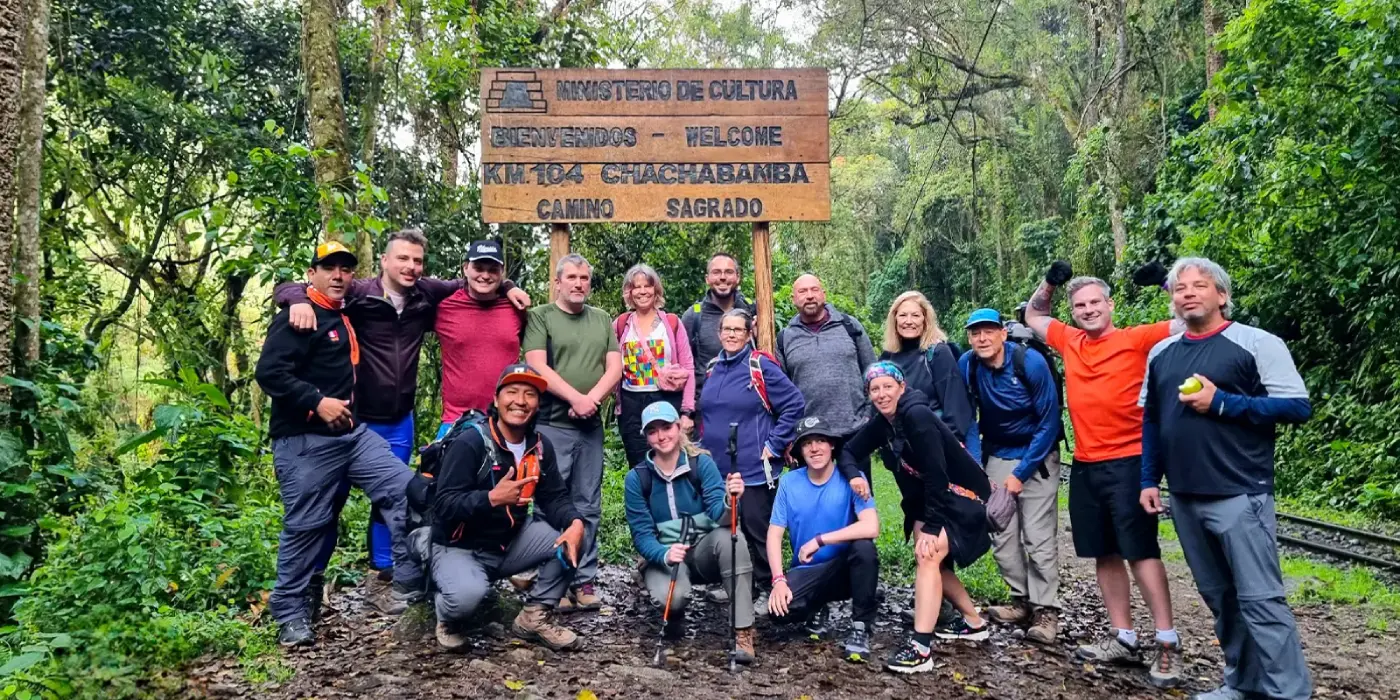
This is where the balance shifts.
Guided travel is most valuable in:
- Machu Picchu (tickets, trains, timing, interpretation)
- Sacred Valley (site access, cultural context, pacing)
- Trekking routes (Inca Trail, Salkantay, Lares, Choquequirao)
- Altitude-sensitive regions
- Remote areas like the Amazon or high Andes
Here, guidance doesn’t limit the experience, it enables it.
Altitude & Geography: Peru’s Defining Factor
Peru’s terrain changes fast:
- Sea level to 3,400 meters in a single flight
- Cold mornings, warm afternoons
- Remote passes with no margin for error
Poor altitude planning affects entire trips.
Guided itineraries naturally:
- Start in lower elevations
- Build altitude gradually
- Balance activity and rest
This is one of the strongest arguments for guided travel in Peru, and one many travelers only realize after the fact.
Is Independent Travel Really Cheaper?
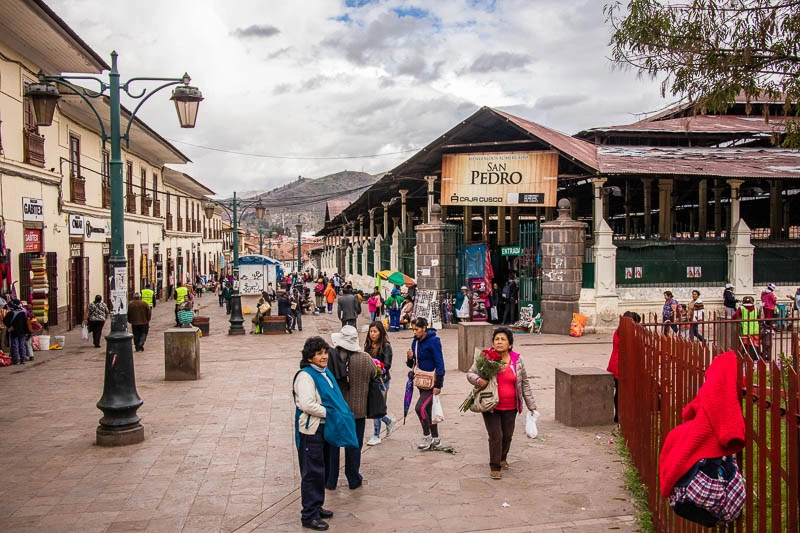
At first glance, it can be.
But hidden costs often add up:
- Last-minute train tickets
- Price fluctuations
- Missed connections
- Time spent fixing avoidable issues
Guided travel offers:
- Locked-in pricing
- Guaranteed access
- Efficient use of limited time
In Peru, value often matters more than raw cost.
The Experience Gap: Seeing vs Understanding
Traveling independently lets you see Peru.
Guided experiences help you understand it:
- Why Inca cities were built where they were
- How traditions are still practiced today
- What landscapes meant historically and culturally
This context transforms places from photo stops into stories.
The Best of Both Worlds: Hybrid Travel in Peru
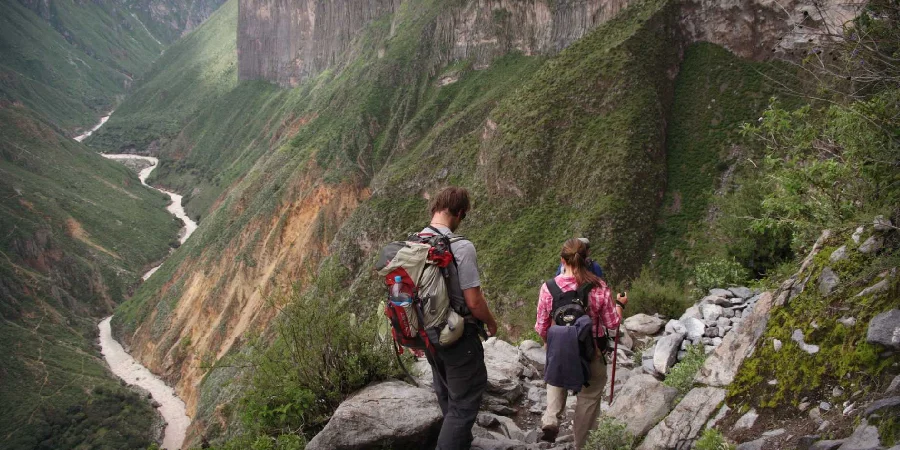
For many travelers, the smartest approach isn’t choosing one style, it’s combining both.
Where Independence Shines
- Lima neighborhoods and food scenes
- Cusco city walks and markets
- Free evenings and rest days
Where Guided Travel Adds Real Value
- Machu Picchu and Sacred Valley
- Treks and remote landscapes
- Altitude-sensitive routes
- Logistics-heavy regions
What a Hybrid Itinerary Looks Like
- Guided days for complex experiences
- Independent time for cities and downtime
- Structured routes with space to explore
This approach keeps trips efficient without feeling overplanned.
Who Independent Travel Is Best For
- Long-term travelers
- Budget-focused backpackers
- Repeat visitors
- Those with unlimited time
Who Guided (or Hybrid) Travel Works Best For
- First-time visitors
- Short trips (5–10 days)
- Adventure travelers
- Couples and families
- Comfort-oriented travelers
It’s Not About Control, It’s About Flow
In Peru, the more complex the experience, the more valuable expertise becomes.
Guided travel doesn’t remove freedom, it removes friction. And when combined thoughtfully with independent moments, it creates a journey that feels natural, efficient, and deeply rewarding.
The best trips aren’t about choosing sides.
They’re about choosing what works, and where it works.
Top Guided Travel Companies in Peru
| Feature | 69Explorer | Apple Travel Peru | SAM Travel Peru |
|---|---|---|---|
| Typical Budget Range | Mid to Upper Mid (value + adventure focus) | Mid to Upper (value + comfort balance) | Mid (classic tours, cost-conscious) |
| Trip Style Focus | Adventure & Nature with optional comfort upgrades | Balanced comfort + culture + adventure | Classic Peru highlights |
| Inclusions | Guides, transfers, permits, meals depending on tour | Guides, transfers, permits, some meals, curated experiences | Guides, transfers, permits |
| Group Size | Small groups (often custom / private options) | Small to medium (private available) | Small to medium |
| Comfort Level | Adventure-oriented — camp & lodge upgrades available (e.g., Sky Domes) | Moderate to high comfort (hotels, selected transport) | Standard comfort (local lodging and transport) |
| Best For | Active travelers, mini-expeditions, remote routes | First-time travelers, balanced experiences, culture + ease | Classic highlights on a budget |
| Treks Offered | Salkantay, Choquequirao, Lares, Inca Trail variants | Sacred Valley + short hikes, Machu Picchu + variants | Classic Inca Trail, standard treks |
| Cultural Integration | Strong focus on local contexts and landscapes | Strong focus — markets, communities, gastronomy | Good cultural stops with standard pacing |
| Luxury Options | Upgraded camps, select lodges | Boutique hotels, curated experiences | Basic to standard hotels |
How to Read This Table
- Budget Range shows general expectations. “Mid” doesn’t mean cheap, it means balanced value for quality experiences.
- Trip Style Focus helps you match the company to your priorities: adventure intensity, comfort, or classic highlights.
- Group Size matters for both comfort and social experience, small groups = more flexibility and personalization.
- Comfort Level gives a quick sense of how easy your trip will feel physically and logistically.
- Best For lets readers self-select based on what kind of trip they want.