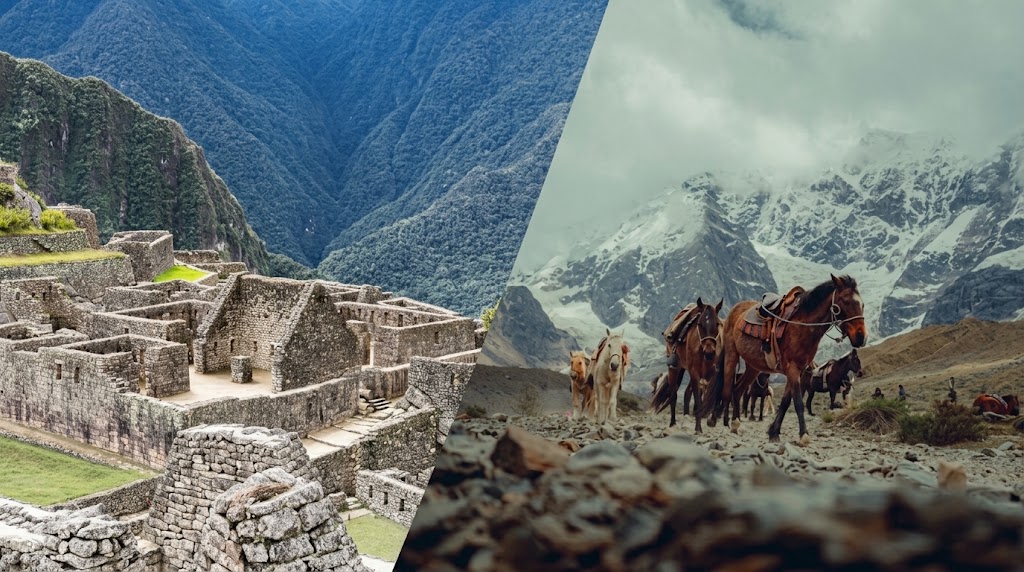
Choosing the right trek to Machu Picchu is the most critical decision you will make when planning your trip to Peru. While both routes lead to the same world wonder, the physical journey, scenery, logistics, and historical connection could not be more different.
The Classic 4-Day Inca Trail is a pilgrimage through ancient history. It is the only route that allows hikers to step directly onto paved stone Incan roads and walk into the sanctuary through Intipunku, the Sun Gate. The Salkantay Trek is a wild alpine mountain expedition that crosses high glacier passes, alpine lakes, and subtropical cloud forests before approaching Machu Picchu from the valley town below.
A head-to-head Inca Trail vs. Salkantay comparison evaluating scenery, crowding, difficulty, and cost.
| Feature / Criteria | Classic 4-Day Inca Trail | Salkantay Trek (4 or 5 Days) |
|---|---|---|
| Total Distance | 42 km (26 miles) | 74 km (46 miles) for 5-day route |
| Maximum Altitude | 4,215 m (13,828 ft) at Warmiwañusqa | 4,630 m (15,190 ft) at Salkantay Pass |
| Permit Regulations | Strictly limited to 500 per day. Sells out 4 to 7 months ahead. | No trail permit caps. Can be booked weeks or days in advance. |
| Terrain Type | Paved Incan stone steps, uneven stairs, narrow mountain ridge paths. | Open dirt trails, loose gravel, scree slopes, valley dirt roads. |
| Archaeological Sites | Abundant. Multiple exclusive Incan ruins along the trail only accessible on foot. | Minimal along the trail. Primary focus is mountain landscapes and nature. |
| Machu Picchu Arrival | Direct foot arrival through Intipunku (Sun Gate) on Day 4 morning. | Arrives at Aguas Calientes town on Day 4; enters citadel by bus on Day 5. |
| Support Team | Licensed porters carry all gear and equipment (mules prohibited). | Horsemen and pack mules carry equipment across high mountain passes. |
| Accommodation | Designated mountain campsites (tent camping only). | Options range from tents and glass domes to luxury eco-lodges. |
| Average Price Range | $800 to $1,300 USD per person | $500 to $950 USD per person |
Scenery and Landscape Diversity
Salkantay Trek: Raw Alpine Greatness
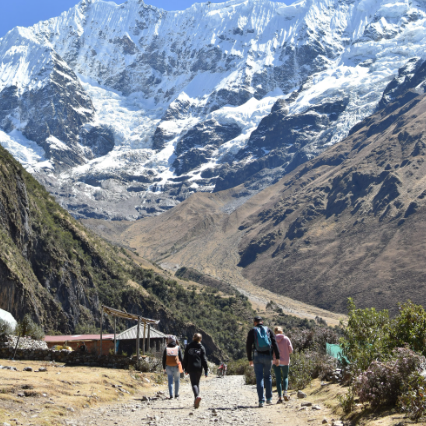
If your dream trip involves raw natural beauty, glacial mountain peaks, and dramatic environmental shifts, Salkantay is unmatched. Named by National Geographic as one of the top 25 treks in the world, Salkantay takes you through distinct ecological zones in a single trek.
You begin in high alpine meadows beneath the towering peak of Mount Salkantay (6,271 m / 20,574 ft), a sacred mountain deity in Incan cosmology. The highlight for many hikers is the side trip to Humantay Lake, a brilliant turquoise glacial lake framed by snow. As you descend past the high cold pass, the landscape transforms into lush subtropical jungle, avocado orchards, wild passionfruit vines, and organic coffee plantations.
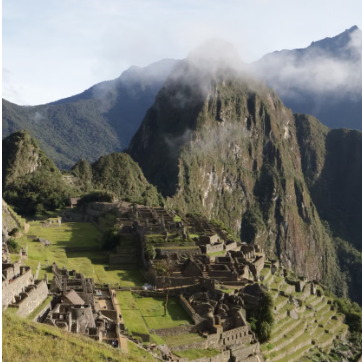
Inca Trail: Cloud Forests and Sacred Ruins
The Inca Trail offers breathtaking scenery, but its true magic lies in how nature and ancient engineering merge. The trail winds through high Andean valleys, misty cloud forests filled with native orchids, and mountain passes framed by the Vilcabamba mountain range.
Unlike Salkantay, where the scenery is predominantly wild and untouched, the Inca Trail provides constant historic milestones. You hike past ancient agricultural terraces, royal checkpoints, and stone fortresses carved directly into cliff faces, including Runkurakay, Sayacmarca, Phuyupatamarca, and Wiñay Wayna.
Physical Difficulty, Altitude, and Terrain
Understanding the physical demands of both routes is essential for choosing the trek that fits your conditioning.
Staircases and Joint Impact
- Thousands of continuous stone stair steps uphill and downhill.
- Warmiwañusqa (Dead Woman’s Pass) reaches 4,215 meters elevation.
- High impact on knees and quad muscles during steep descents.
- Requires strong joint stability and cardiovascular endurance.
Altitude and Endurance Distance
- Salkantay Pass reaches a cold, high altitude of 4,630 meters.
- Longer overall distance (74 km vs 42 km).
- Distant dirt paths, scree, and gradual incline valleys.
- Higher risk of acute mountain sickness due to extreme elevation.
Which is harder?
- Inca Trail is harder on your joints: The thousands of uneven stone steps built by the Incas test your knees, ankles, and stamina, especially on Day 2 and Day 3 when descending over 1,000 vertical meters on hard stone.
- Salkantay is harder on your lungs: The peak elevation at Salkantay Pass is over 400 meters higher than the highest point on the Inca Trail. Cold alpine winds and thin oxygen make Day 2 of Salkantay an extreme aerobic test.
Logistics, Permits, and Planning Flexibility
Logistical requirements represent the biggest hurdle for travelers choosing between these two routes.
The Inca Trail Permit Constraint
To preserve the ancient stone pathways, the Peruvian Ministry of Culture strictly caps Inca Trail access to 500 permits per day. Crucially, around 300 of these permits are assigned to guides, cooks, and porters, leaving roughly 200 daily permits for independent travelers worldwide.
- Permits are non-refundable, non-transferable, and tied directly to your passport number.
- High season permits (May through September) sell out 4 to 7 months in advance.
- The Inca Trail is completely closed every year during the month of February for annual conservation work.
Salkantay Permit Freedom
The Salkantay Trek crosses open public mountain passes and private land, meaning there are no government permit quotas for the trail itself.
- You can book a Salkantay Trek several weeks or even days before departure.
- Salkantay remains open year-round, including February.
- Note: While trail permits are unlimited, entrance tickets for the Machu Picchu citadel at the end of the trek must still be reserved well in advance.
Campsite Comfort and Accommodation Options
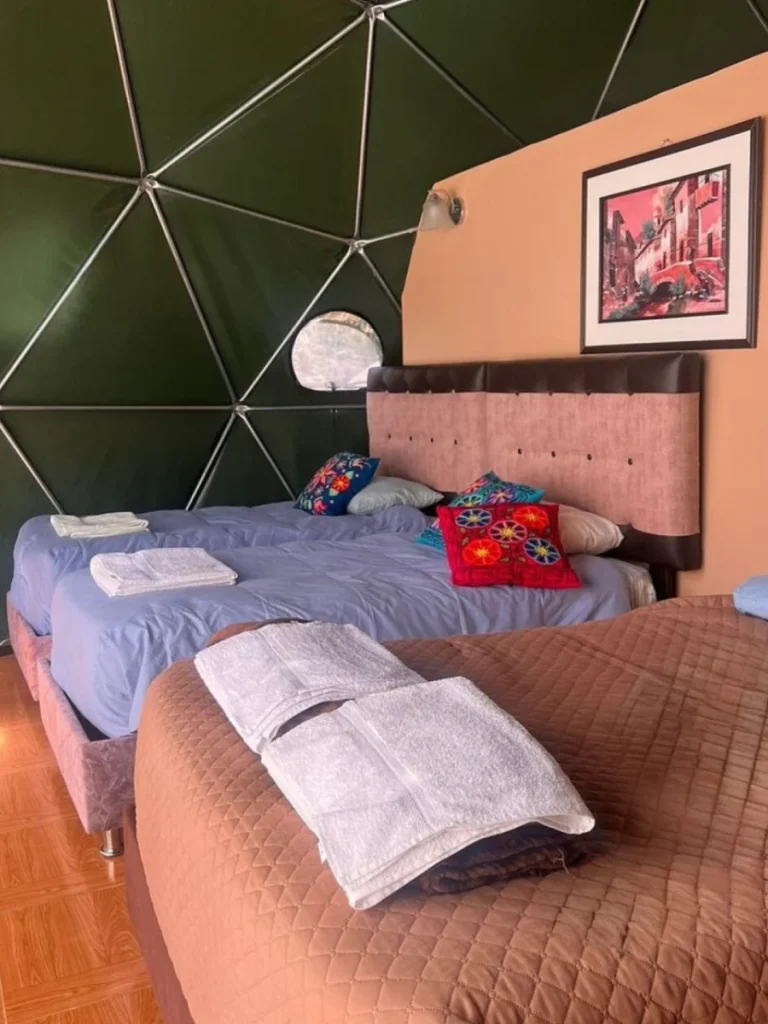
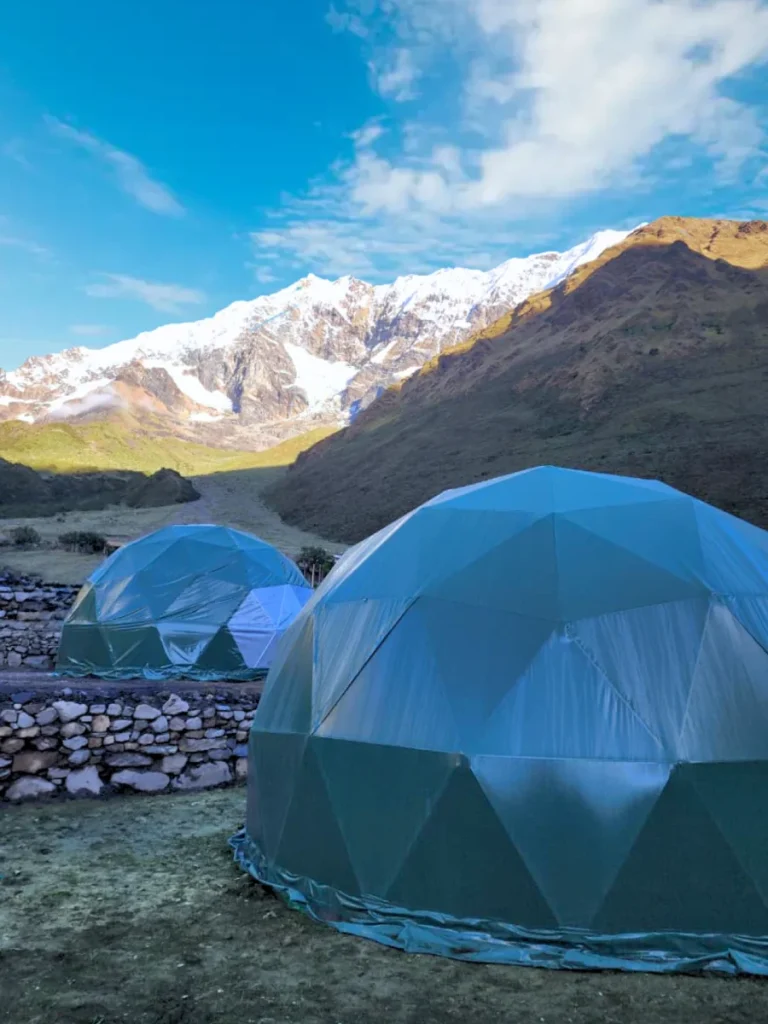
Accommodation Options & Exclusive Sky Domes on Salkantay
Because the Salkantay route passes through private local mountain communities, accommodation options along the trail are vastly more varied and comfortable than the strict tent-only camping regulations enforced on the Inca Trail:
- Standard Alpine Camping: Basic setup with four-season tents placed under wooden rain shelters at high-elevation campsites.
- Luxury Mountain Lodges: Premium lodge-to-lodge private routes offering private rooms, wine pairings, and outdoor hot tubs.
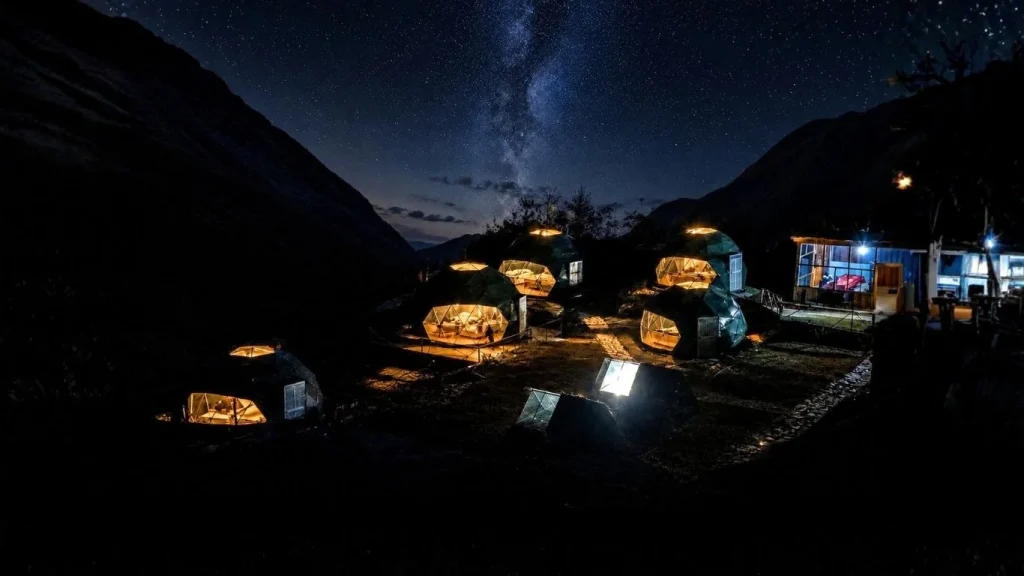
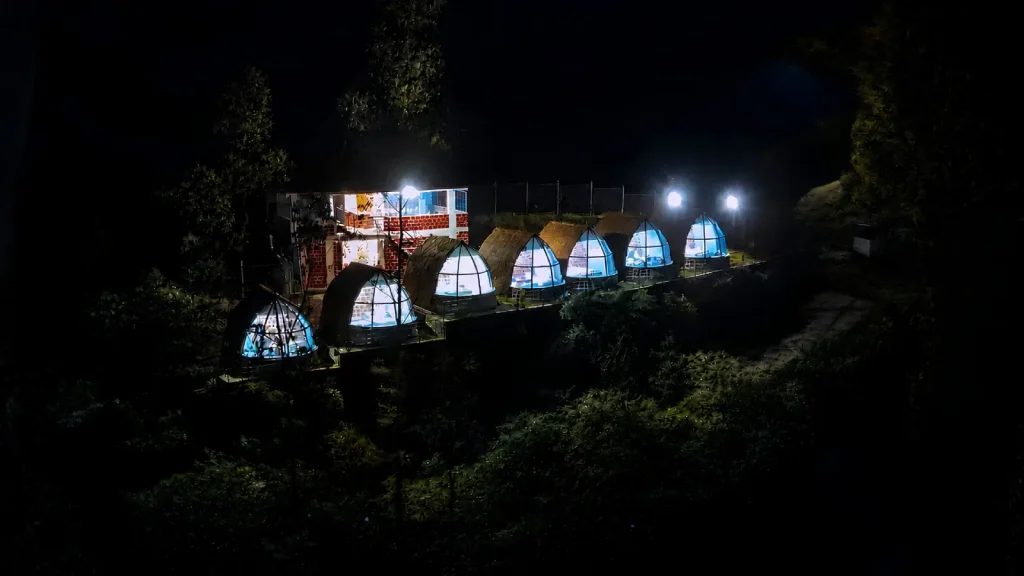
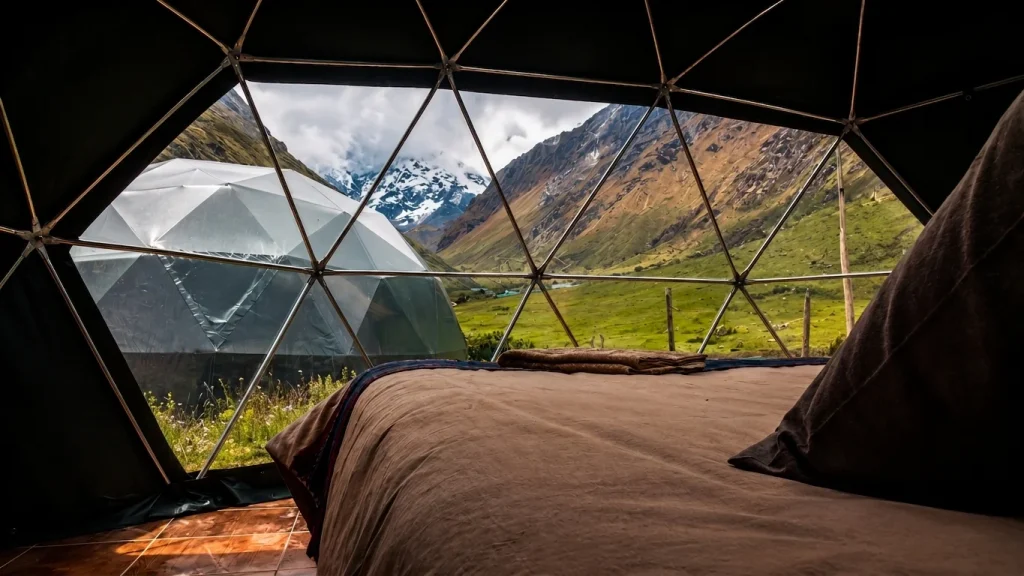
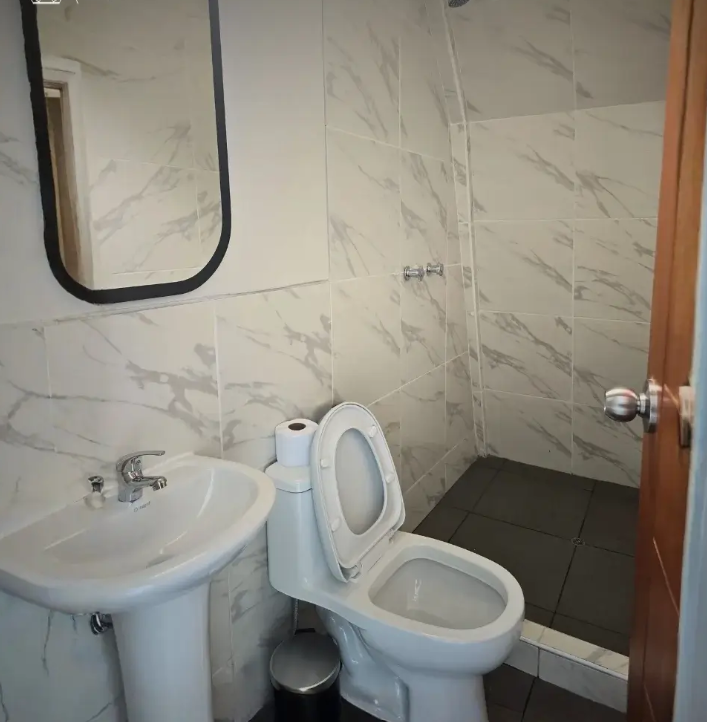
- Exclusive Glass Sky Domes: Sleeping under the stars in private geodesic domes fitted with cozy beds, solar heating, clean facilities, and unobstructed views of Mount Salkantay and the night sky.
Experience Salkantay Sky Domes on Your Way to Machu Picchu
Combine high-altitude wilderness hiking with elevated comfort. Our signature Salkantay routes include overnight stays in private Sky Domes, featuring cozy beds, solar heating, and direct views of the Andean night sky before reaching the citadel.
The Final Arrival at Machu Picchu
How you reach the lost city of the Incas at the end of your trek is often the deciding factor for many travelers.
Inca Trail Arrival: The Sun Gate (Intipunku)
On the final morning, you wake up around 3:30 AM, pass the final park checkpoint, and hike 2 hours to Intipunku (the Sun Gate). As you crest the stone doorway, you look down upon the entire Machu Picchu citadel framed by morning light before any bus tourists arrive from the valley below.
Salkantay Arrival: Aguas Calientes Base
On Day 4, you finish hiking in the valley town of Aguas Calientes (Machu Picchu Pueblo), where you spend the night in a hotel with a hot shower. On Day 5, you take a 25-minute Consettur bus up to the main citadel gate to enter alongside standard day visitors.
Cost Breakdown and Value
Why is the Inca Trail more expensive?
The higher cost of the Inca Trail ($800 to $1,300 USD) reflects fixed government permit prices, strict porter welfare regulations requiring fair wages and insurance, and mandatory logistics. Every item used on the trail, from heavy cooking gear to personal duffel bags, must be carried by human porters who are paid legally mandated daily rates.
Why is Salkantay more budget-friendly?
Salkantay ($500 to $950 USD for standard treks) uses pack mules and horses to haul equipment across the high passes, significantly reducing labor expenses. Lower trail entrance fees also keep overall costs accessible for budget-conscious travelers.
How to Choose
Choose the Classic Inca Trail if:
- You want to walk on authentic, paved 600-year-old Incan stone pathways.
- You consider entering Machu Picchu through the Sun Gate at sunrise a non-negotiable dream.
- You want to explore exclusive archaeological ruins inaccessible by train or bus.
- You are planning 4 to 7 months in advance to secure strict permit quotas.
Choose the Salkantay Trek if:
- You prioritize glacier peaks, turquoise lakes, and dramatic mountain scenery over ruins.
- You are booking on short notice and cannot secure sold-out Inca Trail permits.
- You prefer sleeping in glamping Sky Domes or comfortable beds over backcountry tents.
- You want a high-altitude physical challenge at a lower price point.
Choose the Combined Trek if:
- You have the time and refuse to choose between raw wilderness and Incan history.
- You want to experience Humantay Lake and Salkantay Pass, then connect directly onto the Inca Trail.
- You want glacier mountain vistas AND the iconic Sun Gate foot entrance to Machu Picchu.
- You have strong physical endurance for the ultimate Peruvian trekking journey.
Book Your Salkantay & Combo Trek
Select your ideal itinerary below to view pricing, inclusions, and live availability:
Frequently Asked Questions
Can I hike the Inca Trail without a guide?
No. Peruvian law strictly prohibits independent hiking on the Inca Trail. All visitors must be accompanied by an official licensed tour guide, along with a licensed team of cooks and porters provided by an authorized agency.
Which trek is better for avoiding crowds?
Salkantay spreads hikers across open alpine valleys, making the trail feel less crowded during the day. However, both treks experience concentrated numbers during peak dry season months (June through August).
How far in advance do I need to book?
For the Classic Inca Trail, book 4 to 7 months ahead for high season (May through September) and 2 to 3 months ahead for shoulder season. For the Salkantay Trek, booking 3 to 6 weeks in advance is generally sufficient, provided Machu Picchu citadel entrance tickets remain available.
How should I prepare for the altitude on both treks?
Spend at least 2 to 3 full days acclimating in Cusco (3,400 m / 11,152 ft) or the Sacred Valley (2,800 m / 9,186 ft) before starting either trek. Stay well hydrated, avoid heavy meals upon arrival, and consider drinking local coca tea to assist acclimation.
Is cold weather an issue on these treks?
Yes. Nighttime temperatures on both treks drop near freezing, especially at high-elevation campsites like Dead Woman’s Pass on the Inca Trail or Soraypampa on Salkantay. Packing thermal base layers, a rated sleeping bag, and a insulated down jacket is essential.
Michael Thompson | Apple Travel Peru
A licensed local tour operator based in Cusco with over 10 years of experience leading both classic Inca Trail permit expeditions and luxury Salkantay sky dome treks, helping thousands of travelers choose their ideal path to Machu Picchu.